
A test rig is a specialized assembly of hardware, software, and instrumentation designed to evaluate the performance, reliability, or safety of a specific product or component under controlled, repeatable conditions. By isolating the item from its final operational environment, engineers can subject it to extreme variables—such as vibration, pressure, thermal stress, or electrical loads—to observe how it functions before it’s released for mass production or field deployment.
Key Takeaways
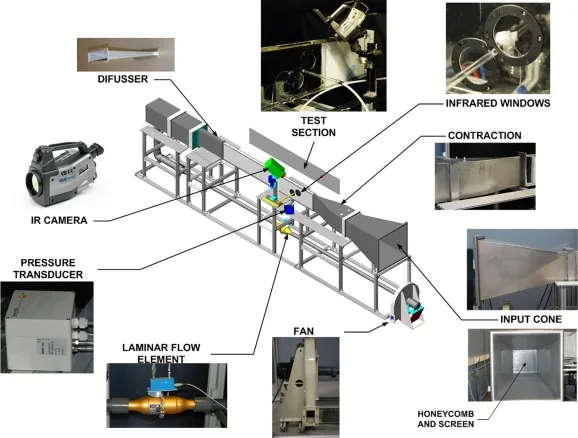
- Test rigs allow for controlled environmental simulation to identify potential failure points early in the development lifecycle.
- Data acquisition systems are essential for capturing high-fidelity performance metrics in real-time during testing.
- Rig design must prioritize safety through fail-safe mechanisms and emergency stop protocols to protect operators and equipment.
- Standardization ensures that results remain consistent and repeatable across different testing sessions or global facilities.
- Modular designs allow for cost-effective scalability, enabling one core rig to test multiple variants of a component.
Defining What Is A Test Rig
At its core, a test rig is an engineered environment that mimics the stresses an object will face in the real world. Unlike ad-hoc testing, a rig is a permanent or semi-permanent fixture that uses high-precision sensors and actuators to maintain extreme consistency. Whether it’s a simple bench-top jig or a massive hydraulic system, the primary goal is to gather empirical data that validates engineering assumptions.
Components of Modern Rigs
- Structural Frame: Often constructed from heavy-duty aluminum extrusions or welded steel, providing a rigid base for mounting.
- Actuators: These provide the physical force, such as hydraulic cylinders, pneumatic pistons, or electric linear motors.
- Sensors: Transducers that measure load, torque, temperature, pressure, and acoustic emissions.
- Data Acquisition (DAQ): The digital interface that converts raw sensor signals into readable graphs and logs.
- Controller: A PLC or PC-based system that commands the actuators and monitors safety interlocks.
How A Test Rig Works
The operation of a test rig follows a structured loop of input, response, and measurement. First, the unit under test (UUT) is secured within the rig. The controller then executes a pre-programmed script that applies specific stresses. As the UUT reacts, the sensors capture data, which is processed by the DAQ system to determine if the component meets the required engineering specifications.
The Operational Workflow
| Phase | Action | Purpose |
|---|---|---|
| Setup | Mounting the UUT | Ensures alignment and structural safety |
| Calibration | Zeroing sensors | Guarantees data accuracy and integrity |
| Execution | Applying test load | Simulates operational stress cycles |
| Analysis | Reviewing log files | Identifies deviations from expected norms |
| Reporting | Generating summary | Documents compliance for quality assurance |
Types of Testing Methods
Testing methodologies vary depending on the industry. Automotive engineers often use climate-controlled chambers to test engine components, while aerospace manufacturers utilize centrifuge rigs to simulate high G-force environments. Choosing the right method is critical to ensuring the validity of the data collected during the test cycle.
Common Industry Techniques
- Stress Testing: Pushing a component to its absolute breaking point to determine the ultimate strength limit.
- Life Cycle Testing: Repeatedly cycling a part to observe wear patterns and predict the Mean Time Between Failures.
- Environmental Testing: Exposing components to humidity, salt spray, or extreme temperature fluctuations.
- Vibration Testing: Using shakers to ensure electronic components can withstand transit or operational shaking.
Essential Tools and Hardware
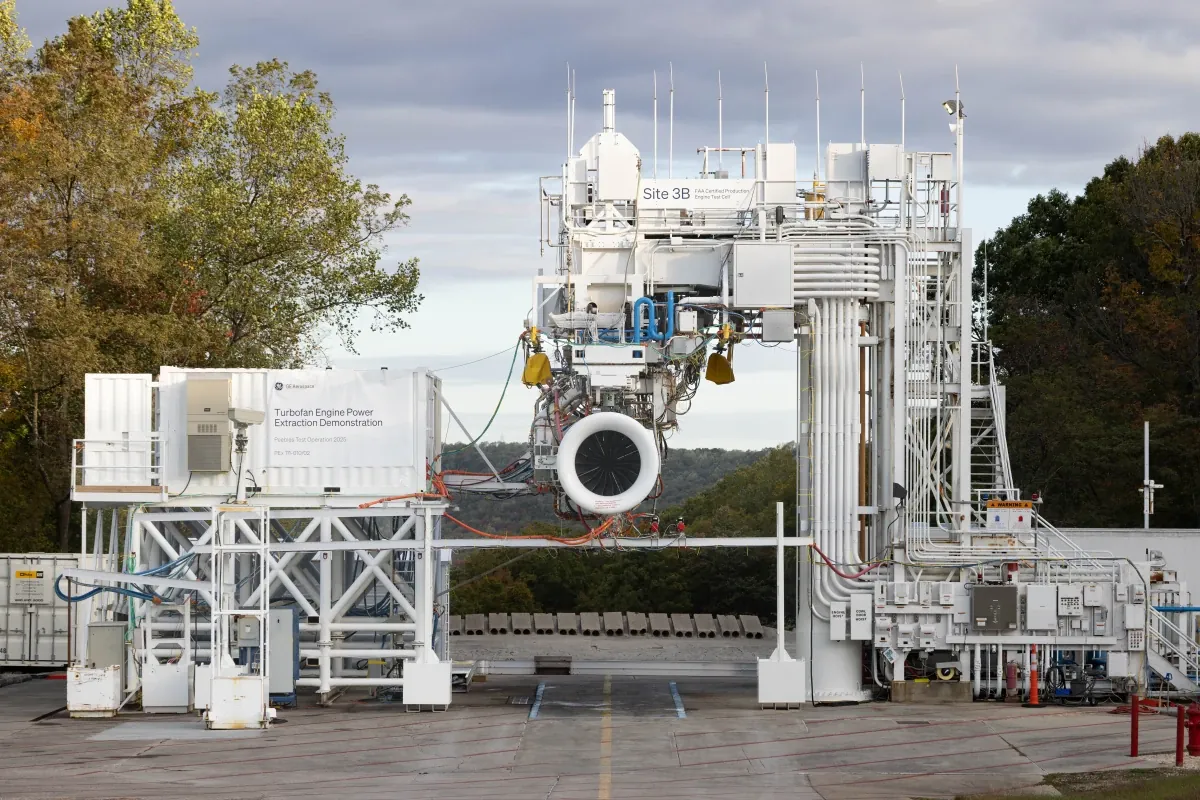
Building a reliable rig requires selecting high-quality hardware that can withstand the rigors of repeated testing. Using industrial-grade components minimizes the risk of the test equipment failing before the UUT does.
- NI (National Instruments) CompactDAQ: A standard for modular data acquisition.
- Bosch Rexroth Profiles: Widely used for building modular aluminum structural frames.
- Keyence Laser Sensors: Ideal for non-contact measurement of displacement.
- Omega Engineering Load Cells: Reliable components for measuring force and tension.
Designing for Safety and Compliance
Safety is the paramount concern when designing any test apparatus. Because rigs often involve high-pressure fluids, high-voltage electricity, or high-speed rotating parts, physical barriers and interlocks are mandatory. Following ISO 12100 safety of machinery guidelines helps engineers identify and mitigate risks during the design phase.
Warning: Always install physical guarding around rotating parts or pressurized lines to prevent catastrophic failures from injuring personnel or damaging the facility.
Troubleshooting Common Rig Issues
Even well-designed rigs encounter problems. Most issues stem from sensor drift, electrical noise, or mechanical fatigue in the rig itself. Maintaining a rigorous calibration schedule is the best defense against faulty data.
| Symptom | Probable Cause | Corrective Action |
|---|---|---|
| Noisy Data | Ground loop interference | Check shielding and common grounding |
| Sensor Drift | Thermal expansion | Allow for warm-up time before testing |
| Actuator Stalling | Pressure drop or friction | Check seals and hydraulic fluid levels |
| Software Crashes | Memory buffer overload | Optimize DAQ sample rate settings |
Why Rigs Are Cost-Effective
While the initial investment in a test rig can be significant, the long-term savings are substantial. By catching design flaws in the prototype phase, companies avoid the massive costs associated with product recalls, warranty claims, and brand damage.
Pro Tip: Use modular mounting plates in your rig design so that you can quickly swap out different UUTs without needing to reconfigure the entire structural frame.
Automation and Data Integration
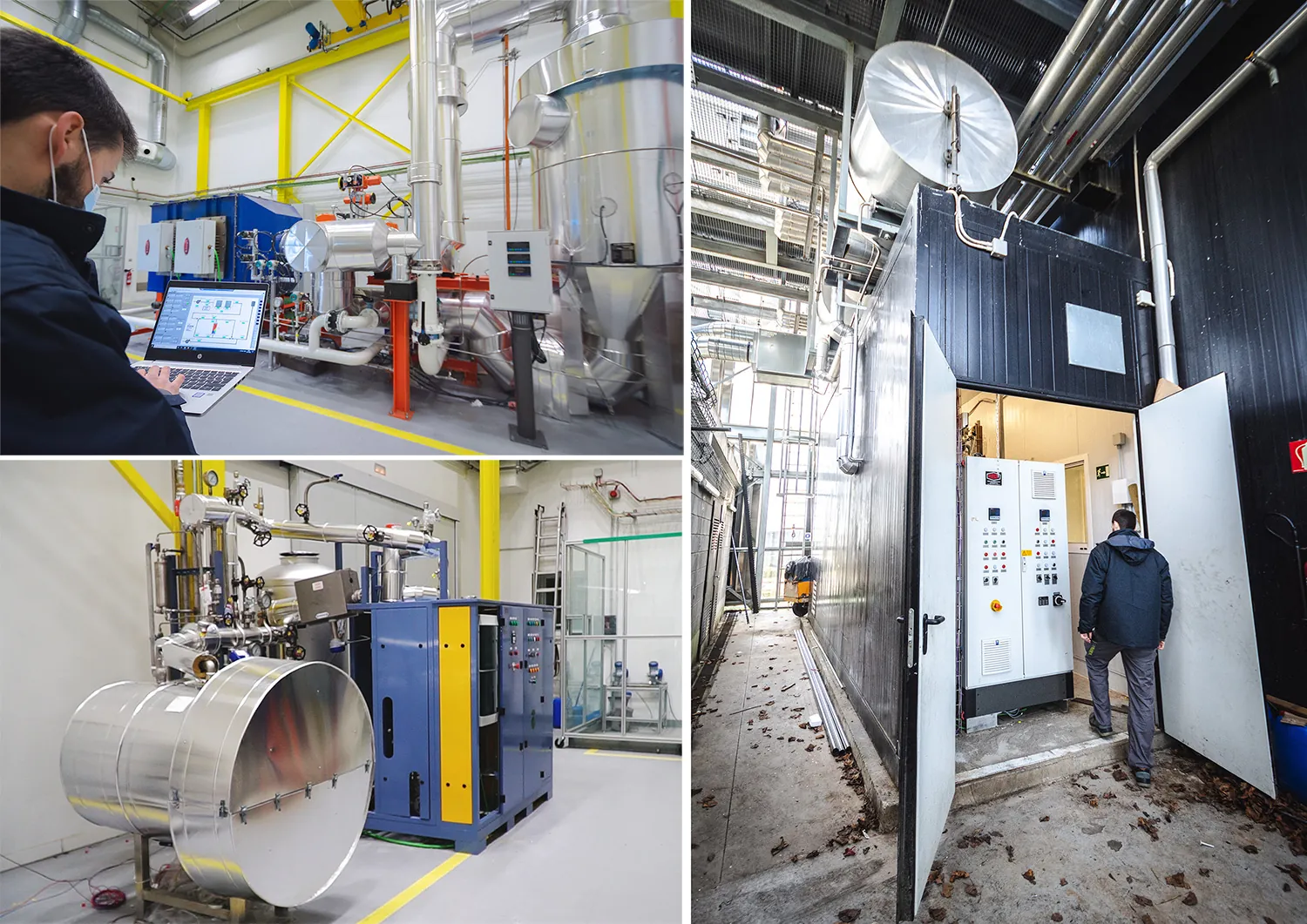
Modern test rigs are increasingly integrated into the “Digital Twin” ecosystem. By feeding real-time test data back into CAD models, engineers can refine their simulations to be more accurate. This closed-loop approach allows for faster iteration cycles and more robust final product designs, as the virtual model is constantly updated by physical test results.
Related guides
- TF-100 vs K-2006: Which Pool Test Kit Is Right for You in 2026
- Best Time to Test Pool Water: 5 Essential Testing Tools in 2026
- 5 Best Dog Clippers for Thick Hair: Tested and Reviewed in 2026
Frequently Asked Questions
Is a test rig the same as a prototype?
No, a prototype is the product itself, while a test rig is the machine used to evaluate that product. You place the prototype inside the test rig to see how it performs under stress. The rig is a tool for validation, whereas the prototype is the object being validated.
How do I calibrate my test rig?
Calibration involves comparing your sensors against a known reference standard. You should use a NIST-traceable calibration tool to verify that your load cells, pressure transducers, and temperature probes are providing accurate readings. This process should be performed annually or whenever the rig is moved to ensure the data remains reliable and legally defensible.
What is the purpose of a fail-safe?
A fail-safe is a design feature that ensures the rig defaults to a safe state if a power outage, sensor failure, or human error occurs. For example, a hydraulic rig might use a pressure-relief valve that opens automatically to bleed off dangerous pressure if the control system stops responding, preventing an explosion or structural failure.
Can I build my own test rig?
Yes, many small companies build custom rigs using off-the-shelf components like aluminum framing and modular DAQ hardware. However, you must ensure the rig is designed to handle the forces being tested. If the rig itself fails during testing, it can cause significant damage to the component and put the operator at risk. Always calculate your safety factors during the design phase.
How often should I perform maintenance?
Maintenance frequency depends on the intensity of use. For high-cycle fatigue testing, you should inspect mechanical fasteners and seals after every major test batch. For static load testing, a quarterly inspection is usually sufficient. Keep a detailed logbook of all maintenance activities to satisfy quality management standards and to track the wear and tear of the rig components themselves.
What is a data acquisition system?
A data acquisition system is the hardware and software combination that translates physical phenomena, like heat or pressure, into digital signals that a computer can store. It typically includes sensors, signal conditioners, and an analog-to-digital converter. Without this system, you would have no objective way to document the performance of your test subject, making the rig effectively useless for professional development.
Conclusion
The most effective way to begin your journey into test rig development is to define the specific failure modes you need to investigate. Start by identifying the most critical stressor for your component, then research the sensors required to measure that specific variable. Begin with a simple, manual setup before attempting to automate the entire process for your production line.
