
Interstitial fluid pressure is the force exerted by the fluid found in the spaces between cells, and it matters because it regulates how nutrients and waste move through your tissues. When this pressure stays in a healthy range, it keeps your cells hydrated and removes toxins effectively. If it changes too much, it can cause swelling or slow down how your body heals.
Understanding fluid dynamics in your tissues
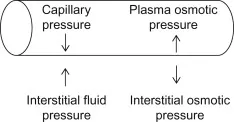
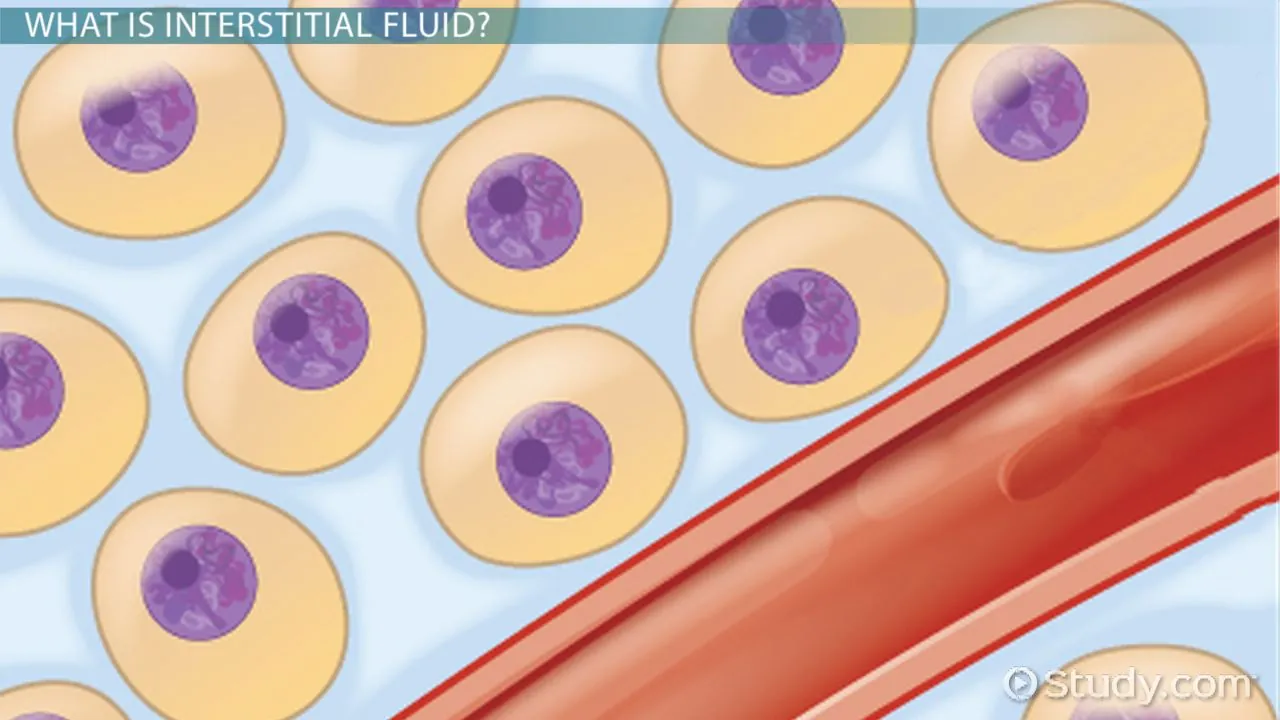
The fluid between your cells, known as interstitial fluid, sits in a complex network called the interstitium. This space acts like a reservoir that holds liquid filtered from your blood vessels. Because the body constantly balances the amount of fluid moving in and out, the pressure inside these spaces remains critical for maintaining your physical health.
- Interstitial fluid pressure usually stays near or slightly below atmospheric pressure in healthy skin.
- This pressure helps prevent excess fluid from building up in the tissues, which is called edema.
- The system relies on lymphatic vessels to drain extra fluid and keep the pressure stable.
- If blood pressure in your capillaries rises, it pushes more fluid out, increasing the interstitial pressure.
- When you move, your muscles help pump fluid into the lymphatic system to lower the pressure.
- Changes in this pressure affect how quickly your cells receive oxygen and remove carbon dioxide.
Why interstitial fluid pressure is important
The primary role of this pressure is to manage the movement of water and dissolved substances across the thin walls of your capillaries. Your body functions like a finely tuned filtration system where fluid is pushed out of the blood by high pressure and pulled back in by proteins. This National Center for Biotechnology Information overview explains how these physical forces maintain fluid balance across the capillary wall.
If the pressure in the interstitial space becomes too high, it creates resistance that makes it harder for new fluid to leave the blood vessels. This slows down the delivery of oxygen to your tissues, which can starve cells of the energy they need to repair themselves. On the other hand, if the pressure drops too low, fluid might leave the blood too quickly, leading to dehydrated tissues or localized swelling.
The mechanism also plays a big role in how your immune system works. When you have an injury, the pressure in the area often rises as part of the inflammatory response. This increase helps white blood cells move out of the blood and into the tissue to fight off bacteria or start the healing process.
If the pressure doesn’t return to normal once the repair is finished, the area stays puffy, which tells you that the fluid drainage system is struggling to clear the excess volume.
When the pressure changes
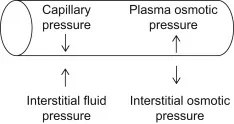
The normal range for this pressure depends on the specific organ or tissue type. While healthy skin usually maintains a slightly negative pressure, the pressure inside a solid, dense organ like the kidney is naturally higher.
A spike occurring while you’re sedentary is a red flag, whereas a similar rise during vigorous exercise is a standard physiological response.
Most people mistakenly assume that localized pain always correlates with a pressure increase. In reality, nerve compression often creates intense discomfort even when the surrounding tissue pressure remains within a normal range. If you feel sharp, radiating pain, prioritize a neurological assessment over a pressure check.
| Situation | What changes | What to do instead |
|---|---|---|
| Chronic swelling | Pressure stays high | Elevate the affected limb |
| Severe injury | Pressure spikes rapidly | Seek medical attention immediately |
| Dehydration | Pressure drops low | Increase your water intake |
| High blood pressure | Fluid output increases | Follow your doctor’s plan |
| Lymphatic blockage | Drainage system fails | Use compression garments daily |
How to manage your tissue fluid levels
- Keep your body active throughout the day. Moving your muscles acts like a pump for your lymphatic system, which helps move fluid along and prevents it from settling in one spot.
- Elevate your legs when you’re sitting for long periods. If you notice swelling, keeping your feet above your heart level uses gravity to help fluid drain back toward your core.
- Wear compression garments if you have chronic swelling. These items provide an external force that pushes against your skin, helping to keep the interstitial pressure from rising too far.
- Monitor your salt intake. Eating too much sodium causes your body to hold onto water, which increases the total volume of fluid in your system and raises the pressure in your tissues.
- Drink enough water to maintain blood volume. If your blood volume is too low, the pressure gradients that normally keep your tissues healthy will stop working as they should.
- Check your skin daily for signs of pitting edema. Press your thumb into the swollen area; if the dent stays for a few seconds, your interstitial pressure is likely too high.
The mistakes that ruin tissue health
Ignoring persistent swelling in your legs often leads to long-term tissue damage and permanent skin changes. If you can press a finger into your skin and leave an indentation for more than five seconds, the fluid has already moved into the interstitial space. This is no longer simple fatigue; it’s a clinical sign of lymphatic congestion.
Sitting in one position for more than two hours slows down lymphatic drainage and causes fluid pooling. Set a timer to stand or stretch every ninety minutes to engage your calf muscles, which act as the primary pump for your lower extremities.
Excess salt creates an osmotic imbalance that forces your body to retain fluid. If your rings feel tight by midday, cut your sodium intake to under 2,000 milligrams. Tight clothing also acts as a tourniquet, blocking lymph flow.
Frequently asked questions
Can high interstitial fluid pressure cause pain?
Yes, high pressure in the tissues often creates a dull, aching pain because the excess fluid stretches the skin and nearby nerves. This pressure also limits the space for blood to flow, which can lead to a feeling of tightness or throbbing in the affected area. If the pain is sudden or intense, you should see a doctor to rule out injury.
How long does it take for swelling to go down?
The time it takes for swelling to decrease depends entirely on the cause and how well you manage the affected area. Simple swelling from sitting may resolve in a few hours of movement, while swelling from an injury can take days or weeks. If your swelling doesn’t improve after 48 hours of rest and elevation, contact a healthcare professional.
Is it safe to use compression for high pressure?
It’s generally safe to use compression, but you must choose the right strength and size for your specific condition. If the compression is too tight, it can actually cut off circulation and make the fluid buildup worse. Check with a therapist or your doctor to ensure you’re using the correct pressure level for your body.
What happens if the pressure remains high for months?
When the pressure stays high for a long time, it leads to a condition where the tissues become scarred and thickened. This process, known as fibrosis, makes it much harder for your body to return to a normal state even after the fluid is removed. You should address any long-term swelling as soon as it appears to prevent permanent tissue changes.
Does it matter if I have low interstitial pressure?
It matters because low pressure can lead to poor nutrient delivery and make your skin feel thin or brittle. While it’s less common than high pressure, it often happens when you’re severely dehydrated or have very low protein levels in your blood. You can usually fix this by drinking enough fluids and eating a balanced diet.
Why does inflammation increase this pressure?
Inflammation increases pressure by causing your blood vessels to become leaky so that immune cells can reach the site of an injury. This is a normal part of the body’s defense, but it creates a local spike in fluid volume. The pressure usually returns to normal once the inflammation subsides and the lymphatic system clears the extra fluid.
Conclusion
Keeping your body’s internal environment balanced doesn’t have to be complicated. Simple habits like staying hydrated and moving regularly help maintain healthy flow throughout your tissues. If you’re worried about persistent swelling or discomfort, it’s a good idea to chat with your doctor. They’ll help you understand what’s happening beneath your skin.
