
High water content, low shear strength, and high compressibility are the primary reasons marine soil possesses unique engineering properties that must be accounted for during construction.
Unique engineering properties of marine soil types
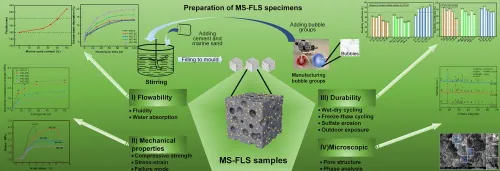
Engineers categorize these deposits based on their origin and physical makeup. While all share a tendency toward instability, their specific mineral content changes how they settle under pressure.
| Soil Type | Best For | Typical Example |
|---|---|---|
| Soft Marine Clay | Dredging projects | Estuarine silt |
| Marine Sand | Beach nourishment | Coastal dunes |
| Organic Silt | Wetland restoration | Mangrove peat |
| Calcareous Ooze | Research sampling | Deep sea floor |
Soft marine clay
Soft marine clay is a fine-grained deposit found in coastal basins that poses significant challenges due to its extremely low load-bearing capacity. It consists of tiny particles that hold onto water, preventing the soil from becoming firm even after long periods. If you build on this soil without proper ground improvement, the structure will likely sink unevenly as the water is squeezed out of the pores.
- High sensitivity to disturbance, causing the soil to lose strength when handled.
- Slow consolidation rates, which means settlement can continue for many years.
- High plasticity, making the material prone to shrinking and swelling with moisture changes.
If you’re planning a lightweight structure, you might use a floating foundation; if the load is heavy, you must use deep piles that reach the underlying bedrock. A common mistake is assuming the soil will harden on its own, which often leads to foundation failure and costly repairs. You can verify the specific moisture levels by checking the geotechnical site investigation report provided by your project engineer.
Marine sand
Marine sand consists of granular particles that have been rounded by constant wave action. Unlike clay, this material is generally free-draining and provides a much more stable base for construction projects near the shore. Its strength comes from the friction between individual grains rather than the chemical bonding found in finer deposits.
- High permeability, which allows water to pass through the soil quickly.
- Good internal friction, providing better support for shallow foundations.
- Resistance to long-term settlement once the initial compaction is complete.
For example, when building a pier, contractors often use marine sand as a base to ensure the structure remains level. If the sand is loose, vibration equipment is used to pack the grains tighter. If the sand is already dense, no extra compaction is required. Always check the grain size distribution chart from your soil test to confirm the density meets your local building code requirements.
Organic silt
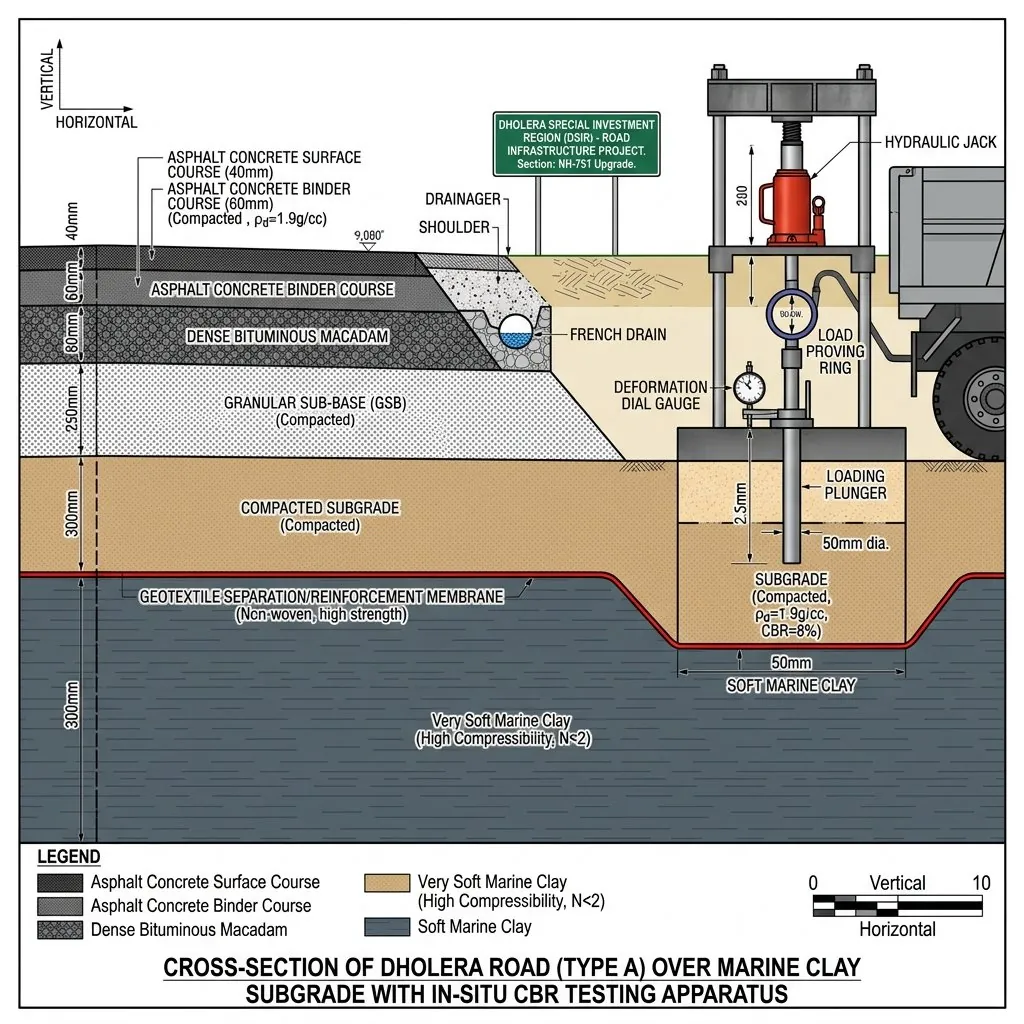
Organic silt contains high amounts of decomposed plant matter that makes the soil unpredictable and highly compressible. This material is common in marshy areas and river deltas where vegetation collects over time. Because the organic fibers hold water like a sponge, the soil can compress significantly even under small amounts of weight, creating major risks for pavement or light buildings.
- High gas production from decaying matter, which can create voids in the soil.
- Extreme compressibility that leads to rapid, unpredictable sinking.
- Low chemical stability, which can corrode metal pilings over time.
For example, in a wetland boardwalk project, engineers often remove the organic layer entirely and replace it with engineered fill. If the layer is too deep for removal, you must use light-weight fill materials to prevent sinking. This work requires specialized knowledge in soil chemistry, so you should consult a licensed geotechnical engineer before starting any design. Attempting to build on this soil without professional guidance can lead to total foundation collapse.
Calcareous ooze
Calcareous ooze is a deep-sea sediment composed primarily of the shells of microscopic organisms. It’s found in vast quantities on the ocean floor and has a unique, chalky texture. Because it’s saturated with saltwater and exists at extreme depths, it reacts differently to pressure than the silts and clays found in shallow coastal zones.
- High porosity, which allows for significant volume reduction under pressure.
- Unique chemical bonding that can change when the soil is disturbed.
- Low thermal conductivity, which is important for laying undersea power cables.
For instance, when installing deep-sea sensors, engineers must account for the way the ooze flows around the equipment during placement. If the installation is done too quickly, the soil doesn’t have time to settle, which can cause the equipment to tilt or drift. Always check the specific gravity values in your site data to determine the exact support capacity of the seafloor at your specific depth.
Additional marine soil classifications
- Marine Gravel: Composed of larger, rocky fragments found in high-energy coastal zones, this provides excellent drainage and structural support for heavy coastal infrastructure.
- Marine Peat: Similar to organic silt but with even higher fiber content, it’s unsuitable for construction and is usually bypassed by deep foundation systems.
- Shell Fragments: These create a complex, porous matrix that can interlock to provide moderate support, though they often require crushing to achieve uniform density.
Choosing the right marine soil strategy
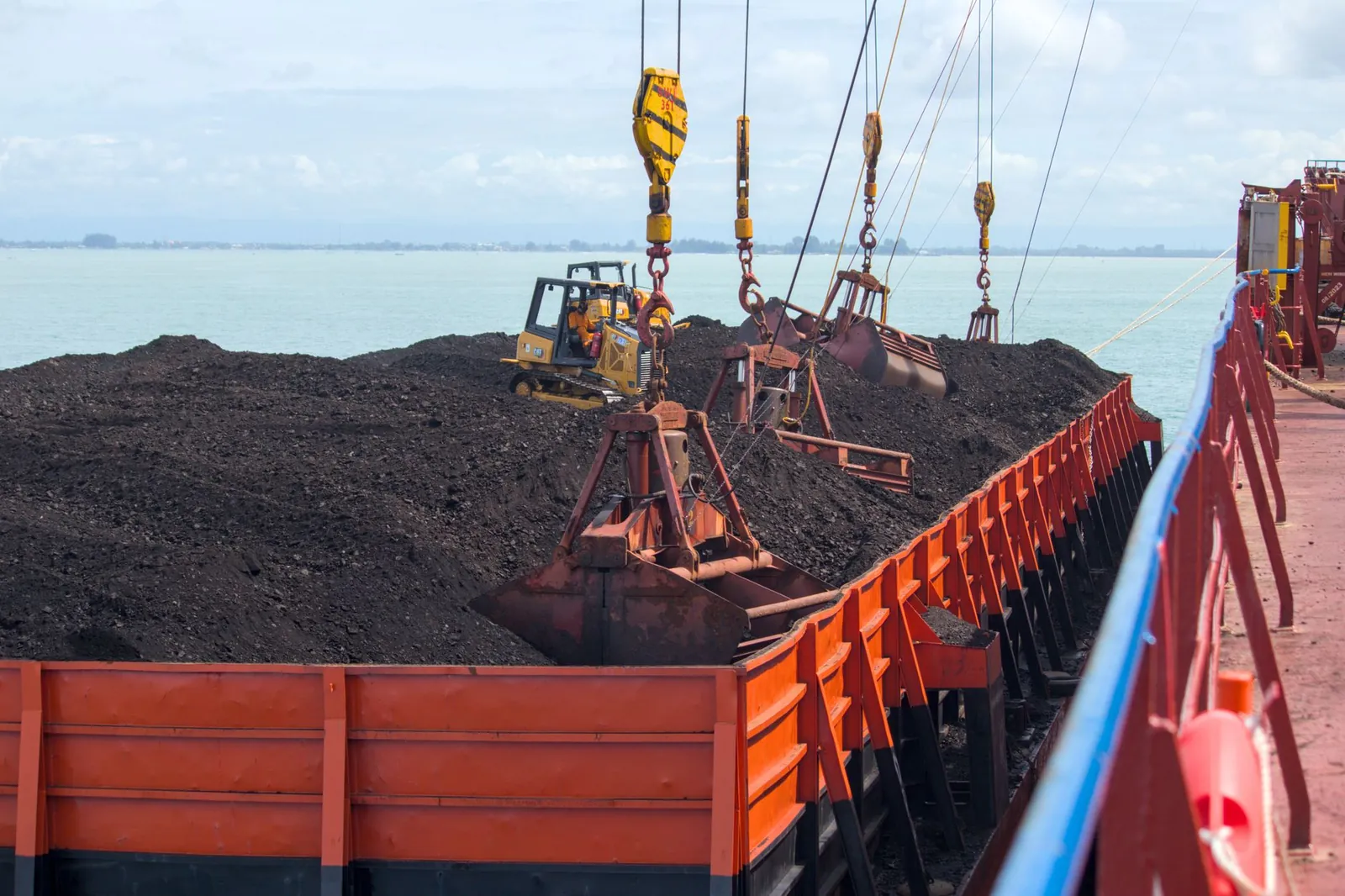
The decision between soil types usually depends on your project load and the depth of the deposit. If your project is a light deck or pathway, you can often work with the existing marine sand by using a geotextile fabric to distribute the weight. If you’re constructing a heavy building, you must identify the depth of the soft clay or organic silt layer.
If the layer is less than 3 meters deep, removal is often the most cost-effective path; if it’s deeper, you must use deep piles. These methods aren’t interchangeable, and choosing the wrong one based on a guess rather than a site test will result in structural failure.
Related guides
- 6 Best Fabric for French Drain in Clay Soil Picks in 2026
- 5 Best Glue for Floating Engineered Wood Flooring Picks in 2026
Frequently asked questions
How long does marine soil take to settle?
Settlement in soft marine clay can take 5 to 20 years to reach a stable state, depending on the thickness of the deposit and the drainage paths provided. You can determine the exact rate for your site by reviewing the coefficient of consolidation in your geotechnical report.
Is it safe to build on marine soil?
It’s safe to build on marine soil only if you use a foundation system designed by a licensed engineer to account for high compressibility. Never attempt to place a permanent structure on these soils without first performing a standard penetration test to confirm the soil’s load-bearing capacity.
What happens if I build on unstable marine soil?
Structural failure occurs when the soil compresses unevenly, leading to cracks in walls, tilted foundations, or total collapse of the building. You can spot the warning signs by looking for sudden sinking around the perimeter of your structure or vertical cracks appearing in concrete slabs.
Does salt in the soil affect my foundation?
Salt in marine soil causes accelerated corrosion of steel pilings and can degrade low-quality concrete over time. You must use sulfate-resistant concrete and epoxy-coated steel to protect your foundation when working in these environments.
How do I know if my soil is marine?
You can confirm your soil is marine by testing for high chloride content and identifying the presence of marine shells or micro-fossils in the sample. A professional laboratory will perform a salinity test to distinguish between terrestrial and marine deposits.
What is the most stable marine soil?
Marine sand is the most stable option because its granular structure provides high friction and doesn’t compress significantly under load. You can verify its stability by checking the relative density index, which should be above 70% for heavy construction.
Does marine soil move with the tides?
Marine soil doesn’t move with the tides, but the water pressure within the soil pores fluctuates, which can cause minor changes in soil strength. You must account for these pore-water pressure changes if you’re designing a deep foundation or a retaining wall.
Conclusion
Start your project by commissioning a professional soil boring test at the exact location of your intended foundation. A clear sign that your foundation is failing is the appearance of wide cracks in the ground or a noticeable tilt in the structure. If you see these signs, stop all work immediately and contact a structural engineer to assess the safety of the site.
