
The biological impact of 1 roentgen of radiation is negligible for a healthy adult because it represents a very small amount of energy deposited in human tissue. This exposure dose typically results in no immediate observable symptoms, as the body’s natural repair mechanisms easily handle the minor cellular stress caused by such a low level of ionizing radiation.
Biological impact of one roentgen
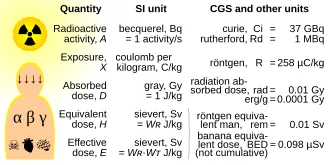
Radiation measurement is complex, but the roentgen is a unit that describes the amount of ionization in the air, and when we discuss biological impact, we often convert this to the absorbed dose, measured in grays or sieverts, to understand how energy affects living cells.
- One roentgen of exposure to X-rays or gamma rays is approximately equivalent to an absorbed dose of 0.0087 grays in air.
- The human body absorbs even less of this energy, meaning the actual biological effect is far smaller than the raw exposure number suggests.
- Natural background radiation exposes the average person to about 0.003 sieverts every year, making 1 roentgen a relatively minor event by comparison.
- Cells possess sophisticated enzymes that repair damaged DNA strands, which effectively neutralize the minor oxidative stress triggered by low-level exposure.
- Medical imaging procedures often deliver doses in this range, and they’re considered safe because the long-term risk of cellular mutation remains statistically insignificant.
Why Small Doses Have Minimal Effects
The reason why low doses of ionizing radiation don’t cause immediate illness lies in the way cells interact with energy. Radiation damages cells by ionizing atoms, which can break chemical bonds in DNA or create reactive molecules known as free radicals. At a level of 1 roentgen, the number of these events is very low compared to the billions of cells in the human body.
Your body is constantly repairing damage from environmental factors like sunlight, heat, and internal metabolic processes. Because your cells are already equipped with powerful repair pathways, they treat the energy from a small dose of radiation just like any other minor environmental stressor. The damage is repaired quickly, often within a few hours, before it can lead to any permanent biological change or dysfunction.
The United States Environmental Protection Agency notes that while all ionizing radiation carries some theoretical risk of cancer, the probability at extremely low doses is so small that it can’t be distinguished from background rates. This is why doctors don’t change their approach for patients who receive standard diagnostic scans. If the dose were significantly higher, the body’s repair capacity might be overwhelmed, leading to cell death or mutations, but 1 roentgen is far below that threshold.
Factors Changing the Biological Outcome
While the impact is generally low, specific conditions can change how the body processes radiation exposure. The age of the person, the type of radiation, and the duration of the exposure are the most common variables that alter the risk profile.
Children face higher risks because their cells divide more rapidly, leaving less time for DNA repair mechanisms to function correctly. If you’re managing pediatric care, prioritize ultrasound or MRI alternatives whenever the diagnostic goal allows.
Internal exposure creates a different hazard than external contact because radioactive particles remain trapped within organs.
Most people mistake a single high-dose event for the only danger, but chronic exposure is often more damaging due to cumulative cell stress. If your annual dose exceeds the recommended threshold, request a specialized dosimetry review.
Whole body exposure involves a larger tissue volume, which triggers systemic inflammation that localized shielding can’t prevent. When facing high-energy environments, ensure your shielding is rated for the specific isotope in use.
How to Manage Radiation Exposure
Managing exposure requires knowing your history and minimizing unnecessary contact with sources of ionizing radiation. Follow these steps to keep your cumulative dose as low as possible.
- Keep a personal medical radiation log to track every X-ray or CT scan you undergo throughout your life.
- Ask your doctor if a diagnostic test is truly necessary or if an alternative like an ultrasound can provide the same information.
- Ensure you use protective lead shielding during dental or medical imaging to protect organs that aren’t being scanned.
- If you work in a high-radiation environment, wear a dosimeter badge to measure your real-time exposure levels daily.
- Check your dosimeter reading at the end of every shift; if it exceeds your facility’s safety limit, report it to your supervisor immediately.
- Maintain a healthy diet rich in antioxidants to support your body’s natural cellular repair processes after any radiation exposure.
Common Mistakes in Radiation Safety

People often misunderstand the nature of radiation, which leads to unnecessary fear or risky behavior. Avoiding these common errors helps you maintain a realistic perspective on safety.
Assuming all radiation exposure leads to immediate illness ignores the massive difference between low-level background radiation and high-level acute doses. You must distinguish between the two: if you’re receiving a standard chest X-ray, the dose is roughly equivalent to three days of natural background exposure. Refusing such tests for fear of radiation often costs you a timely diagnosis, which is far more dangerous than the scan itself.
Conversely, don’t ignore the cumulative nature of radiation. Small, frequent exposures add up over decades, increasing long-term cellular stress. If you work in a high-risk environment, track your annual millisievert limit. Failing to use lead aprons or distance barriers increases the dose to sensitive thyroid and reproductive tissues that could have been easily protected.
Frequently asked questions
Can 1 roentgen of radiation cause cancer?
The risk of developing cancer from 1 roentgen is statistically indistinguishable from zero for any individual. While high cumulative doses are linked to increased cancer risk, the amount of energy in 1 roentgen is too small to trigger the biological changes necessary to initiate a tumor in a healthy adult.
How long does radiation stay in the body?
Ionizing radiation is energy, not a substance, so it doesn’t stay in the body at all. Once the source of the radiation is removed or the exposure event ends, the energy is gone and the body immediately begins its natural process of repairing any minor cellular damage.
Does it matter if the radiation is external or internal?
It matters significantly because internal radiation stays in contact with your cells for a longer duration. While 1 roentgen of external X-rays passes through the body in a fraction of a second, an internal source can deliver energy to tissues continuously until it decays or leaves the body.
Is it safe to have multiple X-rays in one day?
It’s generally safe to have multiple X-rays in one day if they’re medically necessary for your care. Doctors evaluate the total dose to ensure it stays well within safety limits, and the benefits of an accurate diagnosis almost always outweigh the minor radiation risk.
What happens if I exceed my annual radiation limit?
Exceeding an annual limit requires a consultation with a health physicist to review your specific exposure records. A single year slightly over the limit is rarely a cause for immediate health concern, but it should trigger a review of your work or medical practices to prevent future high exposures.
How do I know if I have been exposed to radiation?
You can’t feel, smell, or see radiation, so you must rely on detection equipment like a Geiger counter or a personal dosimeter. If you suspect an accidental exposure has occurred, contact your local radiation safety office or emergency services to perform a professional assessment of your environment.
Does age affect how radiation impacts the body?
Age is a primary factor because younger cells divide more rapidly and are more sensitive to radiation-induced damage. Children and adolescents have a higher lifetime risk from the same amount of radiation than an older adult, which is why radiation protection is prioritized for younger patients.
Conclusion
Exposure to small amounts of radiation is a normal part of life, and the body is well-adapted to handle these minor events. By keeping track of your medical history and following standard safety procedures, you can ensure that your total lifetime dose remains at a safe level.
