
When you’re staring down a stubborn clog in your plumbing, selecting the right equipment can mean the difference between a quick fix and a day of frustration. If you’re struggling to decide between a 25 foot vs 50 foot drain snake, the choice usually hinges on the specific location and depth of the blockage within your home’s drainage system. Generally, these tools retail for a price ranging from $20 to $150, depending on the length, gauge of the cable, and the inclusion of a manual or motorized feed mechanism. Understanding the reach required for your specific pipes is the most effective way to ensure you have the appropriate tool on hand before the next backup occurs.
Key Takeaways
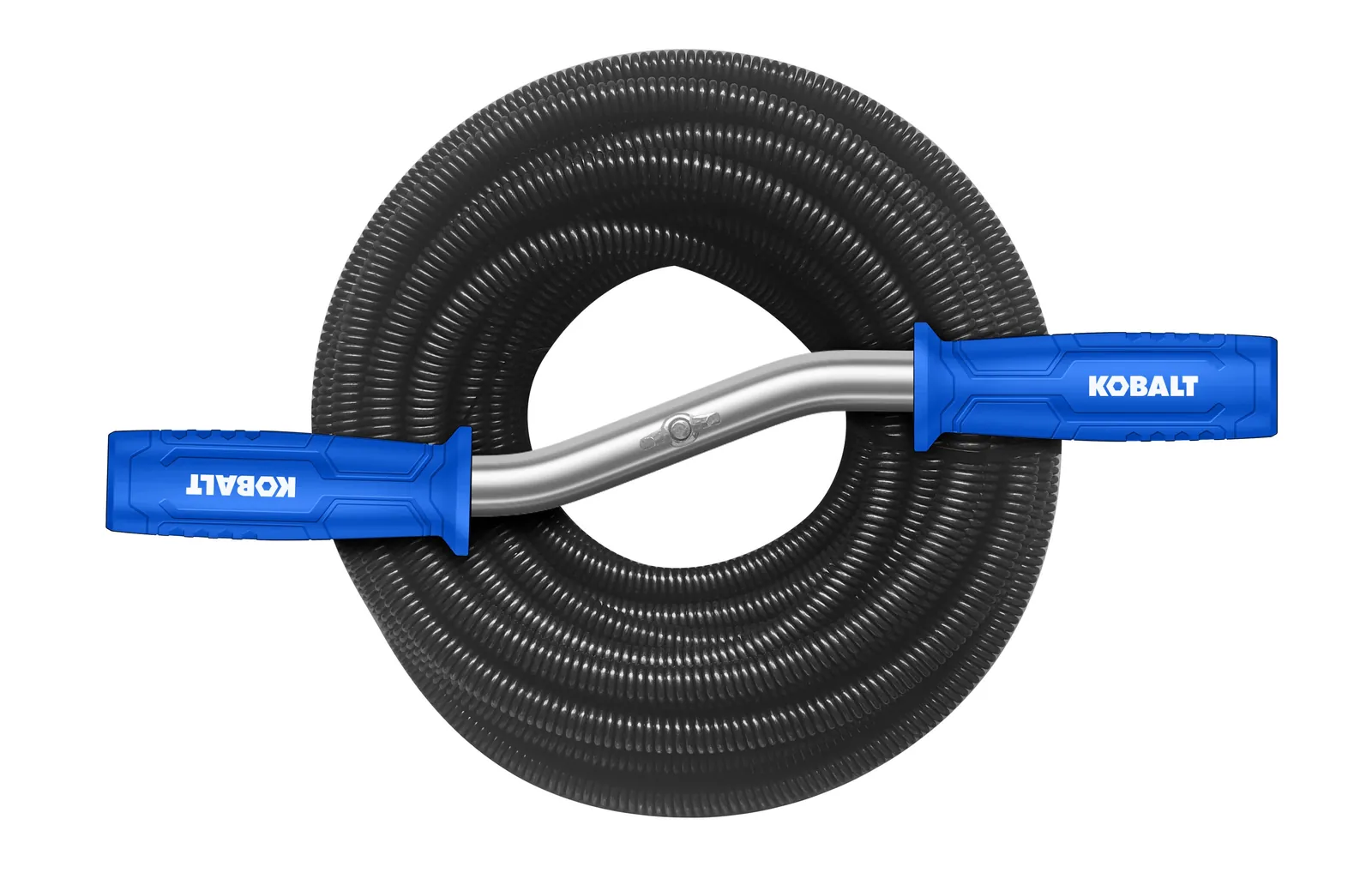
- A 25-foot snake is ideal for sink, shower, and tub drains where clogs are typically located close to the fixture.
- A 50-foot snake is necessary for main branch lines or secondary lines that run deeper into your home’s foundation or crawl space.
- The cable diameter is just as important as length; thicker cables provide more torque but may not fit through smaller P-traps.
- Manual snakes are best for simple, soft blockages, while powered units are superior for stubborn, deep-seated clogs.
- Always measure the distance to your clean-out access point before purchasing to avoid buying an unnecessarily heavy or cumbersome tool.
Where Does the Clog Actually Live?
Most household clogs occur within the first five to ten feet of a pipe. This is because the P-trap—the U-shaped section of pipe under your sink or tub—is designed to trap debris and prevent sewer gases from entering your home.
A 25-foot snake is more than sufficient to navigate these tight bends and clear obstructions like hair, soap scum, or small foreign objects. Because these shorter snakes are lighter and easier to maneuver, they’re the preferred starter tool for most DIY homeowners who only need to address standard kitchen or bathroom sink issues.
However, if your toilet is flushing slowly or water is backing up in a floor drain, the blockage might be further down the line. These lines often lead to the main stack, which can be located 30 to 40 feet away from the fixture.
In these scenarios, a 25-foot snake will simply reach the end of its cable and hit the clog without having enough leverage to break it up. This is where the 50-foot option becomes necessary, providing the extra reach to penetrate deep into the lateral lines where grease buildup or root intrusion commonly occurs.
Comparing Drain Snake Capabilities
| Feature | 25-Foot Drain Snake | 50-Foot Drain Snake |
|---|---|---|
| Primary Use | Sink, shower, tub drains | Main branch, floor drains |
| Weight | Lightweight (3–8 lbs) | Heavy (15–30 lbs) |
| Portability | High; fits under cabinets | Low; requires steady grip |
| Ease of Storage | Compact; hangs on hooks | Large; requires shelf space |
| Typical Cost | $20–$60 | $70–$150 |
Choosing the Right Cable Thickness
The effectiveness of your snake is determined by the gauge of the wire. If you choose a 50-foot snake that’s too thick, it won’t be able to navigate the tight 90-degree turns found in standard sink pipes. Conversely, if you choose a 25-foot snake that’s too thin, the cable will simply coil up inside the pipe when it meets resistance, failing to push through the blockage.
- 1/4-inch diameter: Best for small drains like bathroom sinks and kitchen basins.
- 3/8-inch diameter: Versatile for medium-sized pipes, such as laundry tubs or shower drains.
- 1/2-inch diameter: Reserved for main sewer lines or larger floor drains where significant torque is required.
Why 50 Feet Matters for Main Lines
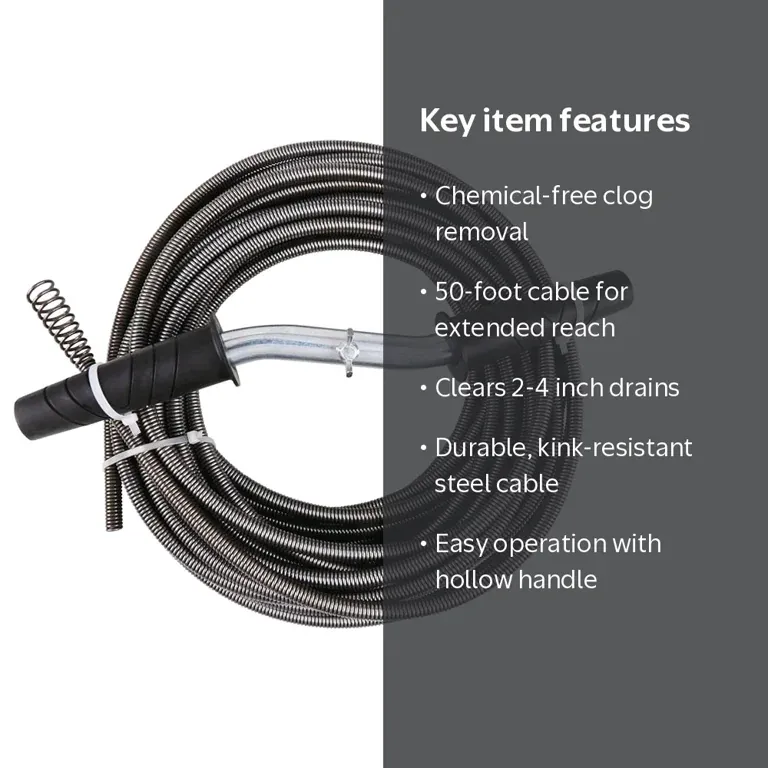
If you’re dealing with a recurring backup that affects multiple fixtures in your home, the problem is likely in your main line. The Environmental Protection Agency notes that maintaining clear drainage paths is essential for the long-term health of your home’s waste management system.
A 50-foot snake allows you to access the clean-out port, which is a dedicated pipe specifically designed to give plumbers or homeowners direct entry into the main sewer line. Without this extra length, you would be unable to reach the critical junction where the lateral line meets the municipal sewer or your septic tank inlet.
Warning: Never force the snake into the pipe if you feel significant resistance. You could accidentally puncture the pipe or push the blockage further into the line, making the professional repair much more expensive.
Manual vs. Motorized Feed Systems
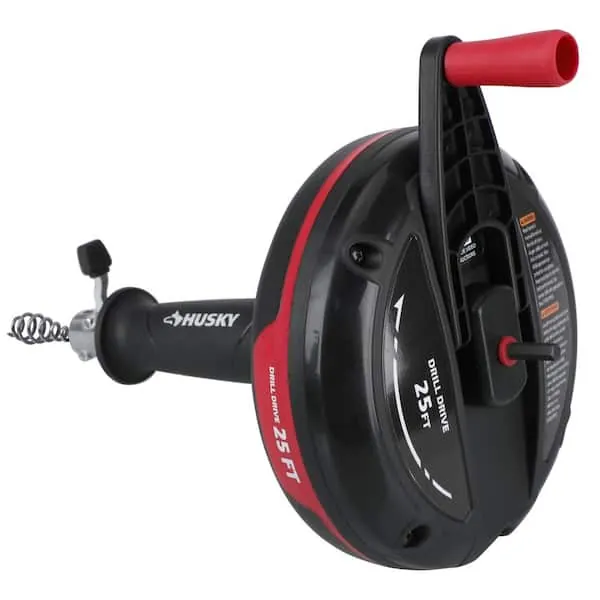
When choosing your tool, consider how the cable is deployed. A manual snake requires you to crank a handle by hand, which can be exhausting over a 50-foot distance. This method is fine for short, 25-foot jobs, but for longer runs, a motorized feed system is highly recommended. These units attach to a standard cordless drill, providing the consistent rotation needed to drill through thick sludge or tree roots.
- Manual Drum Auger: Simple, affordable, and requires no electricity.
- Drill-Powered Auger: Uses your existing cordless drill to provide the necessary RPMs for deep cleaning.
- Automatic Feed Auger: Features a trigger that feeds and retracts the cable, which is essential for 50-foot projects to prevent hand fatigue.
Troubleshooting Common Snake Issues
Even with the right length, you may encounter issues during the process. If your snake keeps getting stuck, it’s usually because the tip of the cable has snagged on a pipe joint or a sharp turn.
If this happens, pull the cable back slightly, rotate it in the opposite direction, and try to feed it through again. If the snake comes back with debris but the water still won’t drain, you likely have a secondary blockage further down, necessitating a longer reach or a different approach.
If you’re using a 50-foot snake, remember that the weight of the cable alone can make it difficult to control. Always wear heavy-duty work gloves to prevent the metal cable from cutting your hands as it spins.
What Are the Best Brands for Homeowners?
When you’re ready to purchase, look for reputable manufacturers that specialize in plumbing tools. While generic brands are available, name-brand tools often provide better quality steel that resists kinking and snapping inside your pipes.
- RIDGID: Known for heavy-duty, professional-grade augers that last for decades.
- General Pipe Cleaners: Offers excellent, durable manual and power-assisted tools.
- BrassCraft: Very common in hardware stores and ideal for occasional home maintenance.
- Milwaukee: Excellent for those who already own their battery platform and want a high-torque motorized option.
When Should You Call a Plumber?
Sometimes, the 25 foot vs 50 foot drain snake debate is irrelevant because the problem is beyond the scope of a handheld tool.
If you have snaked the line to its full capacity and the water still backs up, or if you hear gurgling sounds coming from other drains in the house, you may have a collapsed pipe or a major obstruction in the main sewer line. A professional plumber will have industrial-grade sewer cameras and heavy-duty, truck-mounted snakes that can reach 100 feet or more.
Pro Tip: Before attempting to snake your own lines, check the exterior of your home for a clean-out access pipe. If you can access the line from outside, you can often clear the clog without risking a mess inside your home.
Understanding Pipe Materials and Snake Compatibility
The material of your pipes dictates how aggressive you can be with your snake. Older homes often have cast iron or clay pipes, which are more susceptible to cracks and root infiltration. In these cases, a 50-foot snake with a heavy cutting head can be dangerous if handled improperly.
PVC and ABS pipes are more resilient but can still be scratched or gouged by an overly aggressive wire tip. Always start with the smallest, least invasive tip available for your snake to minimize the risk of damaging the interior walls of your plumbing.
Related guides
- 6 Best Fabric for French Drain in Clay Soil Picks in 2026
- 10 Best Drain Cleaner for Basement Floor Drain Picks in 2026
- 10 Best RV Drain Cleaner Picks for Clear Pipes and Tanks in 2026
Frequently Asked Questions
Can I use a 50-foot snake in a 25-foot drain?
Yes, you can use a longer snake in a shorter drain, but it’s often cumbersome. The excess cable will remain in the drum or must be coiled on the floor, which can be messy. If you only have one drain to clear, the extra weight and length of a 50-foot snake might make the job more physically demanding than necessary for a standard sink or tub.
Is a motorized snake worth the extra cost?
For a 25-foot job, a motorized snake is a luxury, but for a 50-foot job, it’s a significant advantage. Manual cranking over long distances is slow and tiring. A motorized unit ensures that the cable rotates consistently, which is crucial for breaking through tough grease or debris that has hardened over time in the deeper sections of your home’s plumbing system.
How do I know if the snake is stuck or just working?
When you feel resistance, it’s often the snake hitting the clog or a bend in the pipe. If you can still rotate the cable, it’s likely working. If the cable stops moving entirely and you can’t rotate it, you have likely hit a hard obstruction or the pipe wall. Pull it back a few feet, rotate it, and try to feed it through the turn again.
Should I use chemicals before snaking?
It’s generally recommended to avoid using chemical drain cleaners before snaking. These chemicals can remain in the pipe and splash back onto your skin or eyes when you insert the snake. Furthermore, chemicals are rarely effective for deep, physical blockages like hair or roots, so they often provide a false sense of security while leaving the actual obstruction intact for your snake to deal with.
How often should I snake my drains to prevent clogs?
If you have older plumbing or trees near your sewer lines, preventative snaking once a year is a smart maintenance habit. However, for most modern homes, you should only snake when you notice a significant decrease in drainage speed. Regular use of a snake isn’t required and can cause unnecessary wear and tear on the interior surfaces of your PVC or ABS piping.
Conclusion
After you have carefully evaluated your home’s layout and the specific location of your plumbing issues, visit a local hardware store to inspect the weight and cable flexibility of the models you’re considering. Once you have purchased the right tool, head over to your clean-out or fixture access point and take your time clearing the line slowly and methodically.