
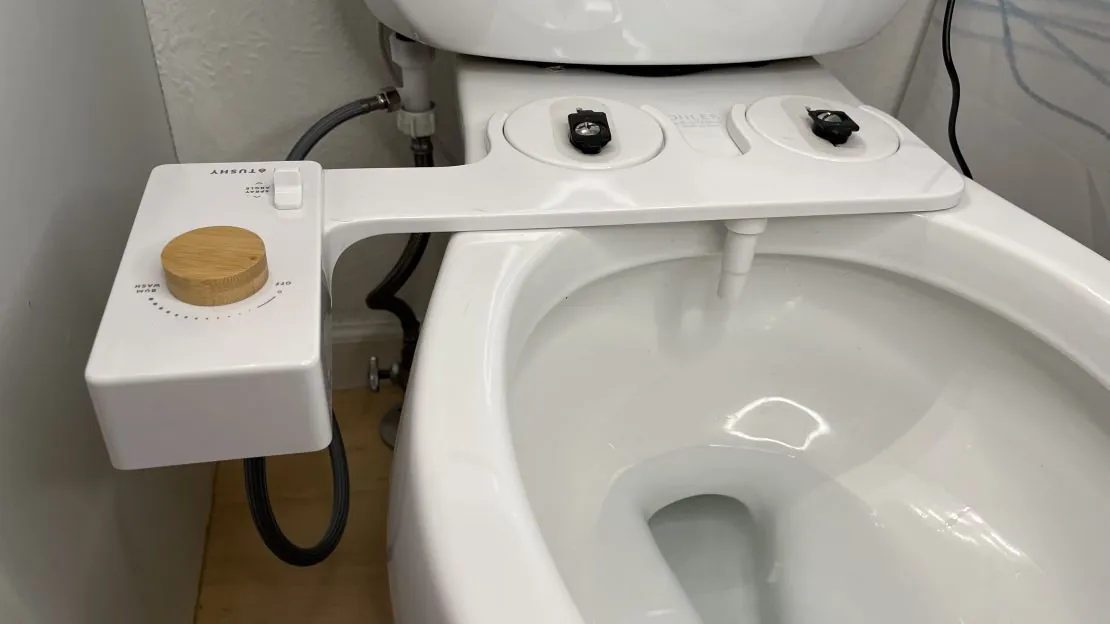
The best bidet attachments are simple mechanical devices that bolt under your existing toilet seat to provide a targeted stream of pressurized water for cleaning. These units come in various styles, such as cold-water-only sprayers, dual-nozzle designs, and models with built-in warm water mixing valves. While they all share the same goal of improving personal hygiene, they differ significantly in their water temperature control, nozzle adjustment range, and installation complexity. Choosing the right one depends mostly on your bathroom’s water access and your personal preference for water temperature.
Choosing the right bidet attachment
| Attachment Type | Best For | Common Example |
|---|---|---|
| Single Nozzle | Simple, cold-water cleaning | Basic mechanical sprayer |
| Dual Nozzle | Front and rear cleaning | Feminine hygiene model |
| Warm Water | Comfort in cold climates | Mixing valve attachment |
| Self-Cleaning | Reducing manual maintenance | Retractable nozzle unit |
| Slim Profile | Modern toilet seat fit | Low-profile thin base |
If your bathroom lacks an outlet near the toilet, stick to the single or dual nozzle mechanical models. Attempting to run an extension cord across a wet floor creates a serious shock hazard. If you live in a region where tap water drops below 60 degrees in winter, skip the basic models entirely. The shock of cold water can be physically jarring, leading many users to abandon the device within a week.
Check your toilet seat hinges before buying a slim profile unit.
Most people mistakenly assume that self-cleaning means no manual work. In reality, you must still wipe the nozzle head with a soft cloth periodically to prevent mineral buildup, as frequency depends on your usage and the manufacturer’s recommendations. If you ignore this, the spray pattern will eventually distort.
If you have a skirted toilet, where the sides are flat rather than curved, you must choose a model with a top-mounted installation plate. Standard brackets require access to the underside of the bowl, which is impossible on skirted designs. Always measure the distance between your seat bolts; if they’re wider than 7.5 inches, most universal attachments won’t mount securely.
Basic Cold-Water Sprayers
These units are the most common and affordable options for homeowners who want a straightforward cleaning solution. They connect directly to your toilet’s existing water supply line using a T-adapter, which diverts a small portion of the water flow to the nozzle. Since they lack a heating element, the water temperature matches your home’s cold water pipes.
- Provides a high-pressure jet that’s effective for quick cleaning.
- Uses a simple dial or lever to control the intensity of the spray.
- Fits most standard two-piece toilets without needing special tools.
- Requires no electricity, which makes the setup process very safe.
If you have a standard bathroom setup, you can install one in about 20 minutes using only an adjustable wrench. For a toilet with a concealed trapway or a non-standard seat shape, you might need an adapter plate to ensure the attachment sits level. Always check your toilet’s bowl shape before buying, as some decorative or one-piece toilets don’t have enough flat space for the mounting brackets.
Dual-Nozzle Hygiene Models
Dual-nozzle attachments feature two distinct spray heads to handle different cleaning needs. Typically, one nozzle is positioned for rear cleansing, while the second is angled forward for feminine hygiene. These models often include a self-cleaning function that rinses the nozzles with water before and after each use to maintain sanitary conditions.
The primary advantage of this design is the separation of function. By using two distinct heads, the system avoids cross-contamination between different areas of the body. If you’re choosing between a single-nozzle and a dual-nozzle system, prioritize the latter if you live in a multi-user household. The physical separation provides a psychological and hygienic barrier that single-nozzle systems can’t match.
Look for a model with a clearly marked dial so users can easily switch between the front and rear spray settings. A common mistake is choosing a unit with a stiff or ambiguous selector switch. If the dial lacks tactile feedback, you risk triggering the wrong nozzle at full pressure, which is both startling and ineffective. Test the resistance of the dial; it should click firmly into place for each setting.
Most units allow you to adjust the nozzle position slightly. This is essential if your toilet seat is smaller or larger than the standard elongated bowl. If you have an older, rounded bowl, ensure the nozzle housing doesn’t obstruct the seat’s mounting bolts. A unit that sits too far forward will spray the underside of the seat rather than the intended target.
Check the nozzle guard before installation. A high-quality guard acts as a physical shield against splashback, keeping the spray heads clean during the flushing process. If you notice the guard is made of thin, flexible plastic, it may eventually warp under the weight of the seat. Opt for rigid, reinforced guards to ensure the nozzles remain protected over years of daily use.
Finally, consider the water pressure requirements. Dual-nozzle systems often split the incoming water flow. If your home has low water pressure, the feminine wash nozzle may feel weaker than the rear nozzle. If you experience this, check if the unit allows you to adjust the pressure for each nozzle independently. If it does not, you may need to install a small booster valve on the supply line.
Warm Water Mixing Attachments
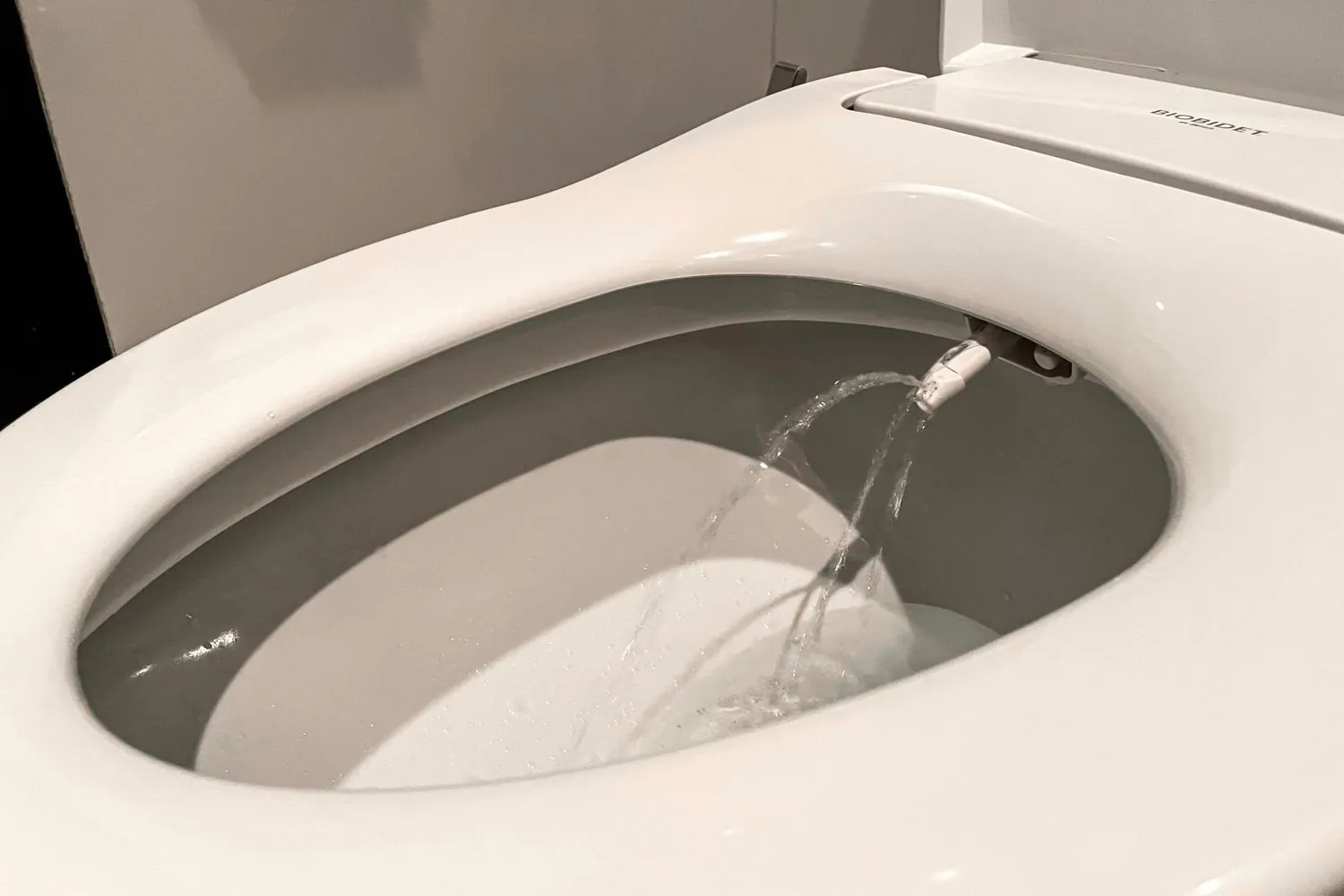
Warm water attachments connect to both your cold water supply and your bathroom sink’s hot water line. By mixing the two sources, these units provide a more comfortable experience, especially during winter months. They’re slightly bulkier than cold-water versions because they include a mixing valve and an extra hose that must reach your sink.
- Offers adjustable temperature control for a customized wash experience.
- Reduces the shock of cold water on sensitive areas of the body.
- Provides a more luxurious feel than basic mechanical sprayers.
- Requires more space behind the toilet for the additional plumbing.
If your sink is more than 5 feet away from your toilet, you’ll need extra-long flexible hoses to complete the connection. Keep in mind that the water must travel through the pipes from your water heater, so it might take a few seconds of spraying before the water reaches your desired temperature.
According to the Environmental Protection Agency, using high-efficiency fixtures helps manage home water consumption effectively, and bidet attachments contribute to this by reducing the need for excessive toilet paper.
Slim-Profile Attachments
Slim-profile attachments are designed for people who have modern or ergonomic toilet seats that don’t sit flat on the bowl. Because traditional bidet attachments are often thick, they can cause the back of a modern seat to lift, creating a gap that makes the seat feel unstable. These slim models are usually less than 1/4 inch thick.
To check if you need this profile, place a straight-edge ruler across the back of your bowl. If the gap between the bowl and your seat’s existing bumpers is less than 3/8 of an inch, a slim-profile unit is mandatory.
These models maintain the same water pressure as standard, thicker units by using reinforced internal valves. While traditional units often rely on bulky mechanical levers, slim versions utilize low-profile dials that tuck neatly under the bowl’s rim. This design prevents the hardware from protruding into your leg space.
If your toilet seat has rubber bumpers on the underside, ensure the attachment plate doesn’t overlap them. If the seat still feels uneven after installation, don’t force the bolts tighter, as this will snap the mounting bracket. Instead, purchase a set of aftermarket adhesive seat bumpers. Apply these to the front and middle sections of the seat to match the height of the attachment at the rear.
When choosing between models, look for a “universal fit” mounting plate with slotted holes. This allows you to slide the attachment forward or backward by up to two inches. If your bowl has a very narrow mounting area, this adjustability is the only way to ensure the water nozzles align correctly with your anatomy. Without this flexibility, you’ll be forced to sit too far forward on the seat to reach the spray, which defeats the purpose of an ergonomic upgrade.
Other Common Bidet Options
Handheld sprayers resemble kitchen sink sprayers and attach directly to the side of your toilet. They provide total control over water aim, making them ideal for targeted cleaning. However, they require constant manual operation. You must remember to turn off the T-valve after every use. If you leave the pressure on, the hose can burst under constant strain, leading to significant bathroom flooding.
Portable bidets are battery-operated bottles or compact sprayers designed for travel. They’re essential for maintaining your hygiene routine while away from home. When choosing a model, prioritize one with a collapsible reservoir to save space in your luggage. If you find yourself frequently traveling to regions with unreliable plumbing, these provide a reliable, self-contained solution.
Integrated bidet seats replace your existing toilet seat with an electronic unit. These systems offer luxury features like heated water, seat warming, and adjustable air drying. While they represent the most expensive option, they’re the most effective for users with limited mobility.
Before purchasing an integrated seat, measure the distance from your toilet’s mounting bolts to the front of the bowl. Standard seats require at least 18 inches of clearance. If your toilet has a non-standard shape or a French curve, an integrated unit won’t sit flush, causing the plastic to crack over time.
If you live in an older home, check for a nearby GFCI outlet. Electronic seats require a constant power source to function. If you lack a dedicated outlet within three feet of the toilet, you’ll face an additional professional electrical installation cost. For those who prioritize comfort over cost, the integrated seat is the superior choice, provided your bathroom layout supports the necessary hardware.
Choosing the right model
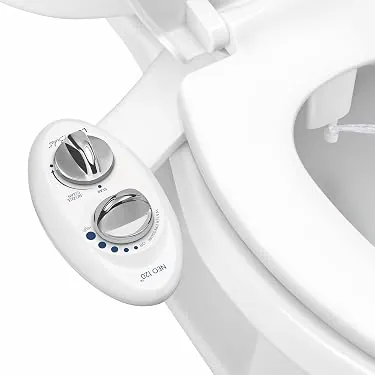
Your choice depends primarily on your bathroom layout and your local water temperature. If your toilet is located far from your sink, a warm water attachment is often impractical, so you should choose a high-quality cold-water or dual-nozzle model instead.
Measure the distance between your toilet supply valve and the nearest hot water source under your sink. If that span exceeds six feet, the water in the line will cool completely before it reaches the nozzle, rendering the warm feature useless. In these cases, a cold-water model saves you the cost of extra tubing and prevents clutter.
If you prioritize a clean look and a stable seat, look specifically for a slim-profile attachment that won’t disrupt the fit of your current toilet seat. Thick mounting brackets often create a gap at the back of the seat, which causes the plastic to flex and eventually crack under weight. If your seat already feels loose, choose a model with a reinforced steel mounting plate to distribute pressure evenly.
If you have a very small bathroom, avoid the bulky warm water models that require extra hoses, as these can easily become tangled or damaged. In most cases, you can combine a slim-profile base with a dual-nozzle system to get the best of both worlds.
Check your toilet’s bolt spread before buying. Most standard toilets use a 5.5-inch spacing, but some designer models vary by as much as an inch. If your measurements deviate from the standard, you must purchase a model with adjustable mounting slots.
Picking one doesn’t prevent you from upgrading to a full electronic seat later, but you’ll need to remove the mechanical attachment before installing an electric one. Always keep your original seat hardware in a labeled bag; you’ll likely need the original bolts and washers to ensure the new electronic seat sits flush against the porcelain bowl.
Related guides
Frequently asked questions
Can a bidet attachment leak water?
Leaks typically occur if the T-adapter isn’t tightened correctly or if the rubber washers are missing. Ensure the adapter is screwed on straight to avoid cross-threading the connectors. If dripping persists, turn off the water supply and ensure the internal washer is seated flat inside the nut.
Is it safe to use a bidet attachment?
These devices are safe when installed according to the manufacturer’s instructions and used with reasonable water pressure. Start with the pressure dial at the lowest setting to gauge comfort before slowly increasing it. Consult your doctor before use if you have a medical condition that makes you sensitive to water pressure.
How long does a bidet attachment last?
Most mechanical bidet attachments last several years with regular use and proper care. The lifespan depends on the quality of internal valves and the hardness of your local water, which can cause mineral buildup. If the dial becomes difficult to turn, it’s a sign that internal components are wearing out.
What happens if the water is too cold?
Cold water can cause a sharp, sudden sensation that some users find uncomfortable. This is most noticeable in regions with cold ground temperatures or during the winter. If you’re sensitive to cold, you may need to replace your unit with a model that includes a warm water mixing valve.
Does it matter if my toilet is round or elongated?
Bowl shape matters because the mounting holes for the attachment must align with your existing toilet seat bolts. Most attachments feature adjustable brackets that slide to accommodate both round and elongated bowls. Check the manufacturer’s compatibility list if your toilet has a non-standard or “D-shaped” bowl to ensure a proper fit.
Can I install this without a plumber?
You can install almost all bidet attachments yourself using only a basic wrench. The process involves inserting the provided T-adapter between the water supply line and the fill valve. If you’re uncomfortable working with plumbing connections, contact a professional plumber to avoid the risk of water damage.
Conclusion
Start by measuring the space between your toilet seat bolts to ensure the attachment bracket will fit your specific toilet. Once you have confirmed the size, turn off the water supply valve behind your toilet and flush to clear the line before installing the T-adapter.