
The most effective way to manage water flow in your home is to install best faucet aerators that match your fixture’s thread size and desired flow rate. These small mesh devices attach to the end of your spout to mix air into the water stream, which reduces splashing while maintaining the feeling of high pressure. While they look similar, they differ primarily in their internal flow restrictors, which determine how many gallons of water pass through the faucet every minute.
Comparing common aerator types
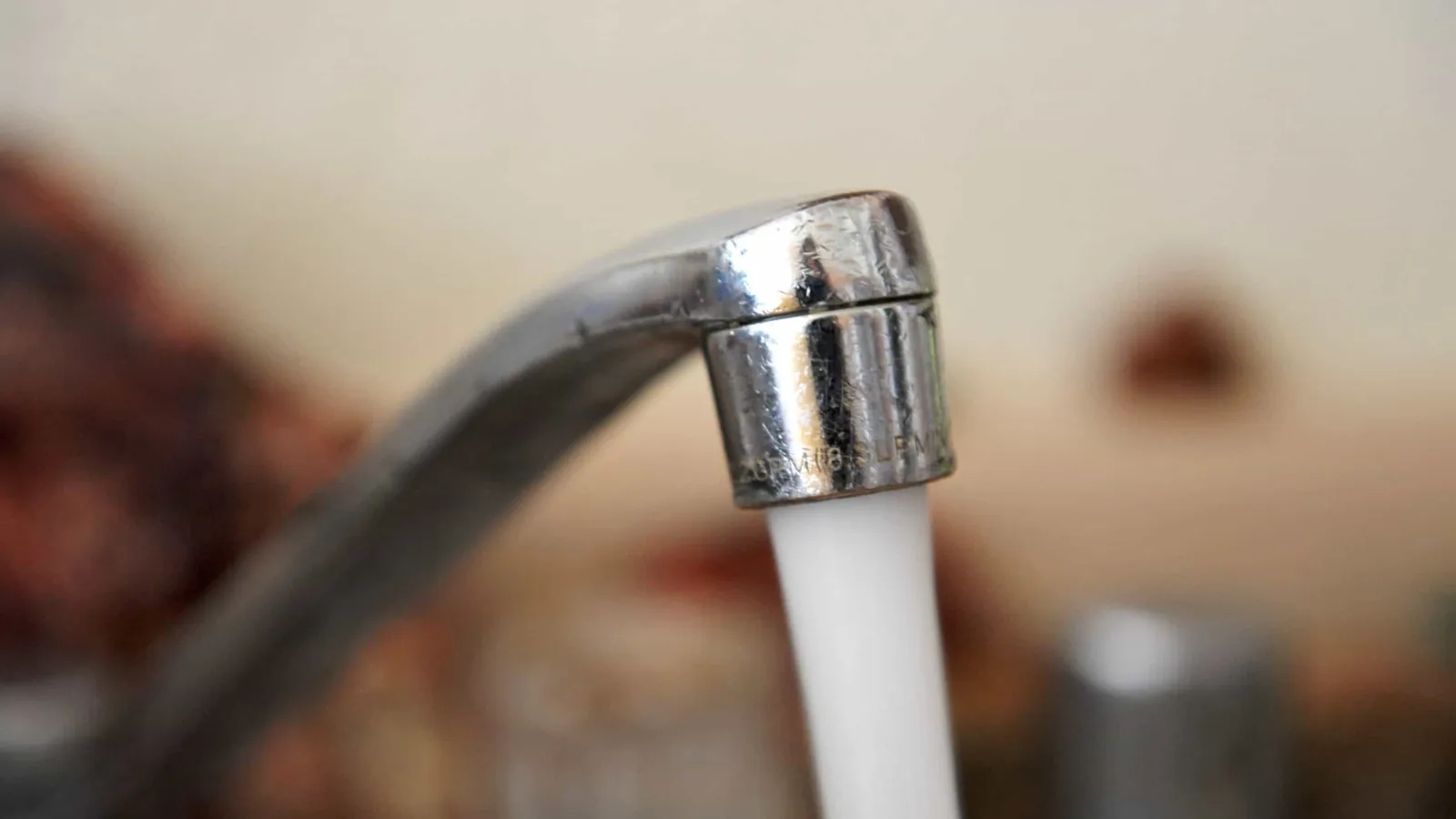
You can identify the right aerator by checking the thread size on your current faucet head. Use the table below to compare the main types found in modern kitchens and bathrooms.
| Aerator Type | Best For | Typical Example |
|---|---|---|
| Standard Mesh | General splashing control | Chrome kitchen spout |
| Pressure Compensating | Consistent flow output | High-rise apartment sink |
| Dual-Threaded | Universal fit requirements | Replacement kits |
| Aerated Stream | Softening water feel | Bathroom vanity faucet |
| Laminar Flow | Reducing bacterial growth | Hospital or clinic sink |
Most homeowners mistakenly assume all aerators are interchangeable, but mixing a male-threaded unit into a female-threaded spout will strip the brass housing. Before buying, unscrew the existing aerator and count the threads per inch. A standard kitchen faucet usually measures 15/16 inches, while bathroom units often require a 55/64-inch diameter. If your faucet lacks visible threads, you likely need a cache-style aerator that requires a specific plastic key to remove.
Choose a pressure-compensating model if your home experiences fluctuating water pressure. These units use an internal O-ring that expands or contracts to maintain a steady 1.5 gallons per minute regardless of line pressure. You’ll know this is necessary if your current faucet sprays violently when other fixtures are in use.
If you prefer the soft feel of air-mixed water, commit to a regular cleaning schedule, soaking the mesh in white vinegar as needed to prevent mineral buildup; the frequency depends on your usage, and you should consult your owner’s manual for specific maintenance guidance.
Standard mesh aerators
Standard mesh aerators serve as the basic entry point for flow control by using simple stainless steel screens to break up the water stream. These units suit homeowners who want to eliminate annoying splashing at the sink without complex internal mechanisms.
They break the water flow into many tiny streams, which makes the water feel softer against your skin. The mesh screens trap small pieces of sediment and debris, keeping them from clogging your faucet’s internal valve. They’re inexpensive and easy to replace when the screens eventually become blocked by mineral buildup.
If you have hard water, check the mesh for white mineral crust every six months. If you see buildup, soak the part in white vinegar for one hour to dissolve the deposits. A standard 2.2 gallons per minute (GPM) aerator works well for a deep kitchen sink where you need to fill large pots quickly.
Distinguish your water quality before choosing a mesh density. If your home uses a well system, opt for a coarser mesh to prevent frequent clogging from sand or silt. A fine mesh in a well-water environment will restrict flow to a trickle within weeks.
Avoid the common mistake of over-tightening these units during installation. Using pliers often cracks the plastic housing or strips the delicate threads of the faucet spout. Hand-tighten until the seal seats firmly against the washer, then stop. If the connection leaks, replace the rubber O-ring rather than applying more force.
If you notice the flow pattern becoming uneven or spraying sideways, the internal screen is likely misaligned or damaged. Replace the entire insert immediately. A distorted stream indicates the internal pressure is uneven, which will eventually cause the faucet’s cartridge to wear out prematurely. Always keep a spare aerator in your junk drawer; the cost is negligible compared to the frustration of a clogged fixture on a weekend.
Pressure compensating aerators
Pressure compensating aerators maintain a steady flow rate even when the water pressure in your pipes fluctuates throughout the day. They’re essential for residents in multi-story buildings or homes where municipal supply pressure spikes during off-peak hours.
These devices rely on a flexible internal O-ring or silicone diaphragm that physically deforms under pressure. When incoming water force increases, the ring compresses to narrow the aperture, automatically restricting the flow. As pressure drops, the material relaxes to widen the opening. This mechanical feedback loop ensures that you receive a consistent volume of water regardless of whether your home’s baseline pressure is 30 PSI or 80 PSI.
Most homeowners make the mistake of assuming a faucet’s performance issues are caused by a clogged screen when the real culprit is fluctuating supply pressure. If your faucet splashes violently when you first turn it on but settles into a weak stream, you’re experiencing pressure instability. Replacing the existing aerator with a 1.5 GPM pressure-compensating model will stabilize this output.
You can determine if your system requires this upgrade by checking your home’s static water pressure with a simple screw-on gauge. If your reading exceeds 60 PSI, you’re likely losing significant water volume and paying for excess usage during high-pressure cycles. In these cases, a compensating aerator acts as a passive regulator, capping your consumption at the manufacturer’s rated flow.
However, if your static pressure sits below 35 PSI, avoid these devices entirely. The internal spring or rubber diaphragm requires a minimum force to function correctly; if the pressure is too low, the aerator will starve the faucet, resulting in a trickle that makes rinsing impossible.
These aerators also protect your plumbing infrastructure. By preventing the faucet from exceeding its rated capacity during nocturnal pressure surges, you reduce the mechanical stress on your supply lines and shut-off valves. This simple swap is often the most cost-effective way to lower utility bills without sacrificing the functional utility of your sink. Always verify the thread count—typically 15/16-inch for standard faucets—before purchasing a replacement to ensure a watertight seal.
Dual-threaded aerators
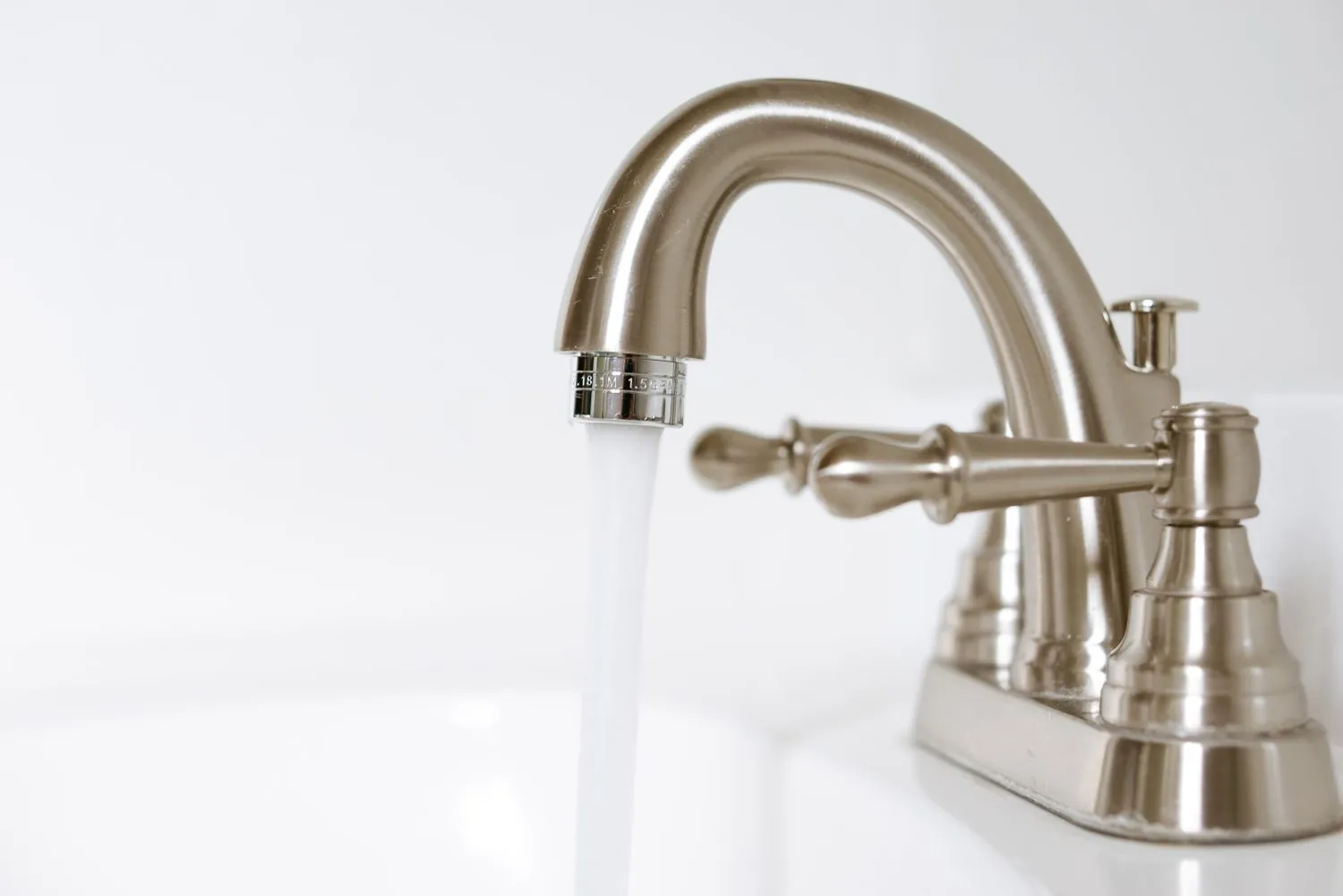
Dual-threaded aerators feature both internal and external threads, allowing them to fit almost any standard faucet spout on the market. They suit anyone who is unsure about the specific size of their faucet and wants a guaranteed fit without measuring.
- They include an adapter that lets you screw the unit into female-threaded faucets or onto male-threaded spouts.
- The design reduces the need to carry multiple spare parts for different rooms in your house.
- They typically come with a rubber gasket that prevents leaks at the connection point between the aerator and the spout.
If you’re replacing an old unit, remove the existing one using a pair of pliers wrapped in a cloth to prevent scratching the finish. Always ensure the new unit is hand-tightened to avoid stripping the delicate threads. For example, a universal dual-threaded aerator is ideal for a guest bathroom where you might have a mix of older and newer fixtures.
Laminar flow aerators
Laminar flow aerators produce a clear, non-aerated stream of water that doesn’t mix air into the flow. They suit environments where hygiene is the primary concern, such as bathrooms or medical offices, because they prevent air-borne bacteria from entering the water stream.
- They provide a solid, crystal-clear stream that looks cleaner than the bubbly output of a standard aerator.
- The design creates less splashing than a traditional aerator because it doesn’t introduce air bubbles into the water.
- They’re specifically engineered to discourage the growth of biofilm and bacteria within the device itself.
If you find that your current aerator is collecting mold or black slime, switching to a laminar model is a smart choice. These units require slightly more maintenance because the lack of air bubbles can make them more prone to clogging if your pipes have heavy sediment. A 1.0 GPM laminar flow aerator provides enough water for handwashing while keeping the area around the sink completely dry.
Other aerator variations
Swivel aerators use a ball-joint neck to rotate 360 degrees. They’re essential for deep, wide basins where the fixed stream can’t reach the corners. If you struggle to rinse food debris or soap suds into the drain, this range of motion solves the problem instantly.
Spray aerators toggle between a concentrated stream and a wide, forceful spray. These are ideal for high-volume kitchen tasks like washing produce or clearing stubborn grease from cookware. If you frequently handle large pots or messy ingredients, the spray function provides the necessary coverage to clean the entire sink basin efficiently.
Hidden aerators sit recessed inside the faucet spout for a seamless, minimalist aesthetic. Because they lack external threads, you must use a proprietary plastic key to unscrew them for maintenance. If you lose this specific tool, you’ll likely damage the faucet finish trying to remove the aerator with pliers. Always tape the key to the underside of your cabinet or keep it in a labeled kitchen drawer to avoid this frustration.
Distinguish between these types based on your primary sink activity. If your sink is primarily for handwashing, a standard fixed aerator is sufficient. If you use your kitchen sink as a workstation, prioritize the swivel or spray models.
Check for compatibility before purchasing any variation. Most standard aerators use a dual-thread design, but hidden aerators vary by manufacturer and spout diameter. Measure the internal diameter of your faucet opening before ordering a replacement. Forcing a mismatched thread will strip the soft brass housing, turning an inexpensive maintenance task into a full fixture replacement.
Choosing the best faucet aerators
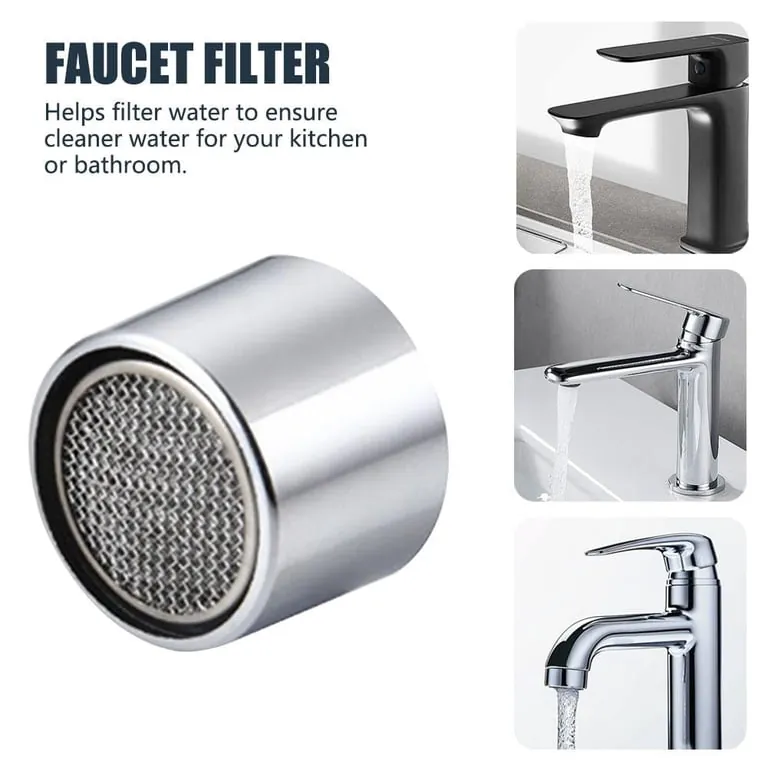
You can decide which aerator is right for you by looking at your current faucet’s thread orientation and your local water pressure. If your faucet has threads on the outside of the spout, you need a female-threaded aerator; if the threads are inside the spout, you need a male-threaded one.
Check your faucet’s diameter with a simple quarter. A standard aerator fits a faucet roughly the size of a quarter, while a junior size fits a faucet closer to the size of a nickel. If you buy the wrong size, you’ll face a persistent drip that wastes gallons of water daily.
If you have high water pressure and want to save money, pick a pressure-compensating model with a lower GPM rating. These maintain a steady flow regardless of spikes in your home’s plumbing. If your pipes rattle or hum when you turn on the tap, avoid high-flow models, as they will only exacerbate the vibration.
If you value a clean, splash-free vanity area, choose a laminar flow model. These produce a clear, solid stream of water without the air bubbles that cause spray. They’re essential for deep sinks where splashing creates a mess on your countertops.
If you’re renovating a kitchen and need to reach all edges of a large basin, a swivel aerator is the correct choice. This allows you to direct the stream into corners for easier cleaning.
Most of these options can be combined with a flow restrictor, but picking one specialized model is usually better than stacking multiple adapters. Stacking parts creates extra stress on the faucet threads, which often leads to leaks or stripped connections. If you notice a sudden drop in pressure after an installation, remove the aerator and check for sediment buildup, which is common in older homes with galvanized pipes.
Related guides
Frequently asked questions
How long do faucet aerators last?
Most aerators last between 2 and 5 years, depending on your local water mineral content. Hard water causes calcium buildup on mesh screens, which restricts flow. If a vinegar soak fails to clear significant blockages, you should replace the part.
Is it safe to use an aerator in every sink?
You can use an aerator on almost any sink, though you should avoid them on faucets used to fill sensitive equipment. Some specialized appliances require unrestricted flow to function. Ensure your chosen flow rate meets the specific needs of your sink’s primary tasks.
What happens if I choose an aerator with the wrong flow rate?
Choosing an aerator with an incorrect flow rate will result in a weak stream or cause splashing. Always check the GPM rating stamped on your old aerator before buying a replacement. This ensures you maintain a comfortable and functional water stream for your sink.
Why does my faucet splash everywhere?
Your faucet is likely splashing because the internal mesh screens are missing or blocked by debris. Replacing the aerator with a new mesh or laminar model will fix this issue. Ensure the unit is tightened correctly to prevent leaks from the connection.
How do I measure my faucet thread size?
You can measure your faucet thread size by using a simple ruler to check the diameter of the spout opening in millimeters. A standard female-threaded faucet is usually 15/16-inch or 24mm, while a male-threaded faucet is often 55/64-inch or 22mm. If you aren’t confident in your measurements, buy a dual-threaded aerator kit, as these come with multiple adapters that cover almost all standard sizes found in residential homes.
Does it matter if I use a 1.0 GPM or 2.2 GPM aerator?
The GPM rating determines your faucet’s water consumption and how quickly it fills the basin. A 1.0 GPM aerator is ideal for bathroom sinks, while a 2.2 GPM model is better for kitchens. Using the wrong rating can significantly impact your daily tasks.
Can I clean a clogged aerator?
You can clean a clogged aerator by soaking the internal parts in white vinegar. Use a toothbrush to scrub away loosened mineral deposits from the mesh screens before rinsing. If the mesh or gasket is damaged, replace the unit to maintain proper flow.
Conclusion
Start by unscrewing your current aerator using a cloth-covered wrench to protect the finish. If the new aerator doesn’t fit, check the thread size again or use an adapter if one was provided in your kit. You’ll know the installation is successful when the water flows in a steady, controlled stream without leaking from the connection point.