
Building a reliable collection of plumbing gear is a practical necessity for any homeowner who wants to manage minor repairs without constant service calls. Investing in the best plumbing tool kits can save you thousands of dollars over the lifetime of a home, with entry-level sets typically costing between $45 and $120, while professional-grade, comprehensive kits often range from $250 to $650. Whether you’re dealing with a simple leaky faucet or a more complex pipe joint issue, having the right equipment organized and ready makes the difference between a quick fix and a messy disaster.
Key Takeaways
- Prioritize quality steel construction for wrenches and pliers to prevent stripped hardware.
- Always keep a dedicated bucket or heavy-duty bag for your tools to avoid cross-contamination with household supplies.
- Start with a basic kit and add specialized tools like snakes or basin wrenches only as your specific plumbing needs evolve.
- Ensure your kit contains at least two types of pipe wrenches to allow for counter-holding during torque application.
- Regularly inspect your tools for rust or mechanical play to ensure safety during high-pressure tasks.
What is in a basic kit?
A foundational plumbing kit should prioritize versatility. You don’t need a specialized tool for every possible pipe diameter immediately, but you do need tools that can adjust to common residential sizes. Most kits intended for beginners focus on gripping, cutting, and sealing.
Essential hand tools
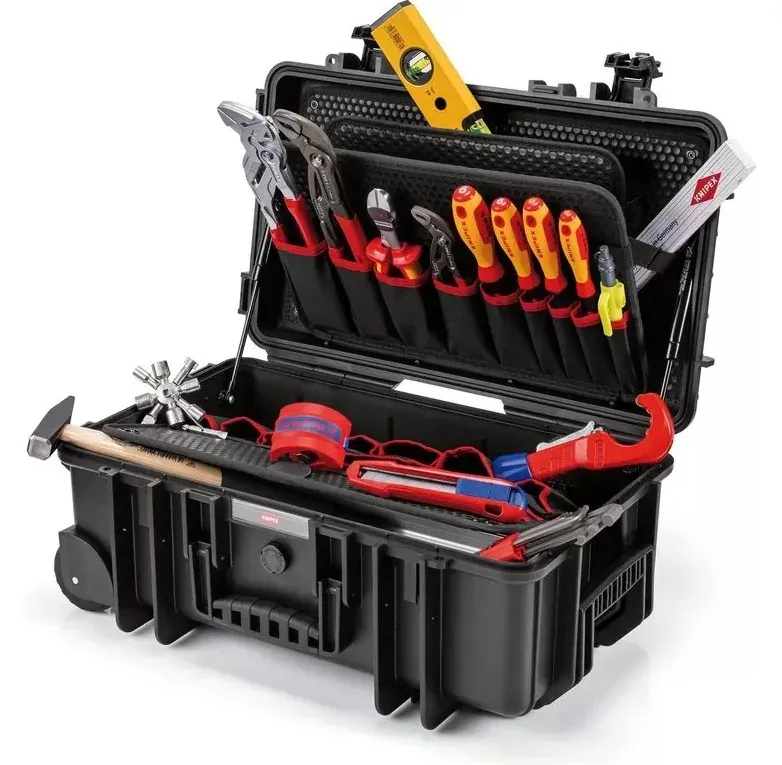
- Adjustable wrenches: Look for a set that includes 8-inch and 12-inch sizes.
- Tongue-and-groove pliers: These are essential for grabbing pipes and nuts of various diameters.
- Pipe wrenches: A 10-inch and a 14-inch wrench are standard for most under-sink work.
- Basin wrench: This specialized tool is vital for reaching the mounting nuts behind deep sinks.
- Plumber’s tape: Keep multiple rolls of PTFE tape in your kit for sealing threaded connections.
How to choose your kit
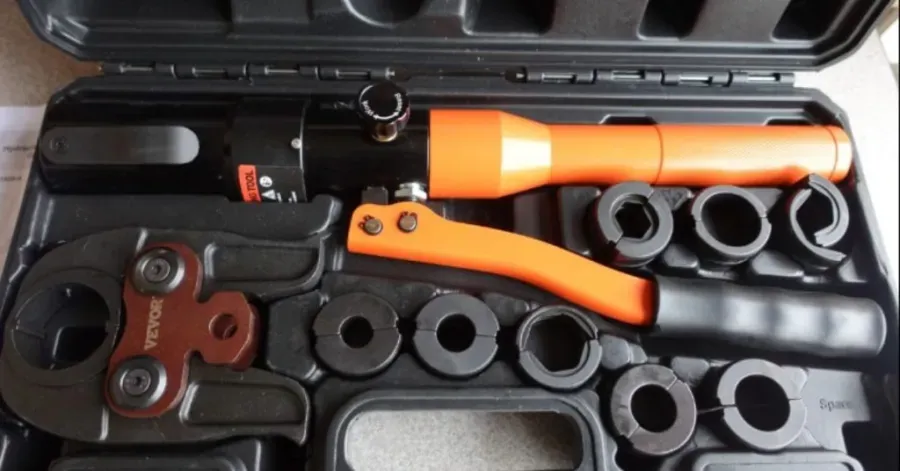
Selecting the right kit depends heavily on the age and material of your home’s plumbing. Older homes with galvanized steel pipes require heavier-duty, longer-handled wrenches, while modern homes with PEX or PVC may require specialized cutters and crimping tools. Always check the material compatibility of the tools included in a kit before purchasing.
| Tool Type | Purpose | Frequency of Use |
|---|---|---|
| Adjustable Wrench | General fastening | High |
| Basin Wrench | Sink faucet nuts | Low |
| Pipe Cutter | Cutting copper/PEX | Medium |
| Plumber’s Tape | Thread sealing | High |
| Force Cup Plunger | Drain clearing | High |
Essential maintenance for your tools
Plumbing tools are frequently exposed to moisture, which is the primary enemy of carbon steel. To extend the life of your investment, wipe down every tool with a light machine oil after use. This creates a barrier against oxidation. Furthermore, keep your tools in a moisture-resistant container to prevent rust buildup in damp areas like under-sink cabinets.
Warning: Never use a pipe wrench to tighten or loosen nuts on a chrome-plated finish, as the serrated teeth will permanently mar the surface.
Why use specific plumbing tools?
Many homeowners attempt to use standard household pliers for plumbing jobs. This is a common mistake that leads to rounded-off nuts and damaged pipe fittings. Plumbing-specific tools are designed with long handles for increased leverage and specialized jaws that provide a non-slip grip on cylindrical surfaces. Using the correct tools reduces the risk of accidental pipe bursts caused by excessive, uneven force.
Where to buy reliable equipment
When shopping for tools, you have three primary categories of retailers. Big-box hardware stores provide the convenience of seeing the tools in person, while online marketplaces offer a broader range of professional brands. Specialty plumbing supply houses, while sometimes intimidating to non-professionals, offer the highest quality components that are built to withstand daily use.
Recommended purchasing channels
- Local hardware centers for immediate emergency needs.
- Direct manufacturer websites for specialized professional-grade components.
- Industrial supply warehouses for bulk purchases or heavy-duty professional kits.
Understanding pipe materials
The plumbing industry uses a variety of materials, each requiring different handling techniques. Copper pipes are joined by sweating or compression fittings, while PVC is typically joined using chemical solvent welding. PEX tubing, which is increasingly common in residential construction, uses crimping or expansion tools. The Environmental Protection Agency provides guidelines on the safety and maintenance of household plumbing systems to ensure water quality remains consistent during repairs.
How much do these tools cost?
As mentioned, the entry price for a basic kit is relatively low. However, you should be wary of extremely cheap kits that feature soft metal components. These often fail after a single heavy-duty use. Mid-range kits offer the best value for the average homeowner, balancing durability with a reasonable price point.
| Kit Tier | Typical Cost Range | Primary Audience |
|---|---|---|
| Entry-Level | $45 – $120 | Occasional DIYers |
| Mid-Range | $130 – $280 | Regular homeowners |
| Professional | $300 – $650 | Experienced repairers |
Troubleshooting common plumbing issues
Before you begin any repair, ensure the water supply is shut off at the local valve. If the valve is seized, you may need a penetrating oil to loosen it. Always verify the leak source before disassembling any joints. A common issue is the failure of a washer or O-ring, which can often be replaced for a few cents rather than replacing the entire fixture.
Pro Tip: Always place a towel or a shallow pan under the pipe you’re working on to catch residual water that inevitably leaks once a connection is opened.
Organizing your plumbing workspace
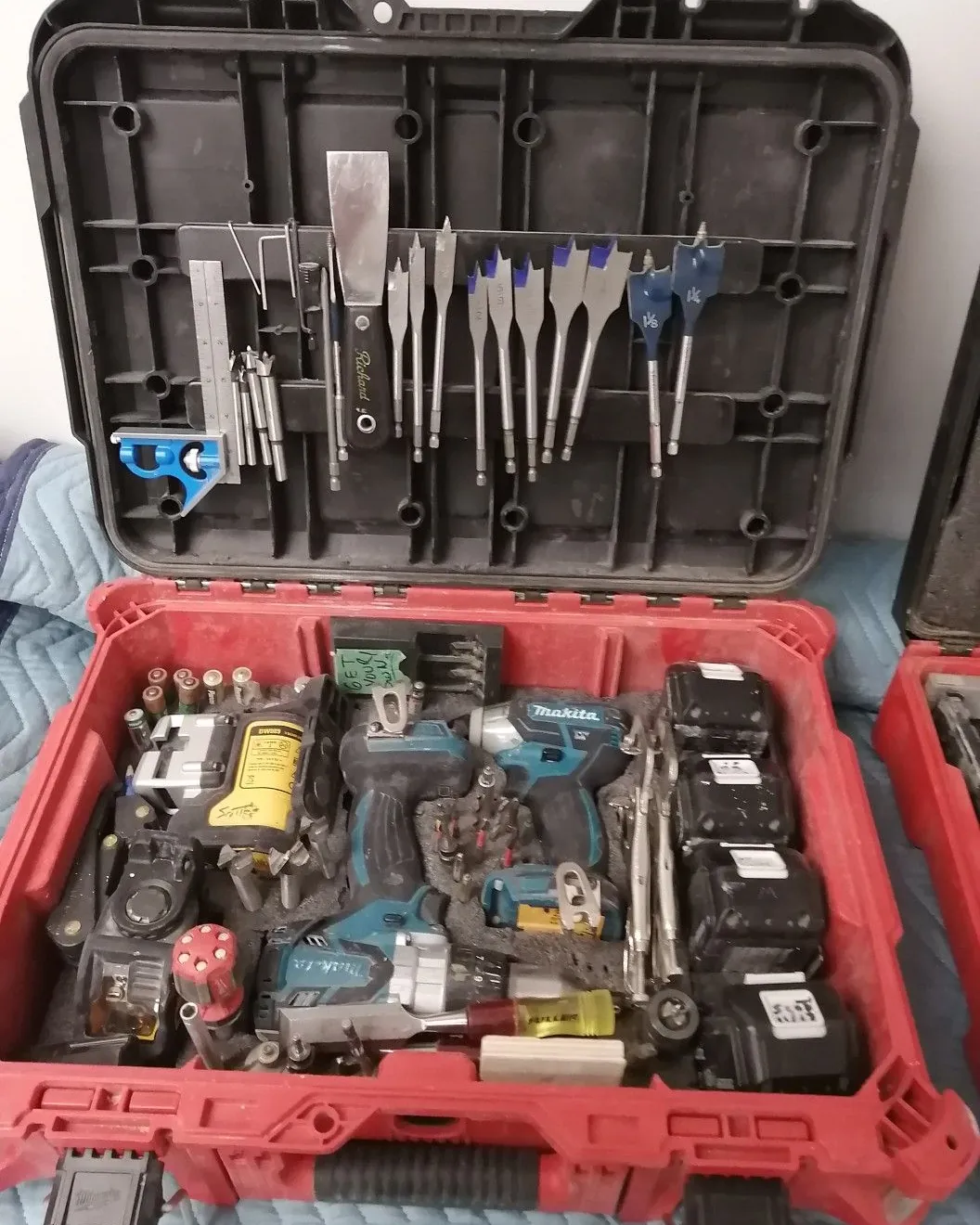
A disorganized tool kit is a major source of frustration during an active leak. Use a modular organizer or a tool bag with internal pockets to keep your wrenches separated from your sealing materials. This prevents the abrasive jaws of your wrenches from puncturing your tape rolls or damaging delicate plastic components.
Safety gear for plumbing work
Plumbing work often involves cramped, dark spaces and exposure to wastewater. Always wear safety glasses to protect your eyes from debris and chemical splashes when working under drains. Thick, waterproof gloves are also essential to protect your skin from sharp metal edges and potential bacteria.
Related guides
Frequently Asked Questions
Do I need a professional-grade kit?
Unless you’re planning to perform major renovations or work on plumbing pipes daily, a professional-grade kit is likely overkill. Mid-range kits provide sufficient durability for common household repairs like fixing toilets, clearing sink clogs, and replacing faucet cartridges. Professional kits are heavier and more expensive, which can make them cumbersome for infrequent DIY tasks.
Can I use a regular wrench on pipes?
Using a standard adjustable wrench on pipes is generally discouraged because the jaws are flat. Pipe wrenches have serrated, adjustable jaws designed to bite into the pipe surface for a secure grip. Using a flat-jaw wrench can slip easily, potentially causing injury or damaging the pipe fitting, which could turn a small repair into a significant plumbing failure.
How often should I replace tools?
High-quality plumbing tools can last for decades if properly maintained. You should only replace them if the jaws become worn, the adjustment mechanism becomes stuck, or the handles show signs of stress or cracking. If you notice your tools are slipping frequently, it’s a sign that the teeth are dulled and the tool should be replaced for safety reasons.
What is the most important plumbing tool?
While every tool has its purpose, a pair of high-quality tongue-and-groove pliers is arguably the most versatile tool in any kit. They can adjust to handle a wide range of nut sizes and pipe diameters, making them the go-to tool for most under-sink jobs. If you only buy one tool, make sure it’s a high-quality, slip-resistant set of pliers.
How do I stop a leak while working?
The first step is always to locate the shut-off valve for the specific fixture you’re working on. If no local valve exists, you must find the main water shut-off for the house. Once the water is off, open a faucet at a lower level in the house to drain the remaining pressure from the lines, which minimizes water spillage during disassembly.
Conclusion
Start by assessing your current inventory and identifying the gaps that prevent you from completing a standard sink repair. Once you have a reliable set of tongue-and-groove pliers and a sturdy adjustable wrench, add specialized items like a basin wrench or a pipe cutter only when a specific project demands them. Proper tool care will ensure your kit remains ready for any emergency.