
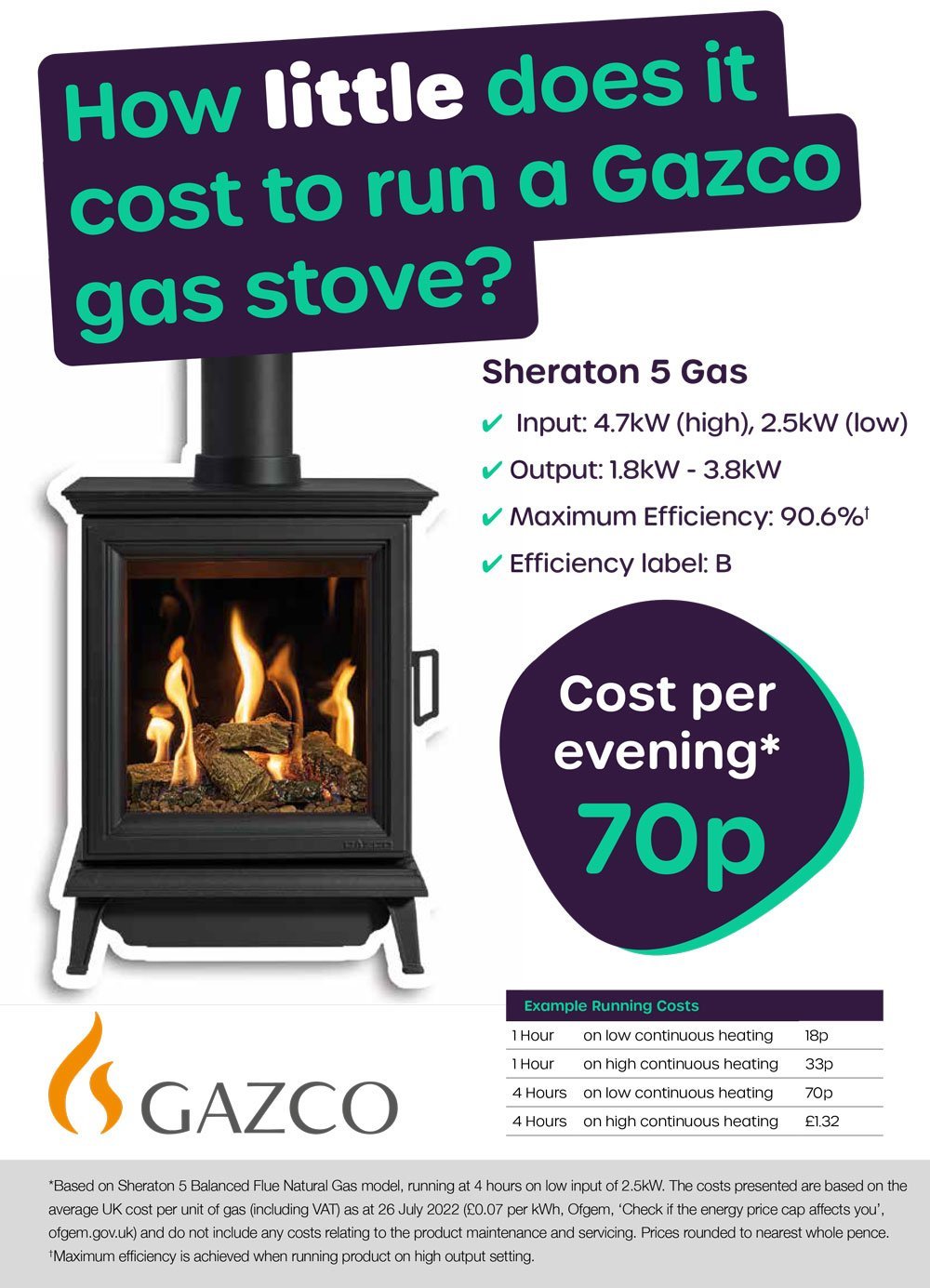
An electric stove typically costs between $0.15 and $0.35 per hour to run, depending on your local electricity rate and the power setting used. A gas stove, meanwhile, usually costs between $0.05 and $0.15 per hour based on current average natural gas prices.
These figures change based on your specific appliance wattage, your utility provider’s current rate per kilowatt-hour or therm, and how often you use high-heat settings. The following sections explain how to calculate your exact costs and manage your energy usage.
Calculating your stove running costs
Different households see different bills because stoves vary in power and efficiency. If you have a high-end induction cooktop, you’ll likely spend less than someone with an older, standard electric coil range because induction transfers heat more directly to the cookware.
To determine how much a stove costs to run in your specific home, you need two numbers: the power rating of your appliance and the cost of energy in your area.
If you have a gas stove, you’ll measure consumption in therms or cubic feet. If you have an electric stove, you’ll measure in kilowatts. If your stove is over twenty years old, it likely lacks the energy-saving features found in modern units, meaning you’ll pay more to reach the same cooking temperatures. This page serves homeowners trying to budget for monthly utility spikes; if you’re a commercial kitchen manager, you should look for professional-grade energy auditing services instead.
Factors that influence your monthly bill
Several variables determine your final cost, and people often mistake their average usage for their peak usage. The most significant factor is the temperature setting; running a burner on “high” uses significantly more power than a “simmer” setting.
Burner size and intensity
Larger burners use more energy because they have more heating elements. If you use a large burner for a small pot, you’re wasting energy. Always match the pot size to the burner size to keep costs down.
Frequency of oven use
Ovens are the most expensive part of a stove to run. Preheating an oven to 400 degrees Fahrenheit takes more energy than boiling water on a stovetop. If you cook multiple items at once, you save significant energy compared to running the oven three separate times.
Fuel type
Electricity is generally more expensive per unit of heat than natural gas in many parts of the country. However, induction stoves are highly efficient, often offsetting the higher cost of electricity by heating food much faster than gas or traditional electric coils.
Appliance age and maintenance
Old stoves with damaged seals on the oven door lose heat constantly. This forces the heating element to cycle on and off more frequently to maintain temperature. A clean burner reflects heat better, which reduces the time needed to cook your food.
Using your range efficiently
- Check your stove’s wattage rating on the manufacturer label.
- Identify your current electricity rate in dollars per kilowatt-hour from your latest bill.
- Multiply the kilowatt usage by the hours of active cooking time.
- Use lids on all pots to trap heat and reduce boiling time by up to thirty percent.
- Turn off electric burners two minutes before the food is finished to use the residual heat.
- Clean the drip pans under the burners to ensure heat reflects upward instead of being absorbed by residue.
- Inspect your oven door gasket for gaps that allow heat to escape.
- Use a microwave or air fryer for small meals instead of the full-sized oven.
The most important judgment call is choosing the right tool for the job. Using a large oven to toast a single slice of bread is a waste of energy, while using a stovetop burner for a long-simmering stew is often more efficient than an oven.
Comparison of cooking methods
This table shows the relative cost and efficiency for common cooking scenarios. Costs are estimates based on standard residential utility rates.
| Method | Relative Cost | Efficiency | Watch For |
|---|---|---|---|
| Induction | Low | High | Magnetic cookware |
| Gas Range | Medium | Medium | Flame ventilation |
| Electric Coil | High | Low | Residual heat |
| Convection Oven | Medium | High | Airflow blockage |
| Microwave | Lowest | Highest | Small portions |
Induction cooking functions by creating a magnetic field that heats the vessel directly. This approach delivers 90% of energy to the food, compared to roughly 40% for gas. If your pan doesn’t hold a magnet firmly, the system won’t engage.
Gas ranges offer immediate visual feedback, which is vital for searing or delicate reductions. However, they lose significant heat to the air surrounding the pot. Always ensure your range hood is active to clear combustion byproducts like nitrogen dioxide.
Electric coils remain the most expensive to operate due to heat loss during the long cooling phase. If you’re boiling water, these coils cost nearly double the price of an induction burner.
Convection ovens use a fan to circulate heat, reducing cook times by 20% at lower temperatures. If you crowd the racks, you block the airflow and create cold spots. Use this method for roasting, but stick to conventional settings for delicate cakes that require a still environment.
Microwaves excel at reheating, but they struggle with uneven heating in dense foods. If you’re cooking a meal for more than two people, the efficiency gains vanish as batch cooking becomes necessary.
Improving your cooking performance
Heat management techniques
Experienced cooks understand that heat retention is the primary way to save money. By using heavy-bottomed pans, you create a stable heat source that maintains temperature even when you lower the burner setting. Beginners often leave the burner on high for the duration of the cook, which wastes electricity and frequently burns the food. If you notice your oil smoking, your heat is too high; turning it down immediately saves both the food and the energy used to maintain that high temperature.
Maintenance and cleaning
Keep your stovetop free of burnt-on food particles. These particles act as insulators, preventing heat from transferring efficiently into your pots. On electric stoves, ensure the coils are level. A tilted coil makes poor contact with the pan, forcing the stove to work harder to heat the contents. For gas stoves, ensure the burner ports aren’t clogged. If you see a yellow flame instead of a blue one, the burner isn’t burning fuel efficiently and needs professional cleaning or adjustment.
Issues and immediate fixes
| What you notice | What it means | What to do first | How to stop it |
|---|---|---|---|
| Yellow gas flame | Incomplete combustion | Clean burner ports | Regular maintenance |
| Long boil time | Poor heat contact | Level the coils | Use flat pans |
| Oven heat loss | Bad door seal | Check gasket | Replace seal |
| High monthly bill | High usage | Use smaller pots | Switch to lids |
| Uneven cooking | Hot spots | Rotate pans | Pre-heat properly |
A yellow flame indicates your burner isn’t mixing air and gas correctly. If the flame remains yellow after cleaning the ports, check the air shutter setting. A shutter closed too far chokes the flame, leading to carbon monoxide buildup. If the flame is orange, you likely have dust or debris in the venturi tube.
Boil times exceeding fifteen minutes for a standard pot suggest your coils are warped. Place a carpenter’s level across the burner to confirm. If the bubble drifts off-center, adjust the mounting bracket underneath. Using a rounded-bottom pan on a flat coil wastes nearly 30% of your thermal energy.
Test your oven seal by closing the door on a single sheet of paper. If the paper slides out without resistance, the gasket is compromised.
If you notice uneven browning, verify your pre-heat time. Most sensors trigger the “ready” chime after only five minutes, but the walls require twenty minutes to reach thermal equilibrium. If the issue persists, the heating element may be sagging. A sagging element creates a localized hot spot that ruins delicate pastries. Always rotate your pans halfway through the bake to compensate for natural airflow variances.
Legal and safety standards
Safety standards for residential stoves are set by the American National Standards Institute (ANSI) and the Underwriters Laboratories (UL). These bodies define how much heat an appliance can safely emit and the required insulation for external surfaces.
If you’re installing a new stove, you must follow the manufacturer’s installation manual regarding clearance from walls and cabinetry to prevent fire risks. Ignoring these specific gaps is a common mistake that voids your home insurance policy in the event of a kitchen fire.
Don’t attempt to modify the gas lines or electrical circuits of your stove yourself. If you smell gas or see frayed wiring, stop using the appliance immediately and contact a licensed professional.
Local building codes often require a permit for gas line work, which you can verify through your city’s building department website. Use this simple decision rule: if the installation requires moving a fixed gas pipe or upgrading a circuit breaker, you must hire a licensed contractor. If you’re simply plugging in a range or connecting a flexible hose to an existing valve, you can usually proceed alone. However, always perform a soap-bubble test on all new gas connections. If bubbles form, the seal is leaking and you must tighten the fitting before turning the burner on.
Understanding the real costs
The cost of running your stove isn’t just the utility bill; it’s also the maintenance and the longevity of the appliance. A high-efficiency induction range might cost more upfront, but it uses less energy over its fifteen-year expected lifespan.
To calculate your specific cost, multiply your stove’s wattage by your local utility rate. If you don’t know your rate, look at the “price per kWh” line on your electric bill. Remember that gas prices fluctuate seasonally, so compare your bill across different months to see the true impact of your cooking habits.
Most users ignore the “phantom load” of digital displays and clock features. These can add up to $15 per year in wasted electricity. If your stove has a constant glowing display, you’re paying for that convenience every hour of the day.
If you find your costs are rising without a change in habits, check your appliances for signs of wear, such as failing door hinges or loose electrical connections.
Use this decision rule: if your annual repair cost exceeds 20% of the price of a new unit, replace it. If the repair is cheaper, fix it immediately. Ignoring a minor electrical fault often leads to a total control board failure, which costs three times more than a simple heating element replacement. Always prioritize the seal first, as heat loss is the silent killer of efficiency.
Keeping your stove running well
After the initial setup or repair, keep your stove running efficiently by cleaning it after every use. Food spills on the heating surface absorb energy that should be going into your food.
If you have an electric stove, check that the coils are firm and flat every month. A tilted coil creates uneven heat distribution, which forces your cookware to work harder and wastes electricity. If the coil wobbles, replace the drip pan or the heating element itself; these parts cost little but save significant power.
If you have a gas stove, check the igniters for any signs of debris. A clogged port prevents a clean spark, leading to incomplete combustion and yellow flames. If the stove fails to ignite consistently, the igniter may be failing and needs a technician’s inspection.
Keep your user manual in a kitchen drawer; it contains the specific maintenance schedule provided by the manufacturer. Follow the manufacturer’s cleaning agent recommendations, as harsh abrasives can strip the protective finish on glass-top models.
If you ever notice a persistent smell of gas or flickering electrical lights when the stove is on, stop using the unit immediately and call a certified technician. Don’t attempt to bypass these safety warnings. If you smell gas, turn off the main supply valve before you leave the kitchen. Acting quickly prevents expensive damage to the control board and keeps your home safe from fire hazards.
When to avoid this approach
If you’re dealing with gas leaks, electrical shorts, or a stove that doesn’t reach the target temperature, don’t try to fix these issues yourself. These problems require professional tools and training to ensure your home remains safe from fire or carbon monoxide. If your stove is more than twenty years old, it may be more cost-effective to replace it with a modern, energy-efficient model rather than paying for frequent repairs. If you’re unsure about the safety of your current range, contact your local utility provider; many offer free or low-cost safety inspections to help you identify potential hazards. Don’t ignore warning signs like clicking sounds, sparks, or the smell of burning plastic.
Can I run my stove on a lower setting to save money?
Yes, using a lower setting reduces the amount of electricity or gas consumed, provided you use a lid to maintain the temperature. Using a lid traps heat, allowing you to cook at a lower setting while achieving the same results as a higher setting without a lid.
How much does it cost to preheat an oven?
It costs about $0.05 to $0.15 to preheat an electric oven to 350 degrees, depending on your local electricity rates. Once the oven reaches the target temperature, it uses significantly less energy to maintain it, so cooking multiple items at once is the most cost-effective strategy.
Is induction cooking cheaper than gas?
Induction is often cheaper because it’s roughly eighty-five percent efficient at transferring heat, while gas is usually around forty percent efficient. Even if electricity costs more per unit than gas, the speed and efficiency of induction usually result in a lower overall cost per meal cooked.
Does the size of the pot affect the cost?
Yes, using a pot that’s smaller than the burner wastes energy because the heat escapes around the sides of the pan. Always match the diameter of your pot to the diameter of the burner to ensure the maximum amount of energy is transferred directly into the food.
How often should I clean my burners to save money?
You should clean your burners whenever you see carbon buildup or debris, as clean burners transfer heat more efficiently. A clean burner reflects heat upward into the pot, while a dirty or blocked burner requires more energy to reach the desired cooking temperature.
What is the most expensive part of a stove to run?
The oven is the most expensive part to run because it requires a large amount of energy to heat a large volume of air. Using smaller countertop appliances like a toaster oven or air fryer for small meals can reduce your energy costs significantly compared to using the main oven.
Start by checking your utility bill for your current rate and your stove’s wattage on the manufacturer’s label to get an accurate cost per hour. Monitor your usage for one week to see where you can save energy by using lids or smaller appliances. If you smell gas or see sparks, stop immediately and call a qualified repair professional to ensure your home remains safe.
Related guides