
Replacing a toilet is a straightforward home improvement task, but the integrity of your bathroom floor depends entirely on selecting the best toilet wax rings to create a watertight seal. A high-quality ring prevents sewer gases from entering your home and stops water from leaking beneath your floorboards, which can lead to structural rot and mold. Depending on the thickness of your flange and the floor finish, you can expect to spend between $3.00 and $15.00 for a reliable replacement ring. Whether you’re dealing with a standard floor-mounted toilet or a specialty installation, understanding the nuances of wax, urethane, and reinforced seals is essential for long-term plumbing health.
Key Takeaways
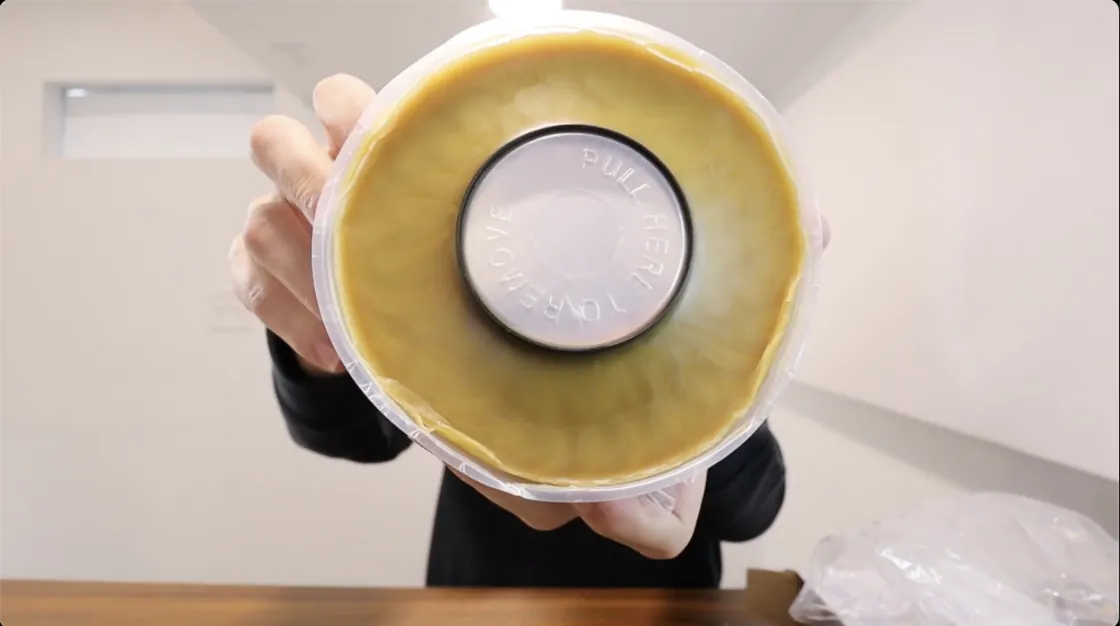
- Choose a standard wax ring for floors where the flange is flush with or slightly above the finished floor.
- Select an extra-thick wax ring if your flange sits below the floor level due to tile or flooring additions.
- Consider wax-free urethane gaskets if you’re a DIY beginner, as they allow for repositioning during installation.
- Ensure your flange is securely bolted to the subfloor before setting the toilet to prevent future movement and leaks.
- Always inspect the toilet flange for cracks or damage before applying a new seal, as a broken flange can’t hold a ring effectively.
Understanding Your Plumbing Seal Needs
Choosing the right seal isn’t just about the material; it’s about the geometry of your drainpipe and flange. The toilet flange is the circular piece of plastic or metal that anchors your toilet to the floor and connects it to the drainpipe. If your flange is recessed because you installed new tile or hardwood over the original floor, a standard ring will fail to bridge the gap.
Why Thickness Matters
The thickness of a wax ring is the most critical variable. A thin ring on a deep flange will result in a poor seal, while an excessively thick ring might prevent the toilet from sitting flat on the floor, causing it to rock. Rocking is dangerous because it puts stress on the porcelain, which can lead to cracks in the toilet base.
| Flange Position | Recommended Ring Type | Estimated Price Range |
|---|---|---|
| Flush with floor | Standard Wax Ring | $3.00 – $6.00 |
| 1/4 inch below floor | Extra-Thick Wax Ring | $5.00 – $9.00 |
| 1/2 inch or more below | Double-Thick / Stacked | $8.00 – $15.00 |
| Uneven / Sloped floor | Wax-Free Urethane Seal | $10.00 – $14.00 |
Top Brands for Reliable Seals
When shopping for hardware, you’ll encounter several reliable manufacturers that have dominated the plumbing market for decades. These brands provide consistent materials that resist drying out and cracking over time.
- Oatey: Known for their comprehensive range of standard and reinforced wax rings.
- Fernco: A leader in flexible, wax-free, and rubber-based plumbing seals.
- Fluidmaster: Offers high-end wax-free solutions that are user-friendly for beginners.
- Jones Stephens: Produces heavy-duty wax rings often used by professional contractors.
- Kohler: Provides proprietary seals designed specifically for their line of toilets.
Pro Tip: If you’re unsure about the depth of your flange, purchase an extra-thick wax ring with a plastic horn. The horn helps guide waste into the drain pipe and provides a more secure path for water, reducing the chance of leakage.
Are Wax-Free Seals Better?
Wax-free seals, often made of thermoplastic elastomer, have become increasingly popular because they’re less messy and more forgiving during the installation process. Unlike traditional wax, which is a one-shot deal—if you set the toilet down and it’s crooked, the wax is ruined—these synthetic gaskets can be removed and repositioned if necessary.
Benefits of Synthetic Gaskets
- They don’t degrade or harden as quickly as traditional beeswax.
- They provide a tighter seal on irregular or slightly uneven drain pipes.
- They eliminate the risk of oil-based stains on porous floor materials like marble or limestone.
How to Prepare the Flange
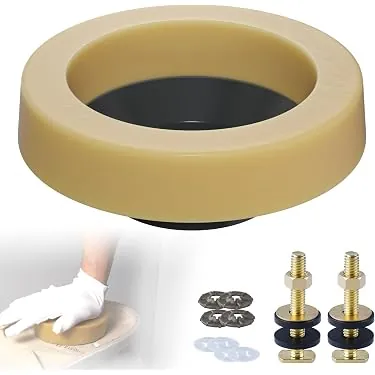
Before installing any seal, you must thoroughly clean the flange. Old wax must be removed with a plastic scraper to ensure the new ring adheres properly to the surface. If you leave remnants of the old ring, the new seal will have high points and low points, creating a path for water to escape.
Warning: Never use a metal scraper on a plastic flange, as you can easily gouge the material and create a permanent leak path that even the best wax ring can’t fix.
Step-by-Step Installation Process
Installing a toilet is a physical task that requires precision. Follow these steps to ensure your seal is compressed evenly.
- Prep the Area: Clean the flange and set your closet bolts in the designated slots.
- Apply the Ring: Place the wax ring onto the flange or the base of the toilet. Most professionals prefer placing it on the flange to ensure it’s centered.
- Set the Toilet: Carefully lower the toilet onto the bolts. Don’t rock the toilet back and forth, as this will deform the wax.
- Compress the Seal: Sit on the toilet (or use your body weight) to apply even downward pressure to compress the wax ring.
- Tighten Bolts: Tighten the nuts in an alternating pattern—left, then right—to ensure the toilet remains level. Don’t overtighten, or you risk cracking the porcelain base.
Troubleshooting Common Seal Failures
If you notice a puddle around the base of your toilet, it doesn’t always mean the ring is the culprit. Sometimes, condensation on the tank can drip down the sides, mimicking a leak. To test, use a piece of toilet paper to wipe the base. If the paper stays dry, your seal is likely intact.
Indicators of a Failed Ring
- Sewer Gas Smell: A persistent odor, especially after flushing, indicates the airtight seal is broken.
- Floor Staining: Dark spots or water rings appearing on vinyl or tile flooring near the base.
- Loose Toilet: If the toilet shifts when you sit on it, the wax ring has likely been compromised by the movement.
- Water Leaking: Visible water seepage from under the porcelain onto the floor during a flush.
Comparing Wax vs. Rubber Seals
Choosing between traditional wax and modern rubber involves balancing tradition with convenience. Wax is the industry standard for a reason; it’s an incredibly effective sealant that never dries out. Rubber, however, offers superior durability in environments where there might be slight building movement.
| Feature | Wax Ring | Rubber/Urethane Seal |
|---|---|---|
| Installation Difficulty | Moderate | Easy |
| Repositioning | Not Possible | Highly Possible |
| Longevity | Permanent | High |
| Mess Factor | High | Low |
| Cost | Low | Moderate |
What Is a Plastic Horn?
Many wax rings include a plastic funnel, commonly referred to as a plastic horn. This component extends downward into the drainpipe, effectively creating a funnel for the waste. This is particularly useful in older homes where the drain pipe might be slightly misaligned with the toilet outlet.
- Prevents Blowouts: The horn keeps the wax contained during the heavy compression of setting the toilet.
- Improves Flow: It reduces turbulence in the pipe, which helps prevent clogs.
- Adds Stability: The horn provides an extra anchor point for the seal, ensuring it stays centered under the weight of the toilet.
Why Do Wax Rings Fail?
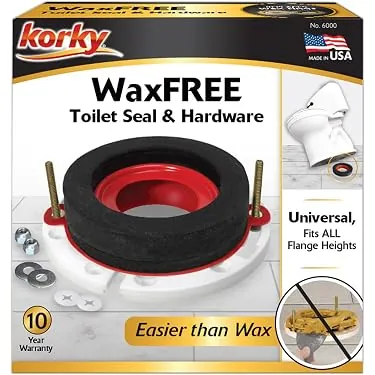
Even the best wax rings will eventually fail if the toilet isn’t properly secured. The primary cause of failure is toilet movement. If the closet bolts are loose or the floor is uneven, the toilet will move every time it’s used. This movement breaks the wax seal, allowing water and gases to escape.
Factors Contributing to Early Failure
- Loose Floor Flanges: If the flange isn’t screwed into the subfloor, the whole assembly will shift.
- Overtightening Bolts: Cracking the base of the toilet or the flange itself.
- Extreme Temperature Fluctuations: While rare, extreme heat can soften wax, causing it to lose its structural integrity.
- Improper Seating: Failing to compress the wax evenly during installation.
Frequently Asked Questions
Can I reuse a wax ring?
No, never reuse a wax ring. Once a ring has been compressed, the wax loses its shape and the density required to create a reliable, airtight, and watertight seal. Even if the ring looks intact after you remove a toilet, it won’t provide the same level of protection. Always spend the few dollars required to purchase a new one to avoid costly water damage repairs later.
How do I know what size I need?
Measure the distance from the bottom of your toilet flange to the surface of your finished floor. If the flange is flush with the floor, a standard ring is sufficient. If the flange is more than a quarter-inch below the floor surface, you must use an extra-thick ring or stack two rings to ensure proper compression and a secure, long-lasting seal for your bathroom plumbing.
Should I use two wax rings?
Stacking two rings is generally discouraged because it’s difficult to compress them evenly, which can lead to leaks. If you have a deep flange, it’s much safer to purchase a single, extra-thick wax ring or a specialized deep-flange extension kit. If you absolutely must stack them, ensure you use a plastic horn on the bottom ring to keep the assembly centered during installation.
Do I need to use caulk around the base?
Caulking around the base of the toilet is a common practice, but it should only be done for aesthetic reasons and to prevent cleaning water from getting under the base. You should leave a small gap at the back of the toilet uncaulked. This allows you to see if the wax ring fails, as water will escape through that gap rather than being trapped beneath the floor.
What causes sewer gas smell?
A sewer gas smell in your bathroom usually indicates that the wax ring has lost its seal. When the seal is broken, the negative pressure from the sewer line pulls gas into your home. This can happen if the toilet is loose, the flange is damaged, or the wax wasn’t compressed correctly during the initial installation. It’s a health concern that requires immediate attention and a new seal.
Conclusion
To ensure your bathroom remains clean and free of leaks, start by inspecting your toilet for any signs of wobbling or floor staining. If you find movement, tighten the closet bolts first; if that fails to resolve the issue, purchase a high-quality wax ring and follow the steps outlined above to replace your seal for a permanent, reliable fix.