
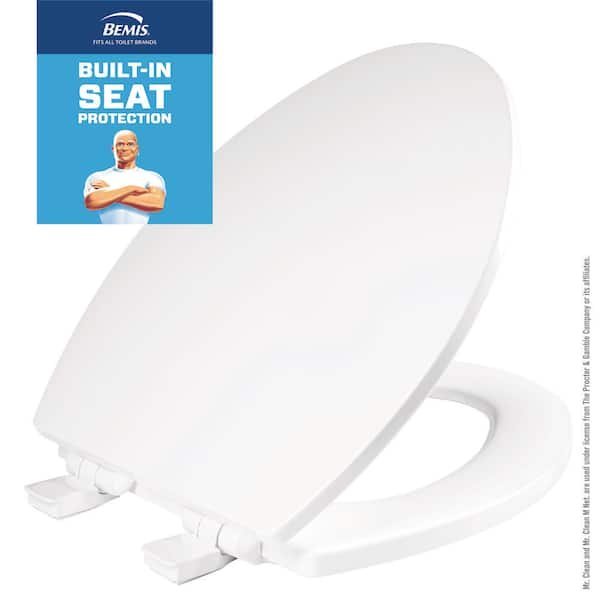
Choosing between kohler vs bemis toilet seats is a matter of prioritizing brand-specific integrated features versus broad compatibility and material variety. Kohler seats are engineered to match the exact dimensions and mounting hardware of their specific toilet bowls, while Bemis offers a wider range of universal designs and specialized materials like molded wood that fit most standard fixtures. If you want a perfect fit for a branded bowl, stick to the manufacturer; if you need a specific finish or hinge type, look to Bemis.
Comparing Kohler and Bemis toilet seats
| Method | How long | Effort | Cost | Best for |
|---|---|---|---|---|
| OEM Replacement | 15 minutes | Low | High | Perfect fit |
| Universal Plastic | 10 minutes | Low | Low | Quick fixes |
| Molded Wood | 20 minutes | Medium | Medium | Durability |
Choosing the right seat relies on your bowl shape and mounting hole distance. OEM replacement seats from Kohler are designed for proprietary grip-tight systems, which prevent the seat from shifting. These are the gold standard if your bowl is modern and standard-issue.
Conversely, Bemis manufactures seats with adjustable hinges to accommodate variations in hole spacing. This makes them the superior choice for older homes where the porcelain may have shifted or been installed with non-standard measurements.
Always measure the bolt spread before buying. A common mistake is assuming “elongated” is a universal size, but the length can vary by up to two inches between brands. If your bolt holes are exactly 5.5 inches apart, you can safely use most universal seats.
Use this rule: If your toilet is relatively new, buy the OEM match. If you’re retrofitting a vintage unit, prioritize the adjustable hinges found in molded wood or universal plastic options to ensure a flush, stable fit.
Original Equipment Installation
- Unscrew the existing plastic nuts from the underside of the toilet bowl using an adjustable wrench.
- Pull the seat unit upward to release it from the top-mount or bottom-mount hardware.
- Clean the mounting area thoroughly with a mild detergent to remove mineral buildup that causes slippage.
- Insert the new mounting bolts through the holes and tighten the hardware until the seat is firm.
- Snap the seat covers into place to hide the attachment points.
This method is ideal for those who own a specific luxury toilet model, as the hinges are custom-molded to match the contour of the porcelain. It ensures the seat lid closes perfectly aligned with the tank and bowl rim. The primary drawback is the higher cost of parts, as these seats are often sold as proprietary components. If you find the seat is loose after installation, avoid over-tightening the plastic bolts, as this can crack the mounting plate or the porcelain bowl itself.
Universal Plastic Upgrades
-
Measure the distance between the center of the two mounting holes on your toilet bowl. Standard measurements are either 5.5 inches or 6 inches.
-
Align the adjustable hinge plate of the new seat with these holes. Ensure the plate sits flush against the porcelain to prevent future rocking.
-
Thread the provided nylon bolts through the plate and into the bowl.
-
Tighten the wing nuts by hand until snug, then give them an extra half-turn with pliers. Don’t overtighten, as nylon threads strip easily.
-
Test the seat for side-to-side stability before final tightening.
These seats are lightweight and feature a high-gloss finish that resists staining from common cleaners. They’re the most affordable option for rental properties or guest bathrooms where high traffic is expected.
However, plastic hinges can feel less stable than solid metal alternatives.
Molded Wood Solutions
-
Remove the old seat and clear the bowl rim of all debris.
-
Position the wood seat hinges over the mounting holes, ensuring the seat lid clears the flush handle.
-
Use the supplied metal hardware to secure the seat, as wood seats are heavier than plastic.
-
Tighten the bolts until the rubber gaskets underneath are slightly compressed.
-
Check the alignment of the lid to ensure it doesn’t touch the tank when fully raised.
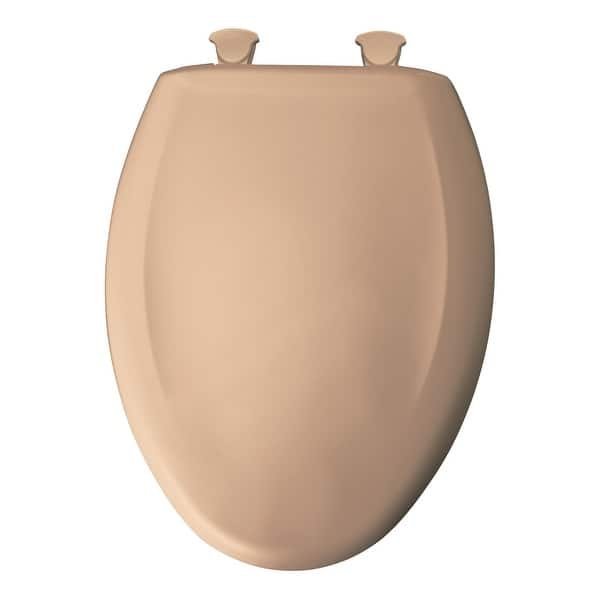
Molded wood seats provide a warmer, more substantial feel than plastic and are often finished with a multi-coat enamel that resists moisture. They’re excellent for bathrooms that aren’t frequently cleaned, as the finish is highly durable.
The main limitation is the weight. If the hinges aren’t tightened correctly, the heavy lid can pull the seat out of alignment over time. A common mistake is using a power drill to tighten the bolts, which often cracks the wood or strips the hinge threads. Always use a hand screwdriver to maintain tactile control.
Avoid using abrasive scouring pads on these seats, as they will dull the enamel finish permanently. Use only mild soap and a soft microfiber cloth to preserve the factory seal.
Which one should you use?
When you’re in a hurry, choose the Universal Plastic option. It’s the easiest to find in stock at local hardware stores and requires no specialized knowledge to install, as the adjustable hinges account for minor measurement errors.
When you’re doing this for the first time, choose the Original Equipment replacement. Because the hardware is designed specifically for your bowl, you don’t have to worry about alignment or adjusting hinge plates. The instructions are usually model-specific, which reduces the chance of making a mistake during the assembly process.
When you want the best possible result whatever it takes, choose the Molded Wood seat. This provides a level of comfort and aesthetic appeal that plastic can’t match. While it requires more careful installation to ensure the weight of the seat is properly balanced, the long-term feel is superior for primary bathrooms.
The trade-off is clear: you either pay for the convenience and guaranteed fit of a branded seat, or you accept a slightly more difficult installation process to gain access to a wider variety of materials and lower price points.
The rules that apply whichever way you choose
No matter which brand you select, the most important factor is the bowl shape. Toilets are generally round or elongated, and a seat that doesn’t match this shape will leave the bowl rim exposed or cause the seat to overhang, which is both uncomfortable and unhygienic. Before you begin, always confirm your bowl type by measuring from the front of the bowl to the center of the mounting holes.
Most manufacturers follow the American National Standards Institute (ANSI) guidelines for plumbing fixtures, which ensures that mounting hole spacing is relatively consistent at about 5.5 inches for most standard toilets. If you find the bolts don’t fit, don’t force them; this can chip the porcelain, which is a permanent cosmetic and structural issue.
Always check the seat hinges partway through the installation. If the seat feels wobbly, the bolts are likely not centered in the mounting holes. At the end of the process, ensure the lid is properly balanced so it doesn’t slam down when released. If you’re replacing a seat on a toilet that’s heavily damaged or has cracks near the mounting holes, don’t install a new seat; contact a licensed plumber to inspect the fixture for safety, as a broken porcelain bowl can be dangerous.
Frequently asked questions
Can I put a Kohler seat on a non-Kohler toilet?
Yes, you can install a Kohler seat on another brand of toilet as long as the bowl shape and bolt spread match. Check the product box for the specific “bolt spread” measurement, which is the distance between the two mounting holes. Most standard toilets use a 5.5-inch spread, but verify your specific bowl before purchasing to avoid the hassle of a return.
How long do toilet seats usually last?
Most high-quality plastic or molded wood seats last for several years under normal household use. The lifespan depends heavily on the cleaning products used, as harsh chemicals can degrade the finish and weaken the hinges. If you notice discoloration or the seat begins to wobble despite tightening the bolts, it’s likely time to replace the hardware or the entire unit.
Is it safe to use a universal seat on a luxury bowl?
Yes, it’s safe, but you may lose the “quick-release” or “soft-close” functionality that came with the original luxury seat. Luxury toilets often have unique bolt patterns that require specific proprietary hardware to maintain the seamless look of the bowl. If you prioritize aesthetics, stick to the manufacturer’s original parts to ensure the seat matches the profile of the porcelain perfectly.
Why does my toilet seat keep shifting?
The seat keeps shifting because the mounting bolts have likely loosened, or the rubber washers have degraded. This is a common issue with plastic hinges that have been overtightened, which can cause the plastic to stretch or crack. To fix this, remove the seat, clean the mounting area, and reinstall the hardware using the manufacturer’s recommended torque settings to ensure a secure, long-lasting fit.
What happens if I buy the wrong seat size?
If you buy the wrong size, the seat won’t sit flush against the bowl, causing it to slide or wobble whenever it’s used. This puts extra stress on the hinges, which will lead to premature breakage. If the seat is too small for an elongated bowl, it will be uncomfortable and may fail to cover the bowl opening, creating an unhygienic gap that’s difficult to clean.
Final Thoughts
Before you make your final purchase, grab a tape measure and double-check your bowl’s shape and bolt hole spacing. It’s worth taking a moment to confirm these measurements so you don’t have to deal with the hassle of a return. You’ll be much happier once you’ve found the perfect, comfortable seat.