
A conventional electric wall oven with true convection is generally considered the most consistent machine for professional-grade baking results. These units provide the most even heat distribution, which is essential for delicate pastries, bread, and cakes.
Your specific needs will change this recommendation based on your kitchen space, your budget, and the volume of baking you perform. If you’re a casual baker, a high-quality countertop model may suffice, while high-volume bakers will always benefit from the capacity and insulation of a full-sized built-in unit.
Choosing the best oven for baking
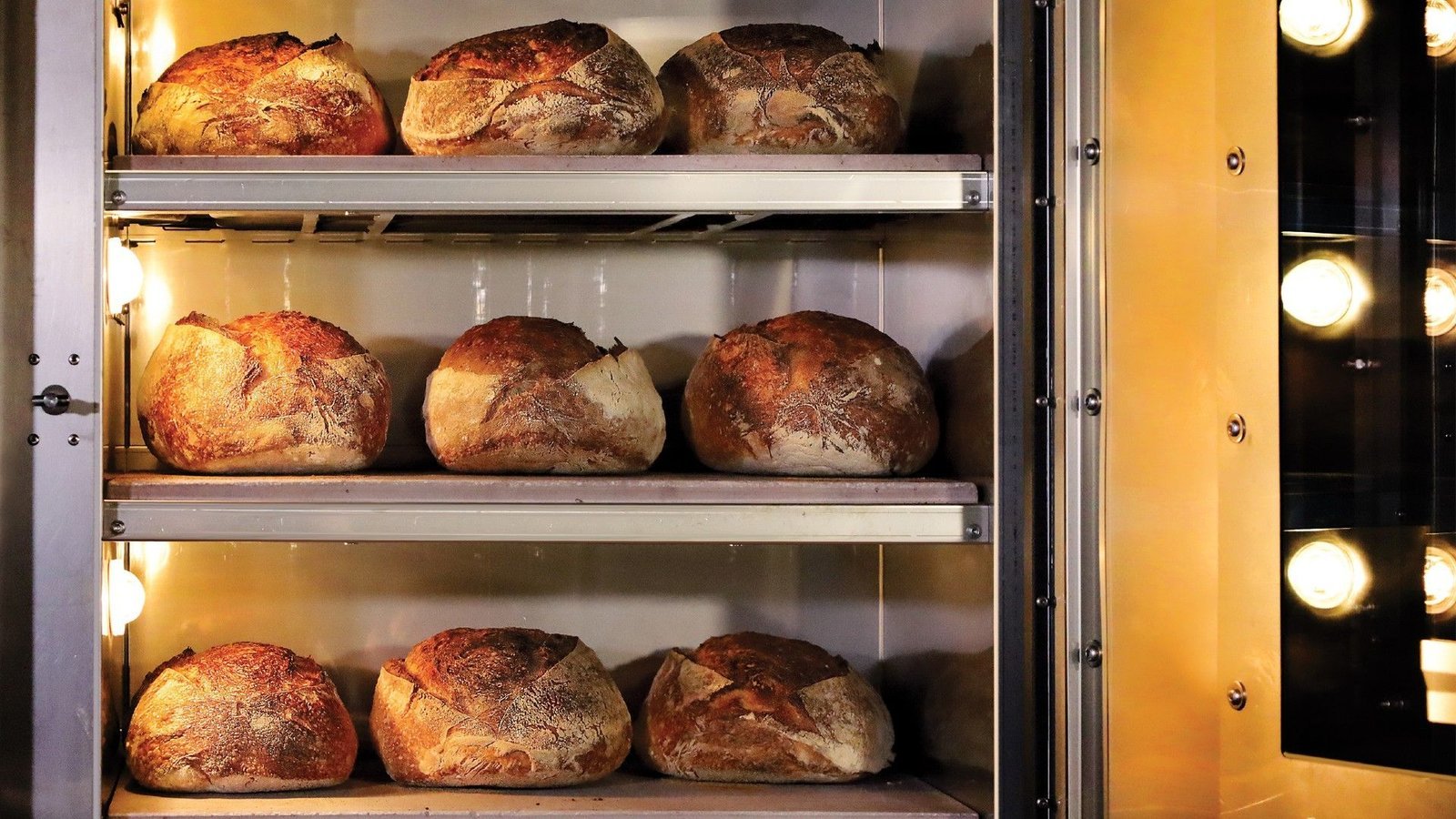
Home bakers who prioritize precision need an appliance that maintains a steady, reliable internal temperature throughout the entire baking cycle. The primary difference between models lies in how they circulate air and manage heat retention.
A serious enthusiast often looks for a wall oven with a “true” or “European” convection system, which includes a third heating element behind the fan. This design ensures that the air circulating around your trays is heated directly, preventing the temperature drops that occur when a door is opened or when cold pans are inserted. If you live in a small apartment or only bake occasionally, you might find that a high-end countertop convection oven provides better results than a budget-friendly, poorly insulated full-sized oven.
The most important factor is the oven’s ability to hold its target temperature. According to FoodSafety.gov’s chart for safe minimum internal temperatures, maintaining accurate heat isn’t just about quality; it’s a critical component of food safety for items like quiches or savory pies.
Factors influencing your baking success
Three main variables determine how well your oven performs during a bake. The first is insulation; a well-insulated oven door and frame prevent heat loss, which is the leading cause of uneven browning in cakes and cookies. You can check this by observing how quickly the preheat indicator light turns off.
The second factor is the convection fan’s placement. If the fan is located on the back wall, it circulates air horizontally, which is perfect for multiple racks of cookies. If the fan is located on the top, it may blast heat directly onto the food, potentially burning the tops of delicate items before the center is set.
The third factor is the material of the oven interior. Porcelain enamel is the standard, but some premium models use stainless steel or specialized coatings that reflect heat differently. Most people make the mistake of ignoring the “dead zones” in their oven. These are spots near the walls or corners where the air flow is restricted. You can map these zones by placing a single layer of white bread slices across a baking sheet and observing which ones toast faster than others.
How to optimize your oven performance
- Calibrate your oven using an independent thermometer to ensure the display matches the actual heat.
- Preheat for at least 20 minutes, even if the “ready” beep sounds earlier, to allow the walls to reach full temperature.
- Arrange racks in the center of the oven, leaving at least two inches of space between the pans and the oven walls for air circulation.
- Rotate your pans halfway through the baking time to compensate for any uneven heat distribution.
- Keep the door closed; opening the door causes a rapid temperature loss that can deflate soufflés or meringues.
- Use light-colored aluminum pans, as dark pans absorb heat too quickly and can cause the bottoms of your baked goods to overcook.
The most important judgement call is knowing when to trust the recipe versus your own eyes. If your oven has a “hot spot,” you must adjust your timing, even if the recipe suggests a specific duration.
Comparison of common oven types
This table helps you match your baking style to the right equipment.
| Situation | Best Oven Type | Key Advantage | What to watch for |
|---|---|---|---|
| Daily bread baking | Gas wall oven | Moisture retention | Uneven browning |
| Delicate pastries | Electric convection | Precise temperature | Drying out edges |
| Small batch baking | Countertop convection | Fast preheating | Limited capacity |
| High volume baking | Double wall oven | Dual temperatures | High power draw |
| Occasional cakes | Standard electric | Ease of use | Heat fluctuations |
Gas ovens naturally produce water vapor during combustion. This keeps crusts supple longer, which is ideal for sourdough loaves. However, the flame location often creates hot spots. Rotate your pans halfway through the bake to avoid charred bottoms.
Electric convection ovens use a fan to circulate air. This eliminates the temperature pockets found in standard models. If your recipe calls for a delicate soufflé or laminated dough, reduce the heat by 25 degrees Fahrenheit. This prevents the exterior from hardening before the center sets.
Countertop convection models reach 400 degrees in under five minutes. They’re perfect for small batches of cookies or reheating leftovers. The danger lies in overcrowding. If you block the fan with a tray that’s too large, you lose the airflow that makes these units efficient. Maintain at least two inches of clearance on all sides.
Double wall ovens allow you to roast a turkey at 350 degrees while baking delicate meringues at 225 degrees simultaneously. Before installing, check your home’s electrical panel. Many double units require a dedicated 50-amp circuit. If your kitchen lacks this capacity, you risk tripping the main breaker during peak holiday cooking.
Standard electric ovens are the most forgiving for beginners. They rely on radiant heat from coils, which provides consistent results for basic cakes. Because they lack fans, they’re prone to heat fluctuations when the door is opened.
Getting the best results from your oven
Understanding heat distribution
Even the most expensive oven has slight temperature variances. Experienced bakers place a pizza stone or a heavy baking sheet on the bottom rack to act as a heat sink, which helps to stabilize the temperature when the door is opened. If you’re baking delicate items, avoid placing them directly above or below the main heating elements.
Managing moisture levels
Baking requires a balance of heat and humidity. Some professional-style ovens feature steam injection, which keeps the crust of bread soft during the initial rise. If your oven lacks this, you can achieve a similar effect by placing a small, heat-safe pan of water on the floor of the oven during the first few minutes of the bake.
Common oven issues and fixes

| What you notice | What it usually means | What to do first | How to stop it |
|---|---|---|---|
| Burnt bottoms | Rack is too low | Move rack up | Use insulated pans |
| Uneven browning | Airflow is blocked | Reduce pan size | Rotate pans halfway |
| Long preheat | Element is failing | Check for debris | Clean the interior |
| Soggy crusts | Too much moisture | Open the vent | Reduce water pan |
| Rapid browning | Temperature is high | Lower by 25°F | Use an oven probe |
Guidelines for safe operation
Always follow the manufacturer’s specific guidelines regarding rack positions and cleaning cycles. Deviating from these positions can block internal airflow, leading to uneven heating or localized hot spots that may damage the heating elements over time.
If your oven requires a professional technician for repairs, never attempt to open the rear panel or service the electrical components yourself. A capacitor inside can hold a lethal electrical charge even when the unit is unplugged. If you see a “Service Required” error code, your decision rule is simple: disconnect the power at the circuit breaker immediately and call a certified technician. Attempting a DIY fix here often voids your warranty and creates a fire hazard.
Ensure your kitchen is well-ventilated during the self-cleaning cycle. The high heat can release fumes from stubborn grease buildup. Open windows or turn on your range hood to the highest setting for the duration of the cycle. If you have pet birds, move them to a different room, as their respiratory systems are highly sensitive to the off-gassing produced by high-heat cleaning.
If you’re uncertain about the specific electrical requirements for your model, consult the installation manual provided by the manufacturer. A common mistake is assuming a standard outlet suffices for high-voltage models. Using an undersized circuit breaker or improper wiring gauge can cause the unit to trip frequently or, in worst-case scenarios, melt the internal wiring insulation.
Check your manual for the specific amperage rating. If your home’s dedicated circuit is rated lower than the oven’s minimum requirement, don’t attempt to bypass the safety switch. Instead, hire a licensed electrician to upgrade the circuit to match the manufacturer’s specifications. This ensures the appliance operates at peak efficiency without risking a short circuit or permanent damage to the oven’s control board.
The real cost of your choice
The sticker price is merely the entry fee. The true cost of an oven manifests in the silent, recurring expenses of energy consumption, specialized maintenance, and potential infrastructure upgrades.
A standard electric oven often carries a lower upfront cost. However, these units frequently lack advanced insulation, forcing the heating elements to cycle more often to maintain temperature. Over a ten-year lifespan, an inefficient model can consume 20% more electricity than a high-efficiency counterpart.
This installation labor alone can add a significant amount to your initial investment.
To calculate the real cost, ignore the sales tag and look for the EnergyGuide label. Manufacturers are required to list the estimated annual operating cost based on national average utility rates. If you live in a region where electricity costs exceed the national average by more than 15%, multiply that label figure by 1.2 to get a realistic annual projection.
A common mistake is ignoring the cost of proprietary parts. Some premium European brands require specialized technicians for even minor repairs. Before buying, search the manufacturer’s site for the availability of common replacement parts like heating elements or control boards. If you can’t find a clear parts catalog, assume that a simple repair will eventually cost double the market rate due to service exclusivity.
Use this decision rule: In that case, choose a model with better insulation, even if the upfront cost is higher.
Keeping your oven in shape
To maintain your oven, perform a deep clean every three to six months to prevent grease buildup from interfering with the heating elements. Left unchecked, carbonized food particles create hot spots that trick the thermostat into shutting off prematurely, leading to uneven bakes.
Always wipe down the interior glass after every use to prevent baked-on residue, which makes future cleaning much harder. Use a paste of baking soda and water rather than harsh chemical sprays. Chemical cleaners often leave behind a residue that off-gasses during the next heating cycle, potentially tainting the flavor of your food.
If your oven is older, rely on manual cleaning to extend the lifespan of your electronics.
If you’re deciding between a professional repair and a DIY fix, use this rule: if the oven fails to heat at all, the issue is likely a broken igniter or a burnt-out element, both of which are manageable repairs. However, if the oven displays an error code on the digital panel, the problem is almost always the control board, which requires a certified technician to calibrate correctly.
When to look for alternatives
If you’re a professional baker looking to move into large-scale production, a standard residential oven is the wrong choice. You’ll need a commercial deck oven or a rack oven that can handle higher volumes and sustained heat.
The primary constraint is thermal recovery time. Residential units lose significant heat the moment you open the door to load a tray. In a production environment, this drop prevents the “oven spring” necessary for professional crust development. If your bake times exceed 20 minutes per batch, you’re likely losing money on energy costs and throughput.
If the lights flicker when your oven cycles on, you’re already exceeding safe operational limits.
The decision rule is simple: if you’re producing more than four dozen units per day, the residential unit becomes a bottleneck. In these cases, upgrading to a commercial unit isn’t a luxury; it’s a prerequisite for maintaining product consistency and safety. Ignoring these signs leads to uneven bakes and, more dangerously, electrical fires from overloaded circuits.
Frequently asked questions
Can I bake cookies in a gas oven?
Yes, you can bake cookies in a gas oven, though you may need to rotate your pans more frequently because gas ovens often have more pronounced hot spots.
How long should I preheat my oven?
You should preheat your oven for at least 20 minutes, even if the display indicates it’s ready, to ensure the internal walls are fully saturated with heat.
Is convection better than conventional?
Yes, convection is better for baking because the fan circulates air, which creates a more uniform temperature and faster heat transfer than a conventional static oven.
What happens if the oven is too hot?
If the oven is too hot, the exterior of your baked goods will brown or burn before the inside has finished cooking, resulting in a raw or doughy center.
Does the rack position matter?
Yes, the rack position matters because heat behaves differently at the top, middle, and bottom of the oven, affecting how the top and bottom of your food cook.
How do I know if my oven is accurate?
You can know if your oven is accurate by placing an independent oven-safe thermometer in the center and comparing that reading to your oven’s set temperature after 30 minutes.
Is it safe to use self-cleaning?
Yes, it’s safe to use the self-cleaning cycle if you remove all racks and heavy debris first, but ensure your kitchen is well-ventilated during the process.
Oven baking, in short
Start by testing your current oven’s accuracy with an independent thermometer to see how far it drifts from the set temperature. Once you understand its behavior, you can adjust your rack positions and pan choices to achieve perfect results. If you notice the temperature fluctuates by more than 25 degrees, it’s time to contact a certified technician to inspect the thermostat or heating element.
Related guides