
Aerodynamic efficiency is the measure of how easily an object moves through the air while minimizing drag. It’s calculated by comparing the lift force generated against the resistance, or drag, encountered by a body in motion. Engineers improve this performance by shaping surfaces to maintain smooth airflow and prevent turbulence, which reduces the energy needed to sustain speed.
How Aerodynamic Efficiency Is Achieved
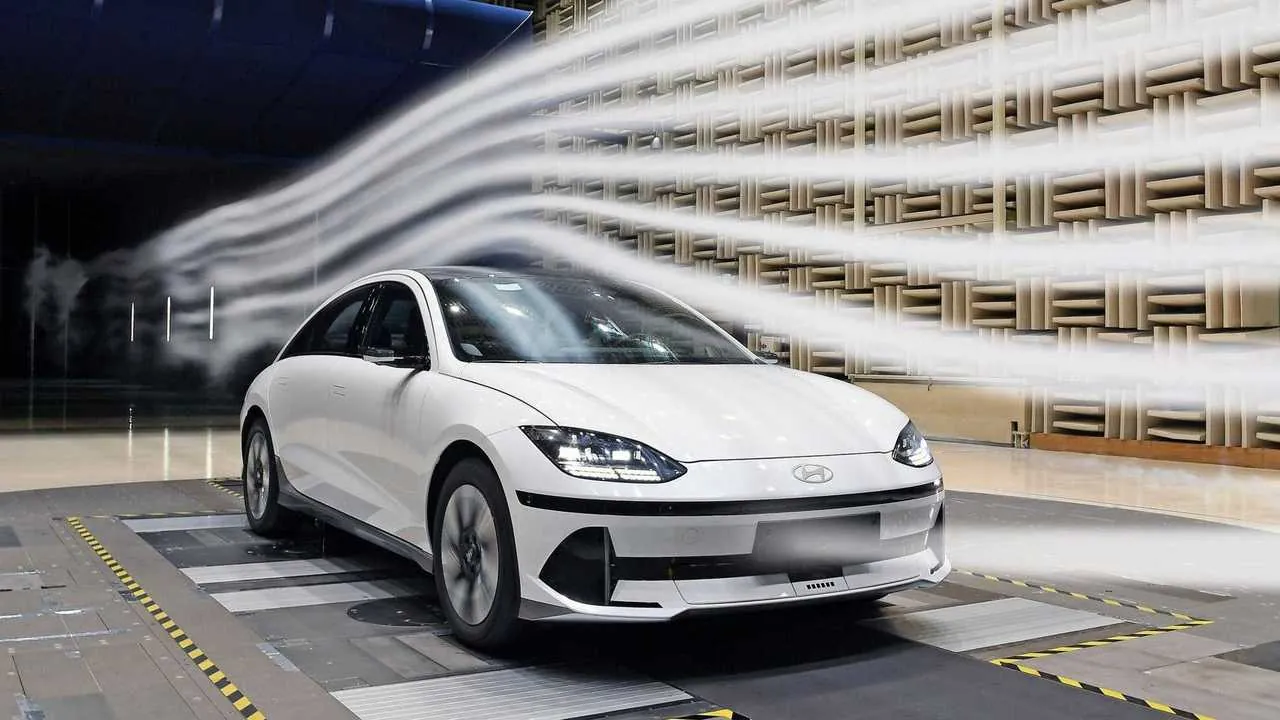
Reduce the frontal area of the object to lower the total amount of air it must push aside. A smaller cross-section directly correlates to a lower drag force, especially at speeds exceeding 40 mph.
Use smooth, rounded front profiles to help air flow around the body rather than hitting it directly. Sharp edges trigger flow separation, which creates turbulence and increases resistance.
Taper the rear of the object to prevent low-pressure air pockets from pulling it backward. If the tail ends abruptly, the air can’t reattach, creating a vacuum that acts like a brake.
Cover exposed parts like wheels or rough joints to keep the airflow smooth and attached to the surface. Small protrusions generate disproportionate drag; smoothing these areas can improve efficiency by up to 10 percent.
Adjust the angle of attack for wings or spoilers to balance lift requirements with the penalty of added drag. If you need downforce for cornering, accept the drag; if you’re cruising, flatten the angle to save fuel.
Test designs in a wind tunnel to measure the drag coefficient. This numerical value quantifies shape efficiency, allowing you to compare prototypes objectively before committing to a final build.
Why Streamlining Matters for Movement
The primary reason for focusing on this concept is to minimize the energy required to overcome air resistance at high speeds. When an object moves, it interacts with air molecules, pushing them out of its path. If the shape is blunt, the air can’t flow smoothly around it, which creates high-pressure zones at the front and low-pressure wake areas at the back. This pressure difference creates a force known as drag that resists forward movement.
Engineers look at the drag coefficient to understand how a specific shape performs. This value is independent of the object’s size and depends entirely on its geometry. A lower number indicates that the air flows over the shape with minimal disturbance. When air stays attached to the surface, it creates less turbulence, which translates directly into better fuel economy for cars or higher speeds for racing vehicles.
If you’re wondering where these limits come from, the physics of fluid dynamics dictates that air behaves like a fluid at high speeds. According to NASA’s research on aerodynamic drag, the force of drag increases with the square of the object’s velocity.
This means that if you double your speed, you face four times the air resistance. Because of this exponential relationship, even small changes to a surface’s smoothness lead to significant savings in power. Manufacturers use these principles to ensure that their designs aren’t just fast, but also stable and efficient under varying conditions.
Situations Where Efficiency Changes

The ideal shape depends heavily on the environment and the speed of the object. A shape that works well in a vacuum or at low speeds may perform poorly when the air becomes turbulent or the speed increases significantly.
| Situation | What changes | What to do instead |
|---|---|---|
| High-speed travel | Drag forces rise | Use long, tapered tails |
| Low-speed movement | Drag is minor | Focus on weight reduction |
| Heavy crosswinds | Side force increases | Use flatter side profiles |
| High altitude flight | Air density drops | Increase wing surface area |
| Racing maneuvers | Turning is priority | Add adjustable downforce wings |
How to Optimize Aerodynamic Profiles
Identify the primary direction of travel and ensure the widest part of the object is placed toward the front. This creates a high-pressure stagnation point that forces air to accelerate evenly across the body.
Round the leading edges to a radius that allows air to transition smoothly around the object’s curve. If your radius is too sharp, the air will fail to cling to the surface, creating a separation bubble that ruins your profile.
Extend the rear section into a gradual taper, ideally keeping the length at least three times the width. A sudden cutoff creates a low-pressure wake that acts like a vacuum, pulling the object backward.
Remove all sharp corners or external protrusions that cause airflow to detach prematurely. Even a small bolt head can trigger a turbulent wake that cascades across the entire surface.
Seal gaps between body panels to prevent air from entering internal chambers. If you see a gap wider than two millimeters, tape it.
Verify the design using computational fluid dynamics software to check for unwanted turbulence. If your drag coefficient remains stagnant, shift your focus to the trailing edge.
Mistakes That Ruin Flow
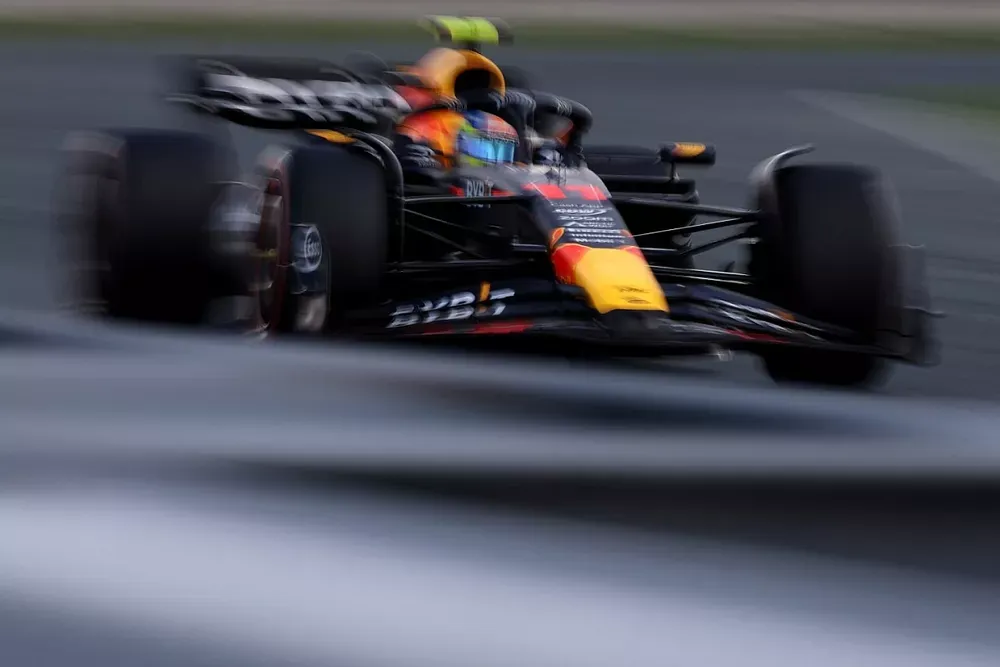
Adding large, non-functional accessories to a vehicle increases frontal area and creates massive drag. Every square inch of protruding surface acts like a sail, forcing your engine to work harder to maintain momentum.
Leaving windows open at speeds above 45 mph turns the interior into a high-drag air pocket. This turbulence effectively acts as an anchor, stripping away 5% of your fuel efficiency on the highway.
Ignoring the underbody is a common mistake that costs more than surface styling. If your chassis is cluttered with exposed exhaust pipes and hanging cables, you’re creating a chaotic wake that pulls the car backward.
Using rough or textured exterior materials trips airflow and causes early boundary layer separation. If you can feel the drag with your hand, the air is already detaching.
Frequently asked questions
Does weight affect aerodynamic efficiency?
Weight doesn’t directly change the aerodynamic efficiency of a shape, but it changes the total power needed to move the object. Efficiency is purely about how the air moves around the shape, while weight dictates the force required to overcome gravity and inertia. You should focus on drag reduction for speed and weight reduction for acceleration.
How much does a spoiler help?
A spoiler typically increases drag slightly, but it helps by managing airflow at the rear to improve stability. Its primary goal is to prevent lift at high speeds rather than reduce drag. If your goal is maximum speed, a smaller spoiler or a smooth deck lid is often more efficient than a large wing.
Is a teardrop shape the most efficient?
A teardrop shape is widely considered the most efficient form for minimizing drag in a fluid. It allows air to flow around the front and rejoin smoothly at the back without creating a large wake. This shape is the standard baseline used in testing to compare how other objects perform against a near-perfect aerodynamic form.
Why do trucks have flat fronts?
Trucks have flat fronts to maximize the cargo space while staying within legal length limits for roads. While this isn’t aerodynamically efficient, manufacturers use air dams and roof fairings to guide air around the trailer. These additions help mitigate the massive drag created by the flat, blunt front of the cabin.
Can I test aerodynamics at home?
You can test basic concepts at home using a fan and a smoke generator to visualize airflow over a model. While this won’t provide precise drag coefficient numbers, it will show you where the air separates from the surface. For accurate, professional-grade measurements, you must use a calibrated wind tunnel or advanced simulation software.
What is the best angle for a wing?
The best angle for a wing depends on the balance between required lift and acceptable drag. A steeper angle increases lift but creates more resistance, while a flatter angle reduces drag but lowers lift. You should check your specific vehicle’s manual for the optimal setting recommended by the engineers for your driving conditions.
Does air temperature matter?
Air temperature changes the density of the air, which directly impacts the amount of drag you experience. Cold air is denser than warm air, meaning you encounter more resistance when driving in winter conditions. Because the air is thicker, your vehicle must work harder to push through it compared to driving on a hot summer day.
Conclusion
Improving your setup requires balancing the need for speed against the physical reality of air resistance. Focus on keeping surfaces smooth and transitions gradual to ensure that the air stays attached to your object for as long as possible. Small changes to the profile often yield the best results for consistent performance.
