
When you’re standing in the aisle of a home improvement store or staring at a buildup of white, chalky residue on your faucet, deciding between vinegar vs commercial descaler for hard water removal often comes down to a choice between patience and raw chemical power. If you’re wondering about the financial investment, the cost of a gallon of distilled white vinegar typically ranges from $3.00 to $6.00, while a specialized bottle of commercial descaler usually retails for $8.00 to $25.00. Understanding the chemical differences between these two approaches allows you to choose the right tool for your specific plumbing fixtures and appliances without risking unnecessary damage to your home.
Key Takeaways
- Vinegar is a mild acetic acid safe for most routine, light-duty cleaning tasks.
- Commercial descalers use stronger acids like sulfamic or citric acid for heavy buildup.
- Always check manufacturer warranties before using any acid on high-end fixtures.
- Safety gear, including gloves and goggles, is required when handling concentrated descaling agents.
- Regular maintenance prevents the need for heavy-duty chemical interventions in the future.
The Chemistry of Hard Water Removal
Hard water is characterized by high concentrations of dissolved minerals, primarily calcium and magnesium. When this water evaporates, it leaves behind a solid deposit known as limescale. To remove it, you need an acid that can break the ionic bonds of these minerals and return them to a soluble state.
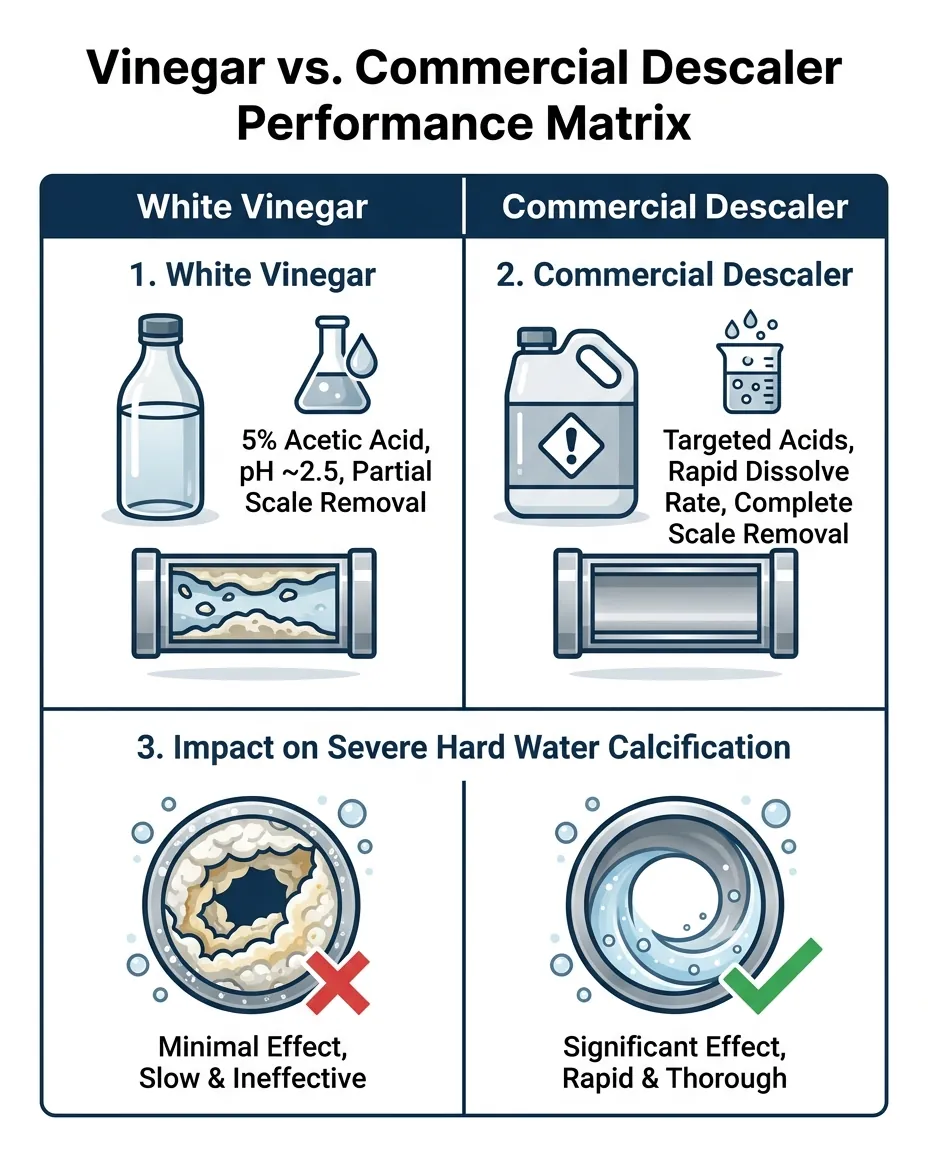
Acetic acid, the active ingredient in vinegar, is a weak acid. It’s effective for dissolving thin layers of mineral deposits over time but requires significant contact duration. In contrast, commercial descalers often contain sulfamic acid or citric acid in higher concentrations. These formulations are engineered to react rapidly with calcium carbonate, making them superior for thick, stubborn, or aged deposits that have hardened over several years.
| Feature | Distilled White Vinegar | Commercial Descaler |
|---|---|---|
| Acid Strength | Weak (approx. 5%) | Strong (Concentrated) |
| Reaction Time | Slow (Hours) | Fast (Minutes) |
| Cost Efficiency | Very High | Moderate |
| Surface Safety | High | Variable |
| Scent | Pungent | Often Neutral or Chemical |
Choosing Between Vinegar and Commercial Descalers for Hard Water Removal
Selecting the right product depends on the surface material and the severity of the scale. Vinegar is excellent for glass shower doors, plastic nozzles, and chrome fixtures where you have time to let the solution soak. Commercial descalers are better suited for internal components of appliances like coffee makers, dishwashers, or tankless water heaters where you can’t physically scrub the interior.
Warning: Never mix vinegar or any commercial descaler with bleach, as this combination creates hazardous chlorine gas.
If your appliance is under a manufacturer warranty, verify the approved cleaning agents listed in the manual. Using a high-strength descaler on sensitive metallic components like aluminum or certain high-end brass finishes can cause etching or corrosion. When in doubt, start with the milder option and only escalate to professional-grade chemicals if the scale remains untouched after two attempts.
Comparing Vinegar vs Commercial Descaler Effectiveness
The primary difference lies in the speed and the chemical composition of the solution. Vinegar is a natural, food-safe option, which makes it ideal for kitchen environments where you don’t want harsh chemicals coming into contact with food-grade surfaces. However, for industrial-strength buildup, the United States Environmental Protection Agency notes that citric acid is a common and effective ingredient in many cleaning products designed to chelate minerals.
Best Uses for Vinegar
- Soaking showerheads to clear mineral blockages.
- Wiping down glass shower enclosures to remove water spots.
- Cleaning kitchen sink aerators that show low flow.
- Light descaling of tea kettles and electric pots.
Best Uses for Commercial Descalers
- Deep cleaning internal coffee maker heating elements.
- Removing thick scale from dishwasher heating coils.
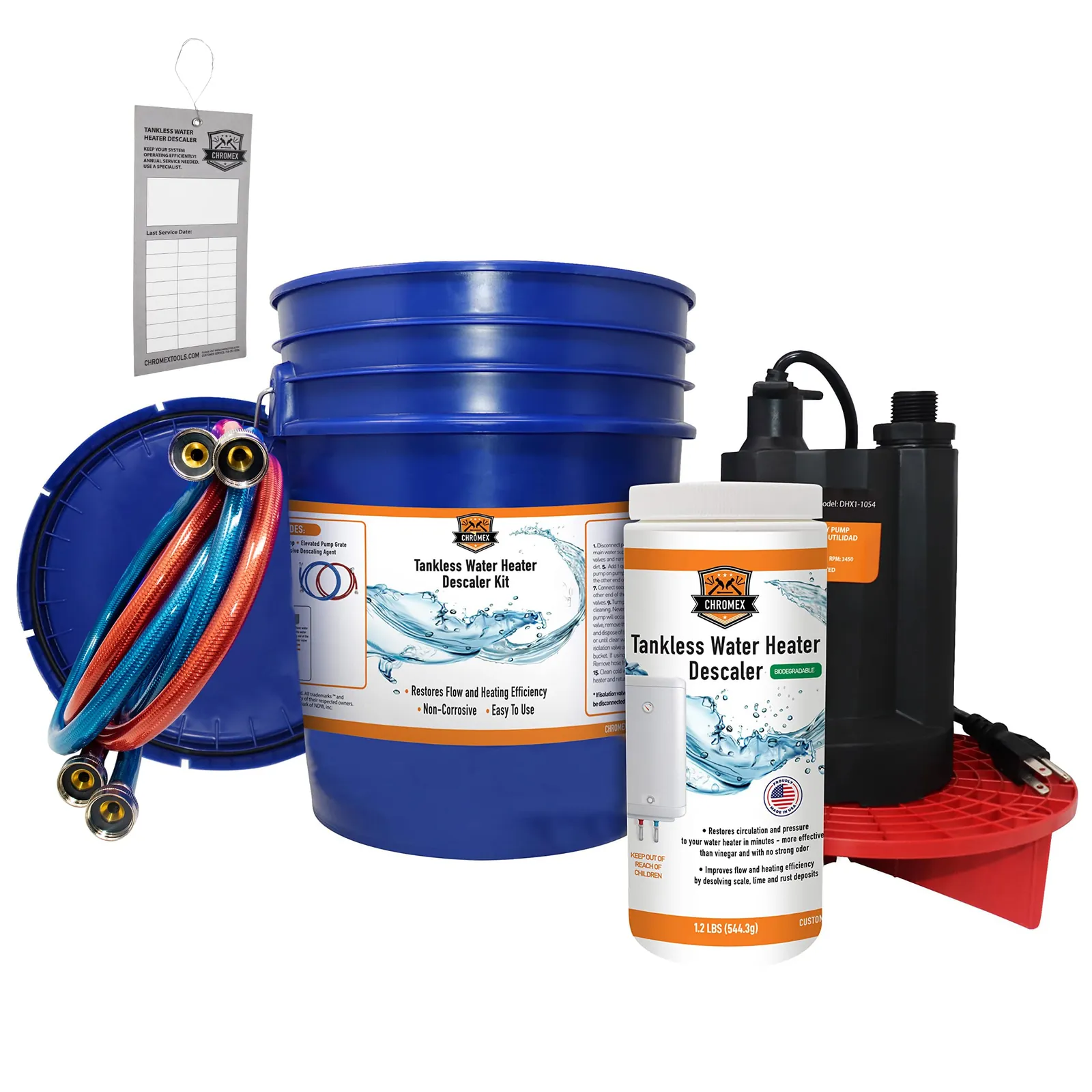
- Clearing blockages in tankless water heater heat exchangers.
- Restoring flow to heavily calcified faucet cartridges.
Essential Tools for Descaling Success

Before starting your cleaning project, gather the necessary equipment to ensure the process is both safe and efficient. Having the right tools minimizes the time you spend scrubbing and prevents potential damage to your home surfaces.
- Microfiber cloths: Perfect for applying vinegar without scratching finishes.
- Nylon brushes: Use these instead of steel wool to avoid scratching chrome or porcelain.
- Plastic bags and rubber bands: Essential for the “soak” method on showerheads or faucets.
- Nitrile gloves: Protects your skin from the drying effects of acid solutions.
- Safety goggles: Prevents accidental splashes from reaching your eyes during application.
Step-by-Step: The Vinegar Soak Method
The soak method is the gold standard for using vinegar effectively. By keeping the liquid in constant contact with the mineral deposits, you allow the acetic acid to penetrate the layers of calcium without needing to scrub aggressively.
- Fill a plastic bag with enough vinegar to submerge the end of the faucet or showerhead.
- Secure the bag tightly with a rubber band, ensuring the fixture is fully immersed.
- Allow the fixture to soak for at least two to four hours, or overnight for severe cases.
- Remove the bag and discard the vinegar appropriately.
- Scrub away softened residue with a soft-bristled nylon brush.
- Rinse the area thoroughly with fresh water to remove any lingering acidic film.
Step-by-Step: The Descaler Application
When using a commercial descaler, the process is usually faster, but it requires strict adherence to the manufacturer’s dilution ratios. Always read the back label before pouring the liquid into your appliances.
- Dilute the descaler with water according to the instructions on the bottle.
- Pour the solution into the appliance reservoir or cycle it through the system.
- Run the appliance through a short cycle or let it sit for the recommended duration.
- Flush the system with clean water at least two or three times to ensure no chemical residue remains.
- Wipe down any exterior surfaces that may have come into contact with the concentrated liquid.
Troubleshooting Common Descaling Issues
Even with the right product, you may encounter challenges. Sometimes, a single treatment isn’t enough to clear years of neglected mineral buildup. If the flow remains restricted, don’t force the component, as this can cause it to crack or break.
- Stubborn spots: If vinegar fails, use a dedicated descaler. If that fails, you may need to replace the aerator or showerhead insert entirely.
- Acid residue: If a surface looks dull after cleaning, you likely didn’t rinse enough. Re-wipe with a damp cloth and a drop of dish soap to neutralize any remaining acidity.
- Leaking fixtures: If a faucet leaks after descaling, the mineral buildup may have been acting as a seal. You might need to replace the rubber O-rings or the cartridge.
How to Prevent Future Buildup
Prevention is far easier than removal. Once you have cleared your plumbing of scale, take steps to slow down the return of those white, crusty deposits.
- Install a water softener: This is the most effective way to remove calcium and magnesium at the source.
- Wipe surfaces dry: After each shower or use, wipe down faucets and glass to prevent water evaporation.
- Use a squeegee: Keep one in the shower to clear water droplets instantly.
- Check your water heater: Periodically flushing your tank can prevent scale from circulating throughout your home.
Related guides
- 9 Best Dishwasher for Well Water Picks to Prevent Hard Buildup in 2026
- Best Smart Water Bottles in 2026
- How to Get Rid of Mice in Sofa: Proven Removal Steps
Frequently Asked Questions
Is vinegar safe for all surfaces?
Vinegar is acidic and can damage natural stone surfaces like marble, granite, or limestone. It can also cause pitting in certain metals if left for too long. Always test a small, inconspicuous area first. Avoid using vinegar on surfaces that are sensitive to acids, as it can strip finishes, dull the shine of natural stone, or cause long-term discoloration on porous materials.
How often should I descale my appliances?
For most households, descaling coffee makers, kettles, and dishwashers every three to six months is sufficient. If you live in an area with particularly hard water, you may need to perform this task every two months. Check your appliance manual for specific recommendations, as some manufacturers specify a set number of cycles or months for optimal performance and longevity.
Does boiling vinegar make it work faster?
Boiling vinegar increases its reactivity, but it also releases strong, pungent fumes that can irritate your eyes and throat. While heating can accelerate the descaling process, it’s rarely necessary for household tasks. If you choose to heat it, ensure your kitchen is well-ventilated by opening windows or using an exhaust fan to mitigate the strong odor during the cleaning process.
Are commercial descalers toxic?
Most commercial descalers are safe when used as directed, but they’re concentrated chemicals. You should always wear gloves and avoid contact with your eyes. Keep these products out of reach of children and pets, and store them in their original containers. If you’re concerned about toxicity, look for brands that offer biodegradable or plant-based acid formulations which are generally safer for home use.
Can I use vinegar instead of a descaler?
Yes, you can use vinegar for most descaling tasks. It’s a versatile, affordable alternative to commercial products. However, if you’re dealing with a heavily calcified heat exchanger in a tankless water heater or an appliance that hasn’t been cleaned in years, vinegar may not have the strength required to clear the blockage effectively. In those specific instances, a commercial descaler is the better choice.
Conclusion
Maintaining your plumbing fixtures and appliances requires a consistent routine rather than sporadic, aggressive cleaning. By understanding the chemical properties of your chosen solution, you can ensure your home remains free of mineral deposits without causing unintended damage. Keep a bottle of white vinegar handy for your weekly wipe-downs, and reserve the commercial descaler for those heavy-duty, internal appliance tasks that require a more powerful solution to ensure longevity.