
The most effective way to remove contaminants like lead, chlorine, and sediment from your kitchen tap is by using faucet-mounted water filters. These devices attach to your existing aerator and provide treated water without requiring professional plumbing. Because they rely on activated carbon to trap impurities, the quality of your output depends on the filter cartridge you choose and your replacement frequency.
Comparison of faucet water filters
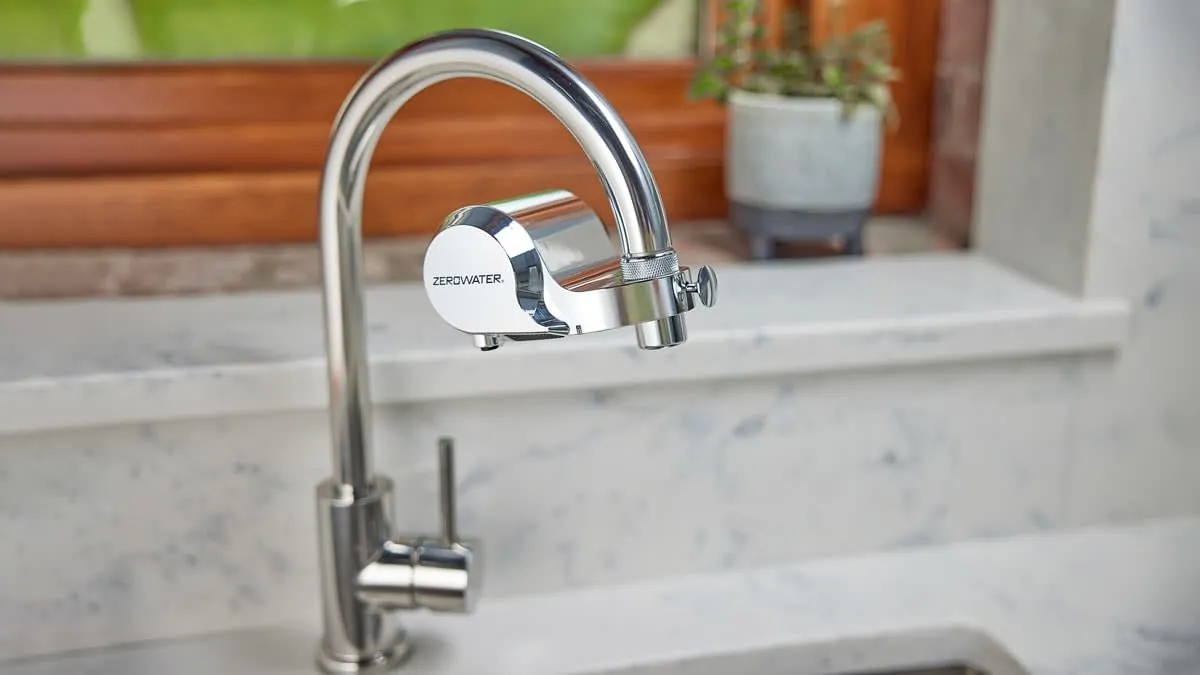
Choosing the right unit depends on whether you prioritize high flow rates, advanced chemical reduction, or simple installation. The table below outlines the primary options available for home use.
| Model Name | Primary Benefit | Example Use Case |
|---|---|---|
| PUR Plus | Heavy metal reduction | Filtering lead from old pipes |
| Brita Basic | Chlorine taste removal | Improving flavor of tap water |
| Culligan FM-15 | Durable metal housing | High-traffic kitchen environments |
| Waterdrop 320 | Long-lasting filter life | Large families needing volume |
| DuPont WFFM100 | Budget-friendly entry | Rental apartments with low budget |
If your home was built before 1986, use filters that target lead and mercury. Standard carbon filters only address aesthetic issues like taste and odor. Don’t assume a filter that removes chlorine also removes heavy metals.
Check your faucet’s aerator before purchasing. If you have a pull-down sprayer or a non-standard square spout, most mountable filters won’t fit. You’ll need a dedicated under-sink system instead. For standard threaded faucets, look for a unit with a metal collar rather than plastic. Plastic threads often strip after six months of daily rotation.
Filter life is usually overstated by manufacturers. If your water is high in sediment, you’ll notice a significant drop in pressure within three weeks. Replace the cartridge the moment the flow rate slows by 20 percent. Waiting longer forces water to channel through the path of least resistance, rendering the remaining filter media useless.
For households exceeding four people, prioritize units with a 320-gallon rating or higher. Smaller filters will require monthly replacements, costing you more in the long run than a higher-capacity model. If you live in an area with hard water, add a pre-filter to prevent mineral scale from clogging the internal mesh. This simple step can double the effective lifespan of your primary cartridge.
PUR Plus Faucet Filtration
The PUR Plus system is designed for households that need to reduce lead and other heavy metals found in aging plumbing systems. It suits users who prioritize health certifications over high flow speeds, as the dense carbon block restricts water output to ensure thorough contact time.
Reduces over 70 contaminants including lead, mercury, and certain pesticides.
Uses a multi-stage process to maintain mineral content while removing pollutants.
Includes a digital indicator that tracks the remaining filter life based on usage.
Features a quick-connect mechanism that fits most standard kitchen faucets.
You might use this when you notice a metallic taste in your water or have confirmed lead presence in your home pipes. If you’re filling a 1-liter pitcher for drinking, the filtration process takes approximately 45 to 60 seconds depending on your home’s water pressure.
Most users make the mistake of leaving the filter in place for the full six months regardless of volume. If your household exceeds four people, the internal media will reach its saturation point closer to the three-month mark. You can tell the filter is failing when the flow rate drops significantly or the water begins to taste flat.
If your faucet has a pull-down sprayer head, this unit won’t fit. You must have a standard, threaded aerator to secure the mounting collar. If you have a high-arc faucet, ensure you have at least ten inches of clearance between the spout and the sink basin to accommodate the vertical height of the housing.
When installing, run cold water through the filter for five minutes before your first glass. This flushes out loose carbon fines that might otherwise cloud your water. If you see black specks in your glass after the initial flush, the filter is likely loose; tighten the collar by a quarter turn to stop the bypass.
If you live in an area with high sediment, the filter will clog prematurely. If the indicator light blinks red before two months have passed, switch to a pre-filter attachment to protect the primary carbon block. This simple addition can double the lifespan of your core cartridge.
Brita Basic Faucet System
The Brita Basic system is a popular choice for those who primarily want to improve the taste and odor of municipal water. It suits individuals who find the smell of chlorine off-putting and prefer a lightweight, easy-to-replace filter cartridge that snaps into place in seconds.
- Removes chlorine and chloramine, which are common in city water supplies.
- Reduces sediment and rust particles that can make water look cloudy.
- Offers a simple flip-switch to toggle between filtered and unfiltered water.
- Designed for a compact footprint that doesn’t crowd the sink area.
You would choose this if your main goal is better-tasting coffee or tea. If you live in an apartment where you can’t modify the plumbing, this unit provides a simple, non-permanent solution for cleaner water. A standard filter typically handles about 100 gallons before the flow rate drops noticeably.
Check your faucet’s aerator before purchase. If your faucet has a pull-out sprayer or a non-standard square shape, this unit won’t fit. You must have a traditional, circular threaded spout to secure the mounting collar. If you force the collar onto a non-compatible faucet, you risk stripping the plastic threads, leading to persistent leaks that waste water.
Most users make the mistake of running hot water through the filter when washing dishes. High temperatures can force trapped contaminants back into the water stream or damage the filter media. Always flip the switch to the unfiltered setting before turning the handle to hot.
The system is effective for aesthetic improvements, but it doesn’t remove lead or cysts. If your home was built before 1986 and you suspect lead pipes, this isn’t the correct filter for your safety needs.
Monitor the flow rate as your primary indicator for replacement. When the stream narrows to a thin, sputtering trickle, the filter is saturated. Waiting until the water tastes bad is too late, as the carbon media has already reached its capacity to hold impurities. Keep a spare cartridge in your cabinet to avoid a lapse in filtration.
Culligan FM-15 Faucet Mount
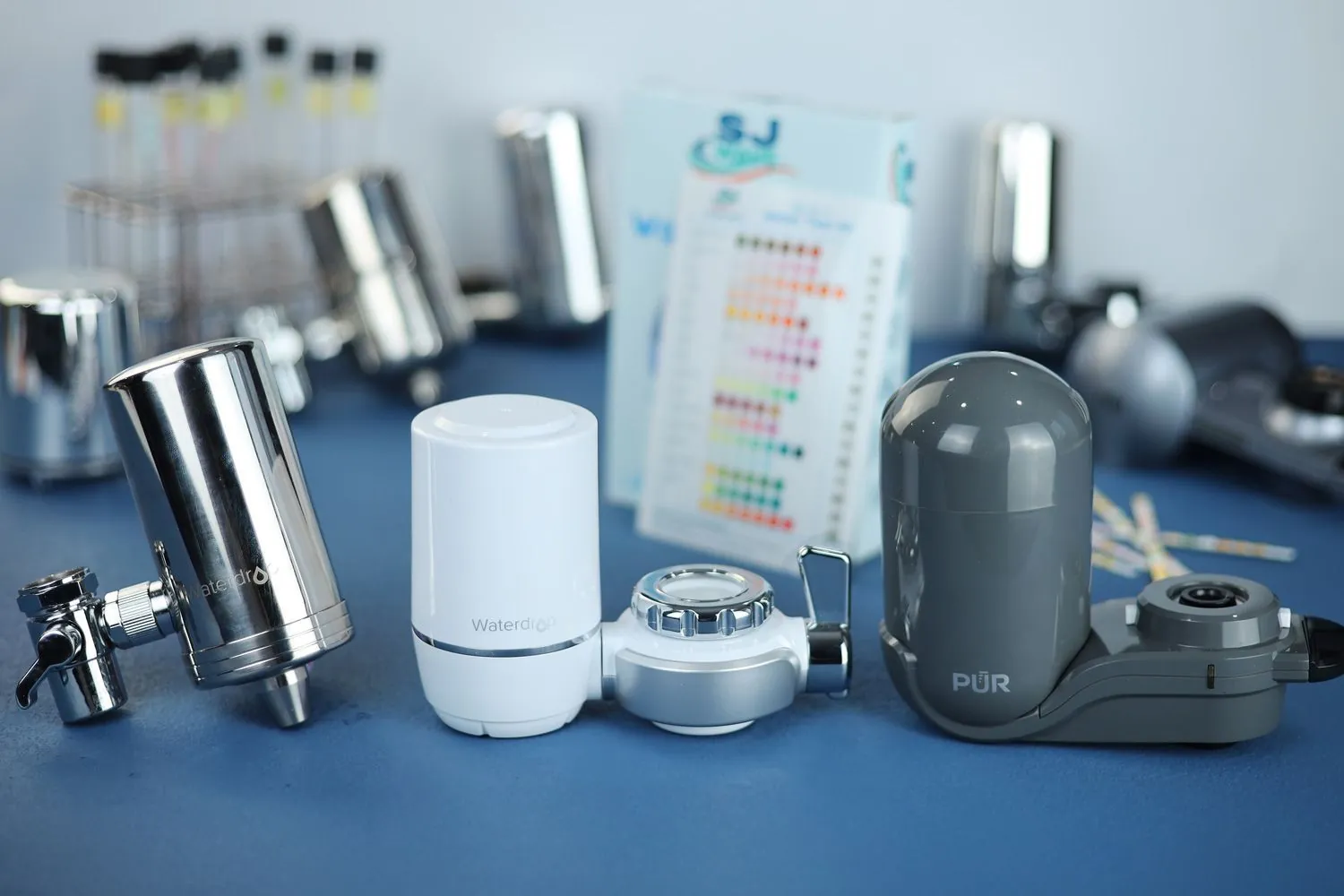
The Culligan FM-15 stands out because it uses a chrome-plated metal housing rather than the plastic casing found on most competing models. It suits users who want a durable, long-term fixture that can withstand the daily wear and tear of a busy family kitchen.
- Certified by the NSF International to reduce lead and chlorine taste.
- Features a 360-degree swivel design that makes it easier to fill large pots.
- Provides a simple diverter valve that’s less prone to leaking over time.
- Uses a replaceable cartridge that’s widely available in hardware stores.
This unit isn’t for those who want a sleek, minimalist look, as the metal housing is bulkier than plastic alternatives. If you have a high-pressure faucet, you must turn the handle only halfway to avoid blowing the filter seals. This is a common mistake that leads to premature leaking and wasted money on replacement cartridges.
Waterdrop 320 Filter System
The Waterdrop 320 is built for high-volume households that require a longer interval between filter changes. It suits people who dislike the hassle of monthly maintenance and prefer a system that lasts up to 6 months under typical household usage conditions.
The internal fiber carbon technology relies on a massive surface area to trap contaminants. While standard carbon blocks often suffer from pressure drops as they clog, this pleated design maintains a consistent flow rate for the duration of its lifespan. You should expect roughly 1.5 gallons per minute, which is significantly faster than the trickle common in entry-level faucet mounts.
The clear housing isn’t merely aesthetic. It serves as an early warning system for sediment buildup. If you notice the white filter media turning a dark gray or brown before the six-month mark, your local water supply likely contains high levels of particulate matter. Ignoring this visual cue often leads to a burst seal or a sudden drop in water pressure.
Installation relies on five included adapters to bridge the gap between the unit and your specific faucet thread. Before you begin, check your aerator for a hidden internal thread. If your faucet has a pull-out sprayer head, this system is incompatible; the weight of the filter will cause the hose to sag or disconnect from the docking station.
If your kitchen sink is small, the horizontal design of this filter might interfere with your ability to wash large dishes. For example, if you’re cleaning a large stockpot, you may need to remove the filter attachment entirely to gain enough clearance under the spout.
If you have less than eight inches of vertical space between your faucet outlet and the basin floor, the physical bulk of the unit will make daily dishwashing an exercise in frustration. In these tighter configurations, a dedicated under-sink system is a more practical investment.
Additional filtration options
DuPont WFFM100: This is a basic, no-frills option for those on a tight budget. It’s best for short-term use, such as in a temporary rental or a college dorm room where you only need basic chlorine reduction for a few months. Because the filter housing is made of thinner plastic, avoid using this model if your home has high water pressure exceeding 60 PSI, as the casing can develop hairline cracks over time.
If you notice a sudden drop in flow rate, replace the filter immediately rather than waiting for the suggested three-month interval, as the internal media can compress and cause backpressure that strains your faucet’s aerator.
InstaPure F2: This model focuses on ease of installation for unique or non-standard faucet shapes. It’s ideal for users with older faucet hardware who struggle to find adapters that fit properly without leaking or spraying water sideways.
When installing, apply a light coating of plumber’s silicone grease to the O-ring before tightening the collar. This prevents the rubber seal from binding or twisting, which is the most common cause of leaks in this specific unit. If your faucet has a pull-down sprayer head, this model won’t fit; you must use an under-sink filtration system instead.
If you live in an area with high sediment levels, neither of these options will suffice, as the small surface area of the filter media will clog in less than two weeks. In such cases, look for a system that includes a dedicated pre-filter stage to capture large particles before they reach the carbon core. This simple addition extends the life of your primary filter by up to 40 percent.
Choosing the right system
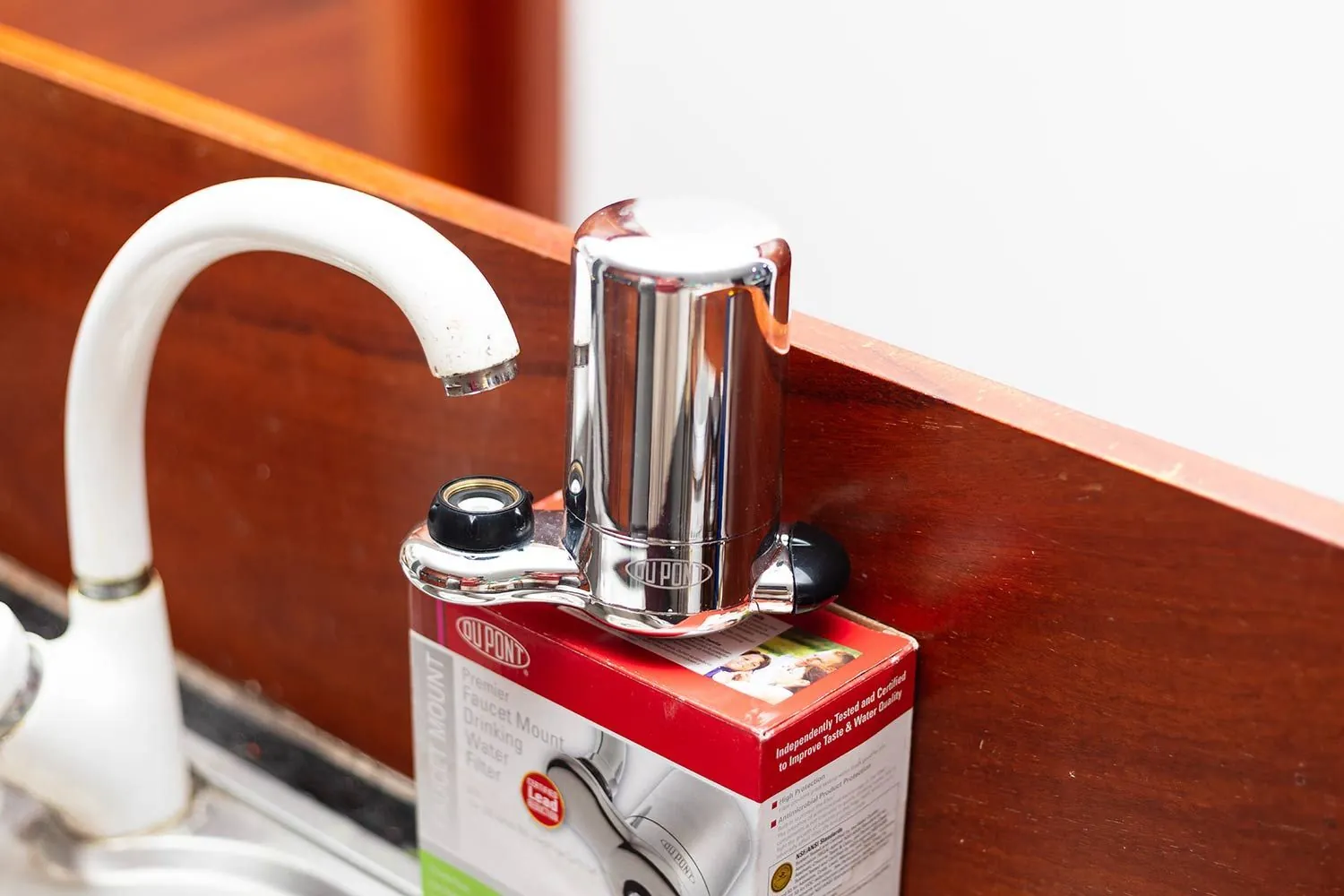
To decide which filter is yours, look at your water source and your daily habits. If you’re dealing with lead or heavy metals from older pipes, reach for the PUR Plus, as it’s specifically engineered for those contaminants.
If you only care about the taste of chlorine and want the simplest possible setup, the Brita Basic is the logical choice. For heavy-use kitchens where the filter will be bumped by pots and pans, the metal construction of the Culligan FM-15 is the most reliable option.
These systems are generally not compatible with pull-down or spray-head faucets, as these lack the necessary threads on the aerator. If you have a high-end designer faucet with a built-in sprayer, you’ll likely need an under-sink system instead. Picking one of these faucet mounts means you’re committed to using that specific brand’s replacement cartridges, as they’re rarely interchangeable between manufacturers.
Related guides
- Best Smart Water Bottles in 2026
- Pleatco vs Unicel: Which Pool Filter Lasts Longer? in 2026
- 5 Best Water Softeners for Well Water: Our Top Picks in 2026
Frequently asked questions
Can I use these filters with a pull-down sprayer faucet?
No, these filters are designed only for standard faucets that have a removable aerator with external threads. If your faucet head pulls down or has a built-in spray button, the filter can’t be attached securely because there’s no place to screw it on. You should check the manufacturer’s compatibility guide before buying, as attempting to force a fit on a spray-head faucet will likely damage the threads and cause leaks.
How often do I actually need to change the filter?
Change your filter every 3 months or after 100 gallons of water, whichever comes first. The exact lifespan depends on your local water’s sediment levels. If you live in an area with older iron pipes, you may notice the flow slowing down sooner.
Is it safe to drink water immediately after installing?
Yes, the water is safe to drink after you run cold water through the filter for 5 to 10 minutes. This initial flush clears out loose carbon dust from the manufacturing process. Skipping this step may result in harmless but unpleasant black specks in your water.
What happens if I use hot water through the filter?
You must never run hot water through these filters, as the heat can damage the carbon media and cause trapped contaminants to release back into your water. Most units have a diverter valve that’s intended for cold water use only.
Does the filter reduce the water pressure significantly?
Yes, you’ll notice a decrease in flow rate because the water must pass through a dense carbon block. This is normal and indicates that the filter is effectively trapping particles. If the flow becomes a trickle, the filter is clogged with sediment and needs replacement.
How can I tell if the filter is working correctly?
You can confirm the filter is working by observing the change in water taste and checking the indicator light on your device. Most modern faucet filters include a color-coded light or mechanical dial that tracks usage. If your water regains a strong chlorine smell, the filter media is exhausted.
Conclusion
Start by checking your faucet aerator to see if it has threads that match the adapter kit included with your chosen filter. Once installed, run cold water through the system for the full time recommended by the manual to prime the carbon block, which is complete when the water runs clear.