
If you’re adding salt to your pool, there’s one crucial step you can’t afford to miss: turning off your chlorinator. Skipping this simple action might seem harmless, but it can cause serious damage to your pool equipment and waste your salt investment.
You’ll discover exactly why turning off your chlorinator is essential and how doing it right can save you time, money, and frustration. Keep reading to protect your pool and enjoy crystal-clear water all season long.
Why Turn Off The Chlorinator?
Turning off the chlorinator before adding salt to your pool is a crucial step. It protects your pool system and keeps the water safe and balanced. Many pool owners miss this and face costly repairs or chemical issues.
Understanding why you need to turn off the chlorinator helps you maintain a healthy pool. It stops damage, chemical problems, and keeps you safe during the process.
Preventing Equipment Damage
The chlorinator uses electricity to create chlorine from salt. Adding salt while the system runs can cause electrical shorts. This may damage the cell and other parts. Turning off the chlorinator stops this risk. It protects your pool’s expensive equipment and ensures it lasts longer.
Avoiding Chemical Imbalance
Salt changes the water’s chemistry instantly. The chlorinator works based on current salt levels. Adding salt with the chlorinator on can cause incorrect chlorine production. This leads to high or low chlorine levels. Turning off the chlorinator helps keep chemicals balanced. Balanced water is safer and more comfortable for swimmers.
Ensuring Personal Safety
Handling salt near running electrical devices is risky. The chlorinator uses electricity and water, a dangerous mix. Turning off the chlorinator reduces the chance of electric shock. It makes the salt-adding process safer for you. Safety should be a top priority when working with pool equipment.
Credit: www.hayward.com
When To Switch Off The Chlorinator
Knowing when to switch off the chlorinator is important when adding salt to a pool. Turning off the device at the right time protects the system and keeps the water safe. It helps salt dissolve properly and stops damage to the chlorinator’s parts. This section explains the best moments to switch off the chlorinator during salt addition.
Timing Salt Addition
Turn off the chlorinator before adding salt. This prevents the device from running with uneven salt levels. Add salt slowly and spread it evenly across the pool. Avoid dumping salt in one spot. Keep the chlorinator off until the salt fully dissolves in the water.
Recommended Waiting Periods
Wait at least 24 hours after adding salt before turning on the chlorinator. This gives salt time to mix throughout the pool. Check the salt level with a tester. Ensure it matches the pool’s recommended range. This waiting period protects the chlorinator from damage and ensures it works well.
Signs Chlorinator Is Still Active
Look for bubbles or unusual noises near the chlorinator. These show it might still be running. Check the control panel for any lights or indicators. If the chlorinator is on, switch it off right away. Running the device during salt addition can cause corrosion or failure.
Steps To Safely Add Salt
Adding salt to your pool needs careful steps to keep it safe and effective. Follow these steps to protect your pool equipment and keep the water clean. Turn off the chlorinator before adding salt to avoid damage. The process is simple if done right.
Preparing The Pool Area
Start by turning off the pool pump and chlorinator. Clear the pool area of debris and leaves. Check the water level; it should be at the middle of the skimmer. Wear gloves to protect your hands from salt. Make sure you have the right amount of salt for your pool size. Read the salt package instructions carefully before starting.
Proper Salt Distribution
Pour salt slowly around the deep end of the pool. Avoid dumping salt in one spot. Spread it evenly over the water surface to dissolve faster. Use a pool brush to help dissolve salt on the pool floor. Run the pool pump for a few hours after adding salt to circulate it well. Check the salt level with a salt meter after 24 hours.
Avoiding Salt Clumps
Salt clumps can damage your pool system and cause uneven salinity. Pour salt in small amounts to avoid clumping. Stir the water gently to break any forming clumps. Use high-quality pool salt designed for saltwater pools. Do not add salt directly to the skimmer or near the equipment. Regularly check and break any salt clumps on the pool floor.
Restarting The Chlorinator
Restarting the chlorinator after adding salt is important for pool safety and water quality. Turning it back on too soon can cause damage to the system. Follow a careful process to ensure the chlorinator works well and lasts longer.
Checking Salt Levels
Before restarting, check the salt levels in your pool. Use a salt test kit or digital tester to measure it. The ideal salt level is usually between 2700 and 3400 ppm. Too little or too much salt can harm the chlorinator. Adjust the salt level if needed before switching the chlorinator back on.
System Inspection Before Restart
Inspect the chlorinator system for any signs of damage or wear. Look at the cell plates to see if they are clean and free from buildup. Check all connections and wires for loose parts or corrosion. Make sure the power supply is stable and the timer settings are correct. A quick inspection prevents future problems and keeps the system running smoothly.
Gradual Reactivation Process
Turn the chlorinator on slowly after checking salt and inspecting the system. Start with a low output setting to let the unit adjust. Monitor the pool water and chlorinator performance for a few hours. Increase the output gradually until the desired chlorine level is reached. This slow restart helps avoid stress on the equipment and maintains balanced pool water.
Common Mistakes To Avoid
Adding salt to your pool is important for the chlorinator to work well. But many people make avoidable mistakes during this step. These errors can damage your system or cause poor pool water quality. Knowing what to avoid helps keep your pool safe and clean.
Adding Salt With Chlorinator On
Never add salt while the chlorinator is running. The system can send electric current through the salt water. This might damage the chlorinator cell. Always turn off the chlorinator before adding salt. Wait until the salt dissolves fully before turning it back on.
Ignoring Manufacturer Guidelines
Each pool system has specific rules for salt levels and adding salt. Ignoring these can cause issues. Too much or too little salt harms the chlorinator and pool water balance. Always check your manufacturer’s instructions. Follow the recommended salt amounts and steps carefully.
Overlooking Safety Precautions
Salt is safe but can irritate skin or eyes if handled carelessly. Wear gloves and eye protection when adding salt. Avoid breathing in salt dust. Keep children and pets away during the process. Clean up any spilled salt immediately to prevent damage or injury.
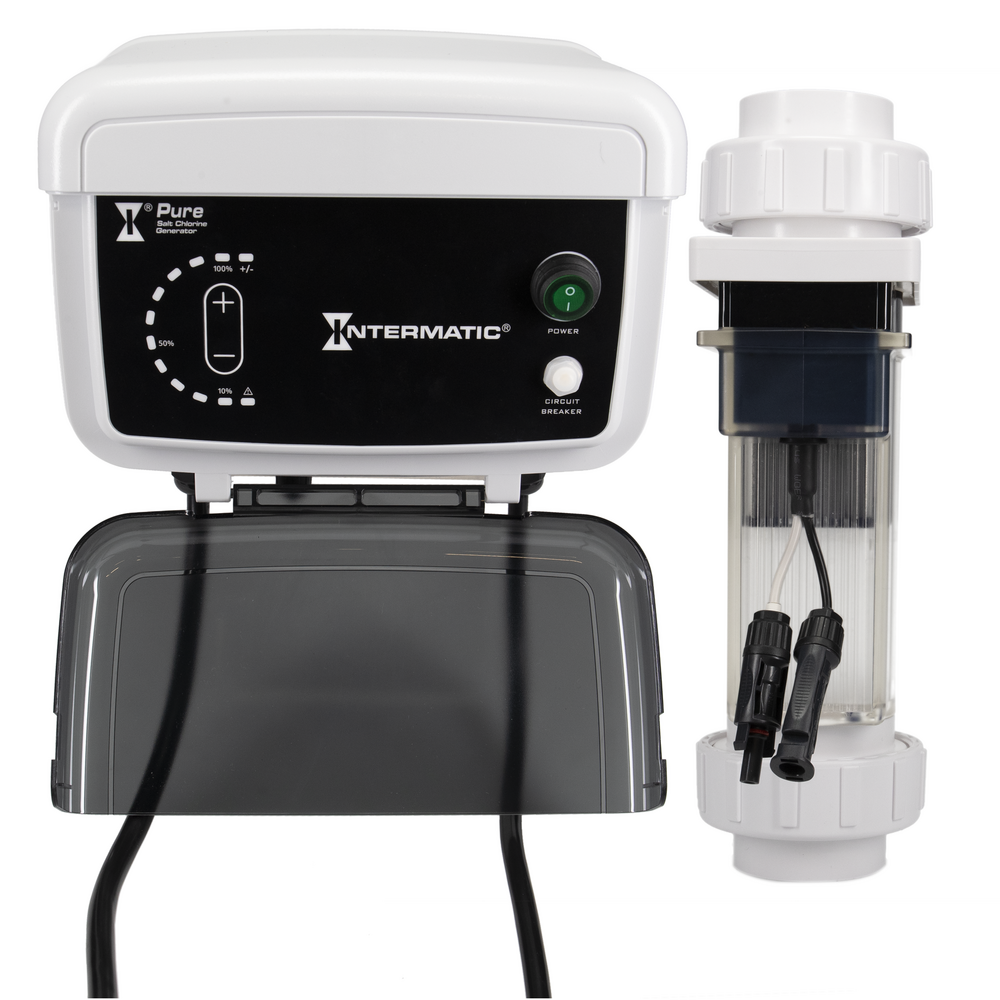
Credit: www.intermatic.com
Additional Safety Tips
Adding salt to your pool needs care and attention. Following extra safety tips keeps you and your pool safe. These simple steps help avoid accidents and damage.
Using Protective Gear
Wear gloves to protect your hands from salt and chemicals. Use safety goggles to shield your eyes. A mask helps avoid breathing in dust or fumes. Protective gear lowers risks during salt addition.
Proper Storage Of Pool Chemicals
Store chemicals in a cool, dry place away from sunlight. Keep them in tightly closed containers to avoid spills. Separate salt from other chemicals to prevent reactions. Safe storage extends chemical life and prevents hazards.
Regular Equipment Maintenance
Turn off the chlorinator before adding salt to protect it. Check your pool equipment often for leaks or damage. Clean the chlorinator and salt cell regularly to keep them working well. Proper maintenance prevents costly repairs and keeps your pool safe.

Credit: heatpumps4pools.com
Frequently Asked Questions
Why Should I Turn Off The Chlorinator When Adding Salt?
Turning off the chlorinator prevents damage during salt addition. It stops the system from running dry or short-circuiting. This protects your pool equipment.
How Long Should The Chlorinator Stay Off After Adding Salt?
Keep the chlorinator off for about 15 to 30 minutes. This time allows salt to dissolve fully and mix well. It ensures safe operation afterward.
Can I Add Salt While The Chlorinator Is Running?
Adding salt with the chlorinator on can cause damage. The system may short out or malfunction. Always turn off the chlorinator first.
What Happens If I Forget To Turn Off The Chlorinator?
Forgetting to turn off the chlorinator risks damage to its cell. It may cause electrical problems or reduce its lifespan. Avoid this to save repair costs.
Is It Safe To Turn The Chlorinator Back On Immediately?
Wait until salt is fully dissolved and water is mixed. This usually takes 15-30 minutes after adding salt. Then, it is safe to turn the chlorinator back on.
Does Salt Level Affect Chlorinator Performance?
Yes, proper salt levels help the chlorinator work efficiently. Too low or too high salt can cause poor chlorine production. Always keep salt within recommended ranges.
How Often Should I Check Salt Levels In My Pool?
Check salt levels at least once a month. Regular checks keep the chlorinator working well and your pool clean. Adjust salt as needed for best results.
Conclusion
Turning off the chlorinator before adding salt keeps your pool safe. It stops damage to the chlorinator and keeps salt levels balanced. This simple step helps your pool last longer and work better. Always check your pool manual for the best guidance.
Taking care of your pool means more fun and less trouble. Small actions like this make a big difference in pool maintenance. Keep your pool clean and clear by following this easy tip.