
Is your toilet running like a leaky faucet? Or maybe it’s making strange gurgling noises?
The culprit is often your toilet’s fill valve. This little part is crucial for your toilet to work correctly, but when it goes bad, it can cause a world of frustration (and wasted water!). But don’t worry, understanding the different types of toilet fill valves is the first step to fixing the problem.
We’ll break down exactly what you need to know so you can get your toilet back in tip-top shape.

Credit: helpfulcolin.com
Why Your Toilet Fills Slow
A slow-filling toilet is frustrating. You flush. You wait. The tank takes ages. This wastes your time. It disrupts your routine. Several things can cause this. Let’s explore them.
Water Supply Line Issues
Your toilet needs water. The supply line brings it. This line can get clogged. Mineral buildup is common. Debris can also block it. A partially closed valve limits flow. This slows filling. Check the valve first. Make sure it is fully open.
Old Or Worn Fill Valve
The fill valve is key. It controls water flow. Older valves wear out. Seals can become stiff. Internal parts may break. This restricts water entry. The tank fills very slowly. Replacing an old valve helps. New valves restore good flow.
Clogged Float Ball Or Cup
The float controls the valve. It rises with water. It shuts off water at a level. Debris can clog the float. A dirty float sticks. It might not rise properly. This can affect valve operation. A slow fill may result. Clean the float assembly.
Low Water Level In Tank
The tank needs enough water. This allows a strong flush. The fill valve sets this level. If the level is too low, filling slows. The float might be set wrong. Adjust the float for proper level. More water means faster refills.
Toilet Tank Obstructions
Something might block the tank. Debris can enter the tank. This can hinder water flow. It might obstruct the valve. Check inside the tank. Remove any foreign objects. Clear passages for good flow.
The Classic Ballcock
The classic ballcock is a familiar sight. Many older toilets use this design. It has a long history. This valve controls water flow into the tank. Let’s explore its features.
How It Works
A float ball is key. It rises with water level. A lever connects to the valve. The float lifts the lever. This closes the water supply. It’s a simple mechanism. Gravity plays a role too. When water drains, the ball drops. The lever opens the valve. Water refills the tank.
Advantages
Ballcocks are durable. They last for many years. Parts are often easy to find. Many plumbers know them well. They are generally inexpensive. Repairing them is usually simple. You can often fix them yourself.
Disadvantages
They can be noisy. Water can gurgle. Sometimes they leak slowly. The float ball can get heavy. This affects water level. Adjusting them takes practice. They are less efficient today. Newer valves save more water.
Modern Fluidmaster Valves
Modern Fluidmaster valves lead the pack. They are reliable. They are also very efficient. Many homeowners choose Fluidmaster. It is a trusted brand. Their designs are smart. They solve common toilet problems. Let’s explore them.
Fluidmaster 400a Universal Fill Valve
This is a popular choice. It fits most toilets. Installation is simple. It stops water waste. It refills the tank quickly. It is very quiet. You will not hear it run. It is a great upgrade.
Fluidmaster Duo-flo Fill Valve
This valve is unique. It has two functions. It fills the tank. It also flushes the toilet. This is an all-in-one system. It saves space. It simplifies plumbing. It is a clever design.
Fluidmaster Performax Universal Fill Valve
This valve offers peak performance. It fills tanks faster. It has a larger water flow. It is ideal for high-efficiency toilets. It ensures a strong flush. It is built to last.
Float Cup Valves
Float cup valves are common. They are a popular toilet fill valve choice. These valves use a cup. The cup floats on water. It controls water flow. This is a simple design. It has been used for years.
Understanding Float Cup Valves
A float cup valve works simply. A plastic cup attaches to the fill valve. This cup rises with the water level. It seals the valve at the right point. This stops more water from entering. The mechanism is easy to see. It is also easy to fix.
How Float Cup Valves Operate
When you flush the toilet, water drains. The float cup drops down. This opens the water inlet. Water rushes into the tank. The water level rises. The float cup also rises. It pushes a lever. This lever shuts off the water. The tank is now full. The process repeats with each flush.
Pros Of Float Cup Valves
Float cup valves are affordable. They are easy to find. Many homeowners know them. Repairs are usually simple. Parts are readily available. They offer reliable performance. Their design is straightforward.
Cons Of Float Cup Valves
These valves can wear out. The cup seal might degrade. Sometimes, they stick. This can cause a running toilet. Adjusting them can be tricky. They might not fit all tanks. Older models can be less efficient. They use more water than newer types.
Dual-flush Fill Valves
Dual-flush fill valves offer smart water saving. They give you two flush options. Choose a small flush. Or pick a full flush. This technology helps conserve water. It lowers your water bill too.
Understanding Dual-flush Operation
These valves have two buttons. One button is for liquid waste. It uses less water. The other button is for solid waste. It uses more water. The fill valve controls water flow. It refills the tank efficiently. You select the right flush. This saves water daily. It’s a simple, effective system.
Benefits Of Dual-flush Fill Valves
Save water. Save money. That’s the main benefit. These valves reduce water usage. They are good for the environment. They help you pay less. Your water bill goes down. They are easy to use. Just press the right button. Simple operation for everyone.
Installation And Maintenance
Installing a dual-flush valve is possible. Many DIYers can do it. Instructions are usually clear. Check your toilet model. Make sure it’s compatible. Maintenance is also simple. Keep the valve clean. Flush out debris regularly. This ensures smooth operation. It prevents leaks too.
:max_bytes(150000):strip_icc()/different-types-of-toilet-fill-valves-4094288-hero-36904464b8984347843e4311c6a26769.jpg)
Credit: www.thespruce.com
Universal Fill Valves
Universal fill valves work with many toilets. They replace old, leaky parts. This keeps your toilet running smoothly.
What Exactly Is A Universal Fill Valve?
A universal fill valve fits most toilets. It is a popular choice for many homeowners. This valve replaces older, worn-out parts. It ensures your toilet tank refills properly. These valves are designed for easy installation. They adapt to various toilet tank designs.
Why Choose A Universal Fill Valve?
Simplicity is key. You do not need specific brand knowledge. A universal valve works with many models. This saves you time and effort. It is a cost-effective solution too. You get reliable performance. Your toilet will function better.
How Universal Fill Valves Work
These valves control water flow. They stop water when the tank is full. A float mechanism adjusts water level. This mechanism is usually adjustable. It ensures the correct water height. The valve then shuts off incoming water. This prevents overflow and waste.
Installing A Universal Fill Valve
Installation is generally straightforward. You will need basic tools. Turn off the water supply first. Drain the old water from the tank. Remove the old fill valve. Install the new universal valve. Follow the manufacturer’s instructions. Connect the water supply line. Turn the water back on. Test the new valve.
Benefits Of Universal Fill Valves
They offer great flexibility. You can fix many toilet issues. Leaks and slow refilling stop. Water conservation is a plus. They are widely available. You can find them easily. This makes repairs quick.
Valve Installation Basics
Understanding toilet fill valve types is key for proper installation. Different valves exist, like float cup and ballcock styles. Each has a unique way to control water flow.
Installing a new toilet fill valve is simple. You can do it yourself. No special tools are needed. A few basic steps make it easy.Gather Your Supplies
Get your new fill valve. You will need a wrench. A towel is also helpful. Have a bucket ready.Turn Off Water Supply
Locate the water shut-off valve. It is usually on the wall. Turn the handle clockwise. Stop the water flow completely.Drain The Tank
Flush the toilet. This empties the tank. Hold the flush lever down. Remove any remaining water. Use a sponge or towel.Remove The Old Valve
Disconnect the water supply line. Use your wrench. Unscrew the lock nut. It holds the old valve. Lift the old valve out.Install The New Valve
Place the new valve in position. Secure it with the lock nut. Tighten it firmly. Do not overtighten.Connect Water Supply
Attach the water supply line. Connect it to the new valve. Tighten the connection. Use your wrench.Turn Water Back On
Slowly open the shut-off valve. Turn the handle counterclockwise. Let water fill the tank. Check for leaks.Test The New Valve
Flush the toilet. Watch the valve work. Ensure it fills correctly. The tank should refill. The valve should shut off.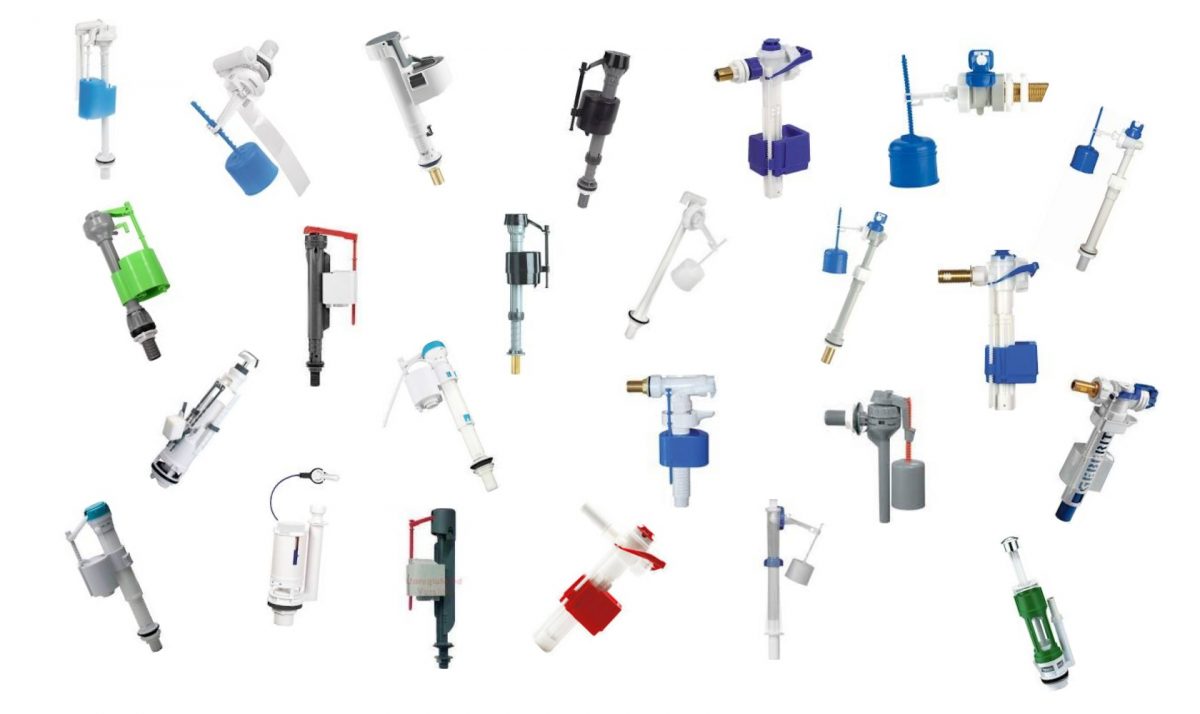
Credit: helpfulcolin.com
Troubleshooting Common Issues
Toilet fill valves can act up. Troubleshooting common problems is easy. You can fix many issues yourself. This saves you time. It also saves you money.
Running Toilet Mystery Solved
Your toilet keeps running. Water flows into the bowl. This wastes a lot of water. The fill valve is often the cause. It might not shut off fully. Check the float. Is it set too high? Adjust it lower. The float cup might be sticking. Clean it gently. Sometimes, the seal is worn out. Replace the seal. This often fixes the problem.
Weak Flush? Not Anymore
Your toilet flush is weak. The tank does not fill enough. This is another fill valve issue. The float level might be too low. Raise the float. This allows more water into the tank. The refill tube could be loose. Make sure it connects securely. It should go into the overflow tube. A clogged refill tube also slows filling. Clean out any debris.
Strange Noises From Your Tank
Your toilet tank makes noise. It might whistle or hum. This is usually a simple fix. The valve seat might be dirty. Clean the valve seat thoroughly. Sometimes, the valve itself is old. It might need replacement. New fill valves are quiet. They work much better too. Listen for the noise. Pinpoint its source. This helps you fix it fast.
Water Level Too High Or Low
The water level is wrong. It is too high or too low. The float adjustment is key. Turn the adjustment screw. Make small changes. Test the water level. Repeat if needed. A damaged float can cause this. It may not float correctly. Check the float for cracks. Replace a damaged float. Proper water level is important.
Choosing The Right Valve
Different toilet fill valves exist. Understanding types helps you choose correctly. Select the best fit for your needs.
Choosing the right toilet fill valve is crucial. It keeps your toilet working well. A good valve saves water. It also prevents leaks. You want a valve that fits your toilet tank. Consider ease of installation. Think about durability too. Your choice impacts performance.Understanding Your Toilet Tank
First, know your tank. Look inside your toilet tank. See the existing valve. Note its shape. Measure its height. Different tanks need different valves. This step is important.Types Of Fill Valves
Two main types exist. One is a float ball valve. It uses a large, round float. The other is a float cup valve. It has a smaller float. This float slides up and down. Float cup valves are common now. They are more efficient.Installation And Maintenance
Installation is usually simple. Most valves are DIY friendly. Check the manufacturer’s instructions. Regular maintenance helps. Clean the valve sometimes. This prevents clogs. A clean valve works better.Water Efficiency
Look for water-saving models. Many new valves are efficient. They use less water per flush. This lowers your water bill. It also helps the environment. Choose a dual-flush option. It offers more savings.Durability And Lifespan
Valve materials matter. Plastic is common. Metal parts last longer. Some valves have warranties. A longer warranty suggests quality. Invest in a durable valve. It will serve you well.Frequently Asked Questions
What Is A Toilet Fill Valve?
A toilet fill valve controls water flow into the tank. It refills the tank after each flush. This part is crucial for proper toilet function.
What Are The Main Fill Valve Types?
The most common types are float-cup and float-ball valves. Newer toilets often use quiet, adjustable float-cup designs. Older models may have the classic float-ball style.
How Does A Float-cup Valve Work?
A cup moves up and down on a rod. As the water rises, the cup seals the valve. This stops the water flow at the right level.
What Is A Float-ball Fill Valve?
This valve uses a round ball attached to an arm. The ball floats on the water’s surface. As the water fills, the arm lifts and shuts off the water.
Are There Universal Toilet Fill Valves?
Yes, many fill valves are universal. They can replace most older or broken valves. Always check compatibility before buying.
How Do I Choose The Right Fill Valve?
Consider your toilet’s brand and model. Check if your current valve is a float-cup or float-ball type. Many new valves are adjustable for an easy fit.
When Should I Replace My Fill Valve?
Replace it if the toilet runs constantly. A leaky valve wastes water. You might also replace it for a quieter flush.
Conclusion
Choosing the right toilet fill valve matters. Understand your options. Ballcock types are common. Float cup valves offer efficiency. Dual-action valves save water too. Inspect your current valve. Match it for a good fit. Simple repairs save money. Keep your toilet working well.
This knowledge helps you.