
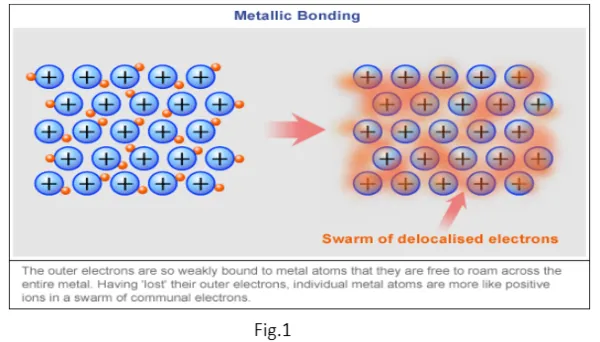
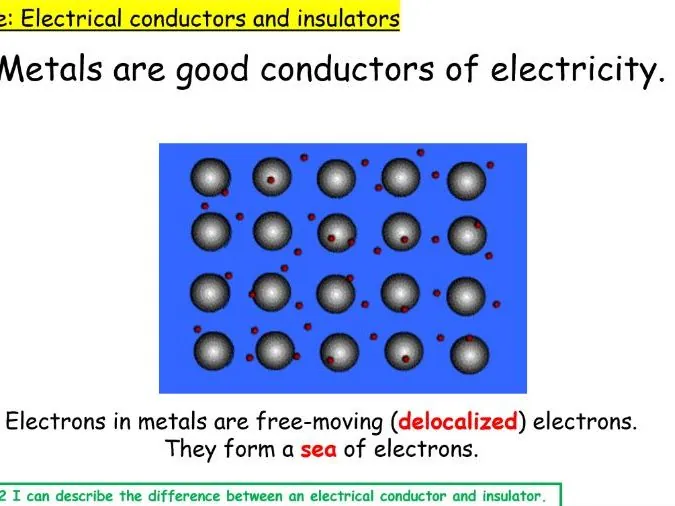
Free electrons move through the atomic structure with very little resistance, which is why the reasons why metals are such good conductors relate to their unique bonding. In a solid piece of metal, atoms share their outer electrons in a “sea” that flows freely around the positive nuclei. This mobility allows electrical charge to travel across the material almost instantly when you apply a voltage.
Why metals are such good conductors
| Cause | How common | How to confirm it | Fix it yourself? |
|---|---|---|---|
| Crystal lattice defects | Very common | Check for material purity | No |
| Impurity atoms | Common | Compare with known data | No |
| Oxidation layers | Frequent | Inspect surface visual cues | Yes |
The role of free electron mobility
The most important factor in metal conductivity is the presence of delocalized electrons. In most materials, electrons are locked into specific bonds between atoms. In metals, the valence electrons detach from their parent atoms and form a shared cloud. This arrangement allows them to move through the entire lattice structure without being bound to a single location.
When you apply a potential difference, these free electrons drift toward the positive terminal. Because they aren’t held tightly by the nucleus, they require very little energy to start moving. This creates a high current flow with minimal energy loss. If the metal has a high density of these free electrons, it will conduct electricity more efficiently than materials with fewer available charges.
The atomic arrangement remains consistent in pure samples, but external factors can change the speed of these electrons. For instance, conductive properties of materials are often influenced by the specific electronic configuration of the element. You can find these standard values in scientific databases. If the structure is disturbed by impurities, the electrons collide with these obstacles, which slows down the overall flow of current.
Impact of thermal energy on conductivity
Temperature changes cause atoms to vibrate more intensely, which directly interferes with the movement of free electrons. At higher temperatures, the metal lattice vibrates, creating a more chaotic path for the electrons to navigate. This increased scattering results in higher electrical resistance.
If you’re working with a circuit, you might notice that performance drops as the device heats up. This is a common trade-off in electrical design: you get better performance in cold environments, but you must account for heat dissipation to maintain stability. If you use a metal at a very high temperature, you should expect a lower current capacity compared to the same metal at room temperature.
This effect is predictable for most common metals like copper or aluminum. The resistance increases almost linearly as the temperature rises within standard operating ranges. If you need to keep conductivity high, you must provide active cooling or choose a material with a lower temperature coefficient. This isn’t for someone who ignores heat management, as excessive heat can permanently alter the physical properties of the metal wire or component.
Surface oxidation and contact resistance
Metals react with oxygen over time to form a thin layer of oxide on their surface. This layer is usually a poor conductor compared to the base metal, creating a barrier that slows down current flow. If you’re joining two metal pieces, this layer often causes a “voltage drop” at the connection point.
You can often fix this by cleaning the surface with a fine abrasive or a specialized chemical cleaner. If the connection remains poor, the oxide layer might be too thick or the contact pressure might be insufficient. A mistake people often make is assuming that tightening a screw will break through thick corrosion; this usually just damages the threads without making a good electrical path.
The limit for this fix depends on the depth of the oxidation. If you have to remove more than a thin surface layer to reach clean metal, the integrity of the component is likely compromised. In such cases, replacing the part is the only safe way to restore full conductivity. If you’re unsure about the safety of a connection, always consult the manufacturer’s manual for the specific torque and cleaning requirements.
Rare influences on electron flow
- Mechanical stress: Bending or stretching a wire can create microscopic cracks that increase resistance.
- Magnetic fields: Strong external fields can deflect the path of moving electrons, which is a rare issue in standard household wiring.
- Alloying: Adding other elements to a metal creates a new material that’s almost always less conductive than the pure base metal.
- Frequency: At very high radio frequencies, current tends to flow only on the outer surface of the metal, which changes the effective resistance.
Requirements for effective electrical repairs
Fixing conductivity issues usually requires basic hand tools and a multimeter. You’ll need a way to measure resistance, typically a digital multimeter set to the lowest ohm range. The time required depends on the accessibility of the connection; simple repairs take only a few minutes, while buried connections require disassembly that can take an hour or more.
The cost of these repairs is generally low, as it mostly involves cleaning supplies or small hardware replacements like washers or bolts. If you need to replace a damaged wire or terminal, the cost scales with the thickness and length of the material. You can get a real quote for parts by checking the specifications on the device’s official support page. Never guess the wire gauge; always match the existing size to ensure the system remains safe and functional.
Frequently asked questions
Can I use any metal for electrical wiring?
No, you should only use metals designed for electrical applications, such as copper or aluminum. While other metals conduct electricity, they may have high resistance, corrosion issues, or structural weaknesses that make them unsafe for wiring. Always check the local building codes or the manufacturer’s documentation for the approved material list.
Why does aluminum conduct worse than copper?
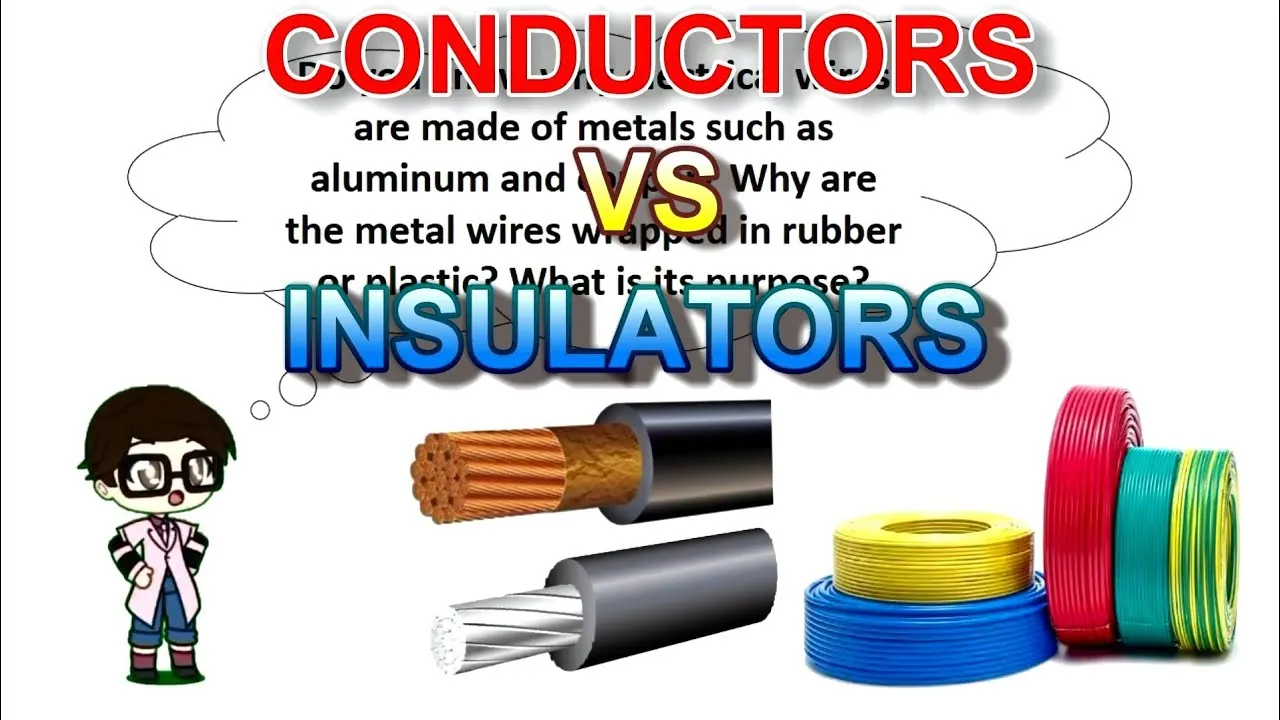
Aluminum has a higher resistivity than copper, meaning it provides more opposition to electron flow for the same thickness. It’s roughly 60% as conductive as copper, so you must use a larger diameter aluminum wire to carry the same current safely. This is why aluminum wires appear thicker than copper wires in residential applications.
Is it safe to touch a metal conductor?
It isn’t safe if the conductor is part of an active electrical circuit. Even if the metal is a good conductor, it will transfer the voltage directly to your body, which can cause severe injury. Always disconnect the power source and verify the circuit is dead before touching any exposed metal components.
How long does a metal wire last?
Metal wires can last for many decades if they’re protected from corrosion, heat, and physical stress. In a stable environment, the material doesn’t degrade on its own; however, the insulation around it often fails much sooner. Check the manufacturer’s lifespan ratings on the cable packaging for the specific environment it’s meant for.
Does the shape of the metal matter?
Yes, the shape determines the cross-sectional area, which directly affects the total resistance of the conductor. A thicker wire has more paths for electrons to move through, resulting in lower total resistance. If you change from a flat bar to a round wire of the same mass, the performance will change based on the cross-sectional area.
What happens if I use a rusted wire?
The rust, or iron oxide, acts as an insulator that blocks the flow of electrons through the contact points. This increases the resistance at the connection, which generates heat and can lead to a fire hazard. If you see visible rust on an electrical connection, you must clean or replace the terminal immediately.
Conclusion
Conductivity is a fundamental property of metals that depends on the freedom of their electrons to move through the lattice. By keeping your connections clean and managing the temperature of your components, you can ensure that electricity flows efficiently through your systems. Always prioritize safety by using the correct materials and following the guidelines provided by the equipment manufacturer.
