
When it comes to keeping your pool clean and safe, understanding the difference between stabilized and unstabilized chlorine can make all the difference. You might think all chlorine is the same, but choosing the right type can save you time, money, and frustration.
Whether you’re a pool owner or just curious about water treatment, this guide will help you make smarter decisions for your water’s health. Keep reading to discover which chlorine works best for your needs and why it matters more than you might think.
Credit: www.swimuniversity.com
Chlorine Basics
Understanding chlorine is key to knowing how it keeps water safe and clean. Chlorine helps remove germs and harmful substances from water. It works by killing bacteria and other tiny organisms that can cause illness.
Chlorine comes in different forms, which affect how it works in water. Knowing the basics helps you choose the right type for your needs. This section explains what chlorine is and how it is used in water treatment.
What Is Chlorine?
Chlorine is a chemical element used to kill germs. It appears as a greenish-yellow gas at room temperature. In water treatment, it is usually added in liquid or solid form.
Chlorine reacts with water to form substances that destroy bacteria and viruses. This keeps water safe to drink and use. It also helps prevent the growth of algae and other unwanted organisms.
Common Uses In Water Treatment
Chlorine is widely used to clean drinking water. It removes harmful microbes that cause diseases. Many city water systems add chlorine to keep water safe for residents.
Swimming pools also use chlorine to keep water clear and free of germs. It helps maintain a healthy swimming environment. Chlorine is added regularly to prevent contamination and bad smells.
In wastewater treatment, chlorine helps remove harmful bacteria before water returns to nature. This protects ecosystems and public health. Its strong disinfecting power makes it valuable in many water treatment processes.
Credit: www.youtube.com
What Is Stabilized Chlorine?
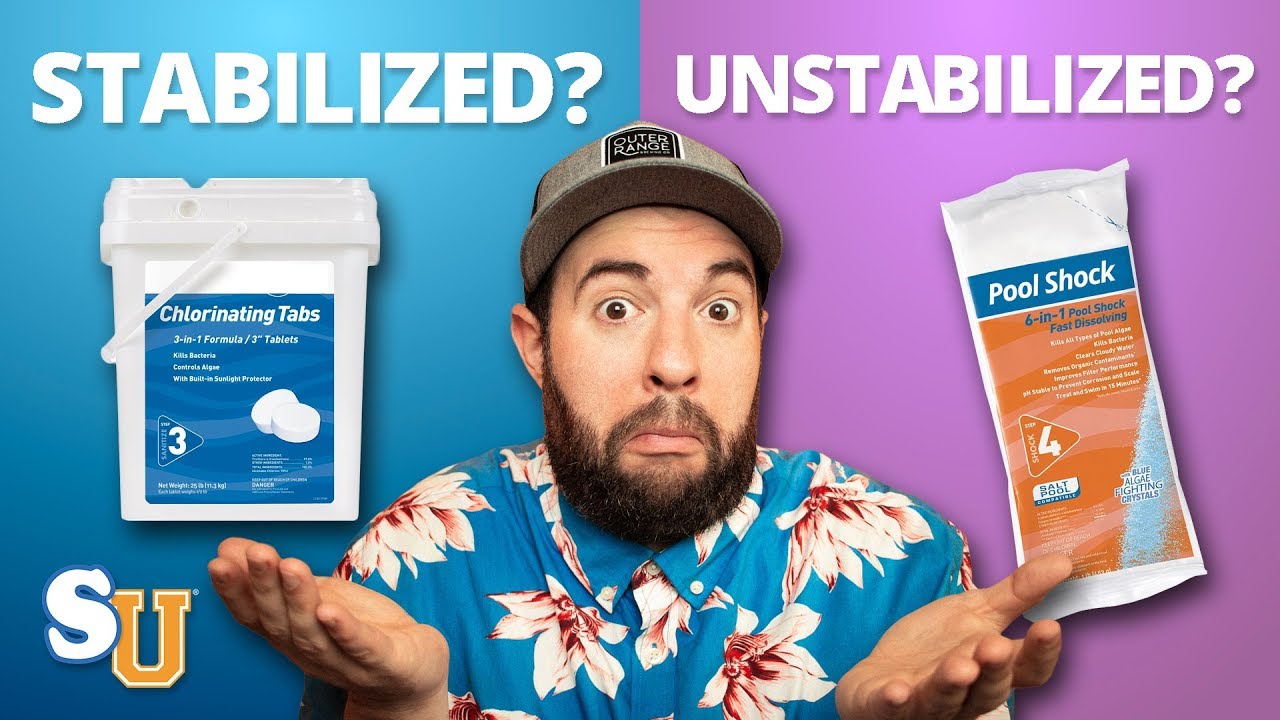
Stabilized chlorine is a type of chlorine used to keep pool water clean. It contains a special chemical called cyanuric acid. This chemical helps protect the chlorine from breaking down quickly. Pools treated with stabilized chlorine stay sanitized longer. This makes it easier to maintain safe water for swimming.
Unlike unstabilized chlorine, stabilized chlorine lasts longer in sunlight. It helps reduce the need for adding chlorine often. This saves time and effort for pool owners. Understanding how stabilized chlorine works can help you choose the right pool sanitizer.
Role Of Cyanuric Acid
Cyanuric acid is the key ingredient in stabilized chlorine. It acts as a shield against the sun’s UV rays. Without cyanuric acid, chlorine breaks down fast when exposed to sunlight. This causes the chlorine to lose its disinfecting power quickly.
The cyanuric acid slows down this process. It holds chlorine molecules together, keeping them effective longer. It also prevents chlorine from evaporating too fast. This helps maintain a consistent chlorine level in the pool water.
Advantages Of Stabilized Chlorine
Stabilized chlorine lasts longer in outdoor pools. It reduces the frequency of adding chlorine. This saves money and effort over time. It also helps keep the pool water clean and safe.
Stabilized chlorine works well under strong sunlight. It protects chlorine from degrading quickly. This keeps the water sanitized for more hours each day. Pool owners find it easier to manage water quality.
Using stabilized chlorine can prevent common pool problems. It helps avoid algae growth and cloudy water. Maintaining proper chlorine levels becomes simpler with this type. It is a popular choice for many pool owners.
What Is Unstabilized Chlorine?
Unstabilized chlorine is a common type of chlorine used to sanitize water. It does not contain cyanuric acid, which is a stabilizer that protects chlorine from sunlight. This means unstabilized chlorine breaks down faster when exposed to sunlight. It works quickly to kill bacteria and algae in pools or spas. Many pool owners choose unstabilized chlorine for specific needs and water types.
Characteristics Of Unstabilized Chlorine
Unstabilized chlorine has a strong, fast-acting effect. It dissolves quickly in water and starts disinfecting immediately. Without stabilizers, it loses strength fast under sunlight. This type of chlorine is usually less expensive than stabilized versions. It leaves no lasting chemical residue in the water. Its pH level is usually neutral or slightly alkaline. It requires more frequent dosing to maintain proper chlorine levels.
Common Applications
Unstabilized chlorine is ideal for indoor pools and spas. It works well in shaded or covered water areas. It is often used in shock treatments to clear cloudy water. This chlorine type is good for small water features or fountains. It can also be used in water systems where sunlight exposure is minimal. Some pool owners prefer it for quick cleaning and algae control.
Key Differences Between Stabilized And Unstabilized Chlorine
Understanding the key differences between stabilized and unstabilized chlorine helps you choose the right pool sanitizer. Each type affects pool water differently. Knowing these differences improves pool care and safety. The choice impacts how long chlorine lasts, its effectiveness, and the cost.
Chemical Composition
Stabilized chlorine contains cyanuric acid, a chemical stabilizer. This acid protects chlorine from breaking down quickly. Unstabilized chlorine lacks this acid. It is pure chlorine without added chemicals. This difference affects how chlorine behaves in the pool.
Effectiveness In Sunlight
Sunlight breaks down chlorine in pools fast. Stabilized chlorine resists this breakdown well. The cyanuric acid shields it from UV rays. Unstabilized chlorine loses strength quickly under sunlight. It works best in indoor pools or shaded areas.
Impact On Water Chemistry
Stabilized chlorine raises cyanuric acid levels in pool water. High cyanuric acid can reduce chlorine’s killing power. Unstabilized chlorine does not increase cyanuric acid. It offers more control over pool chemistry. Regular testing helps maintain balanced water.
Cost Considerations
Stabilized chlorine usually costs less per dose. It lasts longer in outdoor pools. Unstabilized chlorine may need frequent adding, raising costs. Choosing depends on pool type and sunlight exposure. Budget and maintenance ease influence the decision.
Choosing The Right Chlorine For Your Needs
Choosing the right chlorine is key to keeping your pool clean and safe. Different types of chlorine work better for different pools. Knowing your pool’s needs helps you pick the best option. This section explains how pool size, environment, and upkeep affect your choice between stabilized and unstabilized chlorine.
Pool Size And Usage
Smaller pools often need less chlorine. Unstabilized chlorine can work well here because it acts fast. Larger pools or pools used a lot may benefit from stabilized chlorine. It lasts longer in the water. This means fewer additions of chlorine are needed. Consider how often people swim and the pool’s size before choosing.
Environmental Factors
Sunlight breaks down unstabilized chlorine quickly. Pools exposed to strong sunlight do better with stabilized chlorine. Stabilizers protect chlorine from UV rays. Pools in shaded areas or indoors can use unstabilized chlorine easily. Rain and wind can also affect chlorine levels. Choose the type that fits your local weather conditions.
Maintenance Requirements
Unstabilized chlorine needs more frequent checks and dosing. It requires careful monitoring to keep levels steady. Stabilized chlorine is easier to manage because it lasts longer. It cuts down on how often you add chlorine. Think about how much time you can spend on pool care. This helps decide which chlorine is right for you.

Credit: www.swimmingpoolsteve.com
Safety And Handling Tips
Handling chlorine safely is crucial for both stabilized and unstabilized types. Both forms can be hazardous if not stored or used correctly. Understanding safety tips helps prevent accidents and health risks.
Proper handling protects your health and keeps the environment safe. Follow clear guidelines for storage and use. These simple steps reduce dangers and ensure effective chlorine performance.
Storage Guidelines
Store chlorine in a cool, dry place. Avoid direct sunlight and heat sources. Keep containers tightly closed to prevent leaks. Use well-ventilated areas to reduce gas buildup. Separate chlorine from acids and other chemicals. Store stabilized and unstabilized chlorine separately if possible. Check containers regularly for damage or corrosion. Proper storage extends chlorine life and reduces risks.
Proper Usage Practices
Wear protective gear like gloves and goggles. Use chlorine in well-ventilated spaces. Follow manufacturer instructions carefully for dosage. Avoid mixing stabilized and unstabilized chlorine. Do not mix chlorine with other chemicals. Handle chlorine with care to avoid spills. Clean any spills immediately with water. Always wash hands after handling chlorine. These steps keep you and others safe during use.
Frequently Asked Questions
What Is Stabilized Chlorine In Pool Treatment?
Stabilized chlorine contains cyanuric acid to protect it from sunlight. This helps chlorine last longer in outdoor pools. It reduces chlorine loss caused by UV rays.
How Does Unstabilized Chlorine Differ From Stabilized Chlorine?
Unstabilized chlorine lacks cyanuric acid, so sunlight breaks it down quickly. It works fast but needs frequent reapplication. Best for indoor pools or shaded areas.
Which Chlorine Type Is Better For Outdoor Pools?
Stabilized chlorine suits outdoor pools because it resists sunlight degradation. It keeps water sanitized longer without constant adding. Saves time and maintains cleaner water.
Can Unstabilized Chlorine Be Used Safely In Pools?
Yes, but it needs careful management due to quick breakdown. It’s ideal for short-term shock treatments or indoor pools. Regular testing ensures proper chlorine levels.
Why Is Cyanuric Acid Important In Stabilized Chlorine?
Cyanuric acid acts as a sunscreen for chlorine in water. It prevents chlorine from evaporating fast under sun exposure. Keeps pool water protected and sanitized for longer.
Conclusion
Choosing between stabilized and unstabilized chlorine depends on your pool needs. Stabilized chlorine lasts longer under the sun. Unstabilized chlorine works faster but breaks down quickly. Both help keep pool water clean and safe. Think about your pool size, sun exposure, and usage.
Proper use keeps water clear and healthy. Test your pool regularly to maintain balance. This simple step saves time and money. Understanding these chlorine types helps you maintain a better pool. Keep your water fresh and inviting all season long.