
Deciding between a private septic tank vs sewer connection is a major decision for homeowners, often dictated by location, infrastructure, and long-term financial planning. If you’re weighing these two waste management systems, you should expect to pay between $5,000 and $15,000 for a new septic system installation, while connecting to a municipal sewer line typically ranges from $3,000 to $12,000 in tap fees and labor, depending on the distance from your home to the main line.
Key Takeaways

- Septic systems require regular professional pumping every three to five years to prevent tank failure.
- Municipal sewer connections eliminate the need for onsite maintenance but incur monthly utility bills for service.
- Septic tanks rely on natural, biological breakdown of waste, whereas sewer systems transport waste to a central plant.
- Proximity to the main sewer line is the primary factor determining if a municipal connection is even feasible.
- Property value can be affected by sewer availability, as many buyers prefer the reliability of a public utility system.
How Septic Systems Actually Work
A septic system is an onsite wastewater treatment solution. It consists of a large, underground container that stores solid waste while allowing liquid effluent to drain into a leach field or drain field. The process relies on anaerobic bacteria to break down solids. Over time, these solids form a layer of sludge at the bottom and scum at the top. The liquid clarifies and flows out into the soil, where natural filtration cleans it before it reaches groundwater.
Components of a Septic Setup
- Concrete or plastic tanks (e.g., Infiltrator Water Technologies).
- Distribution boxes that direct effluent flow.
- Perforated pipes buried in gravel-filled trenches.
- Inspection ports for monitoring sludge levels.
Understanding Municipal Sewer Connections
Connecting to a municipal sewer system means your home’s plumbing is tied directly into a network of pipes managed by your local government. These pipes carry all household wastewater to a centralized wastewater treatment plant.
Once the water reaches the facility, it undergoes chemical and biological treatment to remove pollutants before being discharged into a local body of water. This system is essentially “out of sight, out of mind” for the homeowner, as the municipality handles all maintenance of the main lines.
Comparing Septic Tank and Sewer Connection Costs
When analyzing the financial impact, it’s helpful to look at the immediate installation costs versus the long-term recurring expenses. Septic systems have high upfront costs but zero monthly usage fees, whereas sewer connections have lower upfront costs but permanent monthly bills. According to the United States Environmental Protection Agency septic system guidelines, homeowners are responsible for the entire maintenance of their private septic tank and drain field.
| Feature | Septic Tank System | Municipal Sewer Connection |
|---|---|---|
| Upfront Cost | $5,000 – $15,000 | $3,000 – $12,000 |
| Monthly Fees | $0 (except pumping) | $30 – $100 |
| Maintenance | Owner responsibility | City/County responsibility |
| Lifespan | 20 – 40 years | 50+ years for main lines |
Pros and Cons for Homeowners
Choosing between these systems often comes down to your personal tolerance for maintenance and your long-term budget. Septic tanks provide independence from public utilities, meaning you aren’t subject to rate hikes or municipal service disruptions. However, you’re solely responsible for the system’s integrity. If a pipe bursts or the drain field fails, you pay the full repair cost.
Conversely, a sewer connection is a shared responsibility. You pay a monthly fee, and in exchange, the city ensures the waste is removed and treated. This is generally seen as a low-stress option for families who don’t want to manage technical equipment.
The Benefits of Septic
- No monthly sewer utility bills.
- Greater independence during infrastructure failures.
- Lower environmental footprint in rural areas.
The Benefits of Sewer
- Consistent, reliable waste removal.
- Higher resale value in suburban markets.
- No need to schedule septic pumping.
Is a Sewer Connection Better?
Many homeowners ask if a sewer connection is objectively “better.” The answer is usually yes, provided the infrastructure exists nearby. Municipal sewer lines are designed to handle high volumes of waste and are monitored by professional engineers.
A septic system, while effective when properly maintained, is always at risk of soil saturation or biological failure if the household exceeds its design capacity. If you have the option to connect to a municipal line, it’s typically the superior choice for long-term property stability.
Maintenance Requirements for Septic Tanks
If you choose or are forced to use a septic tank, you must commit to a strict maintenance schedule. Neglecting a septic tank leads to catastrophic failure, which can result in sewage backing up into your basement or surfacing in your yard.
- Pumping Schedule: Have the tank pumped every three to five years.
- Chemical Use: Avoid harsh household cleaners that kill beneficial bacteria.
- Water Usage: Install low-flow toilets to reduce the volume of liquid entering the field.
- Landscaping: Never park vehicles or plant deep-rooted trees over the drain field.
What Factors Influence Connection Costs?
The cost to connect to a municipal line is rarely just the price of the pipe. If your house is far from the street, you’ll pay significantly more for excavation and directional boring.
Cost-Driving Factors
- Distance to main: Every foot of pipe adds labor and material costs.
- Permit fees: Local municipalities charge for the right to tap into the system.
- Restoration: You must pay to repave your driveway or replace landscaping disturbed by trenching.
- Impact fees: Some cities charge a one-time “buy-in” fee for the municipal infrastructure.
Troubleshooting Common System Issues
Whether you have a septic tank or a sewer line, you need to know how to spot trouble early. For septic systems, the most common sign of failure is slow-draining sinks or a foul odor in the yard. For sewer connections, the primary issue is a backflow or blockage that affects the entire house simultaneously.
Troubleshooting Septic Tanks
- Slow drains: Often indicates the tank is full or the filter is clogged.
- Lush, green grass: A sign that the drain field is leaking effluent near the surface.
- Gurgling sounds: A sign of improper venting or a struggling tank.
Troubleshooting Sewer Lines
- Multiple clogs: If every toilet and drain is slow, the blockage is in the main line.
- Sewage smell: Indicates a break or a vent issue near the house foundation.
- Water pooling: A sign of a broken lateral pipe between your home and the city main.
Choosing the Right Local Contractor
You should never attempt to install or repair a sewer connection or septic system yourself. These tasks require heavy machinery, specialized permits, and knowledge of local environmental codes. Look for contractors who are licensed, bonded, and insured.
- Septic Specialists: Ensure they’re certified for tank installation and soil testing.
- Plumbing Contractors: Look for those experienced in “sewer lateral” work.
- References: Always ask for local examples of their work.
Warning: Never attempt to enter a septic tank yourself. The gases inside, including hydrogen sulfide and methane, are toxic and can be fatal within minutes due to oxygen displacement.
Impact on Property Resale Value
In most real estate markets, homes connected to a municipal sewer system are easier to sell and often command a higher price. Buyers are often wary of the potential liability of an aging septic system, especially if they don’t have the technical skills to maintain it. If you’re preparing to sell your home, having a certified inspection of your septic system can mitigate buyer concerns and prevent the deal from falling through during the due diligence period.
Related guides
Frequently Asked Questions
Can I convert my septic to sewer?
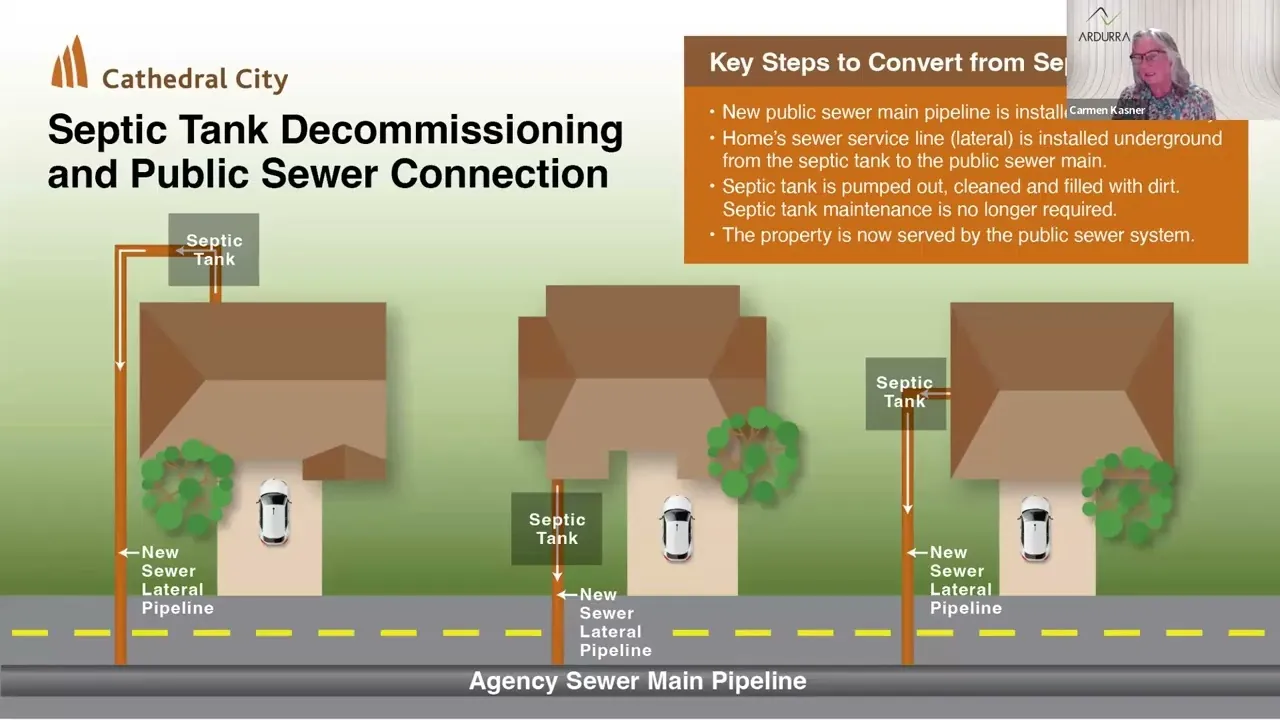
Yes, in most cases, you can convert from a septic system to a municipal sewer connection if a sewer main is available on your street. You’ll need to hire a licensed plumber to disconnect your home from the septic tank, abandon or remove the tank according to local health department codes, and connect your home’s main sewer pipe to the city’s municipal line.
How do I know if I have a septic tank?
You can usually find out by checking your property disclosure documents or your local county health department records. If you have a well for your water supply, you almost certainly have a septic system. You can also look for a concrete lid or plastic inspection port in your yard, which typically marks the location of the septic tank access point.
What is a sewer lateral?
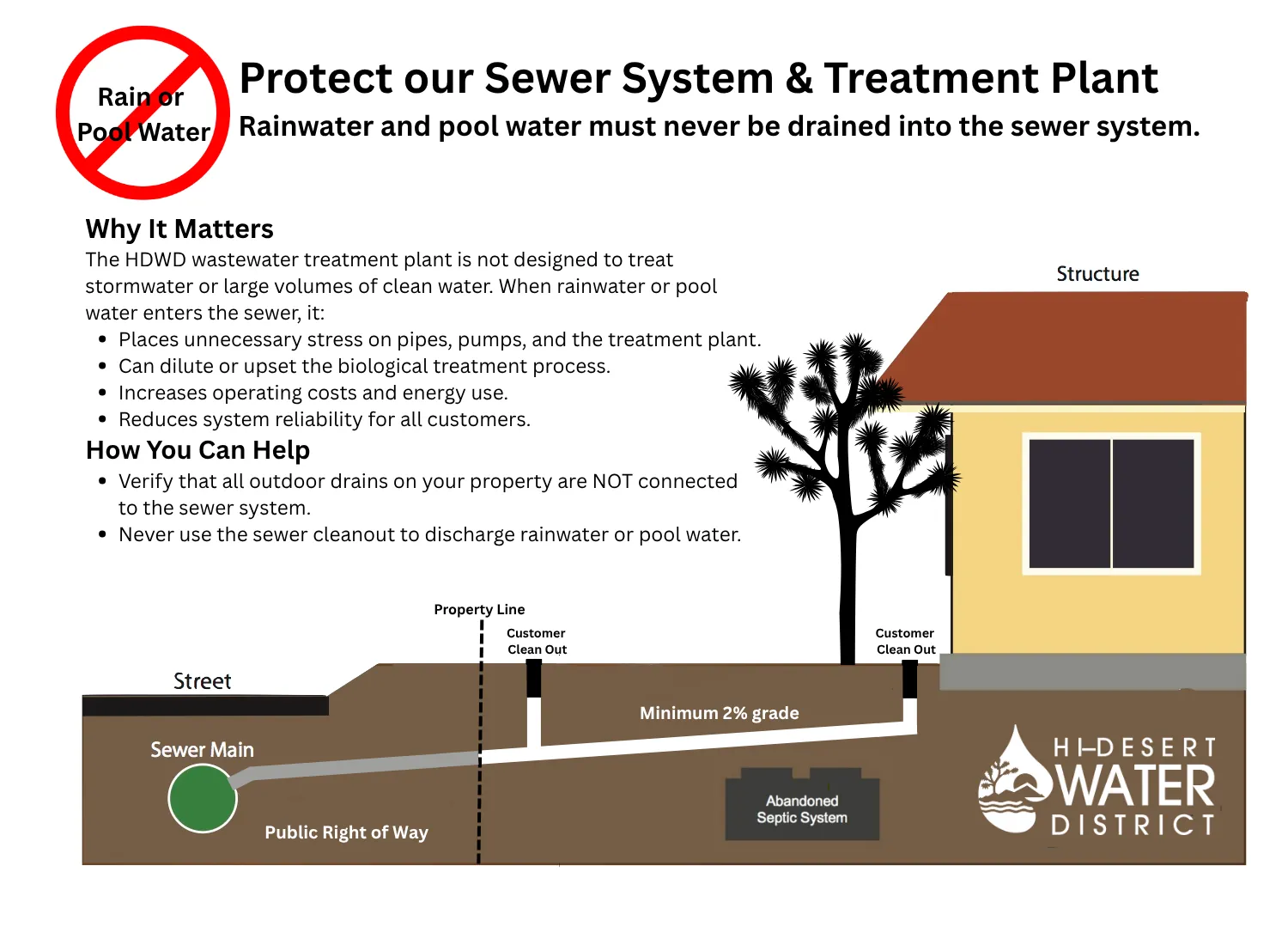
A sewer lateral is the underground pipe that carries wastewater from your home to the municipal sewer main, usually located under the street. While the city is responsible for the main line, the homeowner is typically responsible for the maintenance and repair of the lateral pipe all the way from the house to the connection point at the municipal main.
Is it cheaper to repair a septic system or connect to the city?
This depends on the extent of the septic failure. If your drain field has failed, replacing it’s often as expensive as paying the hook-up fees for a municipal sewer. If you only need a simple repair, such as replacing a distribution box or a filter, sticking with the septic system is usually more cost-effective than paying the high entry costs for a city sewer connection.
How often should a sewer line be inspected?
Even though you’re connected to the city, it’s wise to have a professional plumber inspect your sewer lateral with a camera every five to ten years. This can identify tree root intrusions or cracks in the pipe before they cause a major backup, allowing you to perform spot repairs rather than a full pipe replacement.
Pro Tip: If you live in an area with many mature trees, use a root-killing foaming product once a year in your toilets to prevent tree roots from entering your sewer pipes and causing expensive blockages.
Conclusion
If you’re currently deciding which path to take, start by contacting your local municipal water and sewer department to determine the exact distance from your home to the nearest main line. Once you have that distance, request quotes from two or three local contractors to compare the cost of a sewer connection against a professional inspection and potential upgrade of your current septic system.