
Choosing between a round toilet vs elongated toilet is a common dilemma for homeowners updating their bathrooms. While the primary difference lies in the shape and length of the bowl, this choice impacts your available floor space, the comfort level of the seat, and the overall aesthetic of your bathroom. You’ll typically spend between $150 and $900 for a high-quality residential toilet, depending on whether you choose a floor-mounted model, a wall-hung unit, or a luxury smart toilet system. Understanding these differences ensures you select a fixture that fits your plumbing rough-in while meeting your expectations for daily use.
Key Takeaways
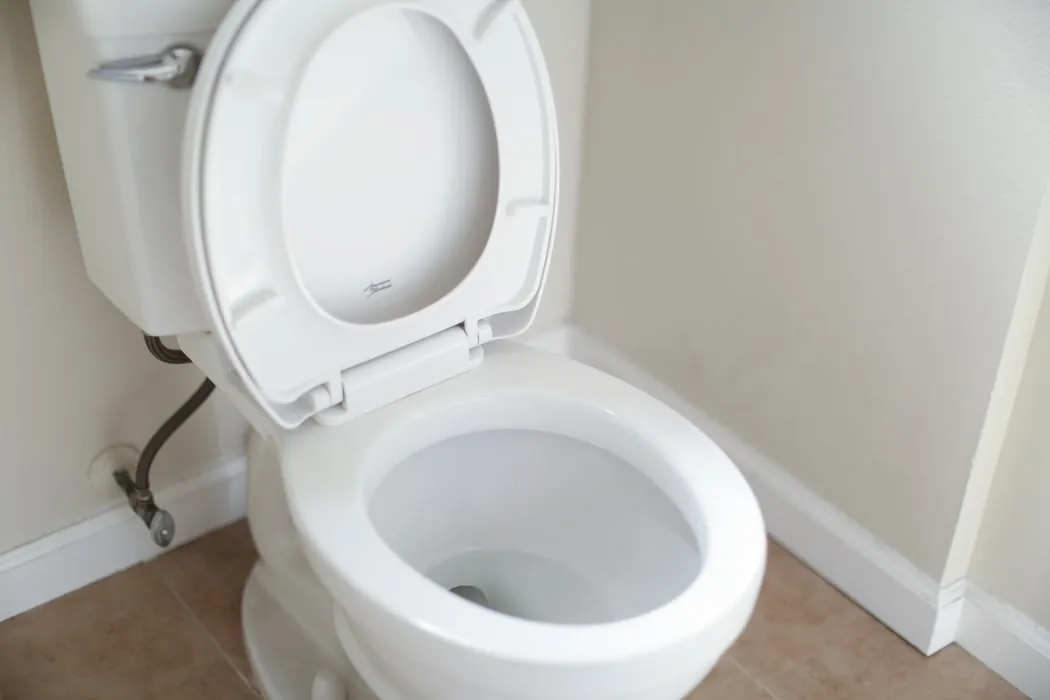
- Round bowls are ideal for small powder rooms or tight bathrooms where every inch of floor space matters.
- Elongated bowls provide superior comfort for adults and are generally considered the standard for master bathrooms.
- Always measure your “rough-in” distance from the wall to the floor bolts before purchasing any new toilet.
- An elongated seat adds about 2 to 3 inches of length compared to a standard round seat.
- Modern smart toilet features, such as heated seats or integrated bidets, are almost exclusively designed for elongated bowls.
Why Shape Matters for Comfort
The most significant difference between these two shapes is the depth of the bowl. An elongated toilet features an oval-shaped bowl that extends further out from the tank. This design provides more surface area for the seat, which many adults find significantly more comfortable for extended periods. If you have a larger frame, the extra support provided by an elongated design can make a noticeable difference in your daily routine.
In contrast, a round toilet bowl is circular and more compact. While this design is perfectly functional, it offers less support for the thighs and can feel restrictive for larger individuals. However, for children or people with a smaller stature, the round bowl is often perfectly adequate and easier to access. When considering your household demographics, prioritize the primary user of the bathroom to determine which shape will offer the best long-term satisfaction.
Measuring Your Bathroom Floor Space
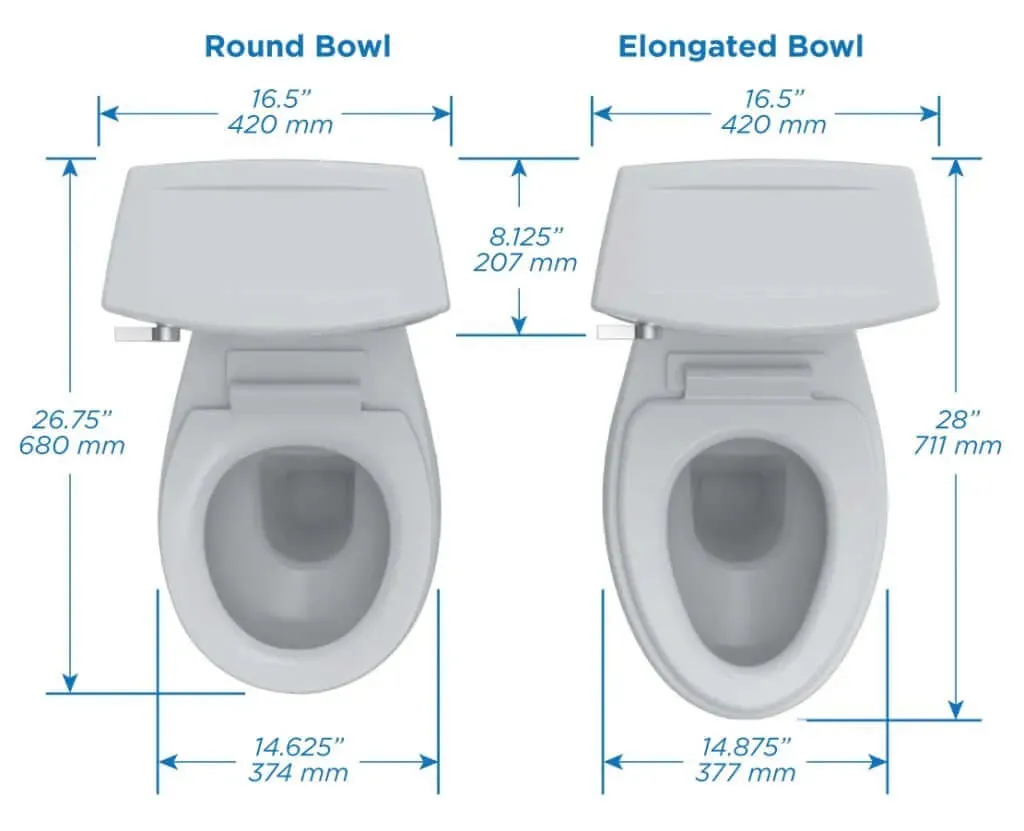
Before you commit to a specific model, you must measure your bathroom. The most common mistake homeowners make is buying an elongated toilet for a room that simply doesn’t have the clearance to accommodate it. A standard round bowl typically measures about 16.5 inches from the mounting bolts to the front of the bowl, whereas an elongated bowl measures approximately 18.5 inches.
Pro Tip: Always maintain at least 21 inches of clearance in front of your toilet to ensure the space remains accessible and compliant with local building codes.
If your bathroom door swings inward, an elongated toilet might interfere with the door’s arc, creating a safety hazard or a frustrating layout. Use a tape measure to check the distance from the wall behind the tank to the closest obstruction, such as a vanity, a shower door, or the entrance door. If you have less than 30 inches of total depth, a round bowl is usually the safest and most practical choice.
Comparing Round and Elongated Specs
| Feature | Round Toilet | Elongated Toilet |
|---|---|---|
| Bowl Length | 16.5 inches | 18.5 inches |
| Floor Space Needed | Minimal | Moderate to Large |
| User Comfort | Good for children | Excellent for adults |
| Aesthetic Appeal | Classic, compact | Modern, sleek |
| Availability | Standard | Standard |
Understanding the Rough-In Distance
The “rough-in” is the distance from the finished wall behind the toilet to the center of the floor drain pipe. This measurement is the most critical factor in your installation process. Most modern homes use a standard 12-inch rough-in, but older homes may have 10-inch or 14-inch configurations. Regardless of whether you choose a round or elongated bowl, the rough-in remains the same for the plumbing connection.
Warning: Never assume your rough-in is 12 inches without measuring; if you purchase a toilet that doesn’t match your existing floor drain, you’ll face a costly plumbing relocation or be forced to return the unit.
You can verify your rough-in by measuring from the wall to the center of the closet bolts that secure the toilet to the floor. If you have baseboard molding, make sure to measure from the wall itself, not the trim, to get an accurate reading.
Aesthetics and Bathroom Design
Choosing the right bowl shape can significantly influence the visual flow of your bathroom. Elongated toilets have a longer, more streamlined profile that often looks more modern and sophisticated. This shape is the industry standard for contemporary high-end renovations and is a common feature in luxury hotel bathrooms.
Round toilets, on the other hand, have a more traditional and utilitarian look. They’re perfect for small, minimalist, or vintage-inspired bathrooms where a large, protruding toilet would look out of place. If you’re aiming for a clean, unobtrusive look in a small powder room, the round bowl is your best option. It tucks away into corners and tight spaces without dominating the room.
Which Shape is Better for Cleaning?
Cleaning is an often overlooked factor when comparing these two designs. Because round toilets have less surface area, they’re generally faster to wipe down and sanitize. The shorter bowl length means fewer nooks and crannies where dust and grime can accumulate over time. If you’re responsible for cleaning multiple bathrooms in a busy household, the simplicity of a round bowl can save you a few minutes each week.
Elongated toilets, while slightly larger, often feature “skirted” designs that hide the trapway. These models are exceptionally easy to clean because they present a smooth, flat surface on the exterior. When choosing your toilet, look for skirted trapways or glazed trapways to minimize the effort required to keep the unit looking pristine. Regardless of the shape, regular maintenance with non-abrasive cleaners is essential to preserve the finish of the porcelain.
Installation and Compatibility Factors
Installing an elongated or round toilet involves the same basic steps. You’ll need a wax ring, a set of closet bolts, and a wrench to secure the unit to the flange. Because the footprint of the toilet tank is usually the same for both shapes, you’ll rarely encounter issues with wall clearance regarding the tank itself. The primary concern is always the forward projection into the room.
When purchasing a toilet, consider the following components:
- Wax ring with a plastic horn for better alignment.
- Brass closet bolts to prevent rusting over time.
- Shut-off valve to ensure water can be isolated during the install.
- Supply line made of braided stainless steel.
Can You Swap a Round for Elongated?
Many homeowners wonder if they can upgrade to an elongated bowl in a space that previously housed a round toilet. The answer is yes, provided you have the physical clearance. If you have an extra 2 or 3 inches of space in front of your current round toilet, you can safely install an elongated model without needing to relocate any plumbing.
However, be prepared to replace your seat as well. A round seat won’t fit an elongated bowl, and an elongated seat won’t fit a round bowl. Most manufacturers sell seats specifically matched to their bowl shapes. When shopping, always verify the bolt spread, which is the distance between the two mounting holes on the bowl, to ensure your seat fits securely.
Common Toilet Brands and Models
When you’re ready to shop, several brands offer excellent options in both round and elongated configurations. Look for models that offer high-efficiency flushing technology to save water.
- Kohler models like the Cimarron or Memoirs offer both configurations.
- Toto is highly regarded for its washlet-compatible elongated bowls.
- American Standard provides budget-friendly options with durable finishes.
- Mansfield offers classic designs that are easy to source at local hardware stores.
- Gerber is known for reliable, contractor-grade toilets that last for decades.
Related guides
- 8 Best Duravit Universal Elongated Toilets Reviewed in 2026
- 10 Best Round Toilet Seats for Comfort and Durability in 2026
- 10 Best Elongated Toilet Seats With Slow Close Reviewed in 2026
Frequently Asked Questions
Is an elongated toilet more expensive?
Generally, no. Most manufacturers price their round and elongated models similarly, as the cost is driven more by the flushing mechanism, the material quality, and the design of the tank rather than the shape of the bowl. You’ll find that both styles are available at every price point, from basic entry-level models to high-end luxury fixtures.
Do elongated toilets clog more often?
No, the risk of clogging isn’t determined by the shape of the bowl, but rather by the design of the trapway and the power of the flush system. A high-quality toilet with a fully glazed trapway will perform well regardless of whether the bowl is round or elongated. Focus on the “MaP score” or flushing performance ratings rather than the shape when concerned about clogs.
Can I use a round seat on an elongated bowl?
No, you can’t use a round seat on an elongated bowl. The shapes are physically incompatible, and a round seat will leave part of the elongated bowl exposed, which is both uncomfortable and unsightly. You must purchase a seat that matches the shape and dimensions of your specific toilet bowl to ensure safety, comfort, and a proper aesthetic finish.
Which shape is better for small kids?
Round toilets are often considered better for small children because the smaller opening and shorter reach make them easier to sit on securely. An elongated bowl can feel too large for a toddler, potentially making them feel like they might slip into the bowl. Many parents find that the standard round seat provides a more stable and less intimidating experience for potty training.
Are elongated toilets ADA compliant?
Yes, elongated bowls are preferred for ADA (Americans with Disabilities Act) compliance because they’re often paired with “comfort height” or “right height” designs. These toilets are taller than standard models, making it easier for individuals with mobility issues to sit down and stand up. While a round bowl can be “comfort height,” the elongated shape is the standard choice for accessible bathroom renovations.
Conclusion
Take a moment to measure your current bathroom clearance and the distance from your wall to the floor drain today. Once you have these two numbers, you’ll know exactly which footprint will work for your space. Visit your local plumbing supply store or home improvement center with those measurements to compare the comfort of different models in person before finalizing your purchase.