
A salt-based system is the best choice for removing hard minerals like calcium and magnesium because it chemically exchanges them for sodium, whereas a salt vs salt free water softener comparison shows that the latter only prevents scale buildup without removing the minerals themselves. You should choose a salt-based unit if you have very hard water that leaves spots on your dishes or builds up in your pipes. If you only care about protecting your plumbing from scale and don’t mind the mineral content, a salt-free system is the better, low-maintenance option.
Salt versus salt free water options
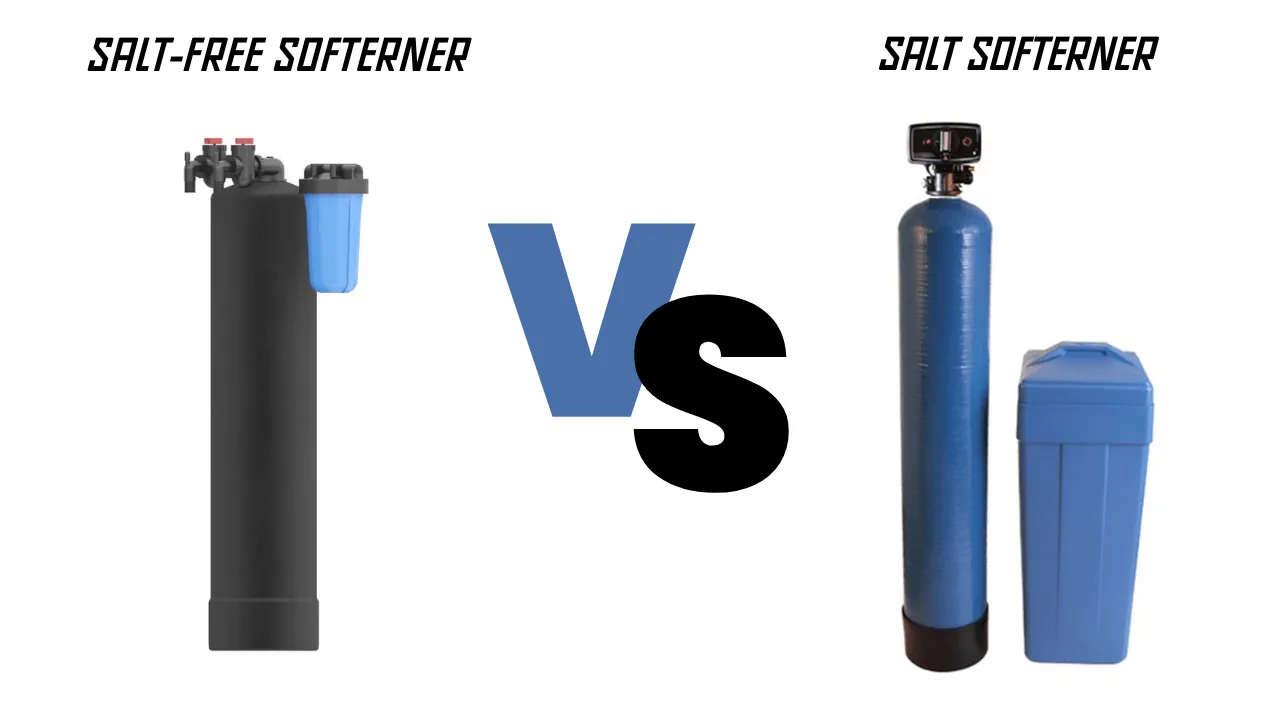
Deciding between these systems depends on whether you want to remove hardness or simply manage it. The table below outlines how these technologies perform in a typical home setting.
| Method | How long | Effort | Cost | Best for |
|---|---|---|---|---|
| Ion Exchange | High | Medium | Total removal | |
| Template Assisted | Low | Medium | Scale prevention | |
| Magnetic/Electric | Very Low | Low | Light scale |
Choose ion exchange if your primary goal is removing calcium and magnesium ions entirely to prevent soap scum and spotting. This method requires regular salt refills and brine tank cleaning, which adds significant maintenance time. If you ignore the salt levels, the resin bed eventually fouls, requiring a costly full-system replacement.
Select template-assisted crystallization when you want to protect pipes from scale without removing minerals. This technology alters the structure of minerals so they can’t adhere to surfaces. It works best if your water hardness level stays below 25 grains per gallon. If your water tests higher, this method may show reduced effectiveness in preventing buildup in your water heater.
Magnetic or electric devices serve as a budget-friendly option for light scale management. Use these only if your home has low-flow plumbing and minimal hardness. They provide no benefit for high-volume households with heavy mineral deposits.
Ion exchange softening
This method uses a resin bed to swap hard calcium and magnesium ions for sodium ions. It’s the only way to truly soften water and make it feel slippery on your skin.
- Set the brine tank to regenerate based on your household water usage, usually once every 7 to 10 days.
- Add high-purity water softener salt to the brine tank whenever the level drops below half-full.
- Check the drain line annually to ensure no clogs exist.
This process is excellent for preventing soap scum and protecting delicate water heaters. However, it requires a drain for backwashing, which makes it difficult to install in some older homes. If you have a private septic system, you should check your local building codes, as some areas restrict the discharge of brine into groundwater systems.
Template assisted crystallization
This technology uses a specialized media to turn dissolved calcium into tiny crystals that can’t stick to pipes. It doesn’t remove minerals, so your water remains “hard” by scientific definitions.
Install the unit on your main water line where it enters the home. Ensure you place it after the main shut-off valve but before any branching lines to protect the entire plumbing system.
Replace the internal media cartridge periodically depending on local water quality. If your water hardness exceeds 25 grains per gallon, expect to replace the media more frequently to maintain efficiency.
Flush the system for 10 minutes after a new filter install to remove loose particles. Failing to do this can clog your faucet aerators with microscopic crystal dust.
These units are great for people who want zero maintenance and no wasted water. A major trade-off is that they don’t improve the feel of your water for bathing or laundry.
If your water has high levels of chlorine or sediment, you must install a pre-filter, or the media will fail prematurely. Chlorine levels above 3 parts per million will degrade the catalytic media, causing the system to stop preventing scale buildup entirely.
Magnetic and electric descalers
These devices wrap around the outside of your pipes and use electromagnetic fields to change the structure of mineral ions. They’re inexpensive and very easy to install.
Clean the outside of the pipe thoroughly to ensure the device makes direct contact. Wrap the coils or attach the magnets firmly to the main supply line. Plug the device into a standard GFCI outlet and verify the indicator light glows.
These are perfect for renters or those on a tight budget who only want to stop scale in the pipes. Their weakness is that they have the least evidence behind them and often fail to work on older, corroded galvanized steel pipes. If the device doesn’t have a clear indicator light, you have no way of knowing if it’s active.
If you have copper or PEX plumbing, these units may show results within three weeks by reducing new buildup. However, they can’t remove existing scale. If you see white crusting on your faucets after a month, the device is likely ineffective for your specific water chemistry.
Avoid installing these on iron pipes. The metal absorbs the magnetic field, preventing the signal from reaching the water. If your home has a high flow rate, choose a model with at least two coils to ensure the field has enough time to affect the passing minerals.
Choosing the right system
When you’re in a hurry and need an instant fix for scale, a magnetic descaler is the easiest to install. Clamp it onto the exterior of your main pipe in under five minutes.
If you’re doing this for the first time and want to ensure your plumbing stays clean, a template-assisted crystallization system is the most reliable “set and forget” option. These units require a filter cartridge change every six to twelve months. They prevent buildup without the need for electricity or drain lines.
If you want the best possible result regardless of the effort required, an ion exchange softener is the only choice because it actually removes the calcium and magnesium. You’ll know you need this system if your soap refuses to lather or if you see white spots on glass shower doors.
The trade-off is simple: do you want to remove minerals for a better feel, or do you just want to stop scale? If you choose ion exchange, you accept the chore of hauling 40-pound salt bags monthly. If you choose salt-free, you accept that your water will still feel hard in the shower.
Rules for all systems
Regardless of the method, you must verify your water pressure before starting any installation. Most residential systems are designed for a range of 30 to 80 psi. If your gauge reads above 80 psi, you must install a pressure-reducing valve immediately to prevent catastrophic pipe bursts or fixture leaks.
Test your pressure at the outdoor spigot closest to the main line using a simple screw-on gauge. If the needle fluctuates wildly, your pressure regulator is likely failing and requires replacement before you add any new hardware.
Always shut off your main water supply before cutting into your plumbing lines. Open the lowest faucet in the house to drain the remaining water, which prevents residual spray from soaking your workspace.
If you’re unsure about the integrity of your pipes, contact a licensed plumber. Never attempt a complex installation if you aren’t comfortable working with pressurized systems, as a single mistake can cause thousands of dollars in water damage.
Always keep your receipts and warranty cards in a safe place. Manufacturers often require proof of professional installation to honor long-term guarantees, and missing paperwork will void your coverage if a defect appears later.
Related guides
Frequently asked questions
Can I use a salt-free system if I have very hard water?
Yes, you can use a salt-free system, but it won’t remove the minerals. It will only stop them from sticking to your fixtures and pipes. If you have extremely high hardness levels, you might still see some spotting on your glassware or shower doors. A salt-free system is designed to manage scale, not to change the chemical composition of your water supply.
How long does a salt-based softener last?
Most ion exchange systems function for a significant period with proper maintenance. This assumes you use high-quality salt and keep the resin bed clean. If your water has high iron levels, the resin will clog faster, which reduces the lifespan of the system. You should check your manual for the specific iron-removal rating to see how the system performs under your specific water conditions.
Is it safe to drink softened water?
Yes, it’s generally safe for most people, but the process does add a small amount of sodium to your water. If you’re on a doctor-prescribed low-sodium diet, you may want to install a separate cold-water line for your kitchen tap that bypasses the softener. The amount of added sodium depends on how hard your water was before it entered the system.
What happens if I forget to add salt?
If you forget to add salt, the system will continue to cycle, but it will stop removing hard minerals from your water. Within a few days, you’ll notice that soap doesn’t lather well and spots begin to appear on your dishes. Once you refill the brine tank, the system will return to normal operation after the next regeneration cycle completes.
How much water does a softener waste?
A standard ion exchange system uses between 25 and 50 gallons of water per regeneration cycle. This cycle usually happens once a week for an average family of four. If you use a high-efficiency model, you can often cut that water usage in half. Check the manufacturer’s specification sheet for your specific model to see the exact amount of water used during each cycle.
Do I need a plumber to install these?
No, you don’t need a plumber if you’re comfortable with basic pipe fittings and using a wrench. However, if you’re working with copper pipes that require soldering or if you need to modify your main water line, it’s safer to hire a professional. A mistake here can lead to a major flood, which is why most manufacturers recommend professional installation for warranty coverage.
Conclusion
A salt-based softener is for those who want the best water quality, while salt-free options are for those who prioritize low maintenance and scale reduction.