
Is your Jandy 1400 salt cell showing signs of wear or not working as well as it used to? You rely on it to keep your pool water clean and safe, so a failing salt cell can be frustrating.
But don’t worry—replacing your Jandy 1400 salt cell doesn’t have to be complicated or expensive. You’ll discover simple steps and expert tips to get your pool back to sparkling in no time. Keep reading to find out how you can save time, avoid costly mistakes, and enjoy your pool worry-free all season long.
Signs You Need A Salt Cell Replacement
The Jandy 1400 salt cell is vital for keeping your pool water clean. Over time, the salt cell can wear out. Knowing the signs helps you replace it on time. This keeps your pool safe and clear.
Watch for these key signs to know when your salt cell needs replacement.
Reduced Chlorine Production
Chlorine levels drop even after adding salt. The pool water may start to feel dull or cloudy. You might notice algae growing faster. These are signs the salt cell is not making enough chlorine. It means the cell is losing its power and needs replacement.
Visible Cell Damage
Look inside the salt cell for cracks or scaling. White build-up or black spots on the plates show damage. These signs mean the cell is breaking down. Visible damage stops the cell from working well. Replace the cell to avoid bigger pool problems.
Error Codes And Alerts
The Jandy system shows error codes for salt cell issues. Codes like “salt cell fail” or “low salt” appear on the display. Alerts warn you the cell is not working properly. Ignoring these alerts can damage your pool system. Replace the salt cell when these errors show up.
Choosing The Right Jandy 1400 Salt Cell
Choosing the right Jandy 1400 salt cell ensures your pool stays clean and healthy. The right cell keeps your system running smoothly. It helps avoid damage and costly repairs. Understanding compatibility, features, and purchase options is key.
Compatible Models
The Jandy 1400 salt cell fits certain Jandy AquaPure systems. It works with AquaPure AP1400 and AquaPure AP1400 Pro models. Check your system’s model number before buying. Using an incompatible cell can cause system errors. Confirm compatibility with your pool’s control panel.
Key Features To Consider
Look for durability in the salt cell’s design. The cell should resist corrosion and scale buildup. A clear cell housing helps spot wear and dirt. Check the cell’s lifespan, usually 3 to 5 years. Easy installation also saves time and effort. Choose a cell with proper amperage for your system.
Where To Buy
Buy from authorized dealers or reputable pool supply stores. Online retailers often offer competitive prices and fast shipping. Verify the seller’s return policy and warranty terms. Avoid cheap, unbranded alternatives to ensure quality. Buying from trusted sources protects your pool investment.
Tools And Materials Needed
Replacing the Jandy 1400 salt cell requires specific tools and materials. Having these ready makes the job easier and faster. It also helps avoid mistakes and delays. Knowing what you need before starting saves time and effort.
This section lists all the essential tools and safety gear for the replacement process. Keep them close to your workspace for smooth work.
Basic Tools Checklist
- Adjustable wrench for loosening and tightening bolts
- Screwdriver set with flat and Phillips heads
- Socket wrench set for hard-to-reach nuts
- Bucket to catch water from the cell
- Towel or rag for spills and cleaning
- Replacement Jandy 1400 salt cell unit
- Silicone lubricant for O-ring seals
- Garden hose for rinsing the cell
Safety Equipment
- Protective gloves to shield hands from chemicals
- Safety goggles to protect eyes from splashes
- Closed-toe shoes for foot safety
- Long sleeves to prevent skin contact with pool water
- Work in a well-ventilated area to avoid fumes
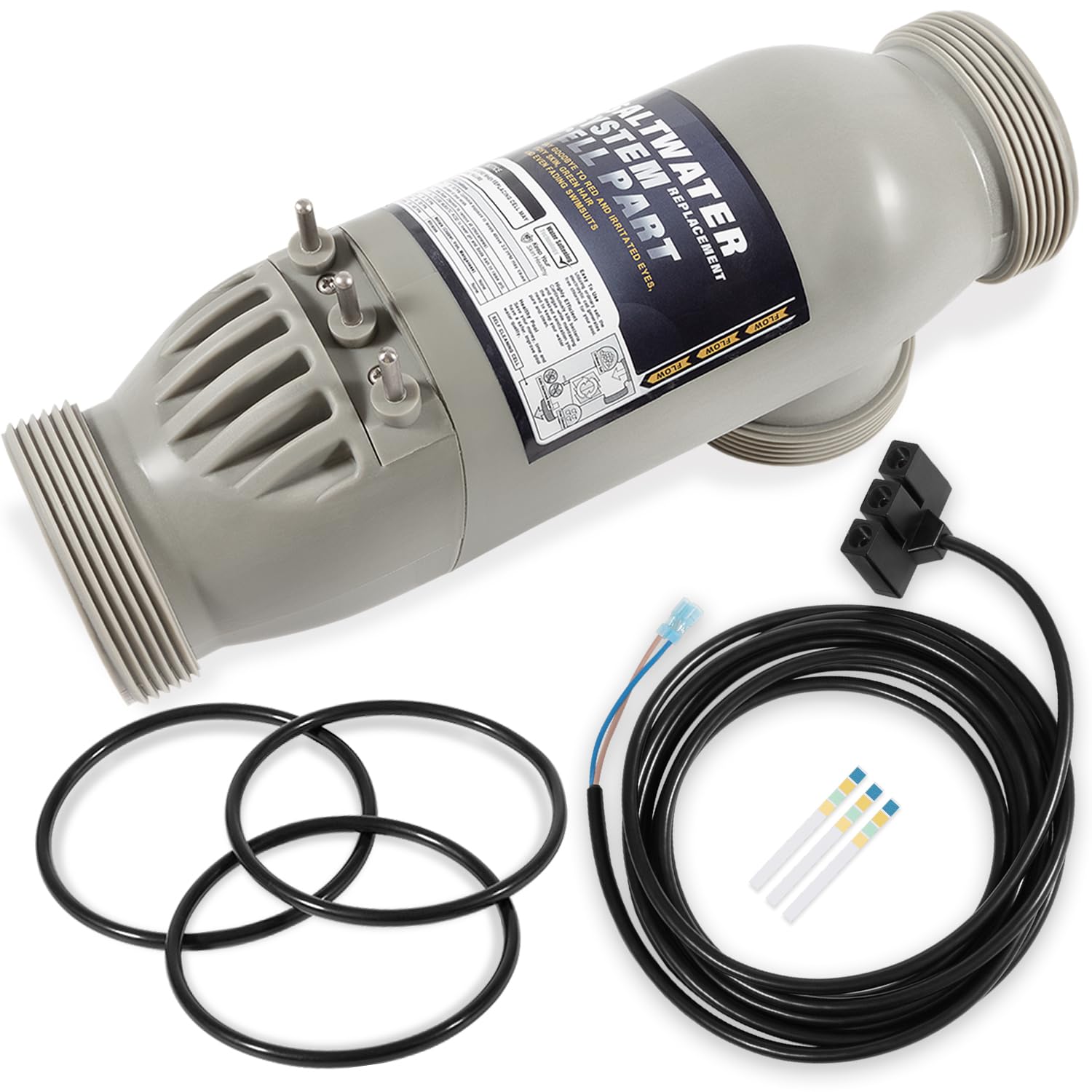
Credit: www.amazon.com
Preparing For The Replacement
Preparing for the Jandy 1400 salt cell replacement is key to a smooth process. Proper steps ensure safety and prevent damage. Follow these simple actions before starting the replacement.
Turning Off The Pool System
First, switch off the pool system completely. This stops the water flow and power to the salt cell. Locate the main power switch or circuit breaker. Turn it off to avoid electric shocks. Confirm the system is off by checking the control panel. No lights or sounds should be active.
Draining The Cell Housing
Next, drain the water from the cell housing. Open the valves or drain plugs near the cell. Let the water flow out slowly to avoid splashing. Use a bucket or hose to collect the drained water. Make sure the housing is empty before removing the old salt cell. This prevents spills and keeps your area dry.
Step-by-step Replacement Process
Replacing the Jandy 1400 salt cell is simple with clear steps. Follow this guide to ensure a smooth and safe replacement process. Each step focuses on key actions for a successful swap.
Removing The Old Salt Cell
First, turn off the pool system and unplug the power. Close the valves around the salt cell to stop water flow. Unscrew the unions on both ends of the cell. Carefully pull out the old salt cell from the plumbing. Check for any leaks or damage in the pipes.
Installing The New Cell
Position the new salt cell in the same place as the old one. Align the cell’s connectors with the plumbing unions. Tighten the unions by hand, then use a wrench to secure them. Do not over-tighten to avoid cracking the cell. Open the valves slowly to allow water flow again. Check for leaks around the connections.
Reconnecting Electrical Components
Connect the electrical wires to the new salt cell’s terminals. Make sure the connections are tight and secure. Plug the power back into the pool system. Turn on the system and watch for proper operation. Reset the salt cell settings according to the manufacturer’s instructions.

Credit: www1.poolzoom.com
Testing And Troubleshooting
Testing and troubleshooting the Jandy 1400 salt cell is key to keeping your pool clean. Regular checks help spot problems early. Fixing issues quickly saves time and money. Follow simple steps to test and troubleshoot your salt cell system.
Restarting The System
Turn off the salt chlorinator and wait for a minute. Then turn it back on to reset the system. This can clear minor errors and refresh the cell’s function. Watch for error lights or unusual noises after restart. If problems remain, move to the next step.
Checking Chlorine Levels
Use a test kit to measure pool chlorine levels. Chlorine should be between 1 and 3 ppm for safe swimming. Low chlorine means the salt cell may not be producing enough. High chlorine can damage pool parts. Adjust your system settings or salt levels based on the test results.
Common Issues And Fixes
The salt cell may build up scale, reducing efficiency. Clean the cell with a mild acid solution to remove deposits. Check for damaged wiring or loose connections. Replace the cell if it shows cracks or heavy wear. Regular cleaning and inspection prevent most common problems.
Maintaining Your Salt Cell For Longevity
Maintaining your Jandy 1400 salt cell is key to its long life and strong performance. Salt cells need care to work well and avoid costly replacements. Simple steps can keep the cell clean and running smoothly for many seasons. A little effort now saves big trouble later.
Regular Cleaning Tips
Clean the salt cell every 3 to 6 months. Turn off the pool pump before cleaning. Remove the cell from the system carefully. Rinse the cell with fresh water to remove loose debris. Use a mild acid solution to clean calcium buildup. Soak the cell for 10 to 15 minutes. Avoid harsh scrubbing to prevent damage. Rinse the cell well with water after soaking. Let the cell dry before reinstalling. Regular cleaning prevents scale and extends the cell’s life.
Preventive Measures
Check pool water balance often. Keep pH between 7.2 and 7.8 for best results. High pH causes scale on the cell. Lower pH can damage the cell plates. Maintain proper salt levels, usually 3000 to 3500 ppm. Low salt harms the cell and reduces chlorine output. Use a pool cover to keep debris out. Avoid running the salt cell without water flow. Watch for signs of wear or damage. Early action stops bigger problems.
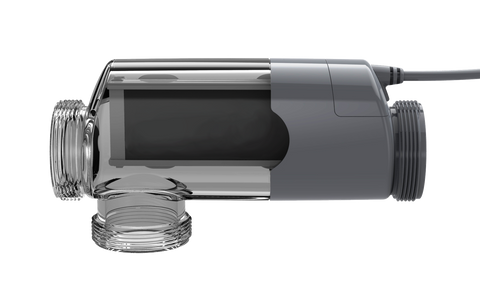
Credit: saltpoolstore.com
Frequently Asked Questions
What Is A Jandy 1400 Salt Cell Replacement?
A Jandy 1400 salt cell replacement is a new part for saltwater pools. It helps keep pool water clean by producing chlorine from salt.
How Do I Know When To Replace The Salt Cell?
Look for low chlorine levels or poor water clarity. Also, check for error codes or visible damage on the cell.
Can I Replace The Jandy 1400 Salt Cell Myself?
Yes, the replacement is simple and can be done without a professional. Just turn off power, remove the old cell, and install the new one.
How Long Does A Jandy 1400 Salt Cell Usually Last?
The salt cell typically lasts 3 to 5 years. Usage, water quality, and maintenance affect its lifespan.
What Maintenance Helps Extend The Salt Cell’s Life?
Regular cleaning of the cell and checking salt levels help. Avoid letting scale build-up on the cell plates.
Will Replacing The Salt Cell Fix Low Chlorine Issues?
Replacing a worn-out salt cell often restores chlorine production. Make sure salt levels and pH are balanced too.
Where Can I Buy A Genuine Jandy 1400 Replacement Cell?
Authorized pool stores and online retailers sell genuine replacement cells. Check model compatibility before purchasing.
Conclusion
Replacing your Jandy 1400 salt cell keeps your pool water clean. It helps maintain proper chlorine levels for safe swimming. Regular checks can prevent costly repairs later. Choose a replacement part that fits well and lasts long. Follow the instructions carefully during installation for best results.
Proper care extends the life of your salt cell. Enjoy a clear and healthy pool all season. Simple steps make pool maintenance easier and stress-free. Keep your pool ready for fun anytime.