
Have you ever turned off your pump, only to find it won’t start working again right away? When a pump loses prime, it can be frustrating and confusing.
You might wonder why it happens and how to fix it quickly. Understanding why your pump loses prime when turned off can save you time and hassle. You’ll discover the simple reasons behind this problem and easy steps to keep your pump running smoothly.
Keep reading to make sure your pump never lets you down again.
Why Pumps Lose Prime
Pumps need to stay filled with liquid to work properly. When a pump loses its prime, it means air or gas enters the system. This stops the pump from moving water or other fluids. Understanding why pumps lose prime helps prevent problems and keeps them running smoothly.
Common Causes
Air leaks in the suction line let air enter the pump. This breaks the water flow and causes loss of prime. Loose fittings or cracked pipes often cause these leaks.
Another cause is the water level dropping below the pump inlet. Without water to push, the pump pulls in air instead. This usually happens when the source dries up or is too low.
Worn or damaged pump seals can also let air inside. Old seals lose their tight fit and allow gas to enter. This stops the pump from holding its prime.
Effects On Pump Performance
A pump without prime cannot move water efficiently. It may run but deliver little or no flow. This reduces system pressure and causes poor performance.
Running a pump dry can damage its parts. The pump’s internal components heat up and wear out faster. This shortens the pump’s life and leads to costly repairs.
Loss of prime can cause the motor to overwork. The pump tries to pull water but fails. This wastes energy and increases electricity costs.

Credit: www.rafsun.com
Signs Of A Lost Prime
Noticing your pump has lost prime is important for quick fixing. Recognizing the signs helps avoid damage and downtime. Watch for unusual behaviors that hint at lost prime. Early detection keeps your pump working well.
Noise And Vibration
Pumps without prime often make strange noises. Listen for loud banging or rattling sounds. These noises mean air is inside the pump. Vibration may also increase and feel stronger. Both signs show the pump struggles to move water.
Reduced Water Flow
Water flow drops when the pump loses prime. The output feels weaker than usual. Sometimes water stops flowing completely. This happens because air blocks the water path. Check your pump flow to catch this early.
Quick Fixes To Restore Prime
When a pump loses its prime after being turned off, restoring it quickly is vital. This prevents downtime and keeps the system running smoothly. Here are some easy steps to get your pump primed again without hassle. Each method targets common causes of losing prime.
Manual Priming Techniques
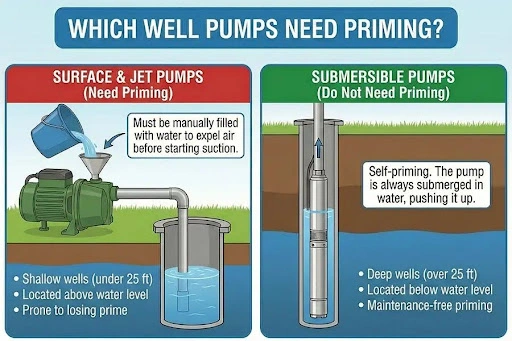
Start by adding water directly into the pump’s inlet. Use a funnel or hose for this task. Fill until the water level reaches the pump’s impeller. This removes air pockets and helps the pump create suction again. Next, close any open valves on the suction side. Turn the pump on briefly to check if it holds the prime. Repeat the process if needed. Manual priming is simple and effective for small pumps.
Checking And Sealing Air Leaks
Air leaks cause pumps to lose prime quickly. Inspect all connections on the suction line carefully. Look for cracks, loose fittings, or worn seals. Tighten fittings and replace damaged parts. Use plumber’s tape or sealant to secure joints. Make sure the suction hose is fully submerged in water. Even small leaks let air in, breaking the pump’s vacuum. Sealing these leaks helps maintain continuous flow and prime.
Clearing Blockages
Blockages reduce water flow and cause loss of prime. Check the pump’s inlet screen and suction pipe for debris. Remove leaves, dirt, or sediment buildup. Flush the suction line with clean water if possible. Inspect the impeller for clogs or damage. Clear any obstructions carefully to avoid harm. A clear water path allows the pump to draw water easily. This restores the prime and improves pump efficiency.
Preventing Future Loss Of Prime
Preventing future loss of prime in your pump helps save time and avoids damage. Taking simple steps can keep your pump working smoothly. Small changes in routine and parts can make a big difference.
Regular Maintenance Tips
Check your pump for leaks and cracks often. Clean the pump and pipes to remove dirt and debris. Replace worn-out seals and gaskets to keep air out. Inspect the valves and make sure they close tightly. Regular checks help catch small problems early.
Upgrading Pump Components
Use a high-quality foot valve to stop water from flowing back. Consider adding a check valve for better water retention. Upgrade to a pump with a self-priming feature. These parts help keep the pump full of water. Good components reduce the chance of losing prime.
Proper Shutdown Procedures
Turn off the pump slowly to avoid sudden pressure changes. Keep the pump filled with water before shutting it down. Close any valves that lead back to the water source. Store the pump in a dry place to avoid air entering. Following these steps stops air from breaking the prime.
When To Call A Professional
Knowing when to call a professional is key to fixing a pump that loses prime when turned off. Some problems need expert help. Trying to fix these issues alone can cause more damage. Professionals have the right tools and skills to diagnose and repair your pump safely and quickly.
Complex Issues Beyond Quick Fixes
Some pump problems are hard to see or fix. Leaks inside the pump or worn parts need special tools. Clogs deep in the pipes may require professional cleaning. Electrical faults or motor problems must be handled by a trained technician. These issues take more time and skill than simple troubleshooting.
Signs Of Pump Damage
Listen for strange noises like grinding or rattling. Check for leaks around the pump or wet spots nearby. Watch if the pump runs but does not move water. Notice if the pump overheats or shuts off suddenly. These signs mean your pump may be damaged and needs a professional check.

Credit: dxppacific.com
Credit: nightowlmonitoring.com
Frequently Asked Questions
Why Does My Pump Lose Prime When Turned Off?
Pumps lose prime because air enters the system when off. This breaks the water seal needed to keep the pump working.
How Can I Prevent My Pump From Losing Prime?
Keep the pump and suction line airtight. Use check valves to stop air from entering the pump.
What Happens If A Pump Loses Its Prime?
The pump stops moving water efficiently. It may run dry and get damaged without prime.
Can Pump Priming Issues Cause Damage?
Yes, running without prime can cause overheating and wear. This shortens the pump’s life.
How Long Does It Take For A Pump To Lose Prime?
It varies but usually happens within minutes to hours. It depends on the pump and system setup.
Is Losing Prime Common In All Pump Types?
No, centrifugal pumps commonly lose prime. Submersible pumps usually do not because they stay underwater.
Should I Manually Re-prime A Pump Each Time?
If a pump loses prime, manual priming is often needed. This helps restore water flow and pressure.
Conclusion
Pump losing prime after being turned off is normal. Air and water inside the pump can escape. This causes the pump to lose suction. To fix it, you need to prime the pump again. Always check seals and valves to stop air leaks.
Keep your pump dry when not in use. Regular maintenance helps the pump work better. Remember, a well-maintained pump saves time and effort. Small steps prevent bigger problems later. Taking care now avoids frustration later.