
Are you trying to decide between an inverter generator and a regular generator? Choosing the right one can save you time, money, and a lot of frustration.
You want power that’s reliable, quiet, and fits your needs perfectly. But how do you know which generator will give you the best performance without wasting your hard-earned cash? Keep reading, because understanding the key differences will help you make a smart choice that keeps your devices running smoothly, wherever you are.
Don’t settle for less—let’s find the perfect generator for you.
Inverter Generators Basics
Inverter generators are different from regular generators in how they produce power. They use advanced technology to provide cleaner and more stable electricity. This makes them popular for many uses, especially where sensitive devices need power. Understanding the basics helps in choosing the right generator for your needs.
These generators are smaller and lighter but still deliver reliable power. They adjust engine speed to match the power demand, saving fuel and reducing noise. This efficiency sets them apart from regular models.
How Inverter Technology Works
Inverter generators create AC power like regular ones but then convert it to DC power. After that, they change it back to clean AC power with stable voltage. This process ensures smooth and consistent electricity. It protects electronics from damage due to power spikes or drops.
The engine speed changes based on the power needed. Lower demand means slower engine speed. This saves fuel and lowers noise levels.
Key Features Of Inverter Generators
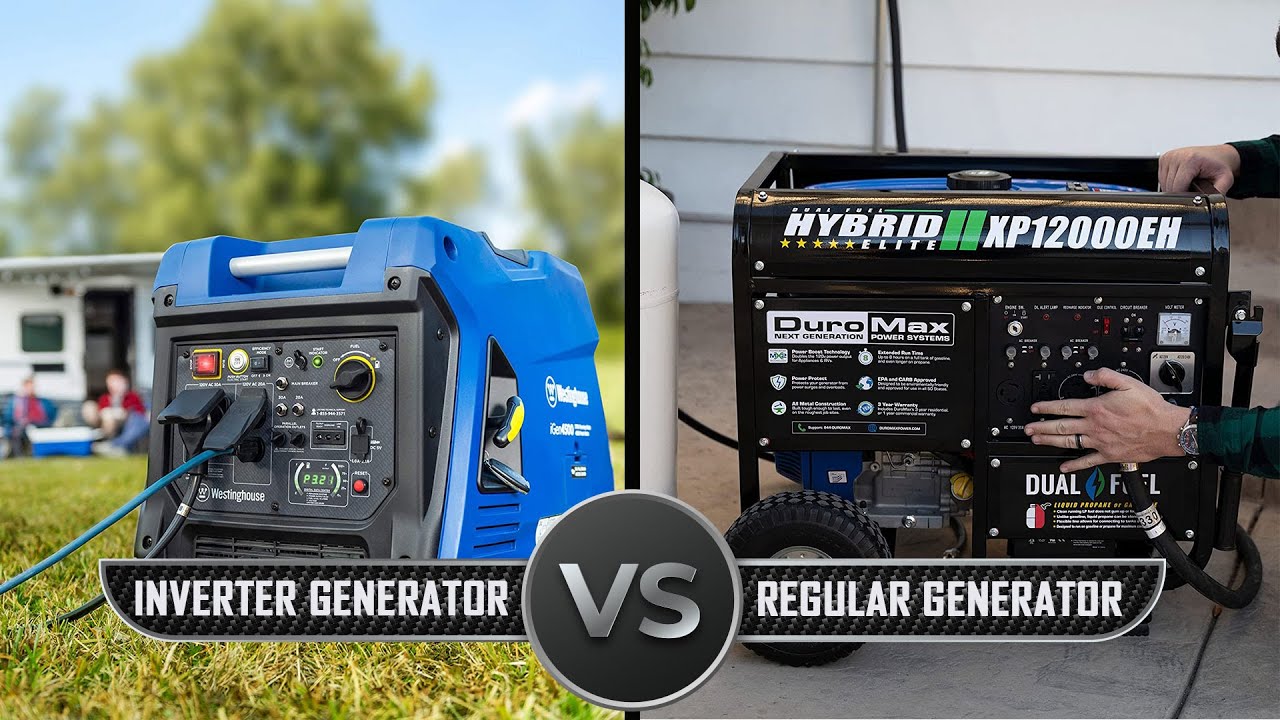
These generators are compact and lightweight, easy to carry and store. They produce less noise compared to regular generators. The fuel efficiency is better, which means longer run times on less fuel. The clean power output is safe for laptops, phones, and other electronics. Many models have parallel capability, allowing two units to connect for more power.
Common Uses And Applications
Inverter generators are ideal for camping, tailgating, and outdoor activities. They power sensitive devices like smartphones, laptops, and cameras. They serve well during power outages at home. Small businesses use them to keep equipment running smoothly. They are useful on construction sites for tools that need stable power.
Credit: www.youtube.com
Regular Generators Explained
Regular generators, also called conventional generators, have been around for decades. They provide power by burning fuel such as gasoline, diesel, or propane. These generators create electricity by spinning a coil inside a magnetic field. This process produces a steady flow of power for homes, tools, and outdoor activities.
Many people choose regular generators because they are simple and reliable. They can handle large power loads and are easy to maintain. Understanding how these machines work and their common features helps in deciding if they meet your power needs.
Mechanics Of Conventional Generators
Conventional generators run on an internal combustion engine. The engine burns fuel to turn a rotor inside a stator. This movement creates an alternating current (AC). The engine speed stays constant to keep the power steady. A voltage regulator controls the output voltage to protect devices.
Typical Features And Designs
Most regular generators have a metal frame for protection. They include fuel tanks, engines, alternators, and control panels. Some models have wheels for easy movement. Noise levels vary, but these generators tend to be louder than inverter models. They usually produce a fixed power output.
Popular Uses In Various Settings
Regular generators power homes during outages. They serve construction sites and outdoor events. Farmers use them for irrigation and tools. These generators are common in remote areas without electricity. Their ability to run heavy loads makes them useful in many situations.
Power Output And Performance
Power output and performance are key factors when choosing between inverter generators and regular generators. These aspects affect how well the generator meets your energy needs. Both types offer different strengths depending on your usage. Understanding these differences helps you pick the right generator for your situation.
Efficiency And Fuel Consumption
Inverter generators use advanced technology to adjust engine speed. This adjustment matches the power needed at the moment. As a result, they use fuel more efficiently. Regular generators run at a constant speed, using more fuel even with low demand. This difference means inverter generators often last longer on a single tank. They save fuel and reduce running costs.
Noise Levels And Emissions
Inverter generators operate at lower noise levels. Their engine speed changes with power demand, making them quieter. Regular generators usually run louder because they operate at full speed all the time. Lower noise means a better experience, especially for camping or home use. Inverter generators also produce fewer emissions. They burn fuel more cleanly, which helps the environment.
Power Quality And Stability
Inverter generators provide stable and clean power. This quality protects sensitive electronics like laptops and phones. They produce consistent voltage and frequency. Regular generators may have fluctuations that can damage delicate devices. Inverter technology converts power into a smooth, reliable current. This stability makes inverter generators ideal for modern electronics and appliances.
Portability And Size
Portability and size play a big role in choosing between inverter generators and regular generators. These factors affect how easy it is to move and store the generator. They also influence where you can use the generator. Smaller, lighter generators offer more freedom for many tasks.
Weight And Dimensions Comparison
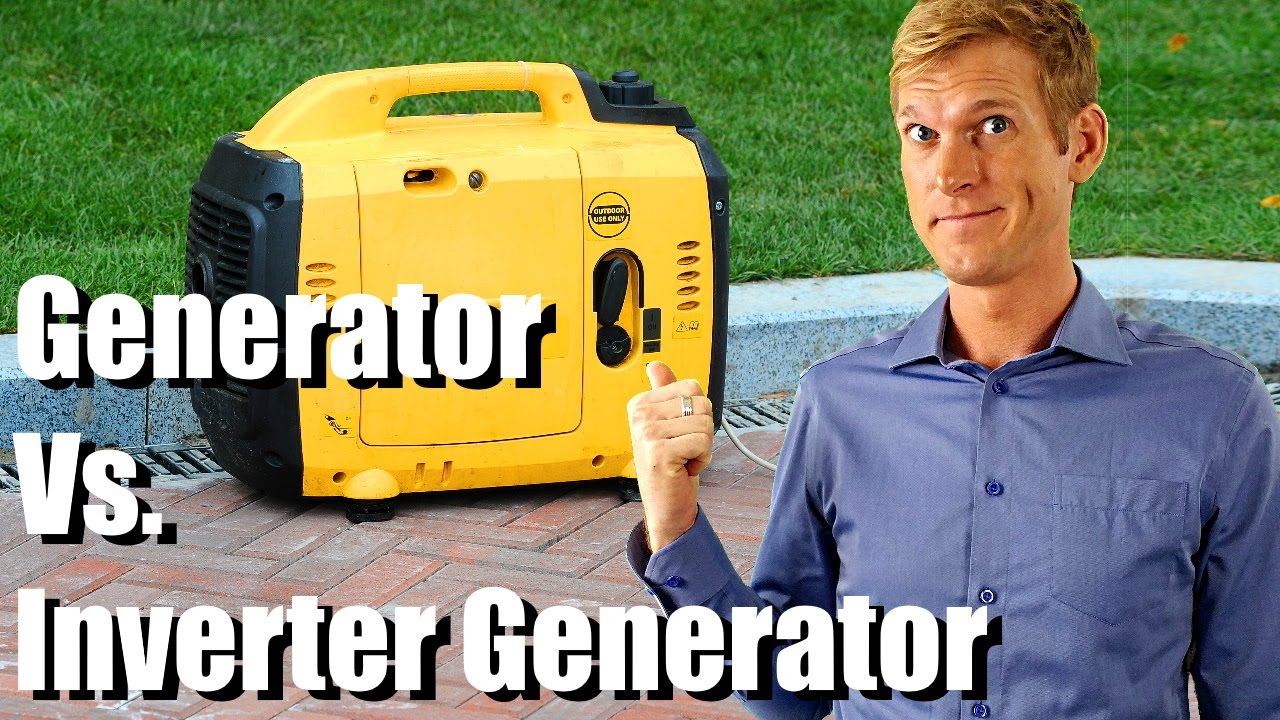
Inverter generators are usually lighter than regular generators. They use advanced technology that reduces the engine size. This makes them compact and easy to carry. Regular generators tend to be bulkier and heavier. Their larger engines add to the weight and size. This difference matters for users needing to move their generator often.
Ease Of Transport And Storage
Inverter generators are easy to transport because of their small size. Many models have built-in handles or wheels. These features help users carry or roll the generator. Storing an inverter generator requires less space. Regular generators need more room due to their size. Moving them can be hard without extra help. Portability makes inverter generators popular for camping and outdoor use.
Cost And Maintenance
Cost and maintenance are key factors when choosing between inverter generators and regular generators. Both types have different price points and upkeep needs. Understanding these differences helps you make a smart choice for your budget and use.
Initial Purchase Price
Inverter generators usually cost more than regular generators. The advanced technology inside makes them pricier. Regular generators have simpler designs, so they are cheaper to buy. For small budgets, regular generators are easier to afford.
Long-term Maintenance Needs
Inverter generators need less maintenance over time. They run more efficiently and cause less wear on parts. Regular generators require frequent oil changes and more checks. Maintenance costs can add up for regular models, making them more expensive over time.
Durability And Lifespan
Regular generators are built tough and last many years. Inverter generators last long too, but their parts may wear out faster. Proper care extends the life of both types. Durability depends on how often and hard you use the generator.
Credit: www.youtube.com
Safety And Environmental Impact
Safety and environmental impact are important factors when choosing a generator. Both inverter and regular generators affect the environment and user safety differently. Understanding these differences helps in picking the right generator for home or work use.
Emission Standards
Inverter generators produce fewer harmful gases. They meet stricter emission rules. This reduces air pollution around the generator. Regular generators often release more pollutants. They use older engine technology. This can harm the environment more. Clean air is better for health and nature. Inverter models use fuel more efficiently. This means less fuel burned and fewer emissions.
Operational Safety Features
Inverter generators often include advanced safety features. They have automatic shut-off if oil is low. This protects the engine and user. Many inverter models run quieter, reducing noise hazards. Regular generators may lack these features. They can run loudly and continuously. This increases noise risks and fuel spills. Safety sensors and stable power output make inverter generators safer. These features prevent damage to connected devices and avoid accidents.
Choosing The Right Generator
Choosing the right generator is important. It ensures you have enough power when you need it. Different generators offer different benefits. Knowing what you need helps you pick the best option. Consider your power needs, features, and budget before deciding.
Assessing Your Power Needs
Start by listing the devices you want to power. Add up their total wattage to find your power requirement. Include extra wattage for appliances that start with a surge. This helps avoid overload and ensures smooth operation. Small electronics need less power. Large tools or appliances need more.
Matching Features To Use Cases
Think about where and how you will use the generator. Inverter generators are quiet and fuel-efficient. They work well for camping or home backup. Regular generators provide more power and are often cheaper. They fit better for construction sites or heavy-duty use. Look at portability, noise level, and run time too.
Budget Considerations
Set a budget before shopping. Inverter generators cost more but save fuel. Regular generators are usually less expensive upfront. Consider long-term costs like maintenance and fuel. Spending a bit more now can save money later. Balance cost with your power needs and features.

Credit: luxpowertek.com
Frequently Asked Questions
What Is The Main Difference Between Inverter And Regular Generators?
Inverter generators produce clean, stable power using electronics. Regular generators create power directly from the engine without extra processing.
Are Inverter Generators Quieter Than Regular Generators?
Yes, inverter generators run at variable speeds, making them much quieter. Regular generators operate at a constant speed, causing more noise.
Which Generator Type Is More Fuel-efficient?
Inverter generators use fuel more efficiently by adjusting engine speed to power demand. Regular generators run at full speed, wasting fuel when demand is low.
Can Inverter Generators Power Sensitive Electronics Safely?
Inverter generators produce clean electricity, safe for phones, laptops, and TVs. Regular generators may cause damage due to unstable power output.
Are Regular Generators Better For Heavy-duty Power Needs?
Regular generators often provide higher continuous power, good for large tools and appliances. Inverter generators suit smaller loads and portable use.
Do Inverter Generators Cost More Than Regular Ones?
Yes, inverter generators usually cost more upfront due to advanced technology. Regular generators are generally cheaper but may cost more in fuel over time.
Which Generator Is Easier To Transport And Store?
Inverter generators are compact and lightweight, making them easy to carry and store. Regular generators tend to be larger and heavier, requiring more space.
Conclusion
Choosing between inverter and regular generators depends on your needs. Inverter generators offer quieter operation and cleaner power. Regular generators provide more power for larger tasks. Portability and fuel efficiency also matter. Consider how you will use the generator. Think about noise levels and power quality.
Both types have benefits and drawbacks. Match the generator to your specific situation. This helps you get the best value and performance. Simple and clear choices lead to better satisfaction.