
Your kitchen sink area faces constant exposure to water, grease, and spills. Without proper protection, the wall behind your sink can quickly suffer damage like stains, mold, or peeling paint.
But don’t worry—there are simple and effective ways to keep that wall looking fresh and lasting longer. You’ll discover easy tips and smart solutions to protect your wall behind the kitchen sink, saving you time, money, and hassle. Keep reading to find out how you can make your kitchen cleaner, safer, and more beautiful.
Choosing The Right Materials
Choosing the right materials for the wall behind your kitchen sink protects it from water damage. This area often faces splashes and spills. Picking materials that resist moisture helps keep your kitchen clean and durable. It also saves money on repairs.
Water-resistant Paints
Water-resistant paints create a barrier that stops water from soaking into the wall. These paints are easy to apply and come in many colors. They help prevent mold and mildew growth. Look for paints labeled as “waterproof” or “moisture-resistant.”
Tile Options
Tiles are a popular choice for kitchen sink walls. They are strong and resist water well. Ceramic and porcelain tiles are common for this use. Tiles are easy to clean and come in many styles. Grout between tiles should be sealed to prevent water seepage.
Waterproof Wall Panels
Waterproof wall panels offer full coverage and protect large areas. They are made from materials like PVC or acrylic. Panels are quick to install and require little upkeep. They provide a smooth surface that resists stains and water damage.
Proper Wall Preparation
Proper wall preparation is the first step to protect the wall behind your kitchen sink. It helps stop water damage and keeps your kitchen looking fresh. Preparing the wall right means cleaning, drying, and fixing it before adding any protective layers. This process makes sure the materials stick well and last longer.
Cleaning And Drying The Surface
Start by removing dirt, grease, and old paint from the wall. Use a mild soap and water solution. Scrub gently with a sponge or cloth. Rinse with clean water to remove soap. Let the wall dry fully. A dry wall stops mold and mildew from growing.
Applying Primer
Use a water-resistant primer after the wall is clean and dry. Primer helps paint and sealants stick better. It also adds a layer of protection against moisture. Apply the primer evenly with a brush or roller. Let it dry completely before the next step.
Sealing Cracks And Gaps
Look closely for cracks or gaps in the wall. Use a waterproof sealant or caulk to fill these spaces. This stops water from seeping behind the wall. Smooth the sealant with a wet finger or tool. Allow it to dry fully before painting or tiling.
Installing A Backsplash
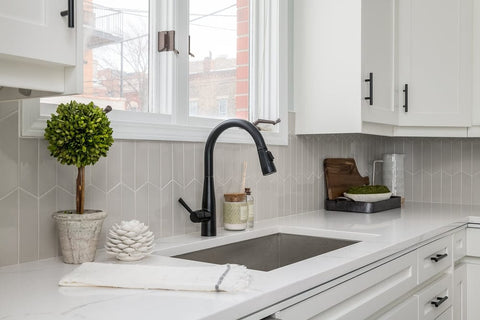
Installing a backsplash behind your kitchen sink protects the wall from water damage and stains. It also adds style and makes cleaning easier. Choosing the right design and installing it carefully ensures long-lasting protection.
Selecting Suitable Backsplash Designs
Choose materials that resist water and stains. Tiles, glass, and stainless steel work well. Pick colors and patterns that match your kitchen decor. Smaller tiles allow for better coverage on uneven walls. Avoid porous materials that absorb moisture easily.
Installation Techniques
Start by cleaning the wall thoroughly. Use a level to mark guidelines for even placement. Apply adhesive evenly with a notched trowel. Press tiles firmly to secure them. Leave small gaps for grout to prevent water seepage. Allow adhesive to dry fully before grouting.
Sealing Edges
Seal all edges with waterproof caulk. Focus on corners and where the backsplash meets the countertop. This stops water from getting behind the tiles. Smooth the caulk with a wet finger for a neat finish. Regularly check the seal for cracks or gaps.

Credit: ikeahackers.net
Using Waterproof Membranes
Using waterproof membranes is a smart way to protect the wall behind your kitchen sink. These membranes stop water from seeping into the wall. They keep your kitchen safe from mold and damage caused by moisture. Applying a waterproof membrane creates a strong barrier. It helps your wall last longer and stay in good shape.
Types Of Waterproof Membranes
There are several types of waterproof membranes for kitchen walls. Liquid membranes come as a paint or gel. They dry to form a flexible, water-resistant layer. Sheet membranes are thin sheets made of plastic or rubber. They need to be glued or taped to the wall. Some membranes are peel-and-stick, easy to apply. Choose a membrane that fits your wall type and budget.
Application Methods
Start by cleaning the wall surface. Remove dirt, dust, and grease. For liquid membranes, use a brush or roller. Apply evenly and cover all areas behind the sink. For sheet membranes, cut the sheets to size. Stick or glue them carefully to avoid bubbles. Overlap edges for better protection. Let the membrane dry or set fully before installing tiles or panels.
Maintenance Tips
Check the wall and membrane regularly for cracks or peeling. Clean the surface gently with a damp cloth. Avoid harsh chemicals that can damage the membrane. Repair small tears or holes quickly using patch kits. Keep the area dry by fixing leaks and wiping spills. Proper care extends the life of your waterproof membrane.
Regular Maintenance And Inspection
Regular maintenance and inspection help keep the wall behind the kitchen sink in good shape. Small problems can grow fast in this area due to water exposure. Checking the wall often prevents bigger damage and costly repairs.
Paying attention to the wall means spotting issues early. Clean the wall regularly and look for signs of damage. This practice keeps the kitchen safe and the wall looking fresh for a long time.
Checking For Mold And Mildew
Mold and mildew grow in damp places like behind the sink. Look closely at corners and edges for black or green spots. They may smell musty or feel slimy. Early detection stops mold from spreading. Use a flashlight to see hidden areas clearly. Mold can damage the wall and harm health.
Repairing Damages Quickly
Fix cracks, peeling paint, or soft spots as soon as possible. Water can seep through damaged spots and cause more harm. Use waterproof sealant or patching material for small holes. Replace sections of drywall if they get too wet or soft. Quick repairs keep the wall strong and dry.
Cleaning Tips To Extend Wall Life
Wipe the wall behind the sink every few days. Use mild soap and warm water for cleaning. Avoid harsh chemicals that can damage paint or tiles. Dry the wall after cleaning to stop moisture buildup. Keep the area free of grime and stains to protect the surface.
Credit: oasistile.com

Credit: www.amazon.sa
Frequently Asked Questions
How Can I Waterproof The Wall Behind My Kitchen Sink?
Use waterproof paint or install a tile backsplash. These materials prevent water damage and mold growth behind the sink. Seal edges with silicone caulk for extra protection. Regularly check for leaks to maintain the waterproof barrier.
What Materials Best Protect Walls Behind Kitchen Sinks?
Ceramic tiles, glass backsplashes, and waterproof panels are top choices. They resist moisture and are easy to clean. These materials prevent water damage and keep your kitchen wall looking fresh longer.
How Often Should I Check For Wall Damage Behind The Sink?
Inspect the wall monthly for signs of water damage or mold. Early detection helps prevent costly repairs. Look for discoloration, peeling paint, or soft spots near the sink area.
Is Silicone Caulk Effective For Protecting Kitchen Walls?
Yes, silicone caulk seals gaps and prevents water from seeping behind walls. It is flexible, durable, and mold-resistant. Apply it around sink edges and backsplash joints for maximum protection.
Conclusion
Protecting the wall behind your kitchen sink saves time and money. Water damage can cause mold and stains. Use waterproof materials like tiles or panels. Seal edges well to keep water out. Clean spills quickly to avoid stains. Small efforts prevent big problems later.
Keep your kitchen looking fresh and strong. Simple steps make a big difference. Take care of your walls every day. You will enjoy a cleaner, safer kitchen space.