
To govern a dirt bike, tighten the throttle limiter screw on the right handlebar to physically restrict grip movement.
How to govern your dirt bike throttle
A throttle limiter restricts engine output by stopping the throttle grip or cable from pulling completely open. Parents use this tool on youth off-road bikes so new riders learn balance without whiskey-throttling into trees. A common misconception is that a limiter harms the motor or ruins spark plugs; it simply holds the throttle valve at partial opening, identical to riding at low speed. On small displacement models, a set screw inside the throttle housing physically blocks the internal plastic cam. If your bike lacks a handlebar screw, a plastic or metal spacer placed above the carburetor slide provides the same physical stop.
The basic method
Set aside about 15 minutes and grab an 8 mm open-end wrench and a flathead screwdriver.
- Park the machine on a flat surface, turn the engine off, and place it on a sturdy center stand.
- Locate the throttle limiter housing on the right handlebar, right next to the twist grip.
- Loosen the small 8 mm jam nut on the limiter screw by turning it counterclockwise two full turns.
- Turn the adjustment screw clockwise using your screwdriver to reduce throttle travel, or counterclockwise to allow more speed.
- Twist the throttle grip with your hand to test movement; for a 50% restriction, turn the screw inward until the grip rotates only about 0.25 inches.
- Hold the screwdriver firmly in the screw slot so it can’t move, then tighten the 8 mm lock nut clockwise against the housing to secure it.
- Turn the handlebars fully from left to right with the engine off to verify the throttle cable doesn’t pull tight or open on its own.
- Start the engine in neutral and rev it slightly to confirm it hits the mechanical stop smoothly without sticking.
Getting the lock nut tension right is the main judgement call here. If you tighten it too gently, engine vibration backs the screw out within an hour; if you crank down too hard, you’ll crack the cast aluminum housing.
Key numbers and settings at a glance
Use these baseline adjustments depending on the rider’s skill level and bike design.
| Situation | What to use | How long | What to watch for |
|---|---|---|---|
| Full power restoration | Screw turned out until flush with housing | 5 minutes | Lock nut tight against outer case |
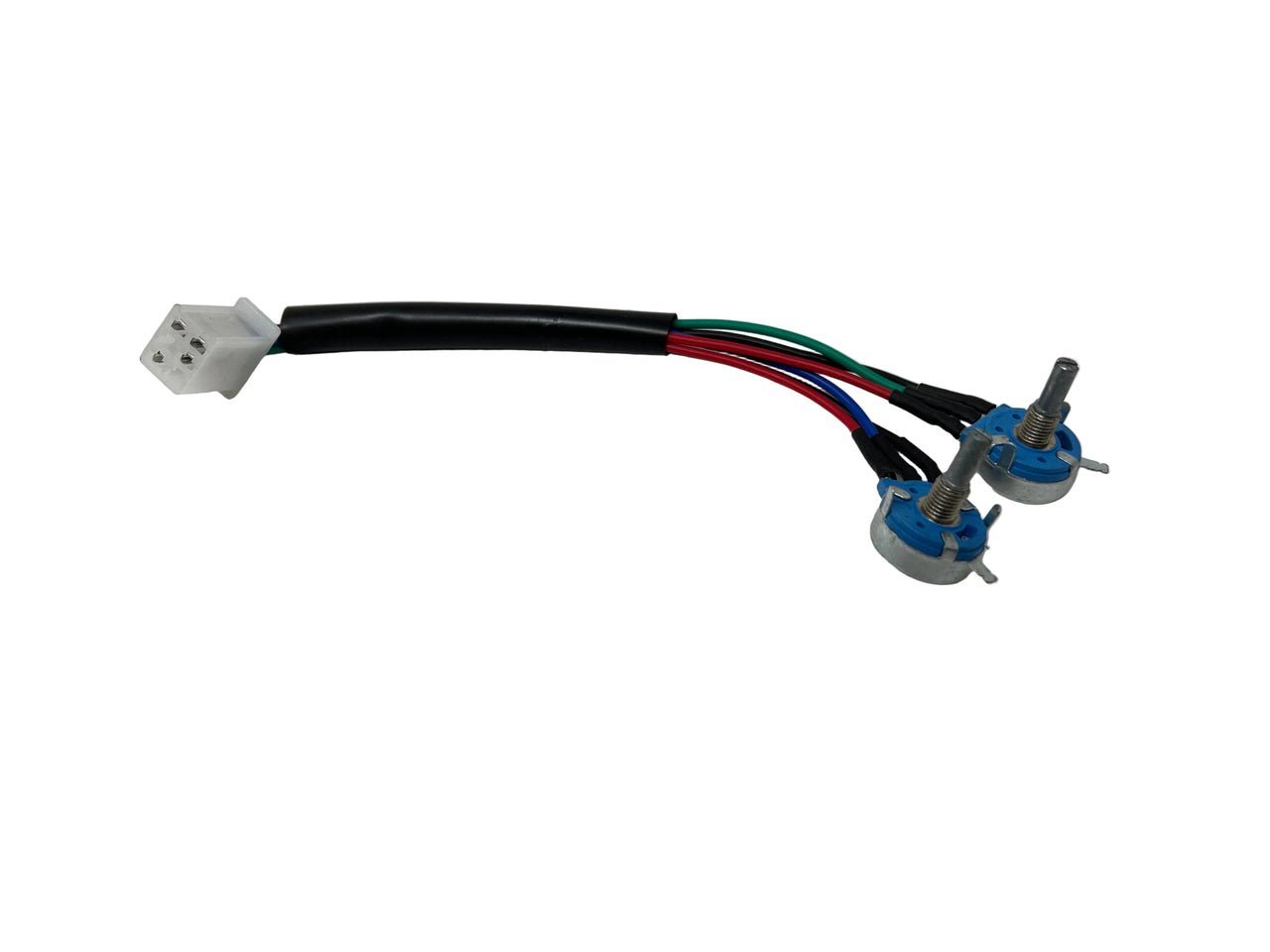
| Modern youth electric dirt bike | App-based or dial speed governor | 2 minutes | Power mode indicator light |
What separates good results from bad ones
Preparation and Grip Checks
Careful setup prevents stuck throttles on the trail. Experienced mechanics inspect the rubber dust boot covering the screw before loosening anything. Dirt collected around the threads will grind into the housing if you turn the screw without wiping it down first. Always confirm the twist grip snaps back instantly to idle when you release it. If you tighten the limiter screw at an awkward angle, the screw tip can bind against the plastic throttle tube, causing the throttle to stick open.
The Right Order of Adjustment
Work in small increments of a quarter turn at a time, followed by a physical grip test. Check the cable free play immediately after locking the screw. Restricting grip travel sometimes changes the resting tension of the throttle cable, which alters your engine idle speed. If your idle climbs after adjusting the limiter, ensure the cable has sufficient free play and check that the throttle slide is fully seated.
Common problems and quick fixes
When an adjustment feels off, these mechanical issues are usually the cause.
| What you notice | What it usually means | What to do first |
|---|---|---|
| Grip sticks and won’t snap back | Screw tip is pressing sideways against throttle tube | Back screw out half a turn and re-center |
| Engine idles high after tightening | Cable housing was pulled out of perch | Reseat cable elbow firmly into throttle housing |
| Bike still goes too fast downhill | Governor only limits power, not gravity | Downshift or teach early hand braking |
| Adjustment screw vibrates loose | Lock nut was under-torqued | Tighten lock nut firmly against housing body |
Age and Displacement Safety Rules
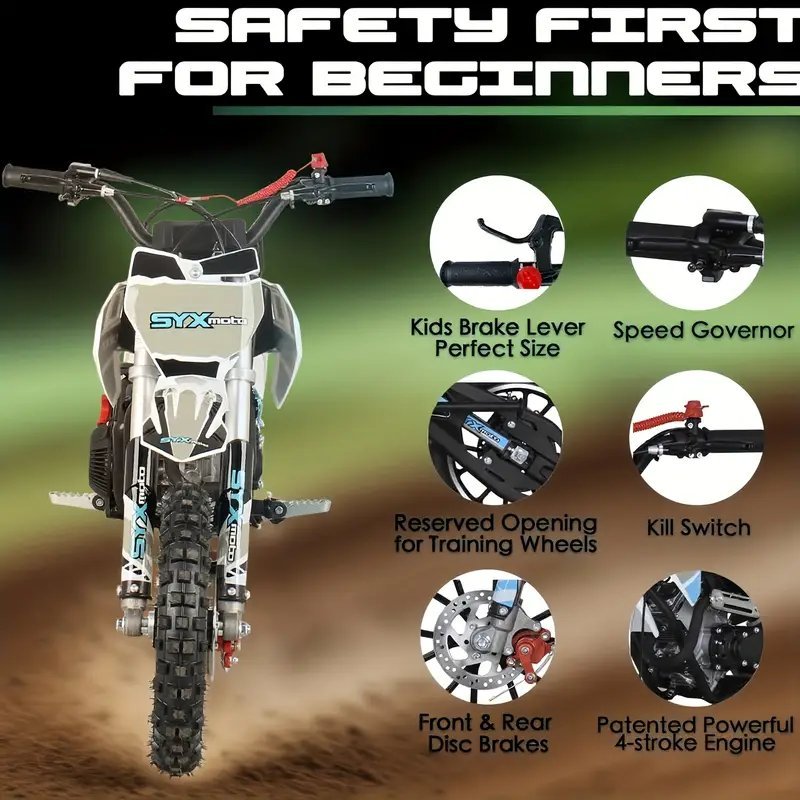
Youth off-road motorcycles must match the rider’s age under federal safety standards. The Consumer Product Safety Commission off-highway motorcycle guide states that youth dirt bikes should align with specific age labels, keeping children under 6 off gas-powered models entirely. Most 50cc to 70cc models carry a factory design intended for ages 6 to 11, while machines over 90cc are restricted to operators aged 12 and older. A throttle limiter helps manage early practice sessions, but it doesn’t make an oversized adult bike safe for a small child. When a machine’s physical seat height or dry weight prevents the rider from touching both feet securely to the ground, stop riding and move them to an appropriately sized frame.
Keeping the Throttle Assembly Maintained
Check the limiter screw’s tightness before every ride, because single-cylinder trail engines produce heavy vibration that shakes loose fasteners. Inspect the cable for fraying at the barrel end every 10 engine hours. If you ride through deep mud or wash the handlebars with high-pressure water, peel back the rubber dust boot and spray a quick burst of silicone lubricant over the screw threads. This prevents corrosion and stops water from leaking inside the throttle tube. When adjusting the bike for an older sibling, remove the screw completely once per season, apply a drop of medium-strength blue threadlocker to the threads, and thread it back in to prevent corrosion seizure.
When to use a different approach
Governing the throttle screw is the wrong choice on steep hill climbs; if the rider lacks the momentum to reach the top, the bike will stall out and roll backward dangerously. In sand or deep mud, restricted throttle input bogs the engine down and buries the rear wheel. A mechanical throttle screw is also the wrong solution for older teens on 125cc or 250cc adult trail bikes. Those large-displacement machines carry excessive weight and torque, so if a rider can’t manage the power band, don’t govern it with a screw—switch them to an automatic mini-bike until their throttle control improves.
Frequently asked questions
Can a throttle limiter damage the dirt bike engine?
No. Limiting throttle movement only prevents the carburetor slide or fuel injection valve from opening completely. It doesn’t restrict airflow artificially or alter fuel-air ratios, so your engine runs just as safely as it does when cruising slowly down a flat path.
Does governing the throttle reduce climbing power?
Yes. Reducing grip travel caps total horsepower and torque alongside top speed. If the rider faces steep hills or thick mud, the governed engine may lack sufficient power to carry momentum forward, causing the motorcycle to stall out partway up the grade.
Can you govern an adult 250cc dirt bike?
No, adult full-size bikes rarely feature handlebar limiter screws. Attempting to restrict a large manual bike causes frequent stalling because the engine requires baseline throttle to overcome clutch engagement. Riders needing lower speeds should step down to a smaller frame size instead.
What is the trade-off of using a carburetor spacer?
A carburetor spacer limits speed effectively on bikes without handlebar screws, but installation requires removing the fuel tank and carburetor cap. It takes roughly 30 minutes to change, making quick trailside speed adjustments impossible compared to a simple external handlebar screw.
How do I know if the throttle screw is turned in too far?
If you turn the screw inward past its design limit, the twist grip won’t move at all, preventing the bike from revving above idle speed. Back the adjustment screw out two full turns until the grip rotates at least 0.125 inches smoothly.
Final Thoughts
Once you’ve found the right speed for your rider, take them to a flat, open field to practice. Let them get comfortable with the bike’s balance before you try any trails. It’s a great way to build their confidence, and they’ll be ready for more power before you even know it.