
If you’re working on your vehicle or a project that involves rubber fuel lines, you know how tricky it can be to bend them without causing kinks. A kinked fuel line can block fuel flow, leading to engine problems or even safety hazards.
You want your work to be smooth, efficient, and safe—but how do you bend a rubber fuel line the right way? You’ll discover simple, effective techniques to bend your fuel lines without damaging them. Keep reading, and you’ll gain the confidence to handle your fuel lines like a pro.
Choosing The Right Fuel Line
Choosing the right fuel line is key to bending a rubber fuel line without kinking. The correct fuel line keeps fuel flowing smoothly and prevents leaks. Selecting the right type depends on your vehicle’s needs and how you plan to route the line. Understanding fuel line types, specifications, and quality helps you pick the best option.
Types Of Rubber Fuel Lines
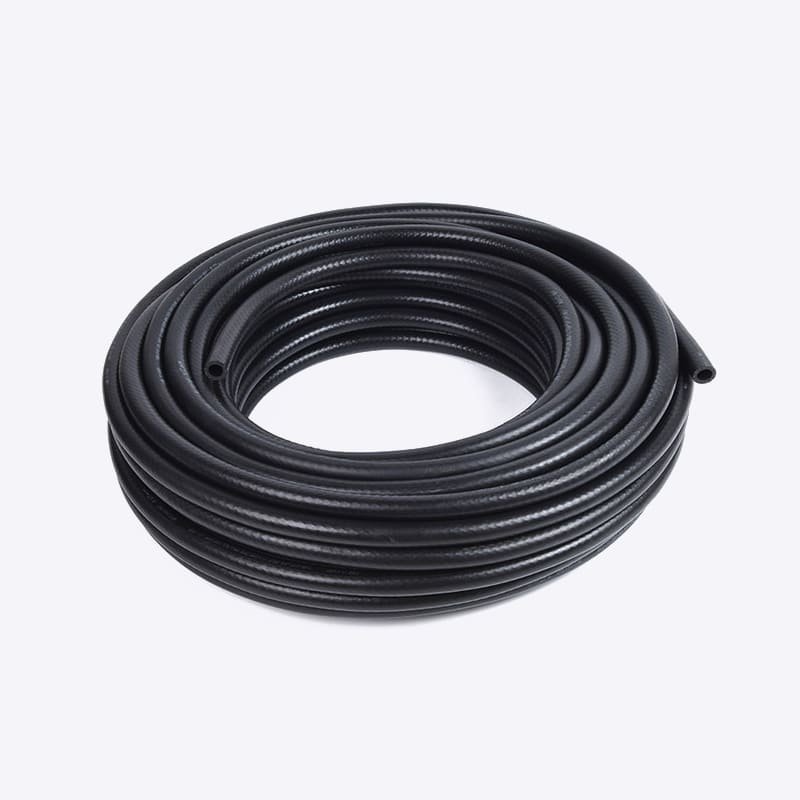
Fuel lines come in different types based on material and use. Some are made of pure rubber, while others have fabric or metal reinforcement. Plain rubber lines work well for low pressure. Reinforced lines handle higher pressure and last longer. Flexible lines bend easily without kinking. Choose a line that matches your vehicle’s fuel system pressure and environment.
Fuel Line Specifications
Fuel lines have specific ratings for pressure, temperature, and fuel compatibility. Check the line’s pressure rating to match your engine’s fuel pressure. Temperature ratings matter if the line runs near hot engine parts. Some lines resist gasoline, diesel, or ethanol better than others. Always pick a fuel line marked safe for your fuel type and expected conditions.
Quality And Durability Factors
Good quality fuel lines resist cracking, hardening, and leaks over time. Look for thick walls and smooth inner surfaces to reduce wear. Lines with UV protection last longer outdoors. Durable lines also resist oil, chemicals, and weather. Buying from trusted brands ensures better materials and testing. Quality lines make bending easier and keep your fuel system safe.
Credit: hbkinglinrubber.com
Preparing The Fuel Line For Bending
Preparing the fuel line for bending is a key step to avoid damage. Proper prep ensures a smooth bend without kinks or cracks. Taking time to ready the line helps it keep its strength and function.
Cutting To Proper Length
Start by cutting the fuel line to the needed length. Use a sharp utility knife or tubing cutter. Make sure the cut is straight and clean. Avoid jagged edges that can cause leaks or weak spots. Measure twice before cutting to prevent mistakes.
Cleaning And Inspection
Clean the fuel line thoroughly before bending. Remove any dirt, oil, or debris on the surface. Use a cloth or mild cleaner safe for rubber. Inspect the line for cracks, wear, or damage. Replace the line if you find any defects. A clean, sound line bends better and lasts longer.
Soaking Or Heating Techniques
Soften the rubber to make bending easier. Soak the fuel line in warm water for 10 to 15 minutes. Warmth increases flexibility without harming the material. Another option is to carefully use a heat gun on low heat. Keep the heat moving to avoid melting. Soft rubber bends smoothly and reduces kinking risk.
Bending Techniques To Avoid Kinks
Bending a rubber fuel line without causing kinks is essential for safe and efficient fuel flow. Kinks can block fuel or cause leaks. Using the right techniques helps keep the line smooth and flexible. Below are some easy methods to bend your fuel line properly.
Using A Bending Spring
A bending spring fits inside the fuel line to support it from within. It stops the line from collapsing or folding while bending. Slide the spring into the line before bending. Bend slowly around the curve you need. Remove the spring once the bend is complete. This method helps keep the line’s shape intact.
Applying Gentle Heat
Warm rubber becomes more flexible and easier to bend. Use a heat gun or warm water to gently heat the fuel line. Avoid direct flames or high heat to prevent damage. Heat the section you want to bend for a short time. Carefully bend the line while it is warm. Let it cool before use to hold its new shape.
Slow And Steady Bending
Bend the fuel line slowly to avoid sharp angles. Quick bends cause the rubber to crease or kink. Use both hands to guide the line gently into place. Gradually shape the line to the desired curve. Take breaks if needed to check the bend. This careful process protects the line’s integrity.
Tools And Accessories For Smooth Bends
Bending a rubber fuel line without causing kinks is easier with the right tools. These tools help shape the hose smoothly. They protect the fuel line’s inside and outside surfaces. Using proper accessories saves time and prevents damage.
Bending Springs And Formers
Bending springs fit inside the fuel line. They support the hose while you bend it. This stops the hose from collapsing or kinking. Formers are shaped tools that guide the hose. They help create smooth, even curves. Both tools make bending safer and cleaner.
Heat Guns And Warm Water Baths
Heat softens the rubber fuel line. Heat guns provide controlled warmth to the hose. Warm water baths soak the hose to make it flexible. Soft rubber bends more easily without cracking. Heat tools reduce stress on the hose during bending.
Support Clamps And Guides
Support clamps hold the fuel line steady. They keep the hose in place while bending. Guides help shape the hose along a set path. Both tools prevent sharp turns and kinks. They ensure the fuel line keeps its strength.
Testing And Securing The Bent Fuel Line
Bending a rubber fuel line correctly is only half the job. Testing and securing the bent fuel line ensures safety and durability. This step confirms the line holds up under pressure and stays leak-free. Proper techniques prevent fuel spills and maintain engine performance.
Leak And Pressure Testing
Start by checking the fuel line for leaks. Use soapy water on the bent area and watch for bubbles. Bubbles mean air or fuel is escaping. Next, apply pressure using a hand pump or the fuel system itself. Watch the gauge for any drop in pressure. A steady pressure means the line is secure and leak-free.
Proper Clamping Methods
Use clamps designed for fuel lines. Place them near the bent section, but not on the bend. Tighten clamps enough to hold the line firmly. Avoid over-tightening, which can damage the rubber. Check that the clamps do not pinch or kink the line. Secure clamps keep the fuel line in place during movement.
Final Inspection Tips
Look closely at the bent fuel line for cracks or weak spots. Flex the line gently to confirm it holds shape. Ensure clamps are tight but not cutting into the rubber. Check the line’s path to avoid sharp edges or heat sources. A clean, secure installation prevents future problems.

Credit: www.reddit.com
Common Mistakes And How To Avoid Them
Bending a rubber fuel line seems simple, but many make common mistakes. These errors cause kinks, leaks, or damage. Avoiding these mistakes saves time and money. It also keeps the fuel line safe and working well.
Overbending And Sharp Angles
Bending the fuel line too much causes kinks. Sharp angles block fuel flow and weaken the line. Bend the line gently, using wide curves. Avoid tight bends that stress the rubber and cause cracks.
Ignoring Material Limits
Rubber fuel lines have limits on how far they bend. Ignoring these limits leads to cracks and leaks. Check the manufacturer’s guidelines for the right bend radius. Use flexible hoses designed for fuel to prevent damage.
Skipping Safety Precautions
Fuel lines carry flammable liquids. Skipping safety steps risks spills and fires. Work in a well-ventilated area. Wear gloves to protect your skin. Avoid sparks, open flames, and smoking near the fuel line.

Credit: www.youtube.com
Frequently Asked Questions
How Do I Bend A Rubber Fuel Line Safely?
Use a bending spring or heat the line slightly to make it flexible. Bend slowly to avoid kinks or cracks.
Can I Use Heat To Bend A Fuel Line?
Yes, warming the rubber with warm water or a heat gun softens it. Avoid overheating to prevent damage.
What Tools Help Prevent Kinking In Fuel Lines?
Bending springs, hose bending tools, or a soft wire inside help keep the line round. These tools support smooth bends.
Why Do Rubber Fuel Lines Kink When Bent?
Rubber fuel lines kink due to sharp bends or too much pressure. Kinks block fuel flow and weaken the line.
How Tight Can I Bend A Rubber Fuel Line?
Avoid bending the line tighter than a 3-inch radius. Tighter bends cause kinks and reduce fuel flow.
Can I Bend A Fuel Line Without Tools?
Yes, gently bending by hand works for large curves. Use slow, steady pressure to avoid kinks.
How To Fix A Kinked Rubber Fuel Line?
Replace the kinked section or use a new line if damaged. Kinks cause leaks and reduce engine performance.
Conclusion
Bending a rubber fuel line takes care and the right technique. Avoid sharp bends to prevent kinks and damage. Use gentle curves and support the line properly. Take your time and check your work often. This simple approach keeps your fuel line safe and working well.
Remember, careful bending extends the life of your fuel line. Keep these tips handy for any future work. Safe and smooth fuel flow matters most.