
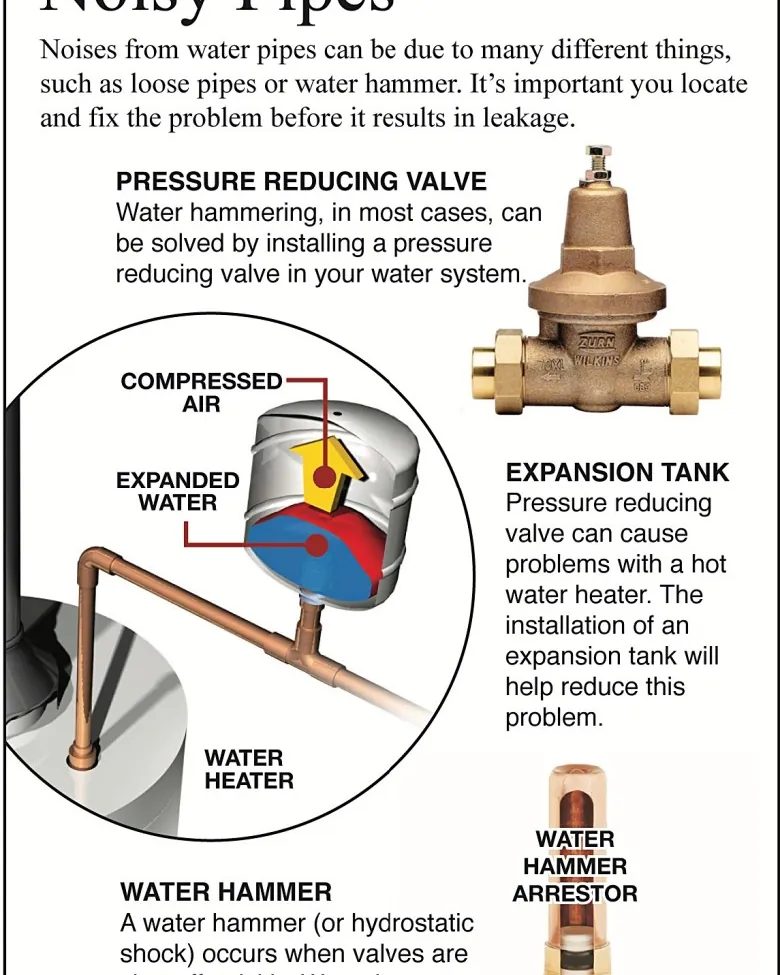
A pressure reducing valve is for controlling high water pressure throughout your home, while a water hammer arrestor is for stopping loud banging noises in pipes. You need a pressure reducing valve if your home experiences high static pressure, but you should install a water hammer arrestor if you hear a sharp thud after closing a faucet quickly. If your main concern is protecting your appliances from wear, focus on the valve; if you want to stop pipe movement, the arrestor is the correct choice.
Pressure reducing valves versus water hammer arrestors
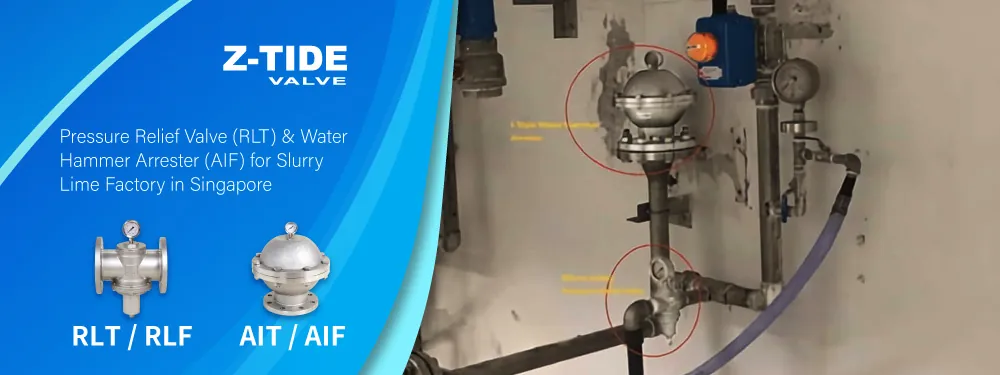
These two devices serve different purposes in your home’s water system. One manages the steady flow and intensity of the water, while the other manages sudden bursts of energy caused by rapid valve closure.
| Method | How long | Effort | Cost | Best for |
|---|---|---|---|---|
| Pressure reducing valve | 10+ years | High | Medium | High main line pressure |
| Water hammer arrestor | 5-10 years | Low | Low | Sudden pipe banging |
| Expansion tank | 5-8 years | Medium | Medium | Thermal expansion issues |
The pressure reducing valve (PRV) is a mechanical device that lowers incoming water pressure to a safe level for your home’s pipes. Without one, high city water pressure can blow out seals and damage fixtures over time. If you live in an area with high municipal supply pressure, this device is necessary to keep your home’s internal pressure below the 80 psi limit recommended by the International Association of Plumbing and Mechanical Officials.
Installing a pressure reducing valve
- Shut off the main water supply to your house at the street or the main shut-off valve.
- Cut a section of the main water line where it enters your home, usually after the main shut-off but before the first branch line.
- Install the valve according to the flow direction arrow stamped on the body, ensuring it’s accessible for future adjustments.
- Use a pressure gauge on a hose bib to test the output, adjusting the screw on top of the valve until it reads between 40 and 60 psi.
This device is excellent for preventing long-term damage to toilets, water heaters, and washing machine hoses. The main weakness is that it requires professional installation for most homeowners, as it involves cutting into the main supply line. If you aren’t comfortable with soldering or using specialized plumbing fittings, you must call a licensed plumber to avoid major leaks.
Installing a water hammer arrestor
- Identify the pipe causing the noise, often near a washing machine, dishwasher, or quick-closing solenoid valve.
- Shut off the water supply to that specific fixture and drain the line by opening a nearby faucet.
- Install a tee fitting into the line as close to the valve as possible, then screw the arrestor onto the open end of the tee.
- Turn the water supply back on slowly to check for leaks at the new connection point.
Water hammer arrestors are very effective at absorbing the shockwave that travels through pipes when a faucet or valve shuts suddenly. They’re simple to install and usually don’t require major pipe modifications. The main limitation is that they only address the specific area where they’re installed; if you have noise throughout the house, you may need multiple units.
Using an expansion tank
- Locate the cold water supply line leading into your water heater.
- Install a tee fitting in the cold water line, ensuring there’s enough space for the weight of the tank.
- Attach the expansion tank to the tee, supporting its weight with brackets to avoid putting stress on the copper or PEX pipe.
- Use a calibrated low-pressure gauge to set the tank’s internal air pressure to match your home’s incoming water pressure before installing the tank.
Expansion tanks are necessary when you have a closed-loop system, which prevents heated water from expanding back into the city supply. This prevents the pressure from spiking as the water heater runs, protecting the tank itself. The main weakness is that these tanks eventually lose their air charge and need periodic checking to remain effective, otherwise, they become useless.
How to choose the right device
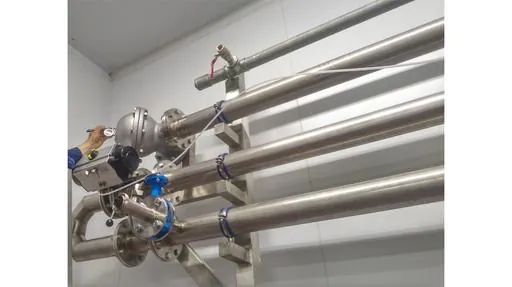
When you’re in a hurry and need an immediate fix for a banging noise, a water hammer arrestor is the fastest solution. It handles the shockwave locally and requires minimal tools. If you’re doing this for the first time, start with an arrestor because the risk of flooding is much lower than working on the main water line.
The trade-off is between localized noise control and system-wide pressure management. If your pipes bang only when the dishwasher runs, use an arrestor. If your pipes bang constantly or your fixtures leak often, you likely have high pressure that requires a pressure reducing valve (PRV).
Check your home’s pressure with a screw-on gauge from the hardware store. If the reading exceeds 80 PSI, an arrestor is only a band-aid; you must install a PRV to protect your appliances and joints from premature failure. A common mistake is installing an arrestor when the static pressure is already too high, which masks the underlying stress until a pipe eventually bursts.
Always remember that a PRV regulates the steady state, while an arrestor handles the transient shock. If you hear a single “thud” when a valve closes, the arrestor is your tool. If you hear persistent rattling or see water trickling from faucets, the PRV is the necessary fix.
Never assume that one will solve the problem caused by the other. Relying on an arrestor to fix high pressure won’t prevent your water heater or toilet supply lines from failing under the constant, excessive strain.
The rules that apply to your plumbing
Regardless of which device you install, your home’s plumbing must adhere to local building codes. You should consult your local municipal building department to see if your area requires specific certifications for plumbing devices. Before starting any work, ensure you have the proper tools, such as pipe wrenches and Teflon tape, and verify that your main shut-off valve is functioning correctly.
Always test your work by turning the water on slowly to check for leaks before opening the valves fully. If you find that the pressure or the noise persists after installation, you may have a deeper issue like a failing check valve or trapped air in the lines.
If you’re unsure about the state of your pipes or the complexity of the installation, a licensed plumber is the safest person to handle the job. They have the training to identify whether you need a simple fix or a total system overhaul.
Related guides
- Why Does Polaris 65 Go in Circles: Fix Flow and Tires in 2026
- Pool Umbrella Sleeve Too Big or Small: How to Fix the Fit in 2026
- Does Lead Float in Water? The Simple Answer Explained in 2026
Frequently Asked Questions
How do I know if I have high water pressure?
You can verify high pressure by attaching a water pressure gauge to an outdoor faucet while all other indoor water is turned off. A reading over 80 psi confirms that your home’s pressure is too high, and you should consider installing a pressure reducing valve to prevent damage. Most homes function best between 40 and 60 psi, which keeps your appliances safe while maintaining a good flow for showers and sinks.
Can a water hammer arrestor leak?
Yes, a water hammer arrestor can leak if the connection to the tee fitting isn’t tightened correctly or if the internal diaphragm fails over time. If you notice water pooling under the device, you should shut off the water supply immediately and inspect the threads. In most cases, a new layer of thread sealant tape or tightening the connection solves the problem, but a damaged diaphragm requires replacing the entire unit.
Is it safe to install these devices myself?
Yes, you can safely install a water hammer arrestor if you’re comfortable using basic wrenches. Installing a pressure reducing valve is more complex because it involves the main water line. If you lack plumbing experience, hire a professional to avoid significant water damage.
How long do these devices last?
A pressure reducing valve typically lasts 10 to 15 years, while a water hammer arrestor lasts 5 to 10 years. Hard water and high mineral content can shorten the lifespan of both devices by causing internal buildup. Periodically check your pressure with a gauge to ensure it remains within a safe range.
What happens if I ignore high water pressure?
Ignoring high water pressure often leads to premature failure of your water heater, leaking faucet seals, and damaged toilet fill valves. Over time, the constant stress on your pipes can cause pinhole leaks or burst connections, which can lead to expensive water damage repairs. Installing a pressure reducing valve is a proactive measure that saves you money by extending the life of your plumbing fixtures and preventing catastrophic leaks.
Do I need a professional for this?
You should hire a professional plumber if your main shut-off valve is broken or if you’re uncomfortable cutting and sealing pipes. A pressure reducing valve requires specific skills to ensure connections are watertight and properly aligned. Hiring a licensed plumber ensures the work meets local codes and includes a warranty.
Conclusion
If you’re still unsure which device fits your situation, don’t hesitate to check your home’s water pressure with a simple gauge from the hardware store. It’s an easy way to see if your pipes are under too much stress. You’ll feel much better once you’ve got the right protection in place.