
Choosing the right air compressor can be confusing. You might wonder whether a gas or electric air compressor is best for your needs.
Both have their strengths, but which one fits your work style, budget, and environment? By the end of this article, you’ll clearly understand the differences and be confident in making the right choice. Keep reading to discover what suits your projects and saves you time and money.
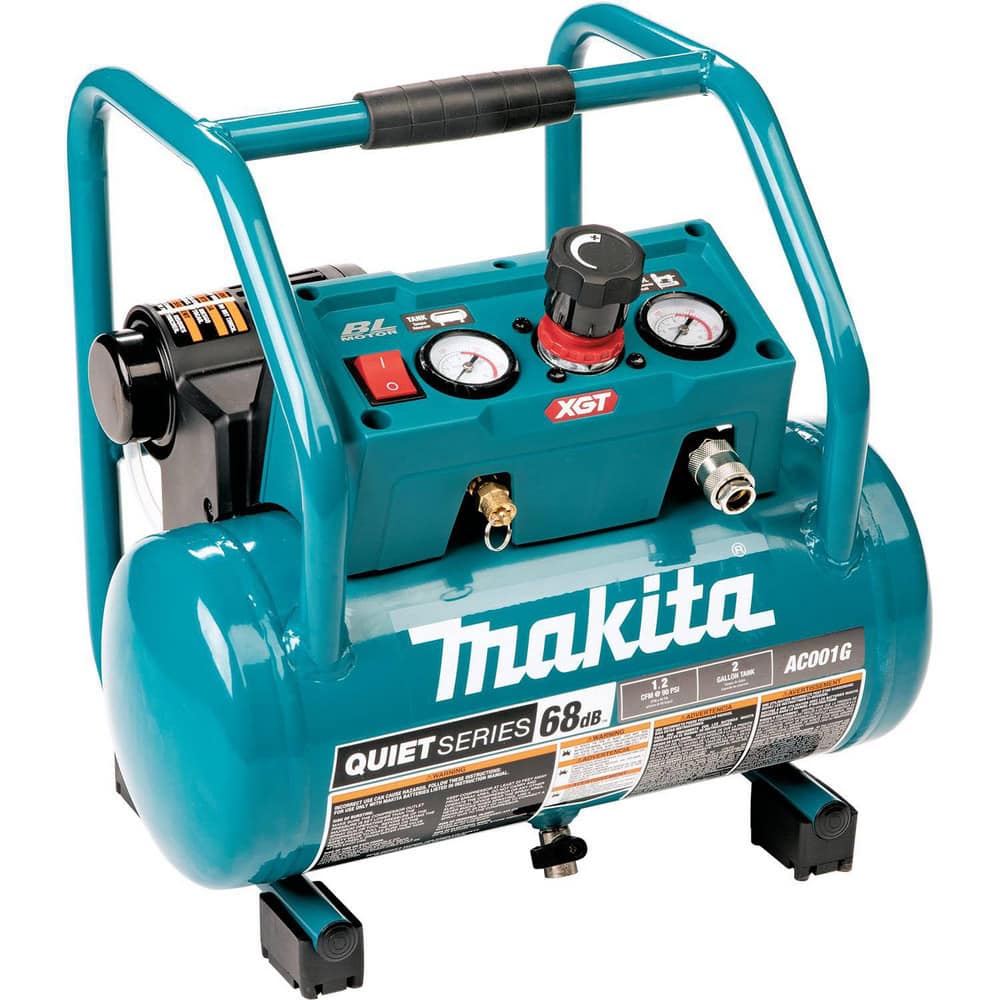
Credit: hilinelaw.com
Power Sources Compared
Air compressors run on different power sources. The two main types are gas and electric. Each uses energy in a unique way. Understanding these differences helps you choose the right compressor.
Power source affects where and how you use the compressor. It also impacts the cost and efficiency. Let’s explore how gas and electric compressors work and compare their energy use.
How Gas Compressors Work
Gas compressors use gasoline or diesel fuel. They have engines similar to small cars. The engine burns fuel to create power. This power drives the compressor to push air.
Gas compressors are often portable. They do not need an electrical outlet. This makes them ideal for outdoor jobs or places without power.
How Electric Compressors Work
Electric compressors use electricity from a plug or battery. An electric motor turns the compressor pump. This motor is usually quieter than gas engines.
Electric compressors work well indoors or in places with power access. They need less maintenance because they have fewer moving parts.
Energy Efficiency Differences
Electric compressors are more energy-efficient than gas models. They convert more electricity into useful power. Gas compressors lose energy as heat and noise.
Electric models cost less to run. They do not use fuel and produce no emissions. Gas compressors use fuel and emit exhaust gases.
Choosing the right power source depends on your work location and power needs.
Credit: www.campbellhausfeld.com
Performance And Output
Performance and output are key factors to consider when choosing between gas and electric air compressors. These aspects determine how well the compressor handles tasks and how efficient it will be for your needs. Understanding these differences helps you pick the right tool for your projects.
Air Delivery And Pressure
Gas air compressors usually provide higher air delivery. They can reach greater pressure levels. This makes them suitable for heavy-duty jobs. Electric compressors often have lower air output. They work well for smaller tasks and indoor use. Check the cubic feet per minute (CFM) rating to compare air delivery. Also, consider the pounds per square inch (PSI) for pressure needs.
Duty Cycle And Runtime
Gas compressors can run longer without stopping. They have a higher duty cycle. This means they can operate for extended periods. Electric compressors have a shorter duty cycle. They may need to cool down after some use. Gas models are better for continuous work outdoors. Electric models suit shorter jobs or indoor areas with power access.
Noise Levels
Gas compressors are louder due to their engines. The noise can be disruptive in quiet areas. Electric compressors run much quieter. This makes them ideal for indoor work and neighborhoods. Noise levels affect comfort and safety during use. Consider your work environment before choosing a compressor.
Portability And Convenience
Portability and convenience are key factors when choosing between gas and electric air compressors. These features affect how easily you can move and use the compressor. They also influence how much effort you spend setting up and maintaining the machine. Understanding these differences helps you pick the right tool for your needs.
Weight And Mobility
Gas compressors tend to be heavier because of their engine and fuel tank. This weight can make them harder to move around job sites. Electric compressors are usually lighter and easier to carry. Many models have wheels and handles to improve mobility. For projects that need frequent moves, electric models often work better.
Setup And Maintenance
Electric compressors are simple to set up. Plugging them into a power source is usually all that is needed. Gas compressors require more steps, such as adding fuel and checking oil. Maintenance is also more demanding for gas models. They need regular oil changes and engine care. Electric units have fewer parts to maintain, saving time and effort.
Fuel And Power Availability
Electric compressors need a reliable power outlet to work. This can limit their use in remote locations. Gas compressors run on gasoline, which is easy to carry and store. They provide power where electricity is not available. This makes gas models suitable for outdoor or off-grid jobs. Choosing depends on where and how you plan to use the compressor.
Cost And Investment
Choosing between gas and electric air compressors requires careful thought about cost and investment. The right choice depends on your budget and how you plan to use the compressor. Understanding the costs involved helps you pick the best option for your needs.
Initial Purchase Price
Gas air compressors usually cost more upfront than electric models. This is because gas engines are more complex. Electric compressors tend to be simpler and cheaper to buy. The price also depends on the brand and power size. For small jobs, electric units often provide good value.
Operating Costs
Gas compressors need fuel, which adds to running costs. Gas prices can change, making costs less predictable. Electric compressors use electricity, which is often cheaper and more stable. They also require less maintenance, saving money on repairs. Running an electric compressor is usually more cost-efficient over time.
Long-term Durability
Gas compressors are built tough for outdoor and heavy use. They can last a long time with proper care. Electric compressors have fewer moving parts, which means less wear and tear. They tend to last longer indoors or in clean environments. Consider where and how often you will use the compressor for the best investment.
Environmental Impact
Choosing between gas and electric air compressors affects the environment differently. Each type uses energy in unique ways and produces different emissions. Understanding their environmental impact helps make better choices for the planet.
Emissions And Pollution
Gas air compressors release carbon dioxide and other pollutants. These gases contribute to air pollution and climate change. Electric compressors produce no direct emissions during use. Their environmental impact depends on the electricity source.
Energy Consumption
Gas compressors rely on fossil fuels, which are non-renewable. They consume fuel continuously, leading to higher energy use. Electric compressors run on electricity, which can come from clean sources. They often use less energy for the same work.
Sustainability Considerations
Electric compressors support cleaner, renewable energy options. They reduce the carbon footprint if powered by solar or wind. Gas compressors depend on limited fuel supplies. Choosing electric models promotes long-term environmental health.
Ideal Uses And Applications
Choosing between gas and electric air compressors depends on the work and setting. Each type suits different tasks and environments. Understanding their ideal uses helps make the right choice. This section explains where each compressor works best.
Consider power needs, location, and noise limits. These factors guide which compressor fits your job.
Best Settings For Gas Compressors
Gas compressors perform well outdoors. They work best in places without electricity. Construction sites and remote areas benefit from gas models. These compressors provide strong power and mobility. They handle long hours and heavy tasks easily.
Gas models suit large jobs. Roadwork, farming, and industrial sites often use them. They are good for tools needing high air pressure. Expect loud operation but great strength.
Best Settings For Electric Compressors
Electric compressors excel indoors and in quiet zones. They need an electrical outlet to run. Ideal for workshops, garages, and home use. Their noise level is lower, causing less disturbance.
Electric models fit small to medium jobs. They are perfect for airbrushing, tire inflation, and light repair work. They require less maintenance and produce no fumes.
Industry Preferences
Construction and heavy industries prefer gas compressors. Portability and power are key in these fields. Electric compressors dominate in automotive and small business sectors. Clean operation and low noise are vital here.
Many industries choose based on job size and location. Some use both types for different tasks. Understanding each type’s strengths helps improve work efficiency.
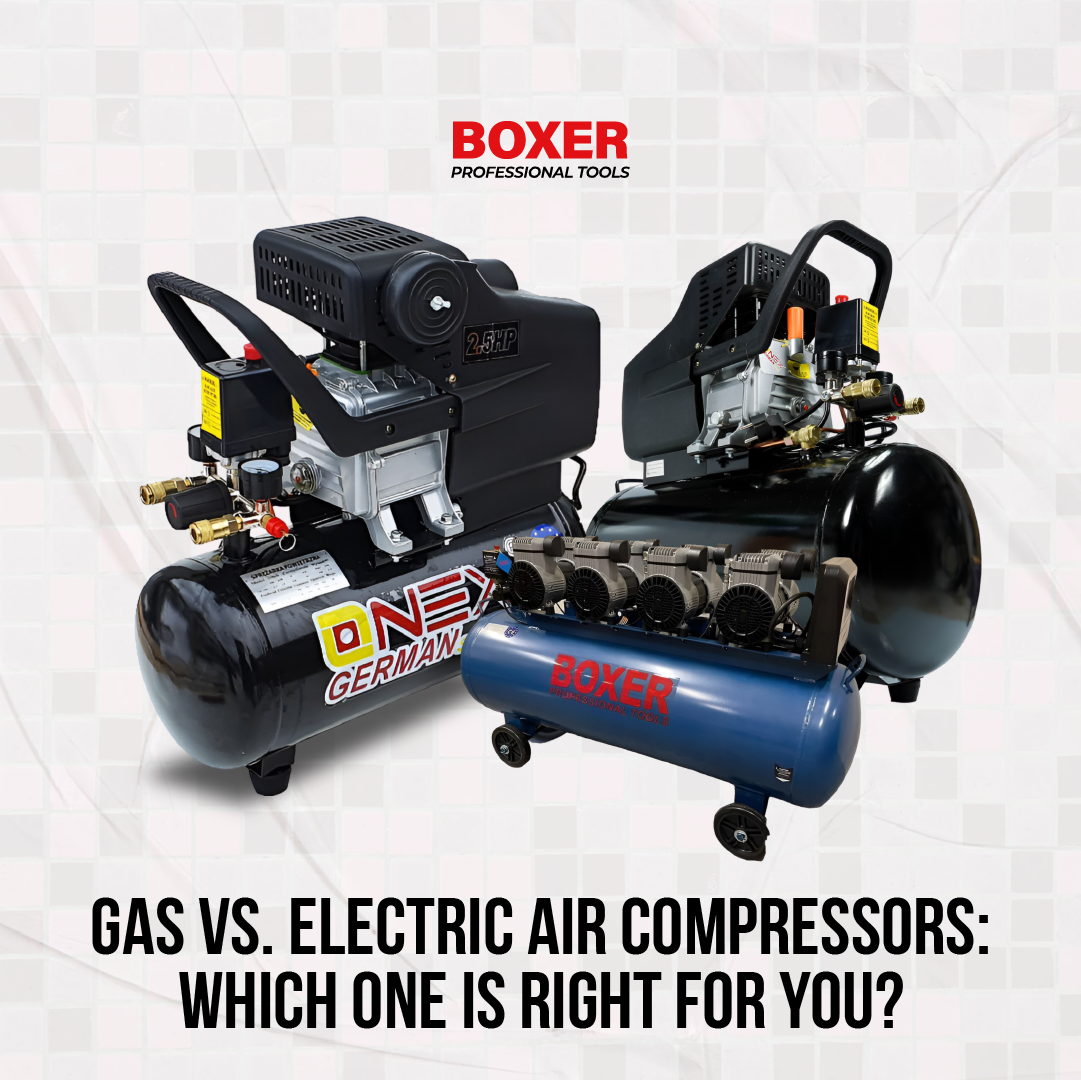
Credit: boxertools.eu
Frequently Asked Questions
What Are The Main Differences Between Gas And Electric Air Compressors?
Gas air compressors run on fuel and are portable, while electric ones need power outlets and are quieter. Gas models suit outdoor use, and electric ones work best indoors.
Which Air Compressor Is More Cost-effective To Operate?
Electric air compressors usually cost less to run because electricity is cheaper than gas. Gas compressors need fuel and more maintenance, raising their operating costs.
How Do Gas And Electric Compressors Compare In Power Output?
Gas compressors generally provide higher power and better for heavy-duty tasks. Electric compressors fit light to medium jobs with consistent power.
Are Electric Air Compressors Better For Indoor Use?
Yes, electric compressors produce less noise and no exhaust fumes, making them ideal indoors. Gas compressors emit fumes and are louder, so better outdoors.
Can Gas Air Compressors Work Without Electricity?
Yes, gas compressors operate independently of power sources, perfect for remote areas. Electric models need a reliable power supply to function.
Which Type Requires Less Maintenance, Gas Or Electric Compressors?
Electric compressors have fewer parts and need less upkeep than gas models. Gas compressors require regular oil changes and engine care.
Is Portability Better In Gas Or Electric Air Compressors?
Gas compressors are more portable since they don’t need power cords. Electric compressors are often heavier and limited by cord length or outlets.
Conclusion
Choosing between gas and electric air compressors depends on your needs. Gas models offer power and portability for outdoor jobs. Electric compressors work well indoors and produce less noise. Consider where you will use the compressor most often. Think about maintenance and fuel costs too.
Both types have strengths and weaknesses to weigh. Your choice should fit your work style and budget. This way, you get the best tool for your tasks.