
Keeping your foosball table level is essential for fair play and protecting the internal mechanisms from warping over time. When you search for foosball table replacement parts legs levelers, you’re likely dealing with a wobbly surface that affects ball trajectory or causes rods to bind. Levelers are small but critical components, often made of durable plastic or metal, that screw into the bottom of the table legs to adjust height on uneven floors. Without them, the frame can twist, leading to premature wear on bearings and gears. This guide covers how to identify the correct type, where to find replacements, and how to install them properly to restore stability to your game table.
Key Takeaways
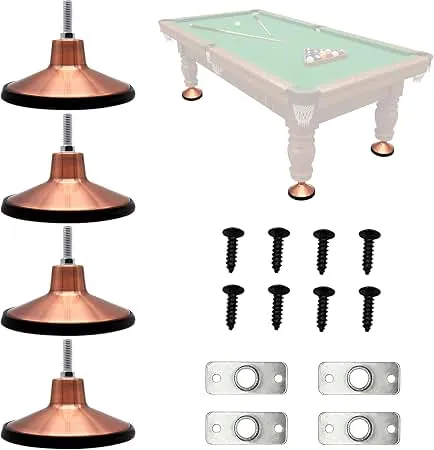
- Identify whether your table uses threaded screw-in levelers or snap-on rubber feet before purchasing replacements.
- Measure the diameter of the existing foot hole to ensure a snug fit for new parts.
- Use a bubble level on the playing surface to verify true horizontal alignment after adjustment.
- Tighten lock nuts securely to prevent levelers from vibrating loose during intense gameplay.
- Replace worn rubber pads immediately to prevent floor damage and maintain consistent friction.
- Check rod tension if leveling doesn’t resolve sticking issues, as frame stress may have already occurred.
Why Leveling Matters
A wobbly foosball table is more than just an annoyance; it actively degrades the quality of the game and shortens the lifespan of the equipment. When the table isn’t perfectly level, the ball rolls unpredictably toward the lower side, making accurate shots nearly impossible. This inconsistency frustrates players and ruins the competitive integrity of the match. Beyond gameplay, structural integrity is at stake.
The weight of the table, combined with the dynamic forces generated by swinging rods and jumping players, creates significant stress on the frame. If one leg is shorter than the others due to a missing or broken leveler, this stress becomes unevenly distributed. Over time, this can cause the wooden or MDF cabinet to warp, leading to gaps in the seams and misalignment of the goal openings.
Proper leveling ensures that the force is distributed evenly across all four corners. This balance protects the delicate internal components, such as the rod bearings and gear systems, from excessive lateral pressure. A stable base also reduces vibration, which contributes to quieter operation and less fatigue for the players.
For high-end tables with precision-machined rods, even a slight tilt can cause the balls to get stuck between the player figures and the side walls. Therefore, maintaining perfect levelness is a fundamental aspect of routine maintenance, ensuring that every kick and save behaves as designed by the manufacturer.
Identifying Your Leveler Type
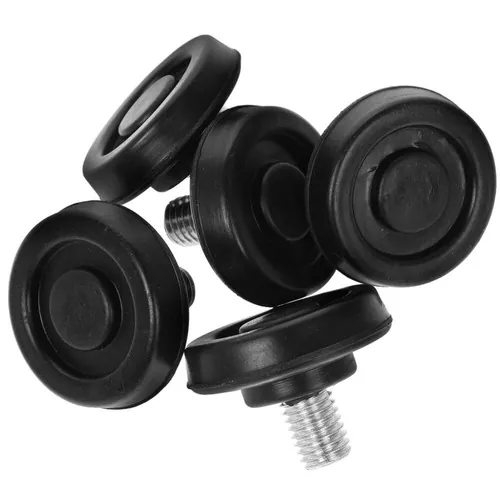
Before you can buy replacement parts, you must determine the specific type of leveler your table requires. Foosball tables generally use one of two primary systems: threaded screw-in levelers or snap-on rubber feet. Threaded levelers are common on mid-range and professional tables. These consist of a plastic or nylon cone-shaped piece that screws directly into a threaded hole at the bottom of the leg. They often have a rubber pad on the bottom for grip.
Snap-on feet are typically found on entry-level or portable tables. These are simple rubber caps that press-fit onto a smooth post at the end of the leg. Some older or heavy-duty models may use metal adjustable glides that slide up and down a channel, secured by a set screw.
To identify your type, look at the bottom of each leg. If you see threads inside the hole, you need a screw-in leveler. If there’s a smooth plastic or metal post, you need a snap-on cap. It’s crucial to match the thread size or the post diameter exactly. A mismatched part will either fall out or fail to provide adequate support.
You should also check the material. Plastic levelers are lightweight and inexpensive but can crack under heavy impact. Metal levelers are more durable and offer finer adjustment capabilities but are heavier and more expensive. Rubber pads on any type should be inspected for wear; hardened or cracked rubber loses its non-slip properties and can scratch hardwood or tile floors.
Measuring for Fit
Accurate measurement is the most important step in finding compatible replacement parts. For threaded levelers, you need to measure the diameter of the internal threads. Since you can’t easily measure internal threads with a standard ruler, it’s often easier to remove an old leveler and measure its external thread diameter.
Common sizes include 1/2 inch, 5/8 inch, and 3/4 inch. Note the thread pitch as well, though most consumer tables use standard coarse threads. For snap-on feet, measure the outer diameter of the post that the foot attaches to. Common diameters range from 0.75 inches to 1.25 inches.
If you can’t remove the old part, take a clear photo of the bottom of the leg and compare it with product images online. Pay attention to the shape of the leveler head. Some are flat, while others are conical to allow for greater angle adjustment. The length of the leveler also matters.
Longer levelers provide more range for adjusting height differences but may protrude too far, creating a tripping hazard or hitting the floor before the table is level. Always aim for a leveler that allows for at least half an inch of adjustment in both directions from the neutral position.
Finding Foosball Table Replacement Legs and Levelers
Finding the right replacement parts can be challenging because foosball tables aren’t standardized like furniture hardware. The best place to start is the manufacturer’s official website. Most reputable brands, such as Hathaway, Harrows, and Brunswick, sell replacement kits or individual components through their online stores or authorized dealers.
These parts are guaranteed to fit your specific model. If the manufacturer no longer exists or doesn’t sell parts, you can try specialized pool and billiard supply shops. These retailers often carry universal foosball accessories, including generic levelers and feet.
Online marketplaces like Amazon and eBay are also viable options, but you must be careful to verify compatibility. Search using your table’s model number along with terms like “foosball levelers” or “table feet.” Read customer reviews to confirm that the parts fit similar models. Be wary of generic listings that don’t specify dimensions.
If you’re unable to find exact matches, consider visiting a local hardware store. While they won’t have branded foosball parts, they may carry adjustable furniture glides or threaded plastic feet that can serve as functional substitutes. In some cases, a trip to a plumbing supply house might yield appropriate threaded inserts if the table uses metric or unusual sizing.
Universal Compatibility Options
When brand-specific parts are unavailable, universal adapters can bridge the gap. These are often sold as “adjustable furniture levelers” and come in various thread sizes. Look for products labeled as “heavy duty” or “high load capacity,” as foosball tables are significantly heavier than typical dressers or bookshelves.
A good universal leveler should have a robust locking mechanism to prevent loosening during play. Some universal kits include a variety of thread sizes and rubber pads, allowing you to test different options until you find one that fits securely. Ensure that the material is high-density nylon or steel, as cheap plastic may deform under the weight of the table.
| Part Type | Typical Diameter | Material | Best For |
|---|---|---|---|
| Screw-In Leveler | 1/2″ – 3/4″ | Nylon/Plastic | Mid-range tables |
| Snap-On Foot | 0.75″ – 1.25″ | Rubber/TPU | Entry-level tables |
| Adjustable Glide | Varies | Steel/Brass | Heavy-duty cabinets |
| Universal Adapter | Multiple Sizes | High-Density Nylon | Older/Unknown models |
Installation Steps
Installing new levelers is a straightforward process, but it requires patience and precision. Begin by clearing the area around the table and placing a soft cloth or cardboard underneath to protect the floor. If you’re replacing screw-in levelers, unscrew the old ones completely.
Clean the threads in the leg holes with a brush or compressed air to remove dust, dirt, or old adhesive residue. This ensures a tight seal and prevents cross-threading when installing the new parts. Apply a small amount of thread-locking fluid if recommended by the manufacturer, but avoid getting it on the moving parts of the rod system.
Screw in the new levelers by hand until they’re finger-tight. Don’t use tools at this stage, as overtightening can strip the threads in the wooden or plastic leg. Once all four levelers are in place, turn the table upright. Place a bubble level on the center of the playing surface.
Adjust each leveler individually, turning them clockwise to raise the corner or counter-clockwise to lower it. Make small adjustments, checking the level frequently. Aim for the bubble to be centered in both the longitudinal and transverse axes. After achieving levelness, tighten any lock nuts provided to secure the levelers in place. Test the table by applying pressure to different corners to ensure it remains stable.
Pro Tip: Always adjust the levelers in a diagonal pattern rather than going around the perimeter. This helps distribute the tension evenly and prevents the frame from twisting as you make changes.
Troubleshooting Wobbles
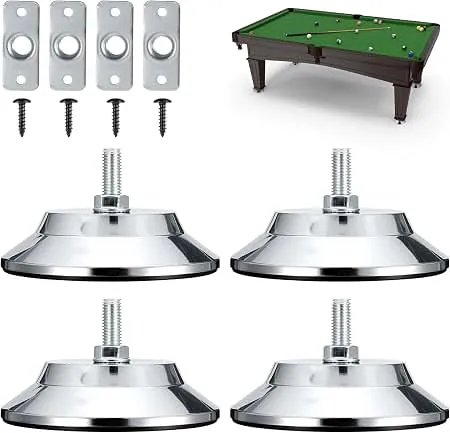
Even with new levelers, you may encounter persistent wobbling. This is often caused by uneven flooring rather than the table itself. Carpet piles, tile grout lines, and subfloor imperfections can all affect stability. If your table sits on carpet, consider using thicker levelers or adding shims underneath the feet.
Hardwood floors may have dips or crowns that require precise adjustment. In these cases, metal adjustable glides with fine threading offer better control than plastic cones. Another common issue is loose hardware within the leg assembly. Check that the bolts connecting the legs to the main cabinet are tight. Loose connections can create play that mimics a leveling problem.
Rod binding is another symptom often mistaken for a leveling issue. If the rods stick or move stiffly, the frame may be warped due to long-term imbalance. Inspect the sides of the table for gaps or misalignments. If the cabinet is visibly twisted, simple leveling may not solve the problem.
You might need to reinforce the frame with additional brackets or consult a professional repair service. Regular maintenance, including cleaning the rods and lubricating the bearings, can prevent future issues. Keep the table away from direct sunlight and heat sources, which can cause materials to expand and contract, leading to warping.
Warning: Never force a rod if it sticks. Forcing it can bend the metal shaft or damage the internal gears, resulting in costly repairs. Address the root cause of the resistance first.
Related guides
- Best Foosball Tables Under 500: Top 5 Picks in 2026
- How to Paint a Glass Table Top: A Step by Step Guide
- How to Dispose of Large Glass Table Top Panels Safely
Frequently Asked Questions
How much do foosball table levelers cost?
Replacement foosball table levelers typically cost between $5 and $25 depending on the brand and quantity. Generic sets of four usually range from $5 to $10, while branded OEM parts from manufacturers like Hathaway or Harrows can cost $15 to $25 per set. Metal adjustable glides may be slightly more expensive, ranging from $20 to $30. Prices vary based on material quality and whether the kit includes rubber pads or locking mechanisms.
Can I use furniture glides instead?
Yes, you can use heavy-duty furniture glides as a substitute if they match the thread size or post diameter of your table legs. Ensure the glide has a sufficient load rating, as foosball tables are heavy and subject to dynamic forces. Look for glides with adjustable heights and non-slip rubber bottoms. However, generic furniture glides may not offer the same aesthetic finish or precise adjustment range as dedicated foosball parts, so verify compatibility carefully before purchasing.
How often should I check the level?
You should check the level of your foosball table every few months or whenever you notice inconsistent ball movement. Frequent moving of the table, changes in humidity, or shifts in the floor structure can affect alignment. If you play regularly, a quick visual inspection with a bubble level can help catch minor issues before they lead to mechanical problems. Consistent maintenance ensures optimal performance and extends the life of the table’s internal components.
What if my table has no threads?
If your table legs have smooth posts without threads, you likely need snap-on rubber feet or caps. Measure the diameter of the post accurately and purchase replacement feet that match this size. If the original feet are lost or damaged, you can sometimes use adhesive-backed rubber pads cut to size, though this is a temporary fix. For a more permanent solution, look for universal snap-on feet available at hardware stores or online retailers specializing in furniture accessories.
Does leveling affect rod tension?
Yes, improper leveling can indirectly affect rod tension by causing frame distortion. If the table is uneven, the stress on the frame can pull the rod mounts out of alignment, making the rods feel tighter or looser than intended. Correcting the level often restores proper alignment and improves rod movement. However, if the rods remain stiff after leveling, the issue may be related to bearing wear or lack of lubrication, requiring separate maintenance.
Conclusion
Restoring your foosball table’s stability is a manageable task that enhances both gameplay and equipment longevity. By identifying the correct leveler type, measuring accurately, and following proper installation steps, you can eliminate wobbles and ensure fair play. Regular maintenance checks will keep the table performing at its best for years to come. Consider investing in a high-quality bubble level to simplify future adjustments and monitor any changes in floor conditions that might affect alignment.