
Replacing broken or worn components on your table football setup is a straightforward process that saves money and extends the life of your game. Whether you’re dealing with a snapped rod, a loose knob, or a handle that has become too loose to grip effectively, finding the right foosball table replacement parts handles is the first step toward restoring professional-level play. Most manufacturers design these tables with modular components, meaning you rarely need to replace the entire unit when a single piece fails. By identifying the specific type of handle system your table uses, you can order exact matches rather than generic substitutes that may not fit correctly. This guide walks you through identifying your hardware, sourcing compatible replacements, and installing them securely so your team stays aligned during intense matches.
Key Takeaways
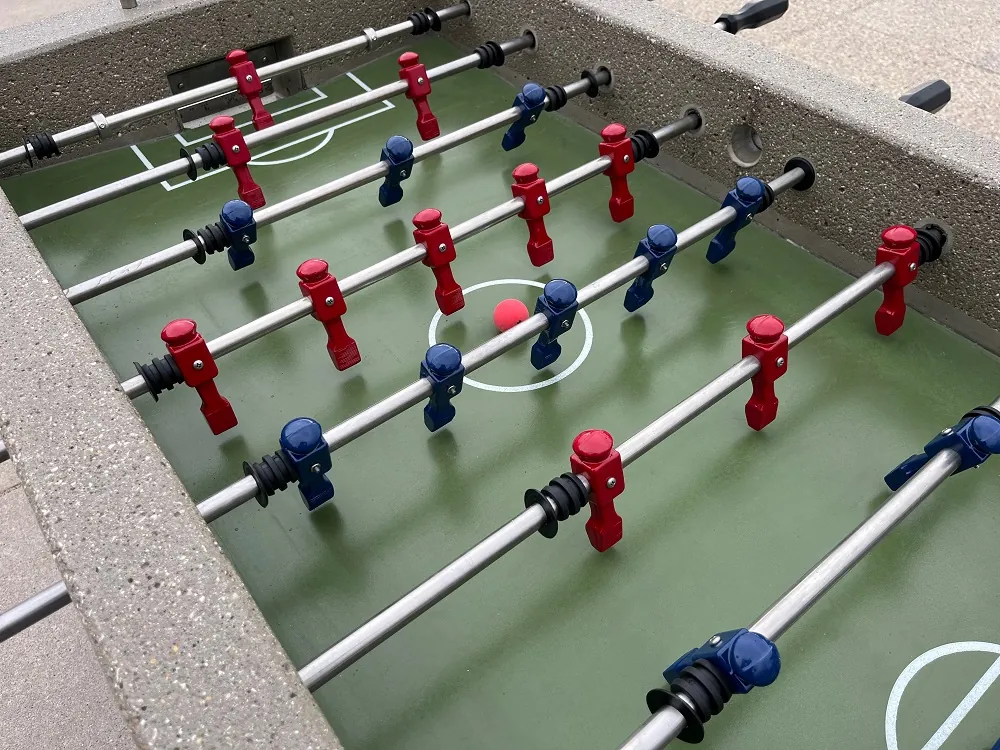
- Identify whether your table uses standard threaded rods or proprietary locking mechanisms before purchasing any replacement foosball handles.
- Measure the diameter of your existing knobs and the length of the exposed rod to ensure a precise fit for new parts.
- Standard metal handles typically cost between $5 and $15 each, while specialized ergonomic grips may range from $20 to $40 per set.
- Use thread-locking adhesive like Loctite Blue 243 to prevent handles from loosening during vigorous gameplay over time.
- Check manufacturer websites directly for part diagrams, as third-party sellers often list incompatible generic items without clear specifications.
- Regular maintenance, including lubricating the rods and tightening screws, can prevent premature wear on your handles and bearings.
Identifying Your Handle Type
Before you search for new parts, you must determine the specific mechanism your table employs. Not all foosball tables use the same attachment method for their handles. The two most common types are the standard threaded knob and the quick-release clamp system. Standard threaded knobs screw directly onto the end of the metal rod. These are simple but can loosen over time due to vibration.
Quick-release systems use a lever or pin to lock the handle in place, allowing for easier removal and cleaning. Knowing which type you have is crucial because handle compatibility varies significantly between brands. If you buy a threaded knob for a quick-release table, it won’t fit at all. Examine the end of your rod closely. If you see visible threads, you need a threaded replacement. If you see a smooth shaft with a groove or slot, you likely have a clamp-style handle.
Measuring for Fit
Accurate measurements are essential to avoid ordering the wrong size. Use a caliper or a ruler to measure the diameter of the rod where the handle attaches. Most standard tables use a 5/8-inch or 3/4-inch rod diameter, but some European models use metric sizes like 16mm or 19mm. You should also measure the length of the rod that extends beyond the cabinet frame. This determines how long your handle needs to be to provide proper leverage.
A handle that’s too short will make it difficult to control the players, while one that’s too long may hit the cabinet sides. Write down these dimensions clearly. When contacting suppliers or searching online, include both the rod diameter and the required handle length. This precision ensures that the replacement foosball handles you receive will align perfectly with your existing rods.
Finding Foosball Table Replacement Handles
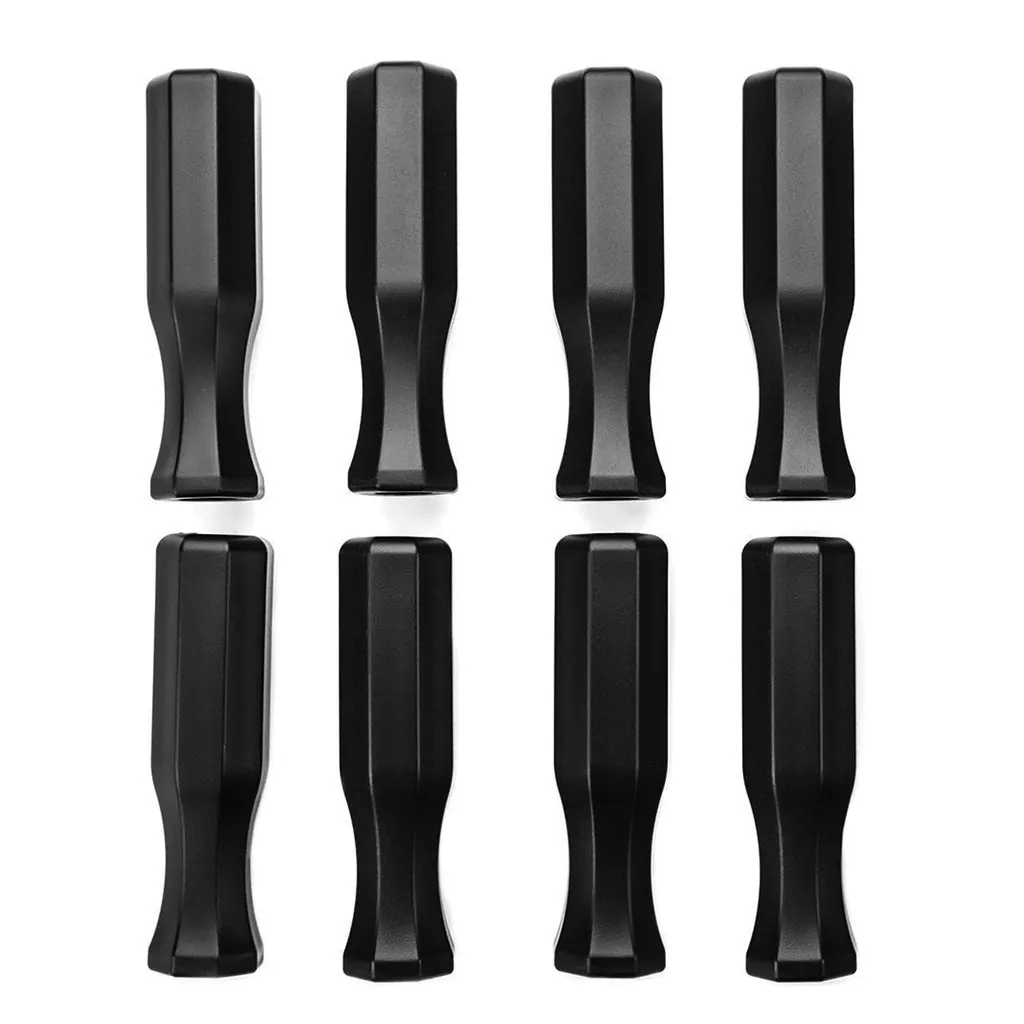
Finding the right parts requires knowing where to look. The best source is always the original manufacturer. Visit the official website of your table’s brand, such as Harvil, Gamma, or Hathaway. Look for a “Support” or “Parts” section. Many manufacturers provide exploded diagrams of their tables, labeling each component with a part number. Using this part number guarantees compatibility. If the manufacturer no longer exists or doesn’t sell parts individually, you can try specialized foosball retailers.
Stores like Foosball Warehouse or Table Football Direct often carry universal replacement kits. However, be cautious with universal parts. They may require minor modifications to fit your specific table. Always read customer reviews to see if others have successfully used the part on the same model as yours. Avoid generic marketplace listings that lack detailed specifications, as these often result in wasted money and frustration.
Brand-Specific Considerations
Different brands have unique designs that affect part availability. For example, Harvil tables often use a specific type of plastic knob that’s distinct from the metal handles found on higher-end models. Gamma tables frequently feature a patented locking mechanism that requires proprietary keys or tools for adjustment. If you own a high-end tournament table, such as those made by Boccia or Tornado, you should stick strictly to OEM (Original Equipment Manufacturer) parts.
Aftermarket alternatives may not meet the strict tolerances required for competitive play. Using non-OEM parts on a tournament-grade table can void warranties and affect performance. Conversely, if you have a budget-friendly home model, universal parts are usually acceptable and much more affordable. Understanding your table’s tier helps you decide whether to invest in expensive genuine parts or save money with generic options.
| Brand | Common Handle Type | Part Availability | Typical Cost Range |
|---|---|---|---|
| Harvil | Plastic Knob | High | $5 – $15 |
| Gamma | Metal Clamp | Medium | $15 – $30 |
| Hathaway | Threaded Metal | High | $10 – $25 |
| Boccia | Proprietary Lock | Low | $30 – $60 |
| Tornado | Standard Thread | Medium | $20 – $45 |
Installing New Handles
Installation is generally simple but requires attention to detail. Begin by removing the old handle. If it’s threaded, unscrew it counter-clockwise. If it’s stuck, apply penetrating oil and let it sit for a few minutes. For clamp-style handles, release the locking mechanism and slide the handle off. Clean the rod thoroughly with a cloth to remove dirt, grease, or old adhesive. Inspect the rod for damage.
If the threads are stripped or the rod is bent, you may need to replace the entire rod assembly, not just the handle. Once the rod is clean, attach the new handle. Screw threaded handles on clockwise until they’re snug. Don’t overtighten, as this can strip the threads or crack plastic components. For clamp handles, slide them into position and engage the locking mechanism firmly. Ensure the handle rotates freely without wobbling.
Securing the Connection
To prevent handles from loosening during play, use a thread-locking compound. Apply a small amount of medium-strength thread locker, such as Loctite Blue 243, to the threads before screwing on the handle. This chemical creates a bond that holds the handle in place but allows for future removal with heat or tool force.
Avoid using red thread locker, as it’s permanent and makes future repairs difficult. After installation, test the handle by spinning it rapidly. It should rotate smoothly without resistance. If you feel any grinding, check for misalignment or debris on the rod. Proper installation ensures that the replacement foosball handles remain secure throughout intense games, preventing accidental detachment that could damage the table or injure players.
Pro Tip: Always keep a small bottle of silicone lubricant nearby. Applying a drop to the rod ends every few months keeps the handles spinning smoothly and prevents rust buildup on metal components.
Troubleshooting Common Issues
Even after installation, you may encounter problems. One common issue is handle wobble. This occurs when the connection between the handle and the rod isn’t tight enough. Tighten the set screw on clamp handles or reapply thread locker to threaded knobs. Another problem is uneven rotation.
If the handle feels stiff in certain positions, the rod may be bent or the bearing inside the cabinet may be dirty. Remove the rod entirely and inspect it for straightness. Clean the bearing housing and apply fresh grease. If the rod is bent, it must be replaced, as a bent rod will cause uneven player movement and affect gameplay accuracy.
Loose handles that spin independently of the rod indicate a stripped thread or a broken internal locking mechanism. In these cases, replacing the handle alone may not solve the problem; you might need a new rod or a different type of handle that grips the shaft differently.
Dealing with Missing Pieces
Sometimes, the internal locking pin or spring inside a quick-release handle breaks. These small pieces are often sold separately as repair kits. Check with the manufacturer for specific repair kits for your model. If a kit is unavailable, you may need to switch to a threaded handle system. This involves drilling out the old mounting hole and tapping new threads into the rod, which is a more advanced modification.
Alternatively, you can use a sleeve adapter that fits over the smooth rod and provides threads for a standard knob. These adapters are available from specialty foosball shops. While not as elegant as an OEM solution, they provide a functional fix that restores playability. Always prioritize safety when modifying parts, ensuring that no sharp edges are created that could cut hands during play.
Warning: Never use excessive force when tightening handles. Over-torquing can crack plastic housings or deform metal rods, leading to permanent damage that requires full rod replacement.
Maintaining Longevity
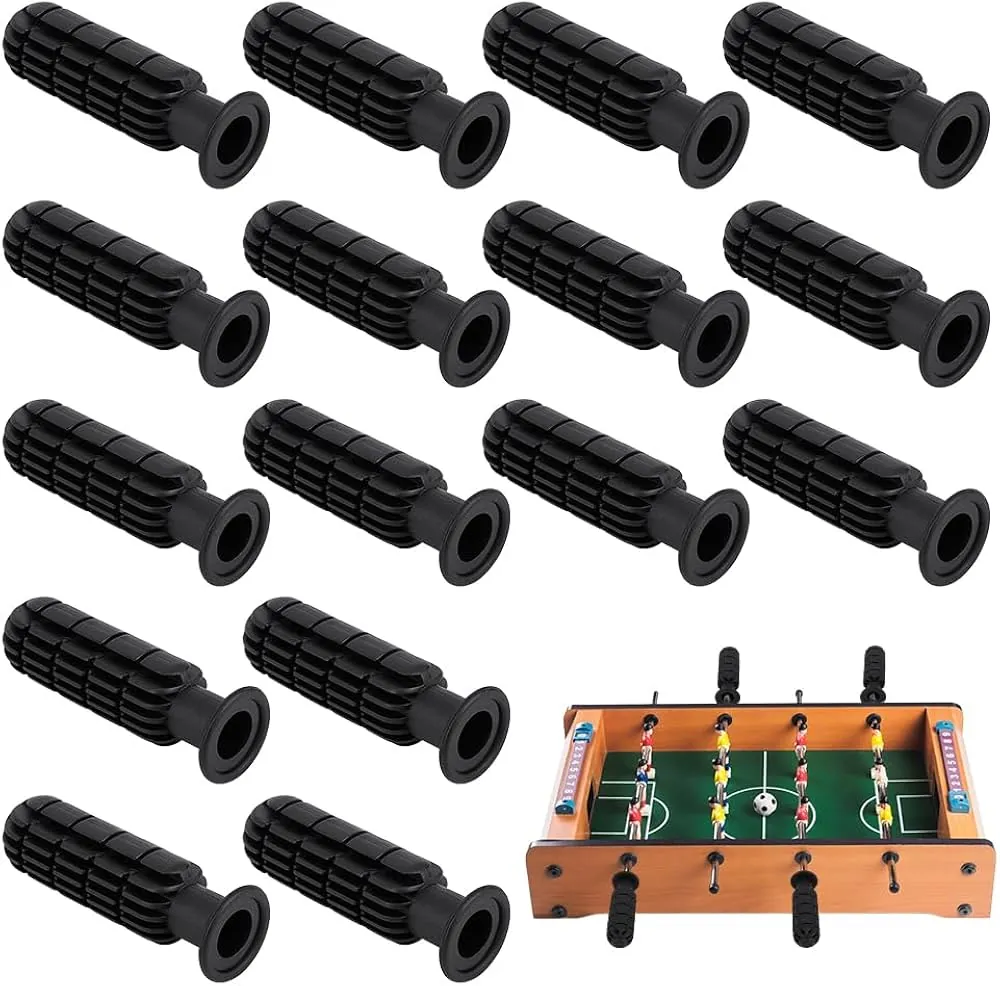
Regular maintenance extends the life of your handles and rods. Wipe down handles after each use to remove sweat and oils, which can degrade materials over time. Check for signs of wear, such as cracks in plastic or rust on metal. Address minor issues immediately to prevent them from becoming major failures. Lubricate the rods periodically with a dry lubricant or silicone spray.
Avoid using WD-40, as it attracts dust and grime, which can gum up the bearings. Store the table in a climate-controlled environment to prevent warping of wooden cabinets and corrosion of metal parts. Cover the table when not in use to protect against dust and accidental impacts. By following these simple steps, you can ensure that your replacement foosball handles last for years, providing consistent performance and enjoyment.
Cleaning Specific Materials
Different handle materials require different cleaning methods. Leather-wrapped handles should be cleaned with a damp cloth and mild soap, then dried thoroughly. Avoid soaking leather, as it can shrink or crack. Metal handles can be wiped with a microfiber cloth and a bit of metal polish to remove fingerprints and tarnish.
Plastic handles are easy to clean with standard household cleaners, but avoid abrasive scrubs that can scratch the surface. Rubberized grips should be washed with warm soapy water to remove accumulated dirt and sweat. Drying them completely prevents mold growth. Proper care keeps your handles looking new and maintains their grip quality, ensuring comfortable play sessions. Neglecting maintenance leads to slippery handles and increased risk of injury during fast-paced games.
Related guides
- Best Foosball Tables Under 500: Top 5 Picks in 2026
- How to Paint a Glass Table Top: A Step by Step Guide
- How to Dispose of Large Glass Table Top Panels Safely
Frequently Asked Questions
How much do foosball table replacement handles cost?
Prices vary widely depending on the brand and material. Basic plastic knobs for budget tables typically cost between $5 and $15 per handle. Mid-range metal handles for brands like Hathaway or Gamma usually range from $15 to $30 each. High-end tournament models from Boccia or Tornado can cost $30 to $60 per handle. Sets of four handles often offer a slight discount compared to buying individual pieces. Always factor in shipping costs when comparing prices online.
Can I use universal handles on my table?
Universal handles are designed to fit standard rod diameters, usually 5/8-inch or 3/4-inch. If your table uses these standard sizes, universal handles will likely fit. However, they may not match the aesthetic of your original table. Additionally, universal handles might not have the same weight balance or grip quality as OEM parts. For casual play, they’re a cost-effective solution. For serious gaming, stick to manufacturer-specific parts to ensure optimal performance and alignment.
What should I do if my handle spins freely?
If the handle spins without moving the players, the connection between the handle and the rod is compromised. For threaded handles, tighten the knob or apply thread-locking adhesive. For clamp-style handles, check the set screw or locking pin. If the internal mechanism is broken, you may need to replace the handle entirely. In some cases, the rod itself may be stripped, requiring a full rod replacement. Inspect the rod for wear before buying a new handle.
How do I know which size handle I need?
Measure the diameter of the rod where the handle attaches using a caliper or ruler. Most US tables use 5/8-inch rods, while many European tables use 19mm rods. Also, measure the length of the rod extending from the cabinet to determine the appropriate handle length. Consult your table’s manual or manufacturer website for specific part numbers. Providing these exact measurements to suppliers ensures you receive the correct fit.
Are plastic handles better than metal ones?
Plastic handles are lighter and cheaper, making them suitable for casual home use. They’re less likely to dent other furniture if knocked over. Metal handles are heavier, providing more momentum and a premium feel, which is preferred in competitive play. Metal is also more durable and resistant to cracking. Choose based on your playing style and budget. Tournament players generally prefer metal for its weight and durability, while families may opt for plastic for safety and cost.
Can I repair a cracked plastic handle?
Minor cracks in plastic handles can sometimes be repaired with strong epoxy glue. Clean the area thoroughly and apply the epoxy carefully. Allow it to cure completely before use. However, this is only a temporary fix. Cracked handles are prone to breaking further under stress. For reliable performance, it’s recommended to replace cracked handles entirely. Repairing may compromise the structural integrity, leading to sudden failure during play.
Conclusion
Replacing your foosball handles is a rewarding DIY project that restores your table to peak condition. By taking the time to identify the correct part type, measuring accurately, and installing with care, you ensure a smooth and enjoyable gaming experience. Keep a spare set of handles on hand for future emergencies, and maintain your equipment regularly to extend its lifespan. With the right parts and a little effort, your table will be ready for countless friendly matches and competitive bouts.