
Choosing the right backer board for your shower walls can make all the difference between a lasting, water-resistant surface and a costly repair down the line. You might be wondering whether Durock or HardieBacker is the better choice for your project.
Both are popular options, but they have key differences that can impact your shower’s durability and your peace of mind. You’ll discover what sets these two materials apart, helping you make a confident decision that protects your bathroom investment for years to come.
Keep reading to find out which backer board fits your needs perfectly.
Material Composition
Choosing the right material for shower walls matters a lot. The composition of these materials affects durability and water resistance. Two popular options are Durock and Hardibacker. Both are designed to hold tiles and resist moisture well.
Understanding their material makeup helps to pick the best for your shower walls. Let’s explore what each board is made of and its unique features.
Durock Features
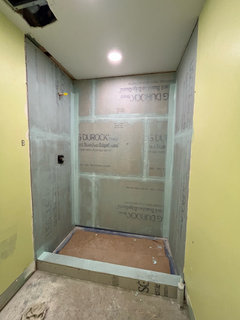
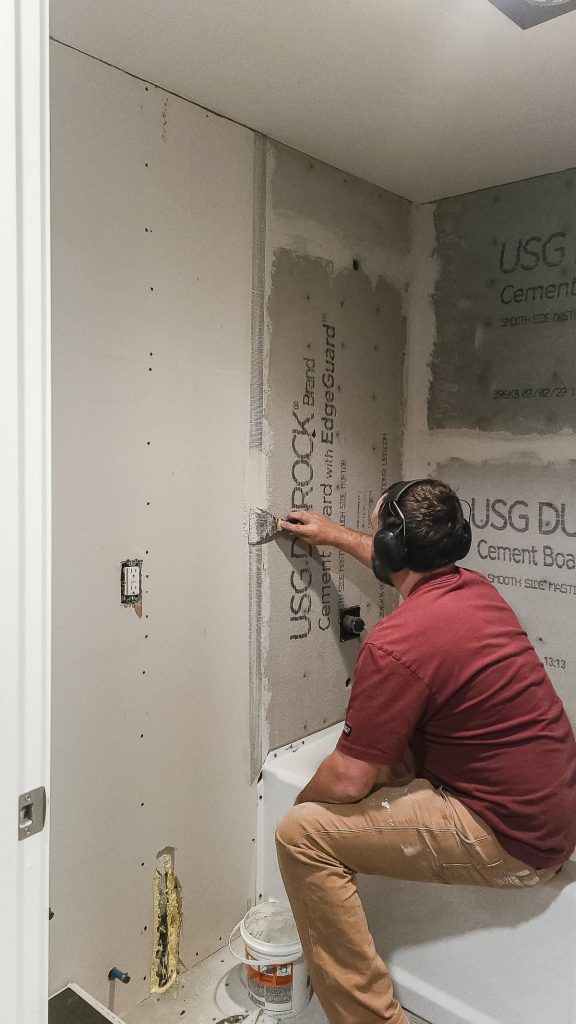
Durock is a cement-based board. It contains Portland cement and non-asbestos fibers. This mix gives it strong water resistance and fireproof qualities. The board is dense and heavy, which adds durability.
Durock does not swell or warp when wet. It offers a solid base for tile installation. The surface is rough, helping tiles to stick better. It is also mold and mildew resistant.
Hardibacker Features
Hardibacker is made from a blend of cement and cellulose fibers. These fibers come from wood pulp. This mix makes the board lighter than Durock but still strong.
Hardibacker resists moisture and does not break down easily. It has a smooth surface for tile adhesion. The board is also mold resistant and fireproof. It is easier to cut and handle during installation.
Water Resistance
Water resistance is vital for shower walls. It protects the structure from damage caused by moisture. Choosing the right material ensures durability and safety. Both Durock and Hardibacker offer water-resistant features, but their performance differs in wet areas. Understanding these differences helps in making the best choice for your shower walls.
Performance In Wet Areas
Durock is a cement board designed to resist water and moisture. It does not absorb water, which prevents swelling and weakening. Hardibacker is a fiber cement board with similar water resistance. It also withstands humidity and direct water exposure well. Both materials provide a solid base for tiles in showers. Proper installation and sealing improve their water resistance further.
Mold And Mildew Resistance
Mold and mildew grow in damp environments. Durock’s cement composition resists mold growth effectively. It does not provide food for mold spores. Hardibacker also resists mold due to its fiber cement makeup. Both products reduce the risk of mold and mildew damage. Regular cleaning and ventilation help maintain mold-free shower walls.
Installation Process
Installing Durock or Hardibacker on shower walls is a key step for a strong, moisture-resistant base. This process needs careful attention to details. Proper installation helps prevent water damage and mold growth.
The installation involves several stages. Each stage must be done right for a lasting shower wall. The materials have unique features that affect installation.
Ease Of Handling
Durock and Hardibacker panels are heavy but manageable. Their size and weight require two people for best results. Both materials have a rough surface that helps with tile adhesion. They do not warp or bend easily, making the installation smoother. Handling these boards carefully prevents damage before installation.
Cutting And Fastening
Cutting Durock or Hardibacker is simple with a utility knife or saw. Scoring the board and snapping it works well for straight cuts. Fastening uses corrosion-resistant screws or nails designed for cement boards. Screws should be spaced every 8 inches for stability. Countersinking screws slightly helps prevent tile cracks later. Proper cutting and fastening ensure a solid, even surface for tiling.
Durability And Strength
Durability and strength are key factors when choosing materials for shower walls. Both Durock and Hardibacker offer solid support and protection. These materials stand up well against daily wear and tear. Understanding their impact resistance and long-term durability helps you pick the right one for your bathroom.
Impact Resistance
Durock and Hardibacker resist dents and cracks from impacts. They protect the wall behind tiles from damage. Durock uses cement and fiberglass for strong impact resistance. Hardibacker combines cement with cellulose fibers for toughness. Both materials reduce the risk of damage during installation or everyday use.
Long-term Wear
These backer boards last for many years in wet environments. They resist water damage and mold growth better than regular drywall. Durock is dense and keeps its shape over time. Hardibacker stays stable without warping or crumbling. Using either one ensures your shower walls remain solid and safe for a long time.
Cost Comparison
Cost plays a big role in choosing between Durock and Hardibacker for shower walls. Both have different price points. Understanding these helps plan your budget better.
Material Prices
Durock typically costs more than Hardibacker per sheet. Durock is a cement board designed for wet areas. It is heavier and denser, which raises its price. Hardibacker is lighter and cheaper. It uses fiber cement, which costs less to make. Prices vary by store and location. Usually, Durock ranges from $15 to $20 per 3×5 sheet. Hardibacker often costs between $10 and $15 for the same size. Consider how many sheets your project needs. This affects total material cost.
Labor And Installation Costs
Installing Durock can cost more in labor. It is heavier and harder to cut. This takes more time and effort. Contractors might charge extra for handling Durock. Hardibacker is easier to work with. It cuts with standard tools and weighs less. This lowers installation time and cost. Labor rates vary by region and skill level. Still, expect to pay more to install Durock than Hardibacker in most cases.

Credit: www.reddit.com
Compatibility With Tile Adhesives
Choosing the right tile adhesive is key when installing tile on shower walls with Durock or Hardibacker. These backer boards have unique surfaces that affect how well tile adhesives stick to them. Proper compatibility ensures tiles stay put and resist moisture.
Both Durock and Hardibacker offer strong, stable bases. But the tile adhesive must bond well to their surfaces for a lasting tile job. Understanding their adhesion properties helps pick the right mortar and avoid tile problems.
Adhesion Properties
Durock has a rough, cement-like surface that grips tile adhesive firmly. This texture helps thin-set mortar adhere without slipping. It also resists water, preventing adhesive breakdown.
Hardibacker has a smooth, fiber-cement surface. It still bonds well with tile adhesives but may need a primer in some cases. Its surface is water-resistant, which supports long-term tile adhesion.
Both backer boards require thin-set mortar for best results. The mortar’s ability to bond to these surfaces directly impacts tile strength and durability.
Recommended Mortars
Use a high-quality, polymer-modified thin-set mortar with Durock. This mortar sticks well and handles moisture in showers. It provides a strong, flexible bond to prevent tile cracking.
For Hardibacker, use an ANSI A118.4 or A118.11 standard thin-set mortar. These mortars offer good adhesion and flexibility for fiber-cement boards. They also resist water and movement behind tiles.
Avoid mastic or non-modified adhesives on both backer boards. These adhesives do not hold up well in wet shower environments and can cause tile failure.
Environmental Impact
The environmental impact of shower wall materials matters to many homeowners. Choosing the right board can reduce waste and pollution. Both Durock and Hardibacker have different effects on the environment. Understanding their sustainability helps make better decisions.
Sustainability Of Materials
Durock is made from cement and fiberglass. Cement production uses a lot of energy and produces carbon dioxide. This adds to greenhouse gases in the air. Hardibacker is made from cement and cellulose fibers. Cellulose comes from wood, a natural material. It uses less energy to produce than pure cement boards. Both boards last long, reducing the need for replacements.
Recyclability
Durock is not easily recycled due to its cement base. It often ends up in landfills after demolition. Hardibacker is also hard to recycle because of mixed materials. Neither board breaks down quickly in nature. Proper disposal or reuse can lower environmental harm. Some builders reuse leftover pieces to reduce waste.
User Reviews And Professional Opinions
User reviews and professional opinions offer valuable insights on Durock and Hardibacker for shower walls. They reveal real-world experiences and expert advice. These perspectives help homeowners and contractors choose the right product for their needs.
Homeowner Feedback
Many homeowners appreciate Durock for its durability and moisture resistance. They find it easier to install compared to other backer boards. Some mention that Durock feels heavier but more solid behind tiles.
Hardibacker receives praise for being lightweight and easy to cut. Users like its mold-resistant qualities, which are important in wet areas. A few homeowners note that it may require extra sealing around edges.
Both products have mixed reviews about price. Some feel Durock is a better value for long-term use. Others prefer Hardibacker for smaller projects or DIY jobs. Overall, user feedback helps clarify practical strengths and weaknesses.
Contractor Recommendations
Contractors often choose Durock for commercial and high-moisture settings. They trust its consistent performance and strong warranty. Professionals highlight its excellent bonding with thinset mortar and tile adhesion.
Hardibacker is favored for residential jobs and quick installations. Experts mention it saves time due to lightweight design. They recommend proper sealing to prevent water damage over time.
Both materials meet building codes and industry standards. Contractors advise selecting based on project size, budget, and expected moisture exposure. Their advice guides smart choices for lasting shower walls.
Best Use Cases
Choosing the right backer board for shower walls makes a big difference. Both Durock and Hardibacker have strong points. Knowing the best use cases helps pick the right option. Each material suits different shower setups and needs. Understanding these helps ensure a long-lasting, water-resistant wall.
Ideal Shower Wall Applications
Backer boards are key for wet areas like showers. They provide a solid base for tile and prevent water damage. Durock and Hardibacker work well behind tile, stone, and other finishes. They fit both residential and light commercial bathrooms. Use them in full showers, tub surrounds, and steam rooms.
These boards resist moisture and mold. They support heavy tile and natural stone. Both can be used on walls and ceilings in wet spaces. Their water resistance keeps walls strong and dry for years.
When To Choose Durock
Durock excels in heavy-duty applications. It handles thick or large tiles with ease. Its denser core adds extra strength. It is perfect for showers with natural stone or large-format tile. Also ideal in areas with high moisture or steam.
Durock’s rough surface helps thinset mortar stick well. It works well in steam showers or saunas. Choose Durock for projects needing maximum durability and water resistance. It also performs well on floors and countertops.
When To Choose Hardibacker
Hardibacker offers a lighter, easier-to-cut option. It is good for standard shower walls with smaller tiles. Ideal for DIY projects or quick installations. It resists water and mold effectively. Hardibacker performs well in typical home bathrooms.
This board works in areas with moderate moisture. It is a cost-effective choice for most shower walls. Use Hardibacker for standard tile patterns and moderate weight finishes. It is easy to handle and install for beginners.
Credit: www.houzz.com
Credit: www.makingmanzanita.com
Frequently Asked Questions
What Is Durock And Hardibacker For Shower Walls?
Durock and Hardibacker are cement boards used as a base for tile in wet areas. They resist water and provide a strong surface for shower walls.
Which Board Is Better For Waterproofing In Showers?
Both boards resist water well, but Durock has a slightly denser core. Using a waterproof membrane over either board improves protection.
How Do Durock And Hardibacker Differ In Installation?
Durock is heavier and more rigid, while Hardibacker is lighter and easier to cut. Both require screws and proper sealing for best results.
Can I Use Durock Or Hardibacker Without A Vapor Barrier?
A vapor barrier or waterproof membrane is recommended behind both boards to prevent moisture damage in shower walls.
Which Board Is More Cost-effective For Shower Walls?
Hardibacker is often less expensive than Durock. Both offer good value, but prices vary by location and supplier.
How Durable Are Durock And Hardibacker In Wet Environments?
Both boards are very durable and resist mold and mildew. Proper installation is key to ensuring long-lasting shower walls.
Are Durock And Hardibacker Suitable For Diy Shower Projects?
Yes, both are popular choices for DIYers due to their ease of use. Basic tools and careful handling help achieve good results.
Conclusion
Choosing between Durock and Hardibacker depends on your shower needs. Both offer strong, moisture-resistant backing for tiles. Durock is great for heavy-duty use and durability. Hardibacker provides good water resistance and is lighter to handle. Think about your budget, ease of installation, and shower size.
Either option will protect your walls well. Proper installation and sealing matter most for lasting results. Take time to decide what fits your project best. Your shower walls will stay safe and sturdy either way. Simple choices lead to great bathrooms.