
When it comes to choosing pipes for your home, the decision between copper and plastic can feel overwhelming. You want something durable, safe, and cost-effective—but which one truly fits your needs?
Understanding the key differences between copper and plastic pipes can save you time, money, and headaches down the line. You’ll discover the pros and cons of each option, helping you make a confident choice that protects your home and your wallet.
Keep reading to find out which pipe material is right for you.
Material Properties
Understanding the material properties of copper and plastic pipes helps in making the right choice. These properties affect how pipes perform in homes and buildings. They also influence cost, maintenance, and lifespan. Let’s explore key properties like durability, corrosion resistance, and thermal conductivity.
Durability And Strength
Copper pipes are strong and last many years. They resist damage from pressure and impact. Plastic pipes are lighter but less strong. They can crack under heavy force or sharp bends. Copper handles high pressure better than plastic. Plastic pipes may need extra care during installation.
Corrosion Resistance
Copper pipes resist rust and corrosion well. They form a protective layer over time. Plastic pipes do not corrode at all. This makes plastic a good choice for water with chemicals. Copper can react with acidic water, causing leaks. Plastic stays stable in most water types.
Thermal Conductivity
Copper has high thermal conductivity. It heats up and cools down quickly. This helps hot water flow faster but can cause heat loss. Plastic pipes have low thermal conductivity. They keep water temperature steady. Plastic pipes reduce energy loss and save heat.

Credit: www.sharkbite.com
Installation Process
The installation process plays a big role in choosing between copper and plastic pipes. Each type has its own steps and tools needed for fitting. Understanding these differences helps save time and money during plumbing work.
Some pipes require special skills and equipment. Others are easier to manage for beginners. The effort and cost can vary a lot depending on the pipe material.
Ease Of Handling
Copper pipes are rigid and heavy. They need careful cutting and bending. Handling can be tough for some homeowners.
Plastic pipes are lightweight and flexible. They are easier to carry and position. This makes plastic pipes simpler to work with.
Tools And Techniques Needed
Copper installation requires a pipe cutter and a torch. Soldering is needed to join the pipes securely.
Plastic pipes use basic tools like a saw or pipe cutter. They connect with glue or push-fit fittings. No heat or soldering is needed.
Time And Labor Costs
Copper pipe installation takes more time. Skilled labor is usually required. This raises overall costs.
Plastic pipes install faster with less effort. Labor costs tend to be lower. This saves money on large projects.
Cost Factors
Cost factors play a big role in choosing between copper and plastic pipes. These factors affect your budget now and in the future. Understanding these costs helps you make a smart decision for your home or project.
Initial Purchase Price
Copper pipes usually cost more upfront than plastic pipes. The price of copper metal is high. Plastic pipes like PVC or PEX are cheaper to buy. This makes plastic pipes a popular choice for tight budgets.
Long-term Maintenance
Copper pipes need less maintenance over time. They resist heat and pressure well. Plastic pipes can wear out faster in some cases. They may crack or degrade from sunlight or chemicals. Maintenance costs can add up with plastic pipes.
Replacement Expenses
Replacing copper pipes tends to be costly. Copper is heavy and needs skilled labor. Plastic pipes are easier and cheaper to replace. They are lighter and easier to cut and join. Replacement costs may be lower with plastic pipes.

Credit: www.tubomart.com
Health And Safety
Health and safety are key factors in choosing pipes for plumbing. Pipes must not affect water quality or pose risks to people’s health. Both copper and plastic pipes have different effects on safety and water purity. Understanding these differences helps make better decisions for homes and buildings.
Impact On Water Quality
Copper pipes can improve water quality by killing bacteria. They do not add harmful substances to the water. Plastic pipes may affect taste and smell, especially if low-quality materials are used. Some plastics can absorb chemicals from water, changing its purity. Clean water depends on the pipe material and its condition over time.
Chemical Leaching Risks
Copper pipes rarely leach chemicals into water. Small amounts of copper can enter water but usually stay within safe levels. Plastic pipes may release chemicals like BPA or phthalates, especially if exposed to heat. These chemicals can harm health if consumed over long periods. Choosing safe, certified plastic pipes reduces this risk greatly.
Environmental Considerations
Copper is a natural metal and can be recycled many times. It has a long lifespan and does not break down easily. Plastic pipes come from petroleum and can take hundreds of years to decompose. Some plastics can release harmful substances into soil and water when discarded. Recycling plastic pipes is less common but can reduce environmental harm.
Performance In Different Conditions
Choosing the right pipe material depends a lot on how it performs under different conditions. Copper and plastic pipes behave differently with changes in temperature, pressure, and freezing risks. Understanding their strengths and weaknesses helps make the best choice for your plumbing needs.
Temperature Tolerance
Copper pipes handle heat very well. They can carry hot water without damage or warping. Plastic pipes may soften or deform at high temperatures. Some plastic types resist heat better than others. Plastic pipes work fine for cold water but may not last long with hot water.
Pressure Handling
Copper pipes are strong and can handle high water pressure easily. They rarely burst or crack under stress. Plastic pipes vary in strength. Some types can handle moderate pressure but may fail under very high pressure. Copper pipes often last longer in high-pressure systems.
Resistance To Freezing
Copper pipes freeze faster than plastic pipes. Frozen water can cause copper pipes to burst. Plastic pipes are more flexible and resist cracking from ice expansion. They are a better choice in cold climates to avoid freezing damage.
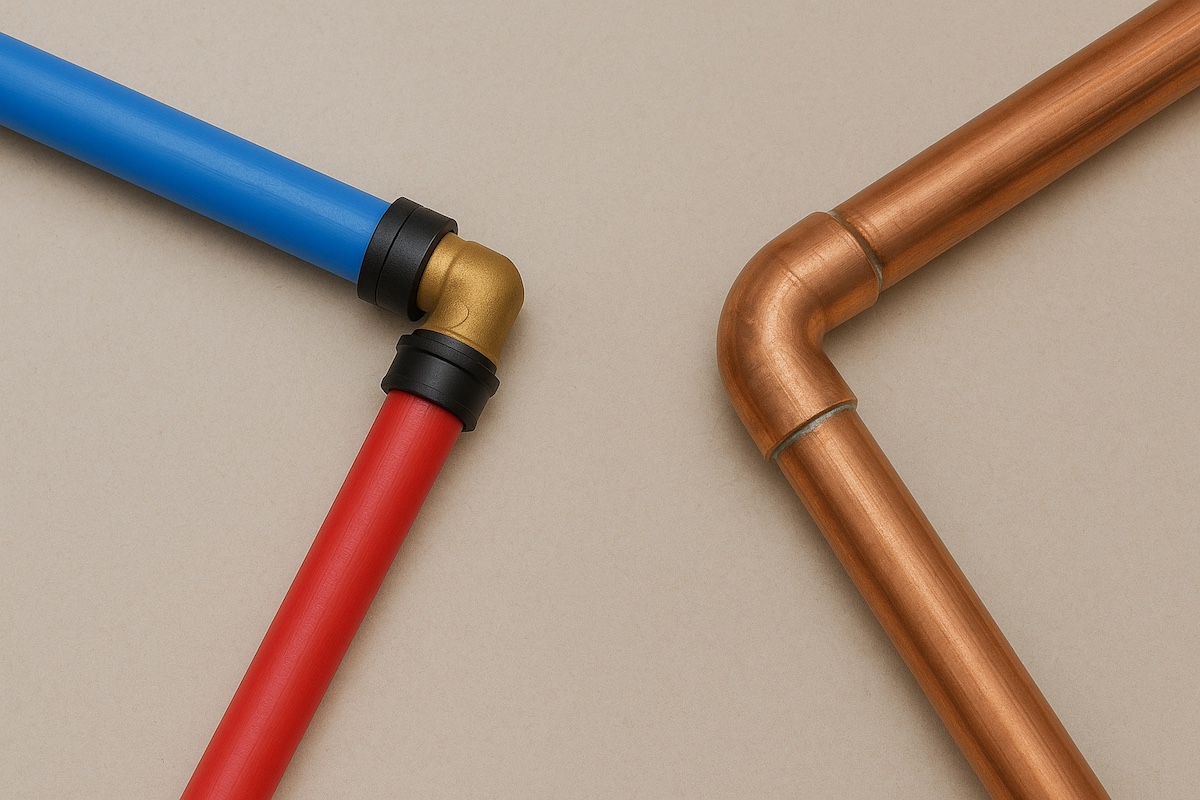
Credit: www.danwoodservices.com
Longevity And Warranty
Choosing between copper and plastic pipes involves understanding their durability and warranty. These factors affect maintenance costs and long-term safety. Knowing how long each pipe lasts and what guarantees come with them helps make a smart choice.
Expected Lifespan
Copper pipes often last 50 years or more in homes. They resist heat and corrosion well. Plastic pipes, like PVC or PEX, usually last 25 to 40 years. They handle cold well but may weaken under strong sunlight. Lifespan depends on water quality and installation.
Manufacturer Guarantees
Copper pipes typically come with 20 to 50-year warranties. Some brands offer lifetime coverage for copper. Plastic pipes usually have 10 to 25-year guarantees. These warranties cover defects but not damage from poor installation or misuse. Check warranty details before buying.
Signs Of Wear And Failure
Copper pipes may show greenish stains or leaks over time. They can corrode or develop pinhole leaks. Plastic pipes might crack, discolor, or become brittle. Watch for low water pressure or strange noises. Early signs help avoid costly repairs.
Environmental Impact
Choosing between copper and plastic pipes affects the environment differently. Understanding these effects helps make better decisions for plumbing projects. Both materials have unique impacts on nature and resources.
Recyclability
Copper pipes are highly recyclable. They can be melted and reused multiple times without losing quality. Recycling copper saves natural resources and reduces waste. Plastic pipes are harder to recycle. Many types of plastic degrade after recycling. They often end up in landfills or oceans, causing pollution.
Energy Consumption In Production
Making copper pipes uses more energy than plastic pipes. Mining and refining copper are energy-intensive processes. Plastic pipes require less energy to produce. Still, plastics come from fossil fuels, which cause pollution. Energy use affects carbon emissions and global warming.
Sustainability
Copper is a natural metal that lasts long and resists corrosion. It can be reused many times, which supports sustainability. Plastic pipes have a shorter lifespan and may release harmful chemicals over time. Copper’s durability often means fewer replacements and less waste. Sustainability depends on material lifespan and environmental cost.
Common Applications
Both copper and plastic pipes serve many roles in plumbing. Each type fits certain uses better than the other. Choosing the right pipe depends on the project’s needs and environment.
This section explores where copper and plastic pipes are commonly used. It covers homes, businesses, and special cases. Understanding these applications helps pick the best material.
Residential Plumbing
Copper pipes are popular in homes for water supply lines. They resist heat and corrosion well. Copper pipes last long and handle high temperatures.
Plastic pipes, like PEX and PVC, are common in new houses. They are flexible and easy to install. Plastic pipes resist scale and chemical buildup.
Commercial Use
Businesses often use copper pipes for heating and cooling systems. Copper’s durability suits heavy use and pressure. It also works well for fire sprinkler systems.
Plastic pipes are common in commercial drain and vent systems. They are lightweight and cost less. Plastic pipes reduce noise from water flow.
Specialized Situations
Copper pipes are ideal for medical and laboratory settings. They do not release harmful chemicals. Copper also withstands sterilization processes.
Plastic pipes are preferred in chemical plants and irrigation. Certain plastics resist aggressive chemicals better than copper. They are also easier to replace or modify.
Making The Right Choice
Choosing between copper and plastic pipes can feel tricky. Both have clear benefits and some downsides. Picking the right one depends on your needs, budget, and advice from experts. This section breaks down key points to help you decide with confidence.
Budget Considerations
Copper pipes cost more upfront than plastic pipes. Installation may also be pricier due to labor needs. Plastic pipes are cheaper and easier to install. They offer good value for many projects. Think about long-term costs too. Copper lasts longer and resists damage better. Plastic may need replacement sooner, which adds to costs over time.
Project Requirements
Consider the type of project. Copper works well for hot and cold water lines. It handles heat and pressure without problems. Plastic pipes are flexible and resist corrosion. They suit underground or outdoor use. Check building codes and local rules. Some areas require specific pipe types for safety. Match your pipe choice to the project’s needs for best results.
Expert Recommendations
Plumbers and builders know pipe pros and cons. They can advise based on your home and water system. Experts often suggest copper for durability and health safety. Plastic pipes can be fine for budget projects or certain uses. Ask for opinions from trusted professionals. Their experience helps avoid costly mistakes and ensures a smooth installation process.
Frequently Asked Questions
What Are The Main Differences Between Copper And Plastic Pipes?
Copper pipes are metal and strong, while plastic pipes are lightweight and flexible. Copper lasts longer but costs more. Plastic is cheaper and easier to install.
Which Pipe Material Is Better For Hot Water Supply?
Copper pipes handle heat well and resist high temperatures. Plastic pipes can melt if the water is too hot. Copper is usually preferred for hot water.
Are Plastic Pipes Safer For Drinking Water Than Copper?
Both pipes are safe if made to standards. Plastic pipes don’t corrode but may leach chemicals. Copper pipes resist bacteria but can corrode in some water types.
How Do Copper And Plastic Pipes Compare In Cost?
Plastic pipes are cheaper to buy and install. Copper pipes have a higher upfront cost but last longer. Repair costs depend on pipe damage and type.
Which Pipes Are Easier To Install, Copper Or Plastic?
Plastic pipes are easier to cut and join with glue. Copper pipes require soldering skills and special tools. Plastic is better for DIY projects.
Do Copper Pipes Require More Maintenance Than Plastic Pipes?
Copper pipes may need checking for corrosion or leaks over time. Plastic pipes need less maintenance but can crack if exposed to sunlight. Both require occasional inspection.
Can Plastic Pipes Withstand Freezing Temperatures Like Copper Pipes?
Copper pipes are less likely to burst when frozen. Plastic pipes can crack if water inside freezes. Insulation helps protect both pipe types in cold weather.
Conclusion
Choosing between copper and plastic pipes depends on your needs. Copper pipes last long and resist heat well. Plastic pipes cost less and are easier to install. Copper works best for hot water and durability. Plastic suits cold water and flexible layouts.
Both types have pros and cons to consider. Think about budget, climate, and pipe use. This helps pick the right pipe for your home. Either choice can serve your plumbing needs well.