
When working on plumbing projects, choosing the right fitting can make all the difference. You might have come across terms like sanitary tee and wye but aren’t sure which one suits your needs.
Understanding the key differences between a sanitary tee and a wye will help you avoid costly mistakes and keep your pipes flowing smoothly. You’ll learn exactly when and why to use each fitting, so your plumbing system works efficiently and lasts longer.
Keep reading to discover the simple guide that can save you time and frustration on your next project.
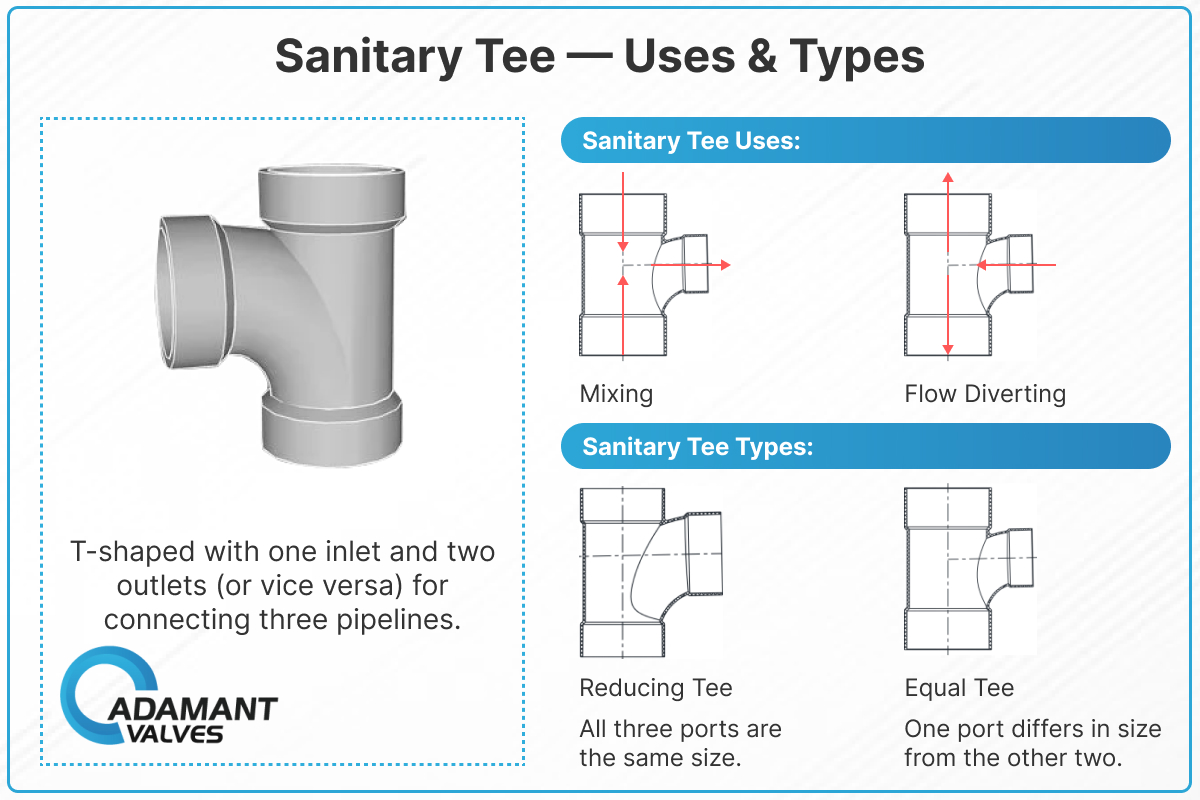
Credit: www.adamantvalves.com
Sanitary Tee Basics
The sanitary tee is a key fitting in plumbing systems. It helps connect pipes and guides waste smoothly. This fitting prevents clogs and keeps water flowing well. Understanding its basics is important for proper plumbing work.
Design And Structure
The sanitary tee looks like the letter “T” but with a curved branch. This curve directs flow gently, avoiding blockages. It has three openings: one inlet, one outlet, and a branch. The branch is angled to help drain waste efficiently.
Common Applications
Sanitary tees connect horizontal drain pipes to vertical pipes. They are used in sinks, toilets, and showers. These fittings work best where waste flows downwards. They help prevent backflow and keep pipes clean.
Installation Tips
Install the sanitary tee with the curved branch pointing down. Ensure pipes align properly to avoid leaks. Use pipe glue or sealant for a strong connection. Check for smooth flow after installation to prevent problems.
Wye Fitting Essentials
The wye fitting is a common plumbing part. It helps connect pipes at an angle. This fitting is useful for directing water flow smoothly. Understanding its shape and uses helps in choosing the right pipe fitting.
Shape And Construction
The wye fitting looks like the letter Y. It has three openings. Two openings are in a straight line. The third opening connects at a 45-degree angle. This design helps water flow with less resistance. It is usually made from PVC or cast iron.
Typical Uses
Wye fittings connect horizontal and vertical pipes. They are common in drainage systems. These fittings help waste water flow into main drain pipes. They also reduce clogs by allowing smoother turns. Wyes are ideal for branch lines joining the main pipe.
Installation Techniques
Install wye fittings with care. The angled branch should point downstream. Use proper pipe cement or sealant for tight joints. Avoid sharp bends near the fitting. This ensures water flows without blockages. Check for leaks after installation to prevent issues.
Flow Direction And Efficiency
Flow direction and efficiency matter a lot in plumbing systems. The way fluid moves through pipes affects how well the system works. Choosing the right fitting can help avoid problems and keep water flowing smoothly. Sanitary tees and wyes have different designs that change flow and efficiency. Understanding their differences helps pick the best option for a job.
Impact On Fluid Movement
Sanitary tees have a sharp 90-degree angle for fluid flow. This angle can slow down water and increase pressure. Wyes have a gentler, 45-degree angle. They guide water more smoothly through the pipe. Fluid moves faster in wyes with less resistance. This smooth flow reduces strain on the plumbing system.
Preventing Blockages
Sharp turns in sanitary tees can cause debris buildup. This buildup can block pipes and cause backups. Wyes reduce blockages by easing fluid direction changes. Their angle helps debris move along without getting stuck. Using wyes lowers the risk of clogs and keeps pipes clean longer.
Comparing Performance
Wyes generally offer better flow and fewer blockages. They work well in drain lines and vent systems. Sanitary tees are useful but may slow flow in tight spaces. They fit well in vertical to horizontal pipe connections. Choosing depends on pipe layout and flow needs. Wyes improve efficiency; sanitary tees offer compact connections.
Material And Size Options
The choice of material and size plays a big role in selecting sanitary tees and wyes. These factors affect durability, fit, and performance. Understanding the options helps make the right decision for plumbing projects.
Available Materials
Sanitary tees and wyes come in various materials. PVC is common for residential plumbing because it is lightweight and affordable. ABS offers good strength and chemical resistance. Cast iron suits heavy-duty and commercial work. Copper provides durability and resists corrosion. Each material fits different needs and budgets.
Sizing Considerations
Sizes vary to match pipe diameters. Common sizes include 1.5, 2, 3, and 4 inches. Choosing the correct size prevents leaks and flow issues. Measure pipes carefully before buying. Oversized or undersized fittings cause problems and extra work.
Compatibility With Pipes
Sanitary tees and wyes must fit pipe types precisely. PVC fittings connect best with PVC pipes. Cast iron fittings pair well with cast iron pipes. Use adapters for different materials. Check manufacturer specifications for compatibility. Proper fit ensures a tight seal and lasting connection.
Cost And Maintenance
Choosing between a sanitary tee and a wye involves more than just shape and function. Cost and maintenance play a key role in deciding which fits your plumbing needs best. Understanding price differences, durability, and cleaning needs helps you make a smart choice.
Price Differences
Sanitary tees usually cost less than wyes. They use less material and are simpler to make. Wyes often have a higher price due to their design and size. The cost gap can affect your overall plumbing budget. Buying in bulk may reduce the price per piece.
Durability Factors
Both fittings last long when made from quality materials. PVC sanitary tees and wyes resist corrosion and chemicals well. Wyes may handle pressure better because of their smoother flow design. Proper installation also affects how long each fitting lasts. Regular checks help spot damage early.
Cleaning And Upkeep
Sanitary tees can trap debris at the bend, causing blockages. Wyes allow easier flow and are less likely to clog. Cleaning a wye is simpler, needing less frequent attention. Using the right tools keeps both fittings clear and functional. Regular upkeep extends the life of your plumbing system.

Credit: protrustconsulting.co.uk
Choosing The Right Fitting
Choosing the correct fitting is key for a smooth plumbing system. The right choice helps avoid blockages and leaks. It also ensures water flows efficiently. Two common fittings are sanitary tees and wyes. Each one has a specific use and design.
Understanding how each fitting works makes the decision easier. This section explains factors to consider when selecting between a sanitary tee and a wye.
Project Requirements
Identify the purpose of the fitting in your system. Sanitary tees work well for vertical connections. They handle waste flow from horizontal pipes to vertical stacks. Wyes suit angled connections better. They create a smooth flow by joining pipes at a 45-degree angle. Check the pipe size and direction before choosing. Think about the system’s layout and flow needs. This helps pick the fitting that fits best.
Plumbing Codes And Standards
Local plumbing codes often dictate which fittings to use. These rules aim to keep plumbing safe and functional. Codes may require a sanitary tee for certain vertical connections. Some systems demand a wye for angled junctions. Always check your local regulations before installation. Ignoring codes can cause failed inspections or damage. Following standards ensures a legal and effective system.
Expert Recommendations
Plumbers and experts prefer fittings that reduce clogs and backups. They often suggest wyes for smoother flow in angled pipes. Sanitary tees are recommended for vertical waste lines. Experts emphasize the importance of proper fitting placement. Using the right fitting at the correct spot prevents future problems. Consult a professional if unsure about the choice. Their advice can save time and money.
Credit: www.reddit.com
Frequently Asked Questions
What Is The Main Difference Between A Sanitary Tee And A Wye?
A sanitary tee has a 90-degree branch, while a wye has a 45-degree branch. This angle difference affects flow direction and drainage efficiency.
Where Is A Sanitary Tee Commonly Used In Plumbing?
Sanitary tees are used to connect horizontal pipes to vertical drains. They help direct waste and prevent backflow in drainage systems.
Why Choose A Wye Over A Sanitary Tee In Piping?
Wyes allow smoother flow because of their angled branch. They reduce clogs and improve drainage compared to sanitary tees.
Can A Sanitary Tee Be Used For Vent Piping?
No, sanitary tees should not be used for venting. They are designed for drainage, and using them for vents can cause blockages.
How Does Pipe Direction Affect Sanitary Tee And Wye Performance?
The 90-degree branch in sanitary tees causes more turbulence. Wyes with 45-degree angles allow waste to flow more smoothly.
Are Sanitary Tees Or Wyes Better For Waste Removal Systems?
Wyes are better for waste removal due to less flow resistance. Sanitary tees work well but can cause more clogging.
Can A Wye Connect Two Pipes Going In Different Directions?
Yes, a wye’s angled branch can join pipes at different angles. This makes it useful for complex piping layouts.
Conclusion
Choosing between a sanitary tee and a wye depends on your plumbing needs. Sanitary tees work best for vertical drain lines. Wyes fit better with angled connections and smooth flow. Both help keep pipes clear and prevent clogs. Understanding their differences saves time and money.
Use the right fitting for a stronger plumbing system. Simple choices can avoid future problems. Now you know which fitting suits your project.