
Are you wondering if calcium hypochlorite affects your pool’s cyanuric acid (CYA) levels? Keeping your pool water balanced can be confusing, especially when you’re trying to manage multiple chemicals at once.
If you’ve noticed changes in your CYA and aren’t sure why, understanding how calcium hypochlorite plays a role is key. You’ll discover the truth about calcium hypochlorite and its impact on CYA, so you can keep your pool safe, clear, and ready for fun.
Keep reading—you’re about to get the answers you’ve been searching for.
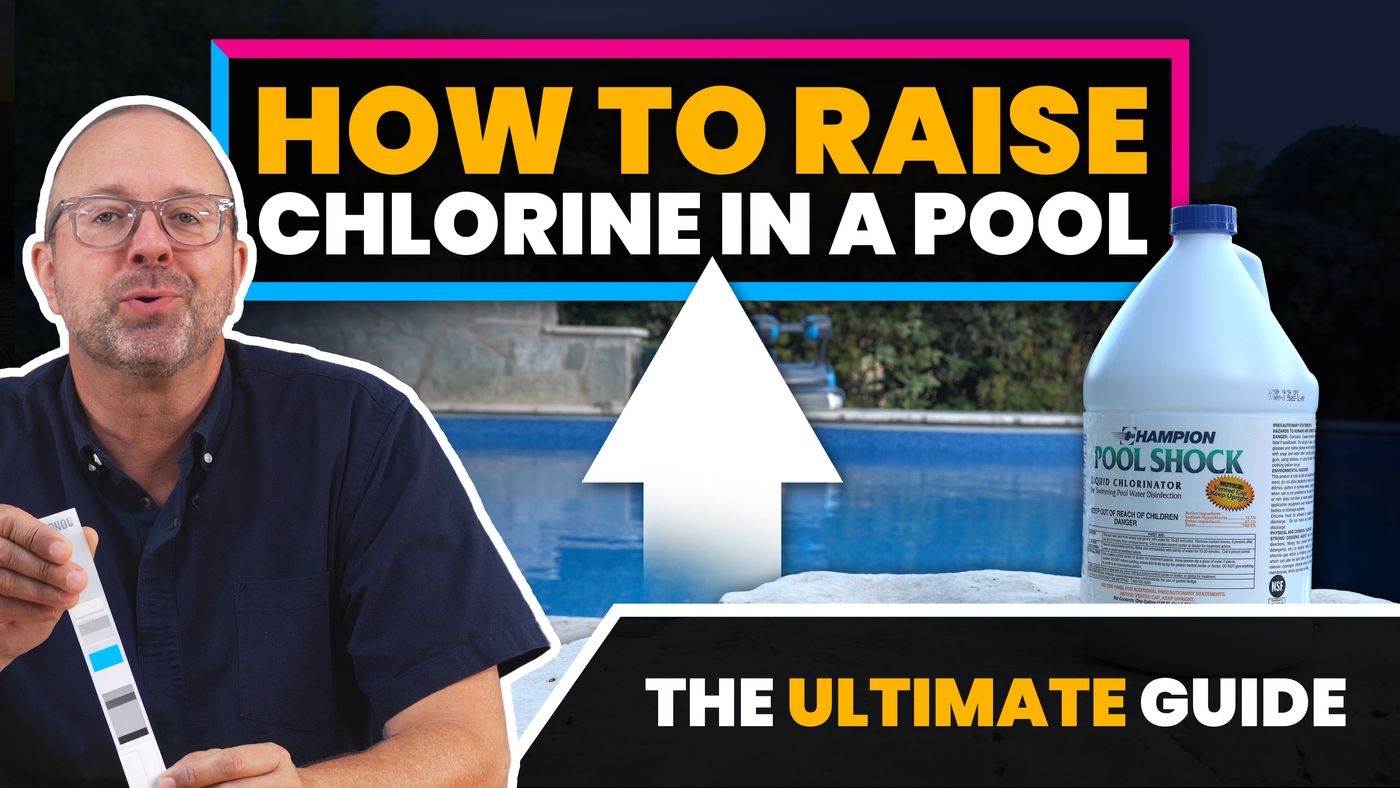
Credit: www.thepoolnerd.com
What Is Calcium Hypochlorite?
Calcium hypochlorite is a chemical commonly used to sanitize swimming pools. It is a white powder or tablet that releases chlorine when it dissolves in water. This chemical helps keep pool water clean and safe from bacteria and algae.
Understanding calcium hypochlorite is important for pool maintenance. It affects water chemistry, including chlorine levels and other chemicals like cyanuric acid (CYA).
Chemical Properties
Calcium hypochlorite is a strong oxidizer. Its chemical formula is Ca(OCl)₂. It has a high chlorine content, usually around 65-70%. It dissolves quickly in water and releases hypochlorous acid, which kills germs.
This chemical is stable when dry but reacts with water and organic materials. It can cause irritation if handled without care. Store it in a cool, dry place away from sunlight and moisture.
Common Uses In Pools
Calcium hypochlorite is mainly used to disinfect pool water. It raises the free chlorine level quickly and helps remove harmful bacteria. It also controls algae growth and keeps water clear.
This chemical is popular for shock treatments. Pool owners use it to quickly raise chlorine after heavy use or rain. It helps restore water balance and safety fast.
Besides disinfection, calcium hypochlorite adds calcium to the pool water. This can affect hardness and overall water quality. Knowing how it works helps maintain proper pool chemistry.
What Is Cyanuric Acid (cya)?
Cyanuric acid, often called CYA, is a chemical used in swimming pools. It protects chlorine from sunlight. Without CYA, chlorine breaks down quickly under UV rays. This makes it hard to keep pool water clean. Understanding CYA helps maintain safe and clear pool water.
Role In Pool Water
Cyanuric acid acts as a stabilizer for chlorine. It slows down chlorine loss caused by sunlight. This keeps chlorine active longer. CYA does not kill bacteria or germs itself. It just helps chlorine work better over time.
Effects On Chlorine
Cyanuric acid changes how chlorine works in the pool. High CYA levels reduce chlorine’s ability to disinfect. Low levels cause chlorine to disappear too fast. Balancing CYA is key for effective chlorine performance. Too much or too little CYA can cause problems.
Does Calcium Hypochlorite Affect Cya Levels?
Calcium hypochlorite is a popular chemical used to disinfect swimming pools. Many pool owners wonder if it affects cyanuric acid (CYA) levels. Understanding this can help maintain balanced pool water and ensure safe swimming conditions.
Chemical Composition Comparison
Calcium hypochlorite contains chlorine and calcium but no cyanuric acid. Its chemical formula is Ca(ClO)2. Cyanuric acid, often called a stabilizer, is a different chemical. It protects chlorine from sunlight, slowing chlorine loss. Because calcium hypochlorite lacks cyanuric acid, it does not directly add to CYA levels.
Impact On Cyanuric Acid
Using calcium hypochlorite alone does not increase cyanuric acid. Pool owners add cyanuric acid separately if needed. Some chlorine products contain stabilizers, but calcium hypochlorite is not one of them. Over time, CYA can build up if stabilizer products are used often. Checking CYA levels helps keep pool water balanced and safe.

Credit: www.testyourownpool.com
Chlorine Types And Their Effect On Cya
Chlorine plays a key role in keeping pool water clean. Different types of chlorine affect cyanuric acid (CYA) levels in various ways. CYA helps protect chlorine from breaking down too fast in sunlight. Understanding how chlorine types impact CYA helps you manage your pool better.
Calcium Hypochlorite Vs. Stabilized Chlorine
Calcium hypochlorite is an unstabilized form of chlorine. It does not add any cyanuric acid to the pool water. Using calcium hypochlorite will not raise CYA levels. It works quickly to kill bacteria without affecting CYA.
Stabilized chlorine, like trichlor, contains cyanuric acid. When added to the pool, it raises the CYA level. This helps protect chlorine from sunlight but can build up CYA over time. High CYA can reduce chlorine’s effectiveness.
When To Expect Cya Changes
CYA levels increase only when stabilized chlorine is used. Calcium hypochlorite does not cause CYA to rise. If you use stabilized chlorine regularly, expect CYA to go up slowly. Testing CYA every few weeks helps track these changes.
Adding calcium hypochlorite boosts chlorine but leaves CYA unchanged. Watching CYA levels prevents problems with chlorine efficiency. Adjust your pool care routine based on these results.
Managing Pool Water Chemistry
Keeping pool water balanced is key to a safe swim. The right chemistry stops algae and bacteria from growing. It also protects pool surfaces and equipment from damage.
Calcium hypochlorite is a common sanitizer used in pools. Understanding its impact on cyanuric acid (CYA) helps keep the water healthy. CYA stabilizes chlorine but too much can lower chlorine’s effectiveness.
Testing Cya Levels
Regularly test your pool’s CYA levels. Use a reliable test kit designed for cyanuric acid. Ideal CYA levels range from 30 to 50 ppm for outdoor pools. Higher levels can reduce chlorine’s ability to kill germs.
Test at least once a month. After heavy rain or refilling the pool, test more often. Record your results to track changes over time.
Adjusting Chlorine Usage
Calcium hypochlorite does not add CYA to water. It raises chlorine levels quickly. Use it carefully to avoid high chlorine spikes.
If CYA is high, reduce chlorine use. Keep free chlorine at 7% of the CYA level for best results. For example, if CYA is 50 ppm, maintain chlorine around 3.5 ppm.
Lower chlorine doses help maintain water balance and prevent skin irritation.
Preventing Cya Buildup
Avoid using stabilizers that contain cyanuric acid when not needed. Some pool products add CYA, increasing levels over time.
Drain and refill your pool water periodically. This helps lower CYA if it gets too high. Keep an eye on CYA levels to prevent buildup.
Proper pool maintenance, including cleaning and monitoring, keeps water clear and safe.

Credit: www.reddit.com
Common Myths About Calcium Hypochlorite And Cya
Calcium hypochlorite and cyanuric acid (CYA) often come up in pool care talks. Many believe calcium hypochlorite raises CYA levels. This idea causes confusion among pool owners. Knowing the truth helps keep pools safe and clean. Clearing myths improves pool maintenance and water quality.
Separating Facts From Fiction
Calcium hypochlorite is a popular pool sanitizer. It kills bacteria and keeps water clear. Some say it adds to CYA levels. This is not true. Calcium hypochlorite contains no cyanuric acid. CYA comes only from stabilizers like cyanuric acid tablets or liquid.
Using calcium hypochlorite will not increase your pool’s CYA. It only adds calcium and chlorine. CYA levels rise only if you add stabilizer products. Knowing this stops unnecessary worry about calcium hypochlorite.
Expert Opinions
Pool experts confirm calcium hypochlorite does not affect CYA. They say CYA comes from stabilizers, not chlorine sources. Trusted pool professionals recommend testing CYA regularly. Adding calcium hypochlorite does not change CYA readings.
Experts advise using calcium hypochlorite for quick chlorine boost. For CYA control, use proper stabilizer products. This keeps pool water balanced and safe. Clear facts help pool owners make better choices.
Frequently Asked Questions
Does Calcium Hypochlorite Increase Cyanuric Acid Levels?
Calcium hypochlorite itself does not raise cyanuric acid (CYA) levels. CYA comes mainly from stabilizers in certain chlorine products, not from calcium hypochlorite.
What Is The Role Of Cyanuric Acid In Pools?
Cyanuric acid protects chlorine from sunlight, helping it last longer in pool water. It stabilizes chlorine but too much can reduce chlorine’s effectiveness.
Can Calcium Hypochlorite Affect Pool Water Balance?
Yes, calcium hypochlorite can raise calcium hardness and pH levels. It does not affect cyanuric acid but influences other water chemistry factors.
How To Control Cyanuric Acid Levels In Pools?
Avoid using stabilized chlorine products that contain cyanuric acid. Regular water replacement or dilution also helps keep CYA levels low.
Is Cyanuric Acid Safe For Swimming Pools?
Yes, cyanuric acid is safe in proper amounts. Ideal CYA levels are between 30 and 50 ppm to protect chlorine without reducing its power.
What Happens If Cyanuric Acid Levels Get Too High?
High cyanuric acid levels reduce chlorine’s ability to kill bacteria effectively. This can lead to cloudy water and algae growth.
Does Calcium Hypochlorite Contain Cyanuric Acid?
No, calcium hypochlorite does not contain cyanuric acid. It is an unstabilized chlorine source used to sanitize pools without adding CYA.
Conclusion
Calcium hypochlorite can raise cyanuric acid (CYA) levels in pools. This happens because it often contains stabilizers that add CYA. High CYA can reduce chlorine’s effectiveness. Test your pool water regularly to keep levels balanced. Managing CYA helps maintain clean and safe water.
Choose products carefully to avoid unwanted chemical buildup. Simple steps keep your pool healthy and clear all season.