
When it comes to keeping your home clean and healthy, you might wonder: should you invest in an air purifier or a vacuum cleaner? Both promise cleaner spaces, but they work in very different ways.
If you want to breathe fresher air and reduce allergens, or if you’re battling dust and dirt on your floors, knowing which device suits your needs can save you time, money, and frustration. You’ll discover the key differences between an air purifier and a vacuum cleaner, so you can make the best choice for your home and your health.
Keep reading to find out which one is right for you!

Credit: www.ebay.com
How Air Purifiers Work
Air purifiers clean the air by removing harmful particles and pollutants. They draw in air from the room and pass it through filters. These filters trap dust, pollen, smoke, and other tiny particles. The cleaned air then flows back into the room. This process helps improve air quality and makes breathing easier.
Types Of Air Purifiers
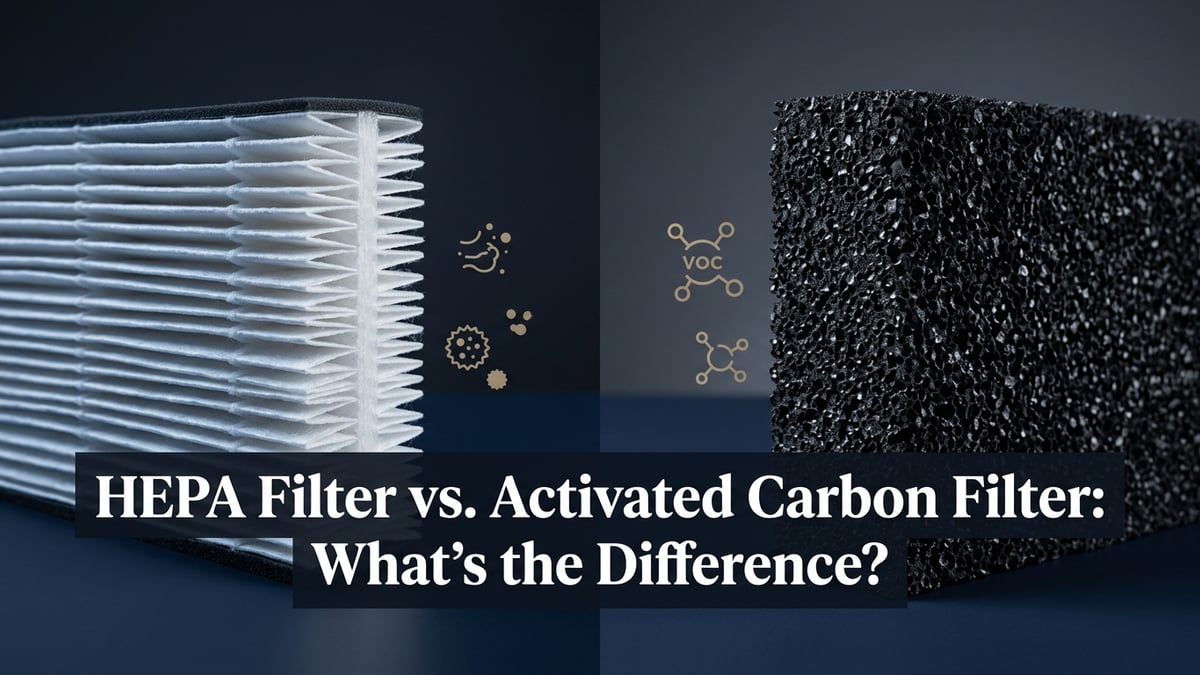
Several types of air purifiers exist to fit different needs. HEPA purifiers use high-efficiency filters for tiny particles. Activated carbon purifiers remove odors and gases. Ionizers release charged ions that attach to particles, making them fall out of the air. Some devices combine these methods for better cleaning.
Filtration Technologies
HEPA filters capture 99.97% of particles as small as 0.3 microns. Activated carbon filters absorb chemicals and bad smells. UV light purifiers kill bacteria and viruses by breaking their DNA. Electrostatic filters use static electricity to attract dust and smoke particles. Each technology targets specific pollutants.
Benefits For Indoor Air Quality
Air purifiers reduce allergens like dust and pollen, easing allergy symptoms. They remove smoke and pet dander, creating a cleaner home environment. Purifiers can lower the risk of airborne illnesses by capturing germs. Improved air quality supports better sleep and overall health. Cleaner air means fewer irritants for sensitive individuals.
Credit: peakprimalwellness.com
How Vacuum Cleaners Work
Vacuum cleaners are common tools in homes and workplaces. They use suction to remove dirt and dust from floors and other surfaces. Understanding how they work helps you choose the right vacuum for your needs. They clean by pulling air and debris into a collection bag or container.
The process involves different parts working together. A motor creates suction, pulling dust and dirt inside. Filters trap tiny particles, keeping the air clean. The type of vacuum affects how well it cleans different surfaces.
Types Of Vacuum Cleaners
There are several types of vacuum cleaners. Upright vacuums are common and easy to use on carpets. Canister vacuums have a separate motor and collection unit, making them flexible for stairs and furniture. Handheld vacuums are small and good for quick cleanups. Robot vacuums work automatically and can clean without help.
Suction And Filtration Systems
The motor in a vacuum creates suction by pulling air inside. This air carries dirt and dust into the vacuum. Filters inside trap small particles to stop them from escaping. HEPA filters catch very fine dust and allergens. This improves air quality while cleaning.
Benefits For Surface Cleaning
Vacuum cleaners remove dirt from floors, carpets, and upholstery. They reach corners and tight spaces easily. Using a vacuum is faster than sweeping or dusting. It also helps reduce allergens and dust mites in the home. Regular vacuuming keeps surfaces cleaner and healthier.
Air Purifier Strengths
Air purifiers offer clear benefits for improving indoor air quality. They work quietly to clean the air in your home. Many people notice fresher air and fewer allergy symptoms. The strengths of air purifiers lie in their ability to target tiny airborne particles. These devices help create a healthier living space for you and your family.
Removing Airborne Allergens
Air purifiers capture pollen, pet dander, and mold spores. These tiny particles often cause allergic reactions. The purifier’s filter traps these allergens before they spread. This reduces sneezing, itchy eyes, and other allergy symptoms. Cleaner air helps allergy sufferers breathe easier indoors.
Reducing Dust And Odors
Air purifiers lower dust levels in the air. Dust is a common problem in most homes. The purifier collects dust particles, stopping them from settling on furniture. It also helps remove odors from cooking, pets, or smoke. The air feels fresher and more pleasant to breathe.
Improving Respiratory Health
Breathing cleaner air supports lung health and overall wellness. Air purifiers reduce harmful particles like dust and smoke. This lowers the risk of breathing problems and irritation. People with asthma or other respiratory issues may find relief. Clear air promotes easier and healthier breathing daily.
Vacuum Cleaner Strengths
Vacuum cleaners offer powerful cleaning abilities for homes. They remove visible dirt and keep floors tidy. Their design targets solid messes that settle on surfaces. This makes them essential for daily cleaning tasks. Understanding their strengths helps in choosing the right cleaning tool.
Eliminating Dirt And Debris
Vacuum cleaners pick up dust, dirt, and small debris easily. Their suction power pulls particles from carpets and hard floors. They reach into cracks and corners where dirt hides. This keeps living spaces free of visible messes. Regular vacuuming stops dirt buildup over time.
Pet Hair Removal
Pets shed hair that sticks to furniture and floors. Vacuum cleaners with special brushes grab pet hair fast. They prevent hair from spreading around the house. Removing hair regularly helps reduce allergens and odors. This keeps homes cleaner and healthier for everyone.
Maintaining Carpet And Floor Cleanliness
Vacuuming keeps carpets soft and looking fresh longer. It prevents dirt from grinding into carpet fibers. Hard floors stay free of dust and crumbs. Using a vacuum regularly helps maintain overall floor condition. Clean floors improve the look and feel of any room.
Limitations Of Air Purifiers
Air purifiers help clean the air but they have limits. They do not replace other cleaning tools like vacuum cleaners. Knowing these limits helps choose the right device for your home.
Ineffectiveness On Surfaces
Air purifiers only clean the air. Dust and dirt on floors or furniture stay unless cleaned by other means. They cannot pick up pet hair or crumbs. Vacuum cleaners are needed to clean surfaces well.
Maintenance And Filter Replacement
Air purifiers need regular care. Filters must be cleaned or replaced often. Dirty filters reduce air quality and device performance. This adds extra cost and effort over time.
Energy Consumption
Air purifiers use electricity constantly. Running them all day can raise energy bills. Choosing energy-efficient models helps reduce power use. Still, they add to household electricity consumption.
Limitations Of Vacuum Cleaners
Vacuum cleaners are common tools for cleaning floors and carpets. They help remove dust and dirt but have some limits. Understanding these limits helps choose the right cleaning device for your home.
Limited Air Filtration
Vacuum cleaners mainly clean surfaces, not the air. Their filters catch some dust but miss tiny particles. These small particles stay in the air and can cause problems. Air purifiers do better at cleaning the air inside rooms.
Noise And Portability Issues
Vacuum cleaners can be loud and disturb the peace. Noise levels can be a problem in homes with children or pets. Some models are heavy and hard to carry around. This makes quick cleaning less convenient.
Potential Allergens Disturbance
Vacuuming stirs up dust and allergens into the air. This can cause sneezing or coughing for sensitive people. Without strong filters, vacuum cleaners might spread allergens instead of removing them. Air purifiers help reduce airborne allergens more effectively.
Choosing Based On Home Needs
Choosing the right appliance depends on your home’s specific needs. Both air purifiers and vacuum cleaners help improve indoor air quality. Yet, they serve different purposes. Understanding your household’s challenges guides your choice. Think about health issues, pets, and the space you live in.
Each factor affects which device will work best. A clear view of your needs makes shopping easier. Let’s explore key points to consider before buying.
Allergy And Asthma Considerations
Air purifiers remove tiny particles from the air. This helps reduce allergens like pollen, dust, and pet dander. They create cleaner air for those with asthma or allergies.
Vacuum cleaners clean floors and carpets. They remove dust and dirt trapped in fibers. Using a vacuum with a HEPA filter helps trap allergens inside the machine.
For severe allergy sufferers, an air purifier works best. It continuously cleans the air you breathe. A vacuum supports by reducing dust on surfaces.
Pet Owners’ Requirements
Pets bring joy but also shed fur and dander. Vacuums with strong suction remove hair from carpets and furniture. Some models are designed specifically for pet owners.
Air purifiers help by removing pet dander from the air. This can ease breathing for sensitive family members. They also help reduce pet odors.
Combining both devices is ideal for homes with pets. Vacuums clean surfaces while purifiers clear the air.
Size And Layout Of Living Space
Large or open spaces need different solutions than small rooms. Air purifiers have coverage limits based on size. Choose one that fits your room dimensions.
Vacuums must be practical for your floor type and layout. Cordless models offer freedom in bigger areas. Upright vacuums work well on carpets.
Consider storage space too. Bulky devices may be hard to keep in small homes.

Credit: www.amazon.com
Combining Both For Optimal Cleanliness
Combining an air purifier and a vacuum cleaner creates a cleaner home. Each tool targets different types of dirt and pollutants. Air purifiers clean the air, removing dust, pollen, and allergens. Vacuum cleaners remove dirt and debris from floors and surfaces. Together, they improve both air and surface cleanliness.
This combination is especially helpful for people with allergies or asthma. It reduces airborne particles and keeps floors free of dust and pet hair. Using both devices regularly leads to a fresher, healthier living space.
Daily Cleaning Routine
Start your day by vacuuming high-traffic areas. This removes dust, dirt, and pet hair from floors and carpets. Use a vacuum with a HEPA filter for better dust capture. After vacuuming, run your air purifier for several hours. It clears dust and allergens stirred up during cleaning. Keep both devices running regularly for best results.
Improving Indoor Air And Surface Quality
Vacuuming reduces dust on floors and furniture surfaces. This prevents dust from becoming airborne. The air purifier catches remaining particles in the air. It also reduces odors and harmful chemicals. Together, they keep your home’s air fresh and surfaces clean. This creates a healthier environment for your family.
Smart Usage Tips
Use the vacuum cleaner with the right attachments for each surface. Vacuum carpets, rugs, and upholstery thoroughly. Change vacuum bags or empty bins often to maintain suction power. Place the air purifier in a central room for better air flow. Run the purifier at night to improve sleep quality. Clean the purifier’s filters regularly to keep it efficient.
Frequently Asked Questions
What Is The Main Difference Between An Air Purifier And Vacuum Cleaner?
An air purifier cleans the air by removing dust, pollen, and smoke. A vacuum cleaner cleans floors and surfaces by sucking up dirt and debris.
Can Air Purifiers Replace Vacuum Cleaners For Cleaning?
No, air purifiers only clean the air. Vacuum cleaners remove dirt and dust from floors and furniture.
How Do Vacuum Cleaners Help Improve Indoor Air Quality?
Vacuum cleaners pick up dust and allergens from surfaces. This reduces particles that could become airborne and affect air quality.
Do Air Purifiers Remove Pet Hair Like Vacuum Cleaners?
Air purifiers do not remove pet hair from floors or furniture. Vacuum cleaners are needed to pick up pet hair physically.
Which Device Is Better For Allergy Sufferers: Air Purifier Or Vacuum?
Air purifiers capture airborne allergens like pollen and dust mites. Vacuum cleaners remove allergens settled on floors and carpets. Both help in different ways.
How Often Should I Use An Air Purifier Compared To A Vacuum Cleaner?
Air purifiers can run continuously to keep air clean. Vacuum cleaners are used as needed to clean floors and surfaces.
Can Vacuum Cleaners Cause Dust To Become Airborne?
Some vacuum cleaners release dust if they lack good filters. Using a vacuum with a HEPA filter helps trap dust and allergens safely.
Conclusion
Choosing between an air purifier and a vacuum cleaner depends on your needs. Air purifiers clean the air by removing dust and allergens. Vacuum cleaners remove dirt and debris from floors and surfaces. Both help keep your home clean and healthy.
Think about what matters most—air quality or surface cleanliness. Using both can give you the best results. Clean air and clean floors create a more comfortable space. Simple steps make a big difference in your home’s health.