
Are you wondering if you can use liquid chlorine in your hot tub? Keeping your hot tub clean and safe is important, but choosing the right sanitizer can be confusing.
You might have heard about liquid chlorine and asked yourself if it’s a good option. The answer isn’t as simple as yes or no. You’ll learn everything you need to know about using liquid chlorine in your hot tub. By the end, you’ll feel confident about making the best choice for your relaxing soak.
Keep reading to discover the pros, cons, and expert tips that will save you time and money.
Liquid Chlorine Basics
Understanding the basics of liquid chlorine helps you decide if it suits your hot tub. This knowledge keeps your water clean and safe. It also helps you maintain your hot tub without extra cost or effort.
Liquid chlorine is a popular sanitizer in pools and hot tubs. It kills germs and keeps water clear. Knowing how it works helps you use it correctly and avoid problems.
What Is Liquid Chlorine?
Liquid chlorine is a strong, clear chemical. It is mostly water mixed with sodium hypochlorite. This chemical kills bacteria and viruses in water.
It comes in large containers and is easy to add to water. Many people use it for pools. Some also use it for hot tubs.
How It Works In Water
When you add liquid chlorine to water, it breaks down into hypochlorous acid. This acid kills harmful germs. It stops algae and bacteria from growing.
The chlorine works fast to clean the water. It also helps keep the water clear and fresh. You must test your water often to keep the right chlorine level.
Chlorine And Hot Tubs
Chlorine is a common sanitizer used in hot tubs. It keeps water clean and safe by killing germs and bacteria. Proper chlorine use prevents skin irritation and water problems. Hot tub owners often ask if liquid chlorine is a good choice. Understanding chlorine types helps make the right decision for your tub.
Suitability Of Liquid Chlorine
Liquid chlorine is a strong sanitizer. It dissolves quickly in water. This feature helps keep hot tub water clear. It works fast to kill bacteria and algae. Liquid chlorine is easy to measure and add. It usually costs less than other forms. It does not add extra chemicals or stabilizers.
Liquid chlorine works well if you check water levels often. It may lower pH levels, so testing is important. Adding small amounts regularly keeps the water balanced. Avoid pouring liquid chlorine directly on hot tub surfaces. Always dilute it in water first.
Comparing Chlorine Types
Chlorine comes in liquid, granules, and tablets. Tablets last longer and dissolve slowly. They contain stabilizers that protect chlorine from sunlight. Granules work fast but need careful measuring. Liquid chlorine acts quickly but may need frequent dosing. Tablets and granules can raise pH more than liquid.
Choosing chlorine depends on tub size and use frequency. Tablets suit those who want less frequent dosing. Liquid chlorine suits daily users who can test water often. Each type has pros and cons. Understanding them helps keep hot tub water safe.
Applying Liquid Chlorine Safely
Applying liquid chlorine in your hot tub needs care. Using it safely keeps your water clean and safe. Follow simple rules to avoid problems and keep your hot tub ready to enjoy.
Understanding the right way to add chlorine protects both you and your hot tub equipment. Let’s explore how to use liquid chlorine safely.
Proper Dosage Guidelines
Use the correct amount of liquid chlorine for your hot tub size. Too little will not clean the water properly. Too much can harm the tub and your skin. Check the product label for dosage instructions. Measure carefully with a clean container. Adjust the dose based on water volume and current chlorine level. This keeps water balanced and safe.
When To Add Chlorine
Add liquid chlorine after you clean your hot tub. This helps kill germs and bacteria. Avoid adding chlorine while people are in the tub. Wait until the water temperature cools slightly. Early morning or late evening is best to add chlorine. This prevents strong sunlight from breaking down the chlorine quickly.
Avoiding Overchlorination
Check chlorine levels before adding more. Use a test strip or a water test kit. Keep chlorine levels between 3 and 5 ppm. Levels above 5 ppm can irritate skin and eyes. Too much chlorine can damage hot tub parts. Always wait a few hours after adding chlorine before using the tub. This ensures the chemicals are safe and balanced.
Potential Risks And Challenges
Using liquid chlorine in your hot tub comes with certain risks and challenges. Knowing these can help protect your tub and your health. Liquid chlorine can affect parts of your hot tub. It can cause irritation to your skin and eyes. Proper handling and storage are important to avoid accidents.
Effect On Hot Tub Components
Liquid chlorine is strong and can damage some hot tub parts. It may wear down the pump and heater over time. The plastic and rubber parts can become brittle and crack. This damage reduces the life of your hot tub. Regular use might lead to costly repairs or replacements.
Skin And Eye Irritation
Liquid chlorine can irritate your skin and eyes. Direct contact may cause redness or itching. Splashing chlorine water can sting your eyes. It is important to rinse well after use. Avoid soaking in water with too much chlorine. This helps keep your skin and eyes safe.
Handling And Storage Tips
Handle liquid chlorine with care to prevent accidents. Always wear gloves and protective goggles. Store it in a cool, dry place away from sunlight. Keep the container tightly closed to avoid spills. Never mix chlorine with other chemicals. Proper storage keeps you and your hot tub safe.
Maintaining Water Balance
Maintaining water balance in your hot tub is key to safe, clear water. Balanced water protects the hot tub parts and keeps the water comfortable for users. Using liquid chlorine affects the water chemistry. You must watch the water balance closely to avoid problems like cloudy water or skin irritation.
Water balance means keeping the pH and alkalinity at the right levels. These two factors work together to keep chlorine effective and prevent damage to the hot tub. Poor balance can cause corrosion or scale buildup. It can also reduce how well chlorine kills germs.
Monitoring Ph And Alkalinity
Check the pH level regularly to keep it between 7.2 and 7.8. This range is safe and keeps chlorine working well. Alkalinity should stay between 80 and 120 parts per million (ppm). Alkalinity acts as a buffer to stop pH from changing too fast. Use test strips or a digital tester for easy checks.
Regular Testing Routines
Test your hot tub water at least twice a week. More often if many people use the tub or after heavy use. Record the results to spot trends or changes. Adjust chemicals slowly to avoid sudden shifts. Consistent testing helps you keep the water safe and balanced.
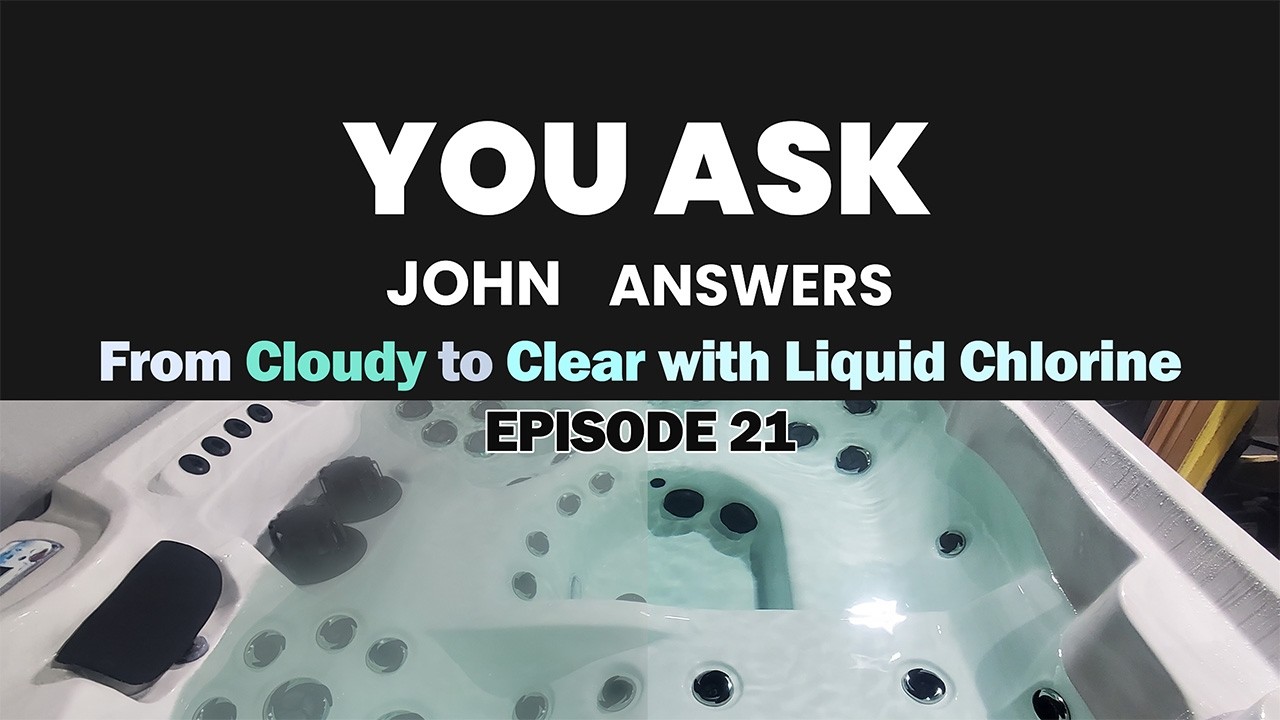
Credit: www.youtube.com
Alternative Sanitizers
Liquid chlorine is a common sanitizer for hot tubs, but it is not the only option. Many hot tub owners choose alternative sanitizers for different benefits. These alternatives can be gentler on the skin or easier to maintain. They also offer different ways to keep water clean and safe.
Bromine Options
Bromine is a popular sanitizer for hot tubs. It works well in warm water and is less harsh on skin and eyes than chlorine. Bromine tablets dissolve slowly, providing steady sanitation. This makes bromine a good choice for regular hot tub use. It also stays effective at higher pH levels.
Saltwater Systems
Saltwater systems create chlorine from salt added to the water. This provides a softer, less chemical feeling than liquid chlorine. Saltwater is easier on skin and swimsuits. The system requires an initial setup but reduces the need to add chemicals often. It keeps hot tub water clear and clean automatically.
Natural Sanitizers
Natural sanitizers use minerals or enzymes to clean hot tub water. These options reduce chemical use and can improve water quality. Mineral sanitizers release silver or copper ions to kill bacteria. Enzyme treatments break down oils and dirt. They work best combined with low levels of chlorine or bromine.
Expert Tips For Hot Tub Care
Taking good care of your hot tub keeps it clean, safe, and ready to use. Regular care also helps avoid costly repairs. Experts suggest simple steps to maintain water quality and equipment health. These tips help you enjoy your hot tub longer with less hassle.
Routine Maintenance Practices
Check water chemistry at least twice a week. Keep pH between 7.2 and 7.8 for comfort and safety. Use chlorine or bromine to kill bacteria. Clean filters every two weeks to remove dirt and oils. Drain and refill the tub every three months to keep water fresh. Remove debris from the surface daily. Cover the hot tub when not in use to keep dirt out.
Troubleshooting Common Issues
Cloudy water often means poor filtration or unbalanced chemicals. Test and adjust chemicals immediately. Foam on the surface can come from lotions or soaps. Drain and refill if foam persists. Strong chlorine smell shows too much sanitizer. Lower dosage and add fresh water. If jets stop working, check pump and filters. Clear blockages or call a professional if needed.

Credit: www.reddit.com
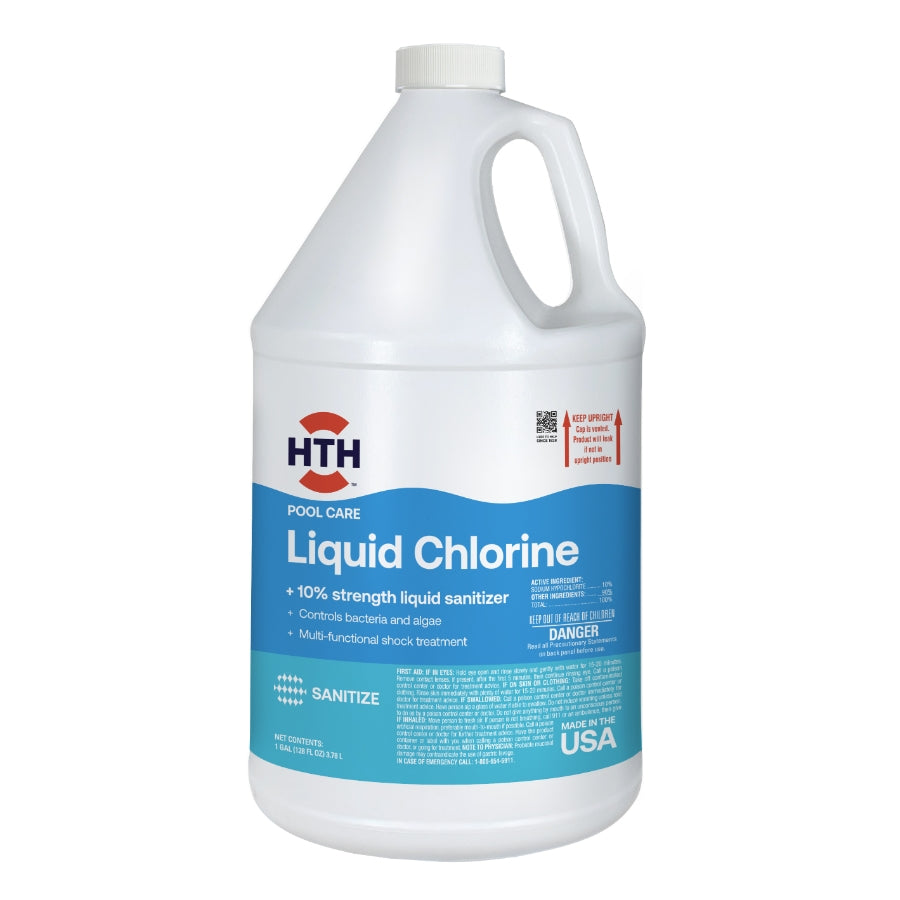
Credit: hthpools.com
Frequently Asked Questions
Can I Use Liquid Chlorine Instead Of Granular In My Hot Tub?
Yes, liquid chlorine can be used, but it must be diluted carefully. It dissolves quickly and helps sanitize your hot tub water.
Is Liquid Chlorine Safe For Hot Tub Surfaces?
Liquid chlorine is generally safe if used in the right amount. Too much can damage the hot tub’s surface or equipment.
How Much Liquid Chlorine Should I Add To My Hot Tub?
Add 1 to 3 ounces of liquid chlorine per 500 gallons of water. Always test water after adding to keep levels safe.
Can Liquid Chlorine Keep My Hot Tub Water Clear?
Yes, liquid chlorine helps kill bacteria and keeps water clear. Regular testing and adjusting chlorine levels are important for clarity.
How Often Should I Add Liquid Chlorine To My Hot Tub?
Add liquid chlorine 1-3 times a week depending on usage. Test water chlorine levels regularly to avoid over or under chlorination.
Does Liquid Chlorine Affect Hot Tub Water Ph Levels?
Liquid chlorine can raise the pH level slightly. Test and adjust pH as needed to keep water balanced and comfortable.
Can I Mix Liquid Chlorine With Other Hot Tub Chemicals?
Avoid mixing liquid chlorine directly with other chemicals. Always add chemicals separately and wait before combining to prevent reactions.
Conclusion
Liquid chlorine can be used in your hot tub, but with care. It must be added in the right amount to keep water safe. Test the water often to keep the balance right. Avoid using it too close to hot tub surfaces.
Always follow the instructions on the product label. This helps protect your hot tub and your skin. Safe water means a better soak every time. Choose the best sanitizer for your needs and enjoy your hot tub worry-free.