
That persistent drip, drip, drip from your toilet – is it just an annoyance, or could it be a sign of something more serious? You might be wondering if a running toilet can actually cause a leak, and the answer is a resounding yes.
Ignoring that phantom flush might seem harmless, but it can lead to water damage that’s costly and difficult to repair. Don’t let a simple toilet issue turn into a major headache. Keep reading to discover exactly how a running toilet can lead to leaks, what signs to look for, and how to fix it before it causes real trouble for your home.
The Silent Drip
A running toilet wastes water. This constant flow can lead to hidden leaks. Your walls might show signs of water damage.
A running toilet is more than just annoying. It wastes water. It also signals a hidden problem. This problem can cause bigger issues. You might not even know it’s happening.What A Running Toilet Sounds Like
You hear it. A constant hiss. Water flowing. It fills the tank. Again and again. This sound is a warning. It means water is escaping. It never stops. Even when not flushed.Beyond The Noise: Hidden Water Loss
The noise is obvious. But what about unseen leaks? A faulty flapper is common. It lets water seep out. The fill valve might also fail. It keeps adding water. This constant flow is wasteful. You pay for this water. It goes down the drain unseen. This hidden loss adds up. It can increase your water bill. It also strains your plumbing.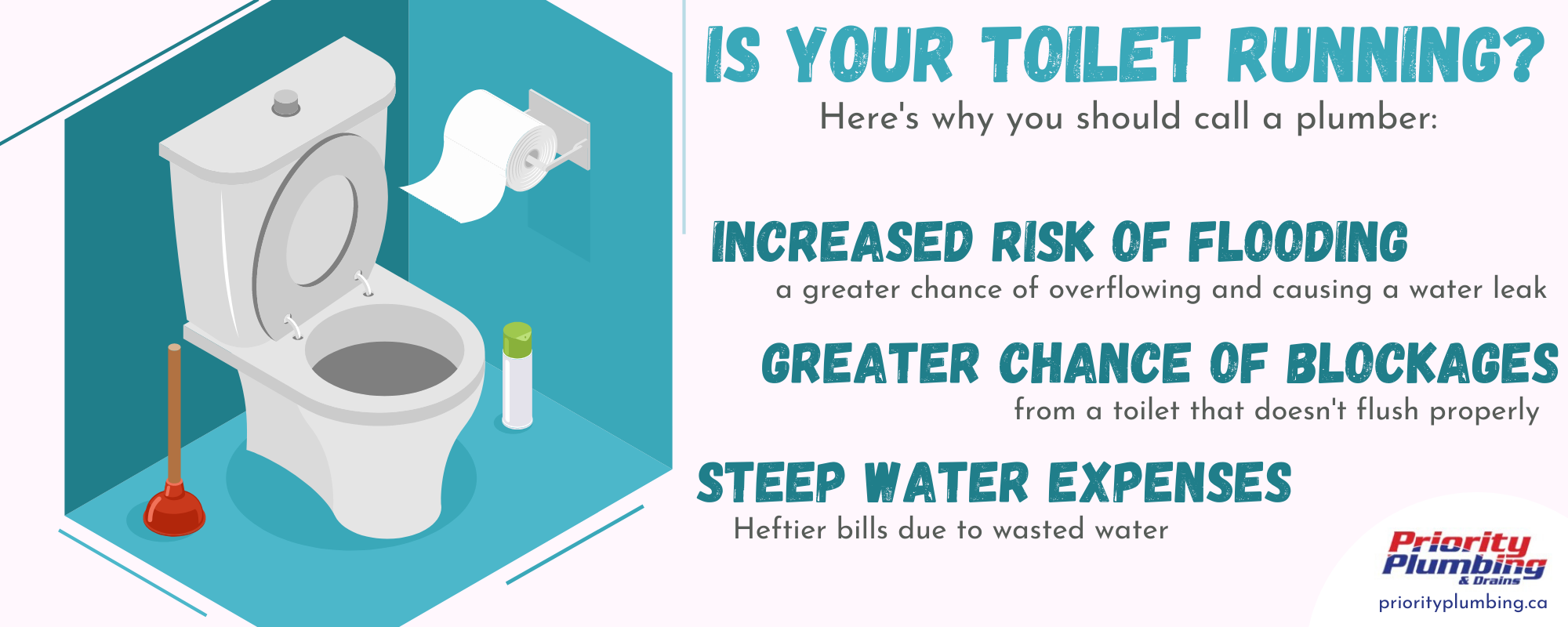
Credit: priorityplumbing.ca
Inside The Tank
The toilet tank holds many secrets. It’s a hidden world of water. Many leaks start right here. Understanding its parts is key. This is where the magic happens. Or where problems begin.
The Flapper’s Job
The flapper seals the tank. It stops water from escaping. It lifts when you flush. Water then flows into the bowl. It’s a simple, vital part.
When The Flapper Fails
A worn flapper can leak. It might not seal tightly. Water then seeps constantly. You hear a faint trickle. This wastes much water. It’s a common leak source.
The Fill Valve’s Role
The fill valve refills the tank. It stops water at the right level. It’s also called a ballcock. It controls water flow. It’s essential for flushing.
High Water Levels: A Symptom
Water too high is a problem. The fill valve might be stuck. Water then overflows the tank. It goes down the overflow tube. This is a clear sign. A leak is likely present.
The Bowl’s Secret
A running toilet can indeed cause leaks. The constant water flow can strain the tank’s seal. This hidden problem might lead to water damage.
The toilet bowl holds many secrets. It might seem simple. But hidden issues can cause leaks. We explore the bowl’s hidden problems. Discover why water escapes.Water’s Path To The Bowl
Water fills the tank. It sits behind the flapper. A flush opens the flapper. Water rushes into the bowl. It swirls down the drain. This is normal. Sometimes water doesn’t stop. It keeps flowing. This is a problem.Cracks In The Porcelain
Porcelain is strong. It can still crack. A hard impact causes cracks. Even a small crack leaks. Water seeps through the crack. It can go unnoticed. The crack might be tiny. It still lets water escape. Check the bowl carefully. Look for any damage.Seal Issues At The Base
The toilet seals to the floor. A wax ring does this. It creates a watertight seal. This seal can fail. Old wax rings degrade. They lose their grip. Water then leaks out. It pools around the toilet base. This is a clear sign. The wax ring needs replacing.Tank To Bowl Connection
Another seal exists. It connects the tank. It connects to the bowl. A rubber gasket seals this. This gasket can wear out. It may become brittle. Water then drips down. It runs between the tank and bowl. This leak is often visible. It runs down the outside.Beyond The Fixture
A running toilet does more than waste water. It can damage your home. This damage spreads far from the toilet itself. Think about the water. It doesn’t stay put. It finds a way. This is where the real problems begin.
Saturated Subflooring
Water seeps down. It reaches the subfloor. The wood gets wet. It stays wet for a long time. Wet wood starts to rot. This weakens your floor. It can become soft. You might feel it give way. Repairing this is costly. It means replacing floorboards. It means dealing with rotten wood.
Mold And Mildew Growth
Moisture creates a perfect home. Mold and mildew love damp places. Your bathroom is now one. You will see dark spots. You will smell a musty odor. This is unhealthy for you. It can cause breathing problems. It can trigger allergies. Getting rid of mold is hard. It requires special cleaning. Sometimes, you must remove drywall.
Damage To Nearby Walls
Water travels sideways too. It can reach your walls. Wallpaper may peel. Paint might bubble up. The drywall itself can weaken. It can become soft and mushy. This is a structural problem. Water can travel up the wall. It can reach the ceiling. You might see water stains. These are signs of serious damage. Fixing walls is expensive. It takes time and effort.
Fixing The Flow
A running toilet wastes water. It can also signal a leak. Fixing a running toilet saves money. It protects your home. Let’s fix that flow.Simple Flapper Replacement
The flapper is key. It seals the tank. A worn flapper causes leaks. You can replace it easily. Buy a new flapper. Turn off the water supply. Drain the tank. Remove the old flapper. Install the new one. Turn water back on. Test the flush.Adjusting The Fill Valve
The fill valve controls water. It refills the tank. A faulty fill valve runs. Adjust the float. It stops the water. Lower the float. The water level drops. This stops the running. Check for leaks again.Checking The Wax Ring
The wax ring seals the bowl. It connects to the floor. A bad wax ring leaks. Water seeps onto the floor. This is a bigger problem. You may need to remove the toilet. Replace the wax ring. This requires some skill.When To Call A Plumber
Some issues are complex. Leaks may persist. You might feel unsure. A plumber has expertise. They can diagnose problems. They fix tough leaks. Save your time and effort. Call a professional plumber. They ensure a proper repair.
Credit: rainforestplumbingandair.com
Preventing Future Floods
Preventing future floods starts with simple steps. You can protect your home. A running toilet is a warning. Address it quickly. This saves water and money. It also stops bigger problems.
Regular Toilet Checks
Check your toilet often. Look for any drips. Listen for unusual sounds. Make sure the tank fills. It should stop filling. This simple check is important. It catches small issues early.
Noticing Early Signs
Watch for a constantly running sound. Is the water level too high? Does the handle feel loose? These are early signs. They signal a problem. Act fast. Do not ignore them. Early action prevents damage.
Water Conservation Tips
Fix leaks promptly. This saves much water. Install a low-flow toilet. Use a dual-flush system. These options reduce waste. They help the environment. They also lower your bills.

Credit: utilities.cityoffortwayne.org
Frequently Asked Questions
Can A Running Toilet Leak Water?
Yes, a running toilet can definitely cause leaks. The constant water flow can stress tank seals. This often leads to water seeping out.
How Does A Running Toilet Leak?
A running toilet wastes water. It can also damage internal parts. Worn-out flappers or fill valves are common culprits.
Where Do Running Toilet Leaks Show Up?
Leaks often appear at the toilet base. You might see water around the tank. Sometimes, leaks occur inside the tank itself.
What Problems Does A Running Toilet Cause?
A running toilet wastes a lot of water. This increases your water bill significantly. It can also lead to water damage.
Can A Running Toilet Damage The Floor?
Yes, continuous leaks can harm your floor. Water can seep under tiles. This may cause rot or mold growth.
How To Stop A Running Toilet Leak?
Check the flapper seal first. Replace it if it’s worn. Adjust the float in the tank. This stops excess water flow.
Is A Running Toilet A Big Issue?
A running toilet is a serious issue. It wastes precious resources. Prompt repair is always best.
Conclusion
A running toilet can indeed cause leaks. Worn flapper seals are common culprits. A faulty fill valve also contributes. These issues waste water. They can damage your floor. Check your toilet regularly. Simple fixes save money. Address running toilets promptly.
Prevent bigger problems.