
When household plungers fail, tools like manual drain snakes, closet augers, professional-grade cable machines, and drain bladders provide the mechanical force needed to clear deep blockages. These devices restore flow by breaking up or retrieving obstructions within the trapway. Choosing the right tool depends on whether you face a simple paper clog or a stubborn object lodged in the S-bend, allowing you to fix the issue without removing the toilet.
Types of toilet augers
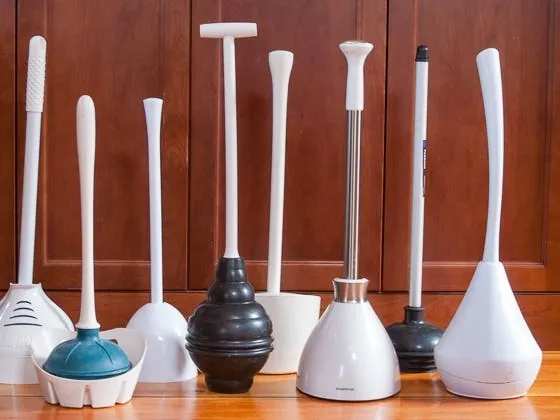
| Tool Type | Primary Use | Example |
|---|---|---|
| Closet Auger | Standard toilet clogs | General-purpose 3-foot auger |
| Manual Snake | Deep pipe obstructions | 15-foot handheld cable |
| Power Auger | Commercial-grade blockages | Drill-attached cable system |
| Drain Bladder | Clearing pipe walls | Water-powered expansion tool |
The closet auger features a protective sleeve to prevent scratching the porcelain finish of your toilet bowl. Never use a standard plumbing snake here, as the exposed metal cable will permanently mar the ceramic surface.
If you face a sink or tub clog, reach for a 15-foot manual snake. This tool works best on soft blockages like hair mats. If the snake encounters a hard stop within five feet, stop immediately. You have likely hit a pipe fitting or joint; forcing the cable further will crack the plastic PVC.
For stubborn, recurring blockages, a power auger is the correct choice. Attach it to a variable-speed drill set to low torque. If you allow too much slack in the cable, it will whip inside the pipe and potentially puncture thin-walled lines. Always keep one hand firmly on the cable housing to maintain control.
Drain bladders are effective for grease buildup, but they require significant water pressure to expand properly. Only use these in pipes that are structurally sound. If you have older, corroded cast-iron pipes, the pressure from an expanding bladder can cause a catastrophic rupture.
When in doubt, check the diameter of your drain opening. A cable larger than the pipe diameter will get stuck, forcing you to cut into the wall to retrieve it. Always match the cable gauge to the pipe width for safe operation.
Closet Auger
A closet auger is a specialized tool designed specifically to navigate the tight, curved trapway of a toilet without scratching the porcelain finish. It features a protective sleeve, often made of plastic or vinyl, that guards the bowl from damage while you rotate the steel cable. This tool suits homeowners who need a reliable way to clear paper or waste blockages that a standard plunger can’t dislodge.
- The protective sleeve prevents chipping or marking the bowl’s glaze during use.
- The rigid steel shaft allows for precise control when twisting the handle.
- The spring-loaded head is small enough to pass through the trapway easily.
- It provides enough manual torque to break apart soft obstructions like excessive toilet paper.
To use this tool, place the head into the drain and turn the handle clockwise until you feel resistance. Continue to rotate the handle while gently pushing the cable forward to engage the blockage. Once the resistance clears, pull the cable back to retrieve any debris. If you’re working with a standard 3-foot model, ensure the head is fully inside the drain before you start turning the handle to avoid scratching the bowl’s surface.
Manual Drain Snake
A manual drain snake consists of a long, flexible steel cable coiled inside a handheld drum, providing significantly more reach than a closet auger. This tool suits users who suspect the blockage has moved past the toilet trap and into the main branch line. Unlike the closet auger, the manual snake isn’t limited by the geometry of the toilet bowl but requires more care to avoid wall damage.
- The long cable length allows for clearing obstructions several feet into the pipe.
- The drum housing keeps the dirty cable contained during storage and transport.
- The flexible tip can navigate multiple bends in the plumbing system.
- It provides consistent pressure to push through dense clogs in the drain pipe.
If you encounter a clog that a closet auger can’t reach, switch to a 15-foot or 25-foot manual snake. Feed the cable into the pipe manually until you hit the obstruction, then tighten the drum screw to lock the cable in place.
Rotate the entire drum to apply torque to the clog. If the cable keeps coiling up outside the pipe, you have pushed too much slack into the line; pull it back until the cable is taut and try again.
Power Auger
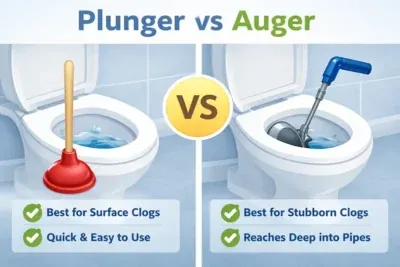
A power auger uses the rotational force of a cordless or corded drill to clear severe blockages that manual effort can’t budge. This tool suits experienced DIYers who have already ruled out simpler methods and need extra mechanical power. You must use this tool with caution, as the high torque can damage older pipes if the cable becomes snagged or twisted against a pipe fitting.
The drill attachment provides controlled, low-speed rotation to break up hard clogs. It reduces physical fatigue during long clearing sessions. The interchangeable heads allow you to select the best shape for the obstruction. It’s effective against heavy debris that resists manual twisting.
Set your drill to the lowest torque setting before you begin. If the drill clutch slips, you have hit a blockage; if the drill stops dead, you have snagged a pipe fitting. Don’t force the trigger past the point of resistance. Forcing the tool while the cable is bound will cause the metal to kink, permanently ruining the auger and potentially puncturing your drain line.
Use this tool only on PVC or ABS plastic pipes installed recently. If your home features cast iron or thin-walled galvanized steel, the aggressive metal head of a power auger can score the interior walls, creating a rough surface that catches future debris. If you see rust flakes, the pipe is compromised and should be inspected by a professional before using any mechanical drain tool.
The length of your cable matters as much as the torque. For sink traps and bathroom drains, a 15-foot cable is sufficient. If you’re clearing a main line, you’ll need a 25-foot or 50-foot unit. Never attempt to feed the entire length of a long cable into a small drain at once. Feed it in three-foot increments, locking the chuck each time to clear the debris before advancing further.
If you aren’t confident in your ability to feel when the cable is stuck versus when it’s cutting, stop and call a professional plumber. A professional service call is inexpensive relative to the cost of repairing a cracked main line behind a finished wall. If you hear a sharp metallic clunk, pull back immediately to avoid forcing the cable through the pipe.
Drain Bladder
A drain bladder is a rubber attachment that connects to a garden hose and expands inside the pipe to create a pressurized seal. This tool suits users who want to use water pressure to force a blockage through the system. It’s effective for soft clogs but should never be used if you suspect a root intrusion or a collapsed pipe, as the pressure can worsen the break.
Before you insert the bladder, check your cleanout access. If your main sewer line is made of older clay tile or thin-walled orangeburg pipe, skip the bladder entirely. These materials often feature hairline cracks that will burst under the sudden surge of water, turning a simple clog into a flooded basement or a collapsed pipe.
Use this tool only when the blockage is caused by organic waste or toilet paper. If your sink or toilet is backing up because of a hard object like a toy or a plastic cap, the bladder will only push that object deeper into the narrowest part of the line. You’ll know you have a hard blockage if the water level in the bowl remains completely stagnant despite your efforts.
To get the best results, feed the bladder at least three feet past the point where you suspect the clog exists. Turn the water on slowly until the rubber sleeve is firm against the pipe walls. If you hear a sudden, sharp thud while the water is running, shut off the supply immediately. That sound indicates the bladder has slipped out of position or the pipe has reached its limit.
The water pressure provides a consistent, non-abrasive force against the clog. It clears the entire diameter of the pipe as it moves down the line. It’s easier to store than long, coiled steel cables. Keep the bladder dry and stored in a cool, dark place to prevent the rubber from cracking during the off-season.
Additional Clearing Options
- Plunger: A standard cup or flange plunger is the first line of defense for light clogs. It uses air displacement to move the obstruction.
- Enzymatic Cleaners: These use biological agents to break down organic buildup over several hours. They’re best for slow-draining pipes rather than complete, sudden blockages.
- Wet-Dry Vacuum: A shop vacuum can suck debris out of the trapway if the water level is low enough to allow a seal.
Choosing the Right Tool
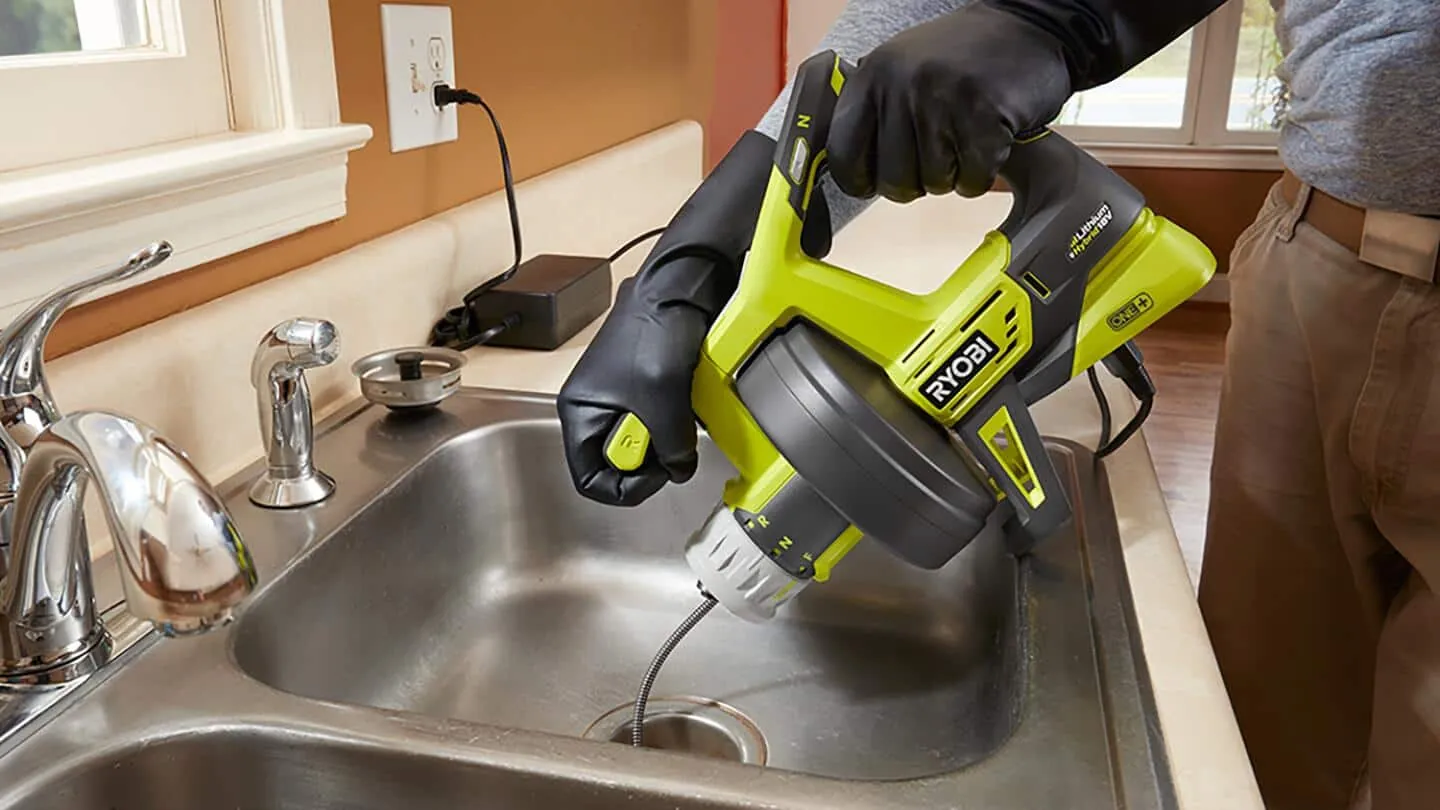
Your choice depends on the depth and nature of the blockage. If the water remains in the bowl and a plunger does nothing, the clog is likely in the S-bend; use a closet auger to clear it safely.
If the water drains very slowly or gurgles in other fixtures when you flush, the blockage is further down the line, requiring a longer manual snake. If you’re dealing with a hard obstruction that feels solid, a power auger is necessary to break it apart.
Match the cable length to the estimated distance of the clog. For a toilet trapway, a three-foot cable is sufficient. If the blockage is in the main stack, you need at least twenty-five feet of reach to clear the obstruction. A cable that’s too short will fail to reach the debris, while one that’s too long becomes difficult to control and may kink inside the pipe.
Use a thin, flexible cable for residential pipes under two inches in diameter. If you force a thick, heavy-duty cable into a narrow pipe, you risk cracking the porcelain or damaging the internal joints. Reserve the thicker, rigid cables for main sewer lines where the pipe diameter exceeds four inches.
If you encounter a clog that resists initial pressure, stop immediately. A common mistake is forcing the cable against a hard obstruction, which often results in the cable looping back on itself and scratching the interior finish of the pipe. If the cable stops moving forward, pull it back two feet and rotate it slowly to find the opening.
Combining tools is sometimes necessary. You might use a closet auger to clear the immediate trapway, followed by a drain bladder to flush out remaining residue. However, never attempt to use chemical cleaners after using a mechanical tool. Chemical cleaners can splash back during use or if the drain is agitated, causing severe chemical burns.
If you feel the cable catch and then suddenly release, don’t pull it out at high speed. Slow down to ensure you’re dragging the debris out rather than letting it slip back into the line.
Frequently asked questions
Can I use a metal hanger instead of an auger?
Avoid using wire hangers, as they lack the necessary torque and can scratch porcelain or become lodged in the trapway. A dedicated closet auger features a protective sleeve and specialized head designed to navigate the S-bend safely. Using makeshift tools often worsens the obstruction and risks damaging your plumbing fixtures.
How long should an auger cable be?
Most household clogs reside within the first 3 feet of the drain, making a 3-foot closet auger the standard choice. If your blockage is deeper, you’ll require a manual snake measuring between 15 and 25 feet. Always measure the distance to the suspected clog before purchasing to ensure your tool reaches the obstruction.
Is it safe to use a power drill with a snake?
Only use a power drill with an auger specifically designed for such attachments, and always maintain a low speed. High-speed rotation can cause the cable to kink or damage pipe walls. If you encounter sudden tension, stop the drill immediately to prevent the cable from binding or causing further harm.
What happens if the auger gets stuck?
If your auger becomes stuck, stop pushing and gently rotate the handle in the opposite direction to loosen the cable. Slowly pull back to see if the head releases from the obstruction. If the cable remains lodged, avoid using extreme force, as this can snap the tool or damage your pipe fittings.
Does it matter if the pipe is plastic or metal?
Manual tools are safer for plastic pipes, which can be easily gouged by aggressive, high-speed power augers. If your home features PVC or thin-walled plastic piping, avoid power tools to prevent structural damage. Always identify your pipe material before starting to ensure you choose the appropriate equipment for your specific plumbing.
How often should I clean the auger?
Clean and dry your auger after every use to prevent rust and bacterial buildup. Wipe the cable with a disinfectant and apply a light layer of machine oil to maintain flexibility. Storing a dirty or wet cable inside the drum will cause it to seize up and eventually snap during operation.
Conclusion
Start by plunging the toilet to see if the blockage is near the surface. If the water level doesn’t drop after several firm plunges, insert your closet auger and rotate the handle clockwise until you feel the resistance of the clog. If the cable refuses to move forward, stop immediately to avoid damaging the porcelain.