
Pedestal units, submersible pumps, battery backup systems, and combination pumps are the best sump pumps for keeping basement water levels managed. These devices share the goal of moving water away from a home’s foundation to prevent flooding, yet they differ significantly in their installation, noise levels, and ability to handle power outages. The primary factor separating them is whether the motor sits above the water or remains submerged, which changes how much space you need and how easily you can reach the pump for maintenance.
Comparison of sump pump types
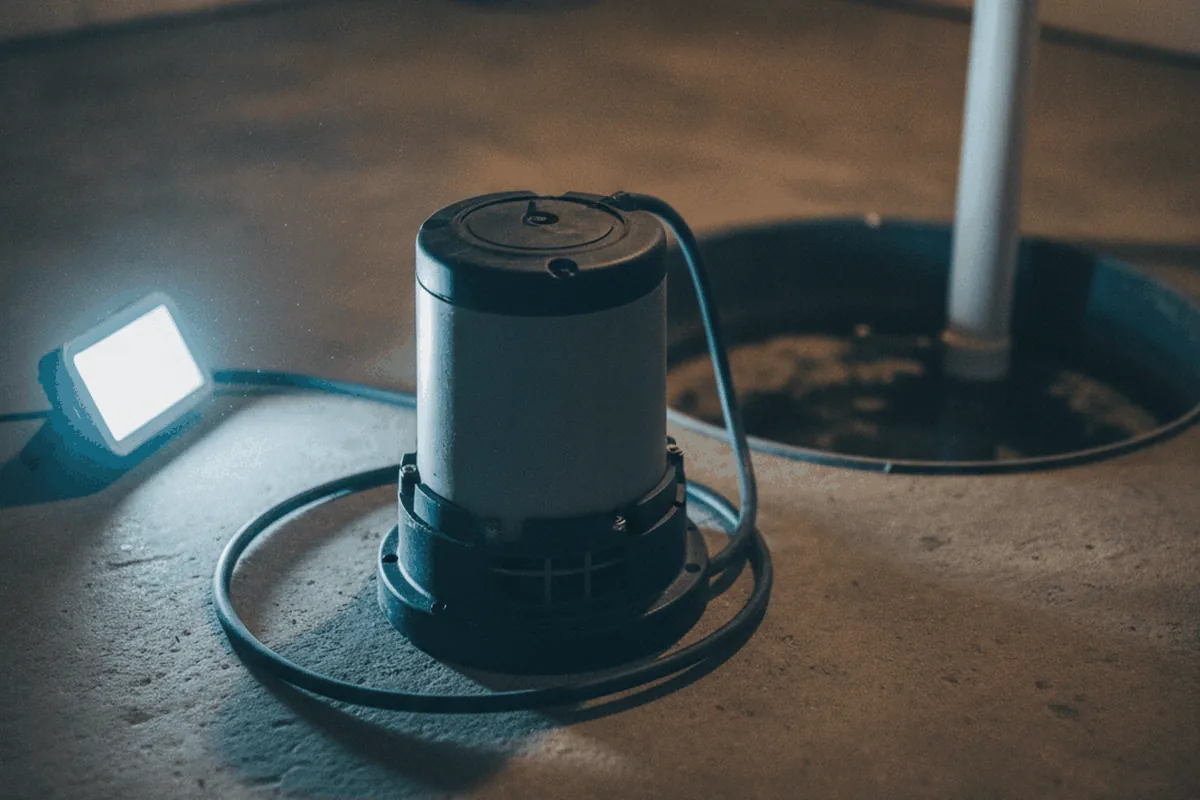
Every home has different drainage needs, so choosing the right hardware depends on your pit depth and how often you experience flooding.
Pedestal pumps feature a motor mounted above the basin on a long shaft. Because the motor stays dry, they’re easier to service and typically have a long operational life. However, they’re noisy and prone to clogging if debris enters the pit. Use these only if your basin is less than 12 inches deep.
Submersible pumps sit directly in the water, sealed in a waterproof housing. These units handle solids better and operate silently, making them ideal for finished basements. They’re more expensive to replace, but their ability to move high volumes of water quickly makes them the standard for flood-prone zones.
Battery backup systems provide a vital safety net during storms when the power grid fails. A common mistake is relying on a single backup battery that provides less than six hours of runtime. If you live in an area with frequent, prolonged outages, invest in a system that supports dual deep-cycle marine batteries to ensure 24 hours of protection.
Combination units pair a primary AC pump with a secondary DC backup in one housing. This is the most reliable setup for homes with a high water table. If your basement has flooded previously, the cost of a combination system is a fraction of the price of water damage restoration.
| Pump Type | Best For | Common Example |
|---|---|---|
| Pedestal | Shallow pits | Column-mounted motor |
| Submersible | Deeper pits | Sealed bottom motor |
| Battery Backup | Power outages | DC-powered secondary |
| Combination | High reliability | Dual-pump system |
Pedestal sump pumps
A pedestal sump pump features a motor mounted on a long shaft above the water line, making it easy to access for repairs. This design suits homeowners with narrow or shallow pits where a bulky submersible unit wouldn’t fit. Because the motor stays dry, it often lasts longer than submerged models, provided the shaft remains free of debris.
- Motor accessibility allows for quick repairs without draining the pit.
- The compact base fits into small openings where other pumps fail.
- The exposed motor runs louder than sealed alternatives during operation.
If your pit is less than 10 inches wide, this model is usually your only choice. For example, a standard 1/3 horsepower pedestal pump can move roughly 2,500 gallons per hour when the water head height is 10 feet. Always check the manufacturer’s manual for the specific flow rate curve, as performance drops significantly as the height of the discharge pipe increases.
Submersible sump pumps
Submersible pumps sit entirely inside the basin, using a sealed housing to protect the motor from water damage. They suit homeowners with larger pits who need a quiet solution that stays out of sight. Because they’re cooled by the surrounding water, these units handle higher volumes without overheating.
Quiet operation makes them ideal for finished basement areas where noise carries through floor joists. The sealed design prevents damage from moisture or accidental spills that might occur during a plumbing leak. Higher flow rates manage heavy rain runoff more effectively than pedestal models, which often struggle with high-velocity inflow.
If your basement frequently floods during storms, a 1/2 horsepower submersible pump is the standard choice to handle the volume. A unit installed in a 24-inch deep basin will typically cycle on when the float switch detects 8 inches of water.
Choose a pump based on your head height, which is the vertical distance from the pump discharge to the point where the water exits the house. If your total head height exceeds 10 feet, a 1/3 horsepower motor will struggle to move water efficiently, leading to premature burnout. In these cases, upgrade to a 1/2 horsepower model to ensure the motor doesn’t labor against the backpressure.
Many homeowners make the mistake of choosing a pump based solely on the basin size, ignoring the discharge pipe diameter. If your home uses a 1-1/4 inch discharge pipe but you install a pump requiring a 1-1/2 inch line, you create significant friction loss. Always match the discharge pipe diameter to the manufacturer’s recommended outlet size.
Check your local building codes to ensure your installation meets the requirements for residential drainage systems. If you live in an area with a high water table, install a check valve on the discharge line to prevent water from flowing back into the basin once the pump shuts off. Without this valve, the pump will cycle repeatedly as the same water returns to the pit, eventually causing the motor to seize from excessive heat.
Battery backup sump pumps
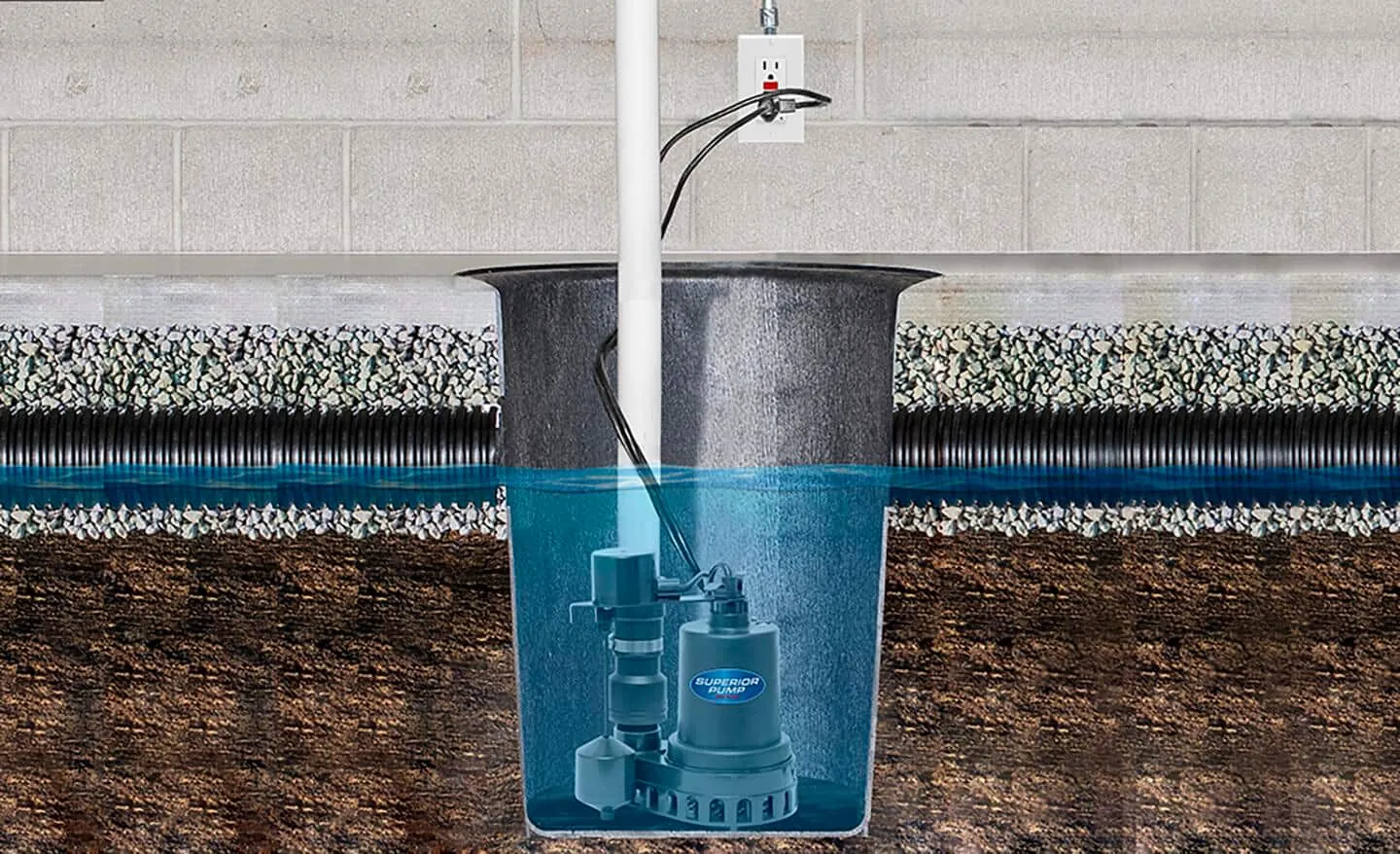
A battery backup sump pump acts as a secondary safety net that engages only when the main power fails or the primary pump stops working. This setup suits homeowners in areas with frequent summer storms or unreliable electrical grids, ensuring the basement stays dry even when the lights go out.
- Operates independently of the home’s main AC electrical supply.
- Activates automatically during power surges or circuit breaker trips.
- Requires regular battery testing to ensure it holds a charge.
If you live in an area prone to power outages, you should install a system with a deep-cycle marine battery capable of running for several hours of continuous pumping. Maintenance requirements depend on usage, so consult your owner’s manual for the correct service procedures.
Combination sump pumps
A combination sump pump system integrates a primary AC pump and a secondary battery-operated pump into one pre-assembled unit. This choice suits homeowners who want maximum protection against both mechanical failure and power loss without needing a complex custom installation. It’s the most reliable way to prevent basement flooding in high-risk zones.
Redundant motors ensure the basement stays dry if one pump fails. Single-basin design saves time during the initial installation process. Integrated alarms notify you immediately if the secondary pump engages.
If you have a basement with expensive electronics or furniture, this system provides the best security against unexpected water damage. A typical setup uses a 1/3 horsepower primary pump for daily use and a high-capacity DC pump for emergencies. If you notice the alarm sounding, it means your primary pump has likely failed and you need to investigate the cause immediately.
Choose a system with a deep-cycle AGM battery rather than a standard lead-acid car battery. A car battery will fail after just a few hours of continuous pumping, whereas an AGM battery often provides twelve to twenty-four hours of runtime during a major storm.
Most homeowners make the mistake of ignoring the secondary pump’s test cycle. Maintenance requirements depend on usage, so consult your owner’s manual to determine how to properly test your specific unit.
Check your basement floor for a secondary hole before buying a pre-assembled unit. If your pit is smaller than 18 inches in diameter, the dual-pump float switches will tangle and trigger a false alarm or fail to activate. In these tight spaces, you must install the pumps in separate basins to ensure the floats operate independently.
If your pit is large enough, the pre-assembled unit is the superior choice because it eliminates the plumbing errors common in DIY dual-pump setups. Always prioritize a system with a built-in check valve to prevent water from cycling back into the basin.
Other types of sump pumps
Water-powered pumps rely on the Venturi effect to create suction. They require a municipal water supply with at least 40 PSI of consistent pressure to function effectively. If your home relies on a private well, these pumps will fail because the pump itself requires electricity to draw water from the well. Always verify your pressure with a gauge before installation, as low pressure results in a pump that runs indefinitely without clearing the basin.
Sewage ejector pumps handle solids up to two inches in diameter. They’re essential for basement bathrooms or laundry rooms located below the grade of the main sewer line. Standard sump pumps feature narrow impellers designed only for clear water. If you attempt to use a sump pump for sewage, the solids will jam the impeller within minutes, causing the motor to overheat and burn out.
Choose a sewage pump based on the total vertical lift required. A pump rated for a 10-foot lift will struggle significantly if the actual distance to your sewer line is 15 feet. Always check the manufacturer’s head-pressure chart before purchasing. If the pump is undersized, it will cycle repeatedly until the motor fails.
Battery backup systems serve as a critical fail-safe for any primary pump. Most professionals recommend a deep-cycle marine battery rather than a standard car battery. A marine battery provides the sustained amperage needed to run a pump for several hours during an outage. If you notice your backup system’s alarm chirping, check the battery terminals for corrosion, which acts as an insulator and prevents the system from drawing the necessary power to start the motor.
Choosing the right system for your home
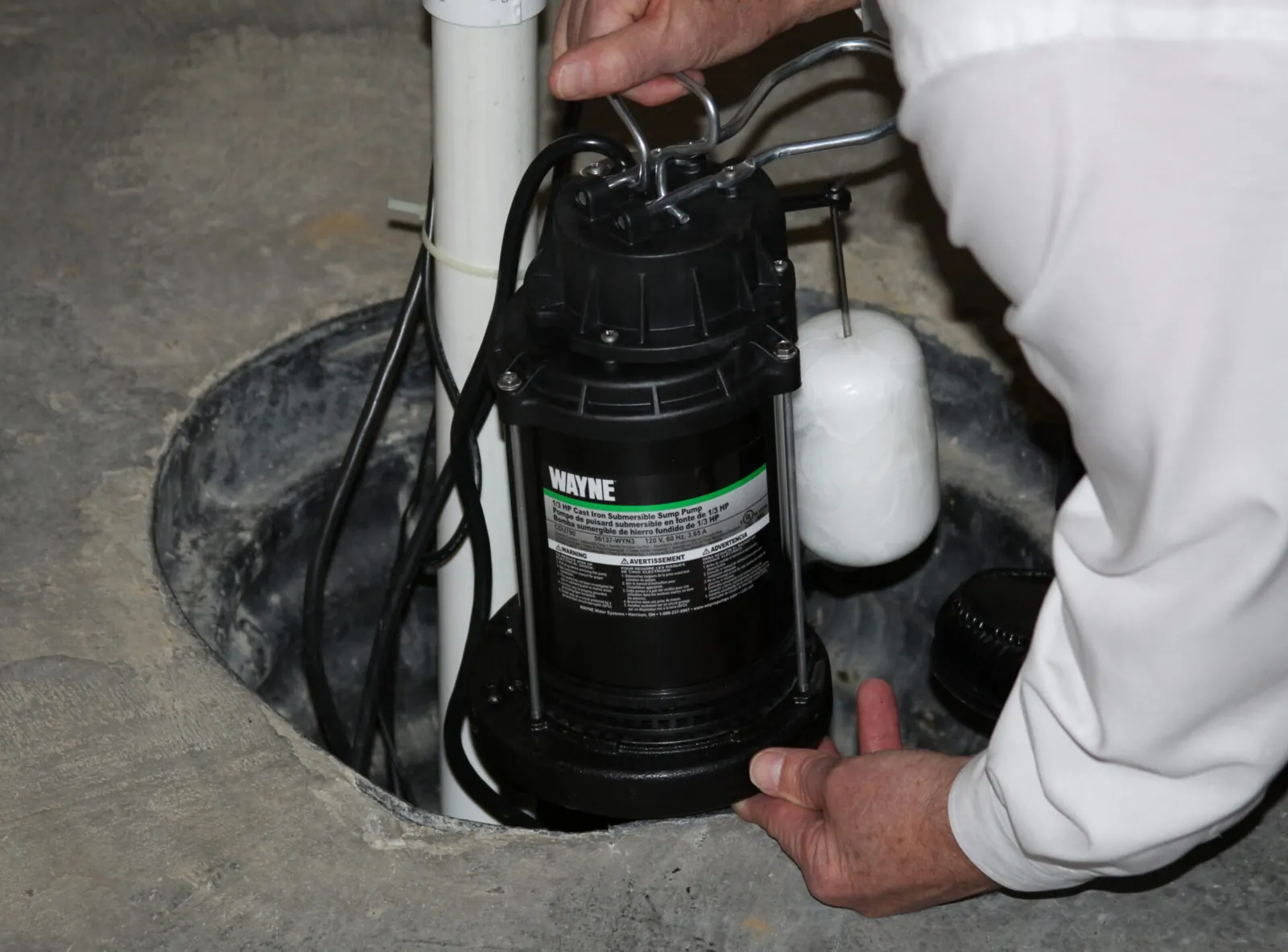
Deciding between these systems depends on your basement’s specific water risk and your current infrastructure. If you have a deep basin and want silent operation, choose a submersible model. These units sit underwater, which muffles the motor noise and keeps the pump naturally cooled.
If your pit is narrow or you’re on a tight budget, a pedestal pump is the correct choice. Because the motor stays above the waterline, pedestal units are easier to service, though they’re significantly louder during operation.
If you live in an area with frequent power outages, you must add a battery backup system to your existing setup. A primary pump is useless when the grid fails during a storm. A secondary DC-powered pump, mounted slightly higher than the primary, acts as your insurance policy. If your water table is high enough that the pump runs more than twice an hour during a dry spell, invest in a dual-pump system with a professional-grade check valve.
These pumps aren’t interchangeable in terms of installation; a submersible unit requires a much larger pit than a pedestal model. Most submersible pumps demand a basin at least 18 inches in diameter to allow the float switch to move without hitting the wall. If the float gets pinned against the side, the pump will never trigger, leading to a flooded basement despite your expensive equipment.
If you pick a pump that’s too powerful for your discharge pipe size, the system will short-cycle and burn out the motor. A 1/2 horsepower pump pushing water through a 1-inch pipe creates excessive backpressure, forcing the motor to work against itself. Match your pump’s GPH rating to your discharge pipe diameter; a 1.5-inch pipe is the industry standard for most residential setups.
Conversely, an undersized pump will struggle to keep up with heavy rain and could lead to flooding. Calculate your needs by observing the water flow during a moderate storm. If the pump runs continuously for more than ten minutes without lowering the water level, you’re underpowered.
Always measure your pit depth and width before heading to the store, as these dimensions dictate which pump will fit. A pit that’s too shallow will cause the pump to cycle on and off every few seconds, which destroys the start capacitor and leads to premature failure.
Related guides
- Is Jandy a Good Pool Pump? The Verdict by Pool Type in 2026
- Best Power Station for Home in 2026
- Best Air Mattress Pumps for Camping in 2026
Frequently asked questions
How long do sump pumps last?
Most sump pumps last for several years when properly maintained. The exact lifespan varies based on how often the pump cycles, which depends on your local water table and rainfall.
Is it safe to install a sump pump myself?
Installing a sump pump is safe for a homeowner with basic plumbing and electrical experience. You must have a dedicated GFCI outlet to prevent electrical shocks in a wet environment.
How much water should a sump pump move?
A standard residential sump pump should move at least 2,000 to 3,000 gallons per hour to handle typical rain runoff. The required flow rate depends on the size of your drainage area and the height the water must travel.
Why is my sump pump making a loud noise?
A loud grinding noise usually indicates that debris has entered the pit and is hitting the impeller. You should unplug the unit and carefully remove any gravel, sand, or silt from the basin.
Does it matter if I use a check valve?
A check valve is essential because it prevents water from flowing back into the basin once the motor stops. Without this valve, the pump will cycle constantly, leading to premature motor failure.
What happens if the power goes out?
If your primary pump relies on AC power, it will stop working during a power outage. Many homeowners choose to install a battery backup or a water-powered secondary pump to prevent flooding.
Conclusion
Start by clearing all debris from your sump pit and checking that your discharge pipe is free of clogs. Once the pit is clean, plug in your pump and pour a bucket of water into the basin to ensure the float switch activates the motor correctly. If the pump fails to turn on or makes a grinding sound, you must stop using it and consult a professional plumber immediately to avoid basement flooding.