
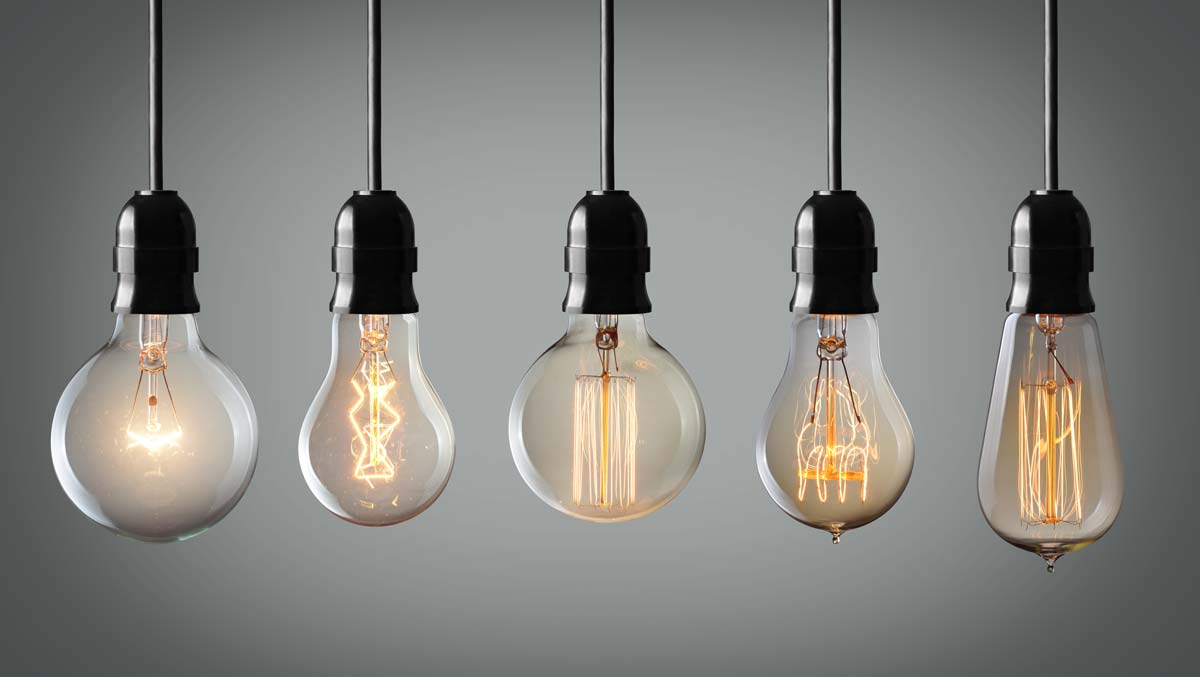
Credit: bates-electric.com
The Jittery Glow
The jittery glow. It’s that unsettling dance of light. Your home’s lights flicker. It’s a common annoyance. But what causes this visual disturbance? Let’s find out.
Loose Light Bulb Connections
A simple fix. Your light bulb might be loose. It needs a secure fit. Turn off the power first. Gently tighten the bulb. Test it again. This often solves the problem.
Aging Or Faulty Light Fixtures
Fixtures get old. Their parts can wear out. Wires might loosen inside. The socket could be damaged. This causes inconsistent power. It leads to flickering lights. An electrician can help here.
Dimmer Switch Issues
Dimmer switches control brightness. They can malfunction. Old dimmers cause problems. Some LED bulbs don’t work. They need specific dimmer types. Check bulb compatibility. Consider a new dimmer.
Overloaded Electrical Circuits
Too many devices use power. Circuits get overloaded. This strains your electrical system. Lights may flicker under load. It’s a warning sign. Redistribute power usage. Or upgrade your circuit breaker.
Problems With The Electrical Panel
Your main electrical panel is key. It distributes power. Loose connections occur there. Breakers can fail. This affects the whole house. Flickering lights are common. Professional electrical work is vital.
External Power Fluctuations
The issue might be outside. The power grid can fluctuate. Nearby construction impacts power. High winds cause issues. Your utility company manages this. Sometimes, it’s beyond your control.

Credit: sunsolarelectrical.ca
Loose Connections
Loose connections cause many light flickers. Wires can become loose over time. This affects the flow of electricity. Your lights will then flicker. It is a common problem. It needs your attention.
Wiring Woes
Home wiring can get loose. Wires connect to outlets. They connect to switches. They connect to light fixtures. Vibration can loosen them. Age also plays a part. Loose wires create poor contact. This causes flickering lights. It is a safety concern too.
Fixture Fraying
Light fixtures have wires. These wires connect inside. The connection points can loosen. Dust and debris can interfere. The bulb socket can wear out. This also creates a loose fit. The bulb might not connect well. Flickering is the result. Check your light fixtures carefully.
Bulb Blunders
Bulb blunders happen. They cause annoying light flickers. These issues are common. They often involve the light bulbs themselves. Let’s explore these bulb blunders.
Worn-out Wicks
Old bulbs wear out. Their filaments can break. This causes flickering. It’s like a candle burning low. The light dims then brightens. Replace old bulbs promptly. This fixes the problem. It’s a simple solution.
Incompatible Imps
Bulbs and fixtures must match. Some bulbs are not compatible. Dimmers need special bulbs. LED bulbs need specific types. Mismatched bulbs will flicker. Check bulb packaging. Ensure it works with your fixture. It’s important for safety. It prevents frustration.
Faulty Foundations
The bulb base can fail. Corrosion can occur. Dust can build up. This creates a poor connection. The bulb will flicker. It might not light at all. Gently clean the bulb base. Ensure it’s snug. Sometimes a new bulb is needed. This secures the connection.
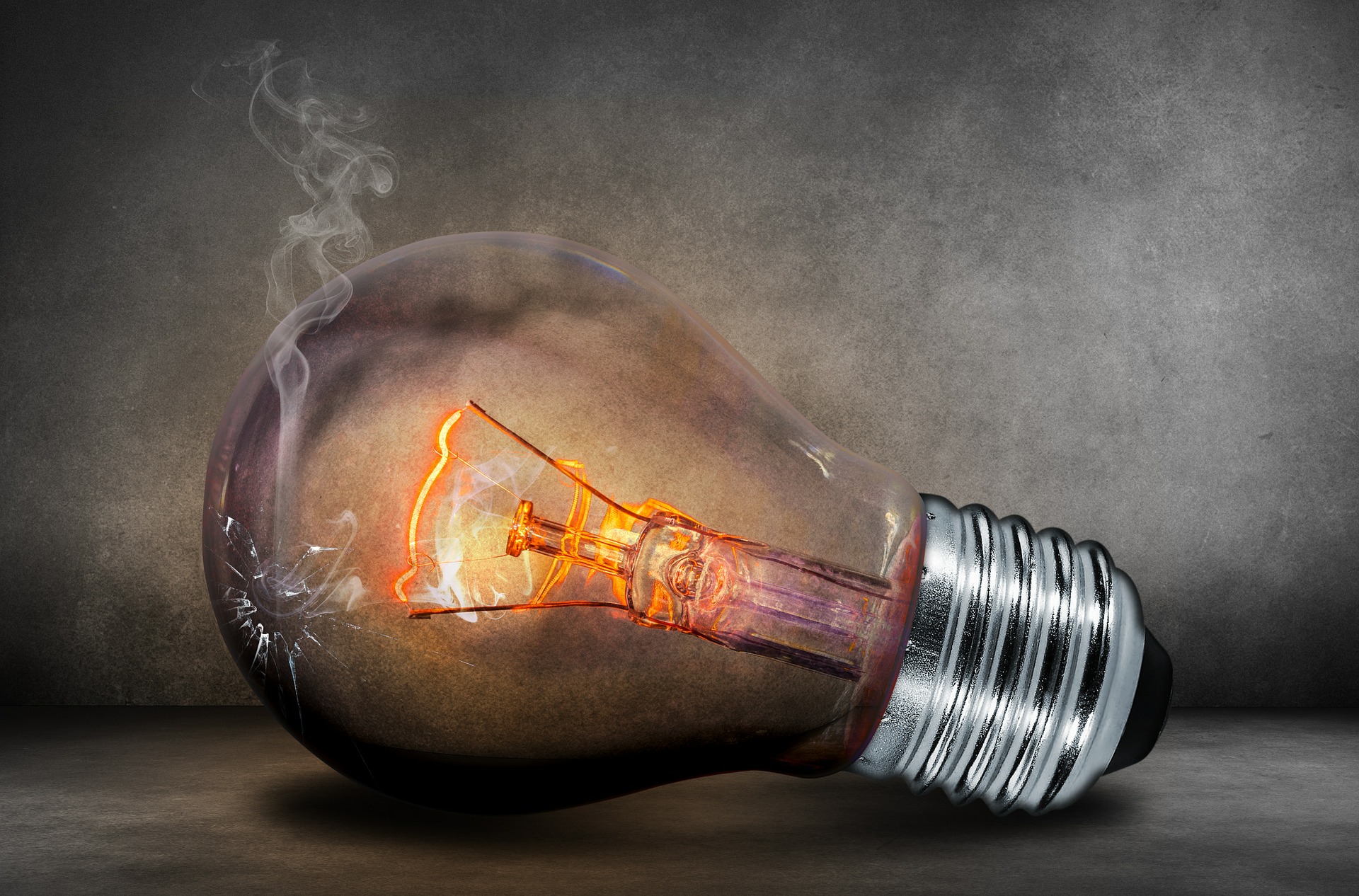
Credit: gcedestin.com
Power Surges And Dips
Power surges and dips can surprise your home. These quick changes affect your lights. They make them flicker unexpectedly. Understanding these events helps. It explains why lights blink.
Appliance Ambushes
Big appliances use much power. They start suddenly. This sudden demand causes a dip. Lights may dim or flicker. Refrigerators and air conditioners do this. They are power-hungry machines. Watch for flickering when they turn on.
Grid Glitches
The power grid is vast. It delivers electricity to homes. Sometimes the grid has problems. A sudden surge can happen. A dip can also occur. These are grid glitches. They impact your home’s power. Lights may flicker then. The utility company fixes these issues.
Dimmer Switch Dilemmas
Dimmer switches offer great control. They set the mood. They save energy too. But sometimes, they cause trouble. Lights flicker. This can be frustrating. Let’s explore dimmer switch problems.
Wrong Type Troubles
Not all dimmers work with all bulbs. Using the wrong dimmer is common. Incandescent bulbs are simple. LED bulbs are complex. They need special dimmers. A standard dimmer won’t work. It can cause flickering. It might damage the bulb. Check your bulb type. Buy a compatible dimmer. This fixes many issues.
Age And Wear
Dimmers age over time. Components wear out. Old dimmers can fail. This leads to flickering lights. The internal parts get loose. Connections become unreliable. A worn-out dimmer needs replacement. It’s a simple fix. New dimmers are inexpensive. They restore steady light.
Circuit Breaker Quirks
Circuit breakers protect your home. They stop electrical fires. Sometimes, they cause lights to flicker. This happens for several reasons. Let’s explore these quirks.
Overloaded Circuits
Too many devices draw power. This overloads the circuit. The breaker struggles to keep up. Lights may dim or flicker. It’s a warning sign. Reduce the load. Unplug some appliances. This helps the circuit. It prevents damage.
Tripped Triggers
A tripped breaker means trouble. It has shut off power. This is for safety. A fault caused the trip. It could be a short circuit. Or it could be an overload. The breaker needs resetting. Push the switch firmly. If it trips again, call an electrician. Don’t ignore repeated trips. It signals a bigger problem.
Voltage Variations
Lights flicker for many reasons. Voltage variations are a common cause. Your home’s electricity supply is not always steady. It can go up or down. This fluctuation affects your lights. They may dim or brighten suddenly. Sometimes they flicker. This section explores voltage issues.
Home’s Electrical Strain
Many appliances use power. This creates a demand. Big appliances use a lot of power. Refrigerators and air conditioners are examples. Turning them on draws power. This can lower the voltage briefly. Your lights might flicker then. It is like a quick dip. This happens when the electrical load increases. Too many devices running together strain the system. This strain causes voltage drops. Lights react to these drops. They can dim or flicker.
Neighborhood Network
Your home is part of a larger grid. The neighborhood shares power. Other homes use electricity too. Their appliance usage affects you. A neighbor starting a large appliance can cause issues. This sudden demand can strain the local network. Voltage can dip across the street. Your lights might flicker. This is a shared problem. The utility company manages this network. Issues there can affect many homes. It is a complex system.
When To Call A Pro
Lights flickering? Persistent issues often signal deeper electrical problems. Don’t ignore them. Call a professional electrician to diagnose and fix the cause safely.
A flickering light can be annoying. Sometimes it’s a simple fix. Other times, it signals a bigger issue. Knowing when to call an electrician is important. Your home’s safety depends on it. Don’t ignore warning signs. A professional can diagnose the problem. They ensure your electrical system is safe.Safety First
Electricity can be dangerous. Never attempt electrical repairs yourself. If you see sparks, call a pro. A burning smell is a red flag. Flickering lights can indicate a fire risk. Loose wiring is a serious hazard. Professionals have the right tools. They understand electrical codes. They can fix issues safely. Your family’s safety is paramount.Persistent Problems
Some flickering lights are minor. A bulb might be loose. Replacing the bulb may solve it. But what if the flickering continues? This suggests a deeper problem. The fixture itself could be faulty. The wiring in the wall might be bad. The circuit breaker could be overloaded. These are not DIY fixes. A pro can find the root cause. They will repair it properly. Persistent flickering needs expert attention. `Conclusion
Flickering lights signal a problem. Your home’s wiring needs attention. Don’t ignore these warning signs. Simple fixes exist for some issues. Others require professional help. Safety first is key. Call an electrician if unsure. Peace of mind is worth it.
Your home deserves reliable power.