
Is your bathroom feeling a bit… stale? Maybe you’ve noticed a lingering musty smell after a shower, or perhaps condensation seems to stick around longer than it should.
These are telltale signs that your bathroom fan might be slacking on the job. But how can you be sure? Don’t worry, figuring out if your bathroom fan is actually doing its thing is simpler than you think. Keep reading, and we’ll walk you through some easy tests to give you peace of mind.
The Hum Test
The hum test is a simple way to check your fan. You do not need special tools. It uses your senses. Listen closely. Feel for movement. This test helps you know your fan’s status.
Listen For The Motor
Turn the fan on. Go into the bathroom. Stand near the fan. Listen carefully. You should hear a faint hum. This sound means the motor is running. No sound means trouble.
Feel For Vibrations
Turn the fan on again. Place your hand near the vent. Do not touch the fan blades. You should feel a gentle vibration. This confirms air movement. No vibration means the fan is not working.
Credit: m.economictimes.com
The Airflow Assessment
The airflow assessment is key. It tells you if your fan moves air. Proper airflow prevents moisture. It stops mold and mildew growth. This section shows simple tests. You will know your fan’s status.
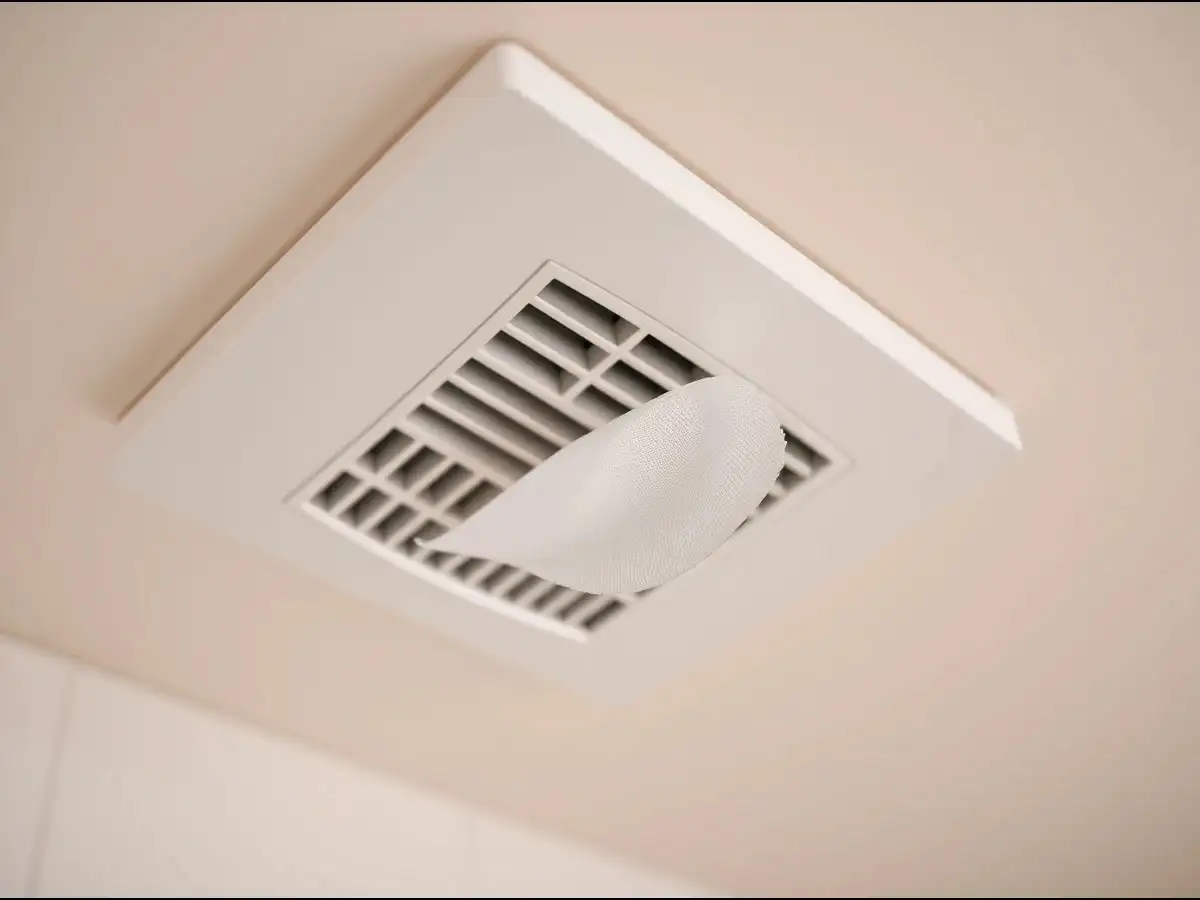
The Toilet Paper Trick
Get a small piece of toilet paper. Turn on your bathroom fan. Hold the paper near the vent. Does the fan pull the paper? It should stick to the vent. This shows good suction. A weak pull means trouble. Your fan might be clogged.
The Mirror Fog Test
Run a hot shower. Let steam fill the bathroom. Turn on the exhaust fan. Watch the mirror closely. Does the fog disappear quickly? A working fan clears the steam. It removes excess humidity. If fog stays, the fan is weak. It is not removing moisture.
The Handheld Fan Method
You can use a small fan. Turn it on low speed. Place it near the exhaust vent. Does the fan’s air get pulled in? It should draw the air upwards. This confirms the fan is drawing air. It is removing stale bathroom air. This is another easy check.
Beyond The Basics
Sometimes, a simple test is not enough. You need to look deeper. Going beyond the basics reveals more. It helps confirm your fan’s health. This section guides you further. Discover what else to check.
Check The Switch
First, find the fan switch. Is it on? Press it firmly. Does it feel loose? A worn switch might fail. It may not send power. Try flipping it a few times. This action can help. It ensures a good connection.
Inspect The Grille
Look at the fan’s grille. Is it dusty? Obstructed airflow is common. Dirt can block the fan. Use a soft brush. Gently clean the slats. Remove any visible debris. A clean grille helps air move. It improves fan performance.
Listen For Strange Noises
Turn the fan on again. Listen carefully. Do you hear any odd sounds? Grinding is a bad sign. Clicking noises are also concerning. These sounds suggest problems. The motor might be failing. Bearings could be worn out. Address these noises promptly. They signal a need for repair.

Credit: www.youtube.com
Troubleshooting Common Issues
Sometimes bathroom fans act up. Don’t worry. Troubleshooting is simple. We will help you fix it. Identify the problem. Then, find the solution. It is easy.
Fan Not Turning On
Is the fan completely silent? Check the power. Is the circuit breaker tripped? Reset it. Does the light still work? The fan might be wired separately. Look for a wall switch. Make sure it is in the ‘on’ position. A faulty switch can cause issues. The motor might also be dead. This requires replacement.
Weak Airflow
Is air barely moving? The vent cover could be blocked. Dust and debris build up. Clean the vent cover gently. The ductwork might also be obstructed. Animals or nests can cause blockages. Squirrels. Birds. Sometimes insulation. A clogged duct reduces airflow. The fan motor may be weak. It might need more power. Ensure the fan is the right size. Too small a fan struggles. It won’t move enough air.
Noisy Operation
Does the fan make strange sounds? Grinding. Humming. Whining. This often signals a problem. The fan motor might be failing. Bearings can wear out over time. Debris inside the fan housing causes noise. Small objects get stuck. They rattle around. Loose parts can also vibrate. Tighten any loose screws. A rattling fan is not good. It needs attention.
When To Call A Pro
Sometimes, a simple fix isn’t enough. Your bathroom fan might need expert attention. Don’t put off calling a professional. It ensures your home stays safe and healthy. Ignoring issues can lead to bigger problems later.
Persistent Problems
Your fan still smells bad. Moisture lingers after showers. The fan makes loud, strange noises. These signs show a deeper issue. A professional can diagnose the root cause. They will fix it correctly. Get your fan working right again.
Electrical Concerns
The fan won’t turn on at all. Lights flicker when it runs. You smell burning plastic. These are serious electrical warnings. Never ignore electrical problems. A qualified electrician is needed. They have the right tools and skills. Safety comes first. Protect your home and family.
Aging Fan Replacement
Your fan is very old. It constantly needs repairs. Newer fans are more efficient. They are also quieter. An old fan might fail soon. Replacing it prevents future trouble. A professional can install a new one. Enjoy a fresh, quiet bathroom.
:max_bytes(150000):strip_icc()/ms-bathroom-exhaust-fan-e7fa837082bf4a3081a2a485d6845895.jpg)
Credit: www.marthastewart.com
Frequently Asked Questions
Why Is A Working Bathroom Fan Important?
A working fan removes moisture and odors. This prevents mold and mildew growth. It keeps your bathroom fresh.
How Can I Test My Bathroom Fan’s Airflow?
Hold a piece of toilet paper. See if the fan pulls it. A good pull shows strong airflow.
What If My Bathroom Fan Is Loud?
Loud noises can mean issues. Bearings might be worn out. Or the fan might be loose.
Can A Dirty Fan Stop Working?
Yes, dust buildup can block air. It makes the motor work harder. Cleaning might fix it.
How Often Should I Run My Bathroom Fan?
Run it during showers and baths. Keep it on for about 20 minutes after. This clears out steam.
What Are Signs Of A Failing Fan Motor?
A motor might hum or stop. It may also smell like burning. These are signs it needs repair.
Should I Replace My Bathroom Fan Myself?
If you are handy, maybe. But electrical work can be tricky. Consider hiring a professional.
Conclusion
Your bathroom fan is important. It removes moisture and odors. Check for airflow regularly. A simple tissue test works well. Listen for motor sounds too. A quiet fan may need attention. Proper ventilation keeps your bathroom fresh. It also prevents mold growth.
Don’t neglect this vital component. Ensure your fan runs smoothly. Enjoy a cleaner, healthier space.