
Your pressure washer is sitting there, ready to blast away grime, but nothing’s happening. That pump just isn’t kicking in, and your weekend project just hit a major roadblock.
Frustrating, right? You’re probably wondering what went wrong and how you can fix it fast. Don’t worry, we’ve all been there. This guide will help you pinpoint why your pressure washer pump isn’t working and get you back to cleaning in no time.
Let’s dive in.
Pump Problems: Common Signs
Your pressure washer pump is vital. It creates the powerful spray. What happens when it fails? You might see clear signals. Knowing these signs helps you fix it. Early detection saves time. It also saves money.
No Water Flow
This is a major sign. The pump does not move water. You expect a strong stream. Instead, you get nothing. Water stays in the hose. The engine runs fine. But the spray is gone. This means pump trouble.
Weak Pressure
Pressure is too low. Your cleaning power suffers. Dirt stays on surfaces. The spray feels weak. It is not forceful. This is not normal. The pump is not working right. It struggles to build pressure. You need more power.
Intermittent Operation
The spray comes and goes. It works for a moment. Then it stops suddenly. It might start again later. This is very frustrating. It shows pump inconsistency. The pump is not stable. It needs attention now.
Strange Noises
Listen for odd sounds. Grinding noises are bad. Clunking sounds mean trouble. Whining might signal a problem. These sounds are not natural. They indicate internal damage. The pump is likely failing. Stop using it right away.
Credit: pressurewashingresource.com
Troubleshooting: The Basics
Your pressure washer pump is not working. Don’t panic. Troubleshooting is key. We’ll start with the simple things. These basic checks solve many problems. Let’s get your washer running again.
Check Water Supply
Is water flowing to the pump? The source must be on. Open your garden hose fully. Water needs a clear path. Low pressure is a problem. Check the faucet is open all the way. Ensure the supply hose is not kinked.
Inspect Inlet Filter
Your pump has a filter. This stops debris. A clogged filter blocks water. Find the water inlet. Look for a small screen. Remove the filter carefully. Clean it with warm water. Brush away any dirt. Rinse it thoroughly. Put it back securely.
Verify Power Source
Is the pump getting power? Electric models need a plug. The outlet must work. Test it with another device. Gas models need fuel. Check the gas tank. Is there enough fuel? Make sure the engine is primed. Spark plug condition matters. Is it clean and connected?
Examine Hose Connections
All hoses must be tight. Check the inlet hose connection. It attaches to the pump. Make sure it is secure. The outlet hose connection is vital. It links to the spray gun. Loose connections leak air. Air prevents pump operation. Tighten all hose fittings. Ensure no leaks are present.
Pump Component Checks
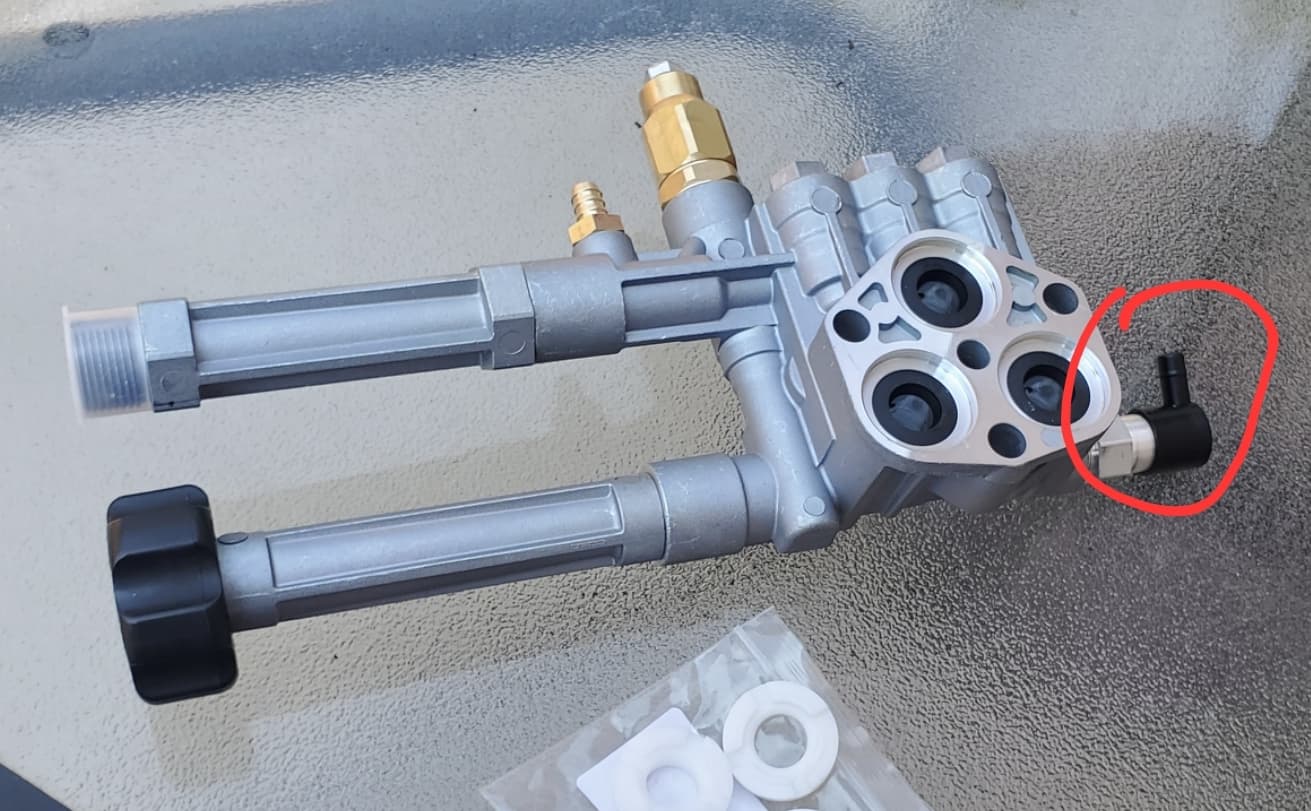
Your pressure washer pump is the heart of the machine. It creates the high-pressure water spray. Several parts work together. A problem with one part stops the pump. Let’s check common pump components. This will help find the issue.
Proper maintenance prevents many problems. Regular checks save time. They also save money. Focus on key parts first. This makes troubleshooting easier. You can fix your pump quickly. Get back to cleaning tasks.
Unloader Valve Issues
The unloader valve controls pressure. It diverts water when needed. A stuck valve causes problems. It might not open. Or it might not close. Check for debris. Clean the valve carefully. A damaged valve needs replacement. This valve is critical for pump function. Without it, pressure is low. Or the pump can overheat.
Wand And Trigger Gun
The wand and trigger gun are connected. They are part of the water path. A clogged wand restricts flow. Check the nozzle for blockages. Remove any dirt or debris. The trigger gun also needs checks. A faulty trigger can stop water. Inspect the trigger mechanism. Ensure it moves freely. These parts affect pump output. A simple clog stops everything.
Water Seals And Gaskets
Seals and gaskets prevent leaks. They keep water inside the pump. Worn seals cause low pressure. They also lead to water loss. Inspect all seals closely. Look for cracks or tears. Replace any damaged seals. Gaskets create tight connections. A loose gasket causes leaks too. Tighten or replace faulty gaskets. These small parts are vital. They maintain pump integrity.
Piston And Cylinder Health
Pistons move inside cylinders. This action builds pressure. Wear can affect piston movement. Scratches inside cylinders are bad. Check pistons for damage. Look for signs of wear. Inspect cylinders for scoring. Any damage reduces pump efficiency. It can stop the pump entirely. Keep these parts clean. Lubrication is also important. Healthy pistons and cylinders are key.
Advanced Pump Fixes
Sometimes simple fixes are not enough. Your pressure washer pump needs more. Advanced repairs can bring it back to life. These steps require care. They involve internal parts. They can save you money. They can extend pump life.
Replacing The Pump Oil
Pump oil is vital. Old oil causes problems. It loses its lubrication. This hurts the pump. Drain the old oil completely. Use the correct oil type. Check your manual. Refill with fresh oil. Do not overfill the pump. Check the oil level regularly. This prevents future issues.
Addressing Cavitation
Cavitation is bad for pumps. It creates tiny bubbles. These bubbles collapse. They damage pump parts. This happens with low water supply. Ensure water flow is strong. Check the inlet hose. Remove any kinks. Make sure the filter is clean. A clean filter allows water. This stops cavitation.
Clearing Blockages
Blockages stop water flow. Debris can clog the pump. Small particles cause issues. Check the inlet screen. Clean it thoroughly. Inspect the outlet nozzle. Remove any lodged debris. A clogged pump cannot work. Clearing blockages is key. It restores proper function.
Pump Head Repair
The pump head is complex. It can develop leaks. Seals may wear out. Valves might malfunction. Inspect the pump head closely. Look for visible damage. Replace worn-out seals. Fix or replace faulty valves. This takes precision. Consult your pump manual. Sometimes a professional is best. Proper repair ensures performance.
Maintenance For Longevity
Keep your pressure washer pump working. Good maintenance ensures a long life. It prevents costly repairs. Simple steps make a big difference. Your washer will perform better.
Regular Cleaning
Clean the pump often. Remove debris from the inlet filter. This stops clogs. Flush the system with clean water. It removes leftover detergent. A clean pump works smoothly. Do this after each use.
Proper Storage
Store your washer correctly. Drain all water from the pump. This prevents freezing damage. Use pump saver fluid. It protects internal parts. Store it in a dry place. Protect it from harsh weather.
Seasonal Checks
Check the pump yearly. Inspect seals for wear. Look for any leaks. Tighten loose connections. Ensure oil levels are good. This prevents sudden failures. It keeps the pump ready.
When To Call A Pro
Some issues need experts. A pump makes strange noises. Water pressure is too low. The pump does not start. These signs need attention. A professional can diagnose problems. They perform complex repairs. Trust their expertise for safety.

Credit: www.youtube.com

Credit: www.cleanertimes.com
Frequently Asked Questions
Why Is My Pressure Washer Pump Not Working?
Several issues can stop your pump from working. Check for blockages in the inlet or outlet. Ensure the water supply is sufficient and steady.
What If My Pressure Washer Pump Loses Pressure?
A loss of pressure often means worn out seals. The unloader valve might also be faulty. Inspect the pump for any visible damage.
Can A Clogged Filter Stop The Pump?
Yes, a dirty filter can block water flow. This prevents the pump from getting enough water. Clean or replace the filter regularly.
Is The Pump Motor Bad If It Won’t Start?
A motor that won’t start could be fried. Check the electrical connection first. If it’s getting power, the motor might need replacing.
How Do I Reset A Pressure Washer Pump?
Some pumps have a reset button. Look for it near the motor. Press it firmly to see if it restarts.
Why Is My Pressure Washer Pump Leaking Water?
Leaks usually point to bad seals. The pump head might also be cracked. Tighten connections or replace damaged parts.
Should I Replace The Whole Pump Unit?
Consider replacement if repairs are costly. A new pump can restore performance. Check your model’s availability and price.
Conclusion
Your pressure washer pump needs attention. Don’t let it sit idle. Troubleshooting helps find the issue. Check the basics first. Water supply is key. Is the engine running? Inspect for clogs. A faulty pump needs repair. Sometimes, replacement is best.
Get your washer working again. Enjoy a clean space.