
Are you trying to choose the best battery for your next project or device? You’ve probably heard about LiFePO4 and lithium-ion batteries, but which one is truly right for you?
Understanding the differences can save you money, boost performance, and keep you safe. You’ll discover clear, easy-to-grasp facts that will help you make the smartest choice. Keep reading to find out which battery matches your needs perfectly.

Credit: www.redodopower.com
Battery Chemistry Basics
Batteries power many devices and vehicles today. Understanding their chemistry helps choose the right one. Two popular types are LiFePO4 and Lithium Ion. Each uses different materials inside to store and release energy. This affects their safety, lifespan, and performance. Let’s explore the basics of these battery chemistries.
What Is Lifepo4?
LiFePO4 stands for lithium iron phosphate. It uses iron and phosphate in the battery’s cathode. This makes it very stable and safe. LiFePO4 batteries last longer than many others. They handle heat well and rarely catch fire. These batteries have a lower energy density. That means they store less energy by weight. Still, their strong safety and life span suit many uses.
What Is Lithium Ion?
Lithium Ion batteries use lithium compounds in the cathode. Common types include lithium cobalt oxide and lithium nickel manganese cobalt oxide. These batteries store more energy in a smaller space. That makes them popular for phones and laptops. They have higher energy density but less stability than LiFePO4. They can heat up and need careful charging. Lithium Ion batteries also wear out faster over time.
Credit: www.ufinebattery.com
Performance Comparison
Comparing the performance of LiFePO4 and lithium-ion batteries helps choose the right power source. Each type has unique strengths and weaknesses. Understanding these can guide better decisions for various uses.
Performance depends on several key factors. These include energy density, charge and discharge rates, cycle life, and thermal stability. Each factor impacts how the battery works in real life.
Energy Density
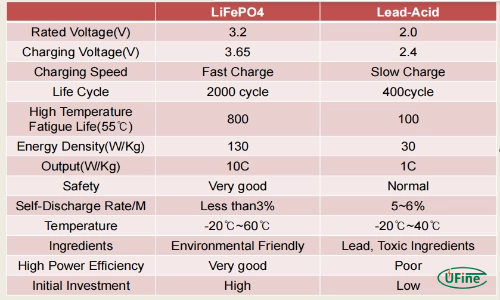
Energy density shows how much energy a battery holds in a given size. Lithium-ion batteries typically have higher energy density. This means they store more power in a smaller space. LiFePO4 batteries have lower energy density but offer other benefits. They tend to be heavier and larger for the same energy amount.
Charge And Discharge Rates
Charge and discharge rates affect how fast a battery can fill or release energy. LiFePO4 batteries allow faster charging and discharging. They handle high current better without damage. Lithium-ion batteries charge slower and need more care during fast discharge. This makes LiFePO4 better for high power demands.
Cycle Life
Cycle life means how many charge and discharge cycles a battery can last. LiFePO4 batteries have a longer cycle life. They often reach over 2,000 cycles before capacity drops. Lithium-ion batteries usually last between 500 and 1,000 cycles. Longer cycle life means less frequent battery replacement.
Thermal Stability
Thermal stability shows how well a battery handles heat without risks. LiFePO4 batteries are more stable at high temperatures. They have a lower risk of overheating and catching fire. Lithium-ion batteries can get hot and may become unsafe if damaged or charged incorrectly. Better thermal stability means safer use in tough conditions.
Safety Considerations
Safety is a key factor when choosing between Lifepo4 and lithium-ion batteries. Both types store energy but differ in how they handle risks. Understanding these safety aspects helps users pick the right battery for their needs.
Let’s explore common safety concerns like overheating, fire hazards, and short circuit protection.
Overheating Risks
Lifepo4 batteries have a lower chance of overheating than lithium-ion types. Their chemical makeup is more stable at high temperatures. Lithium-ion batteries can get hot faster during heavy use or charging. Overheating may cause damage or reduce battery life.
Fire Hazards
Lifepo4 batteries are less likely to catch fire. They resist thermal runaway, a dangerous chain reaction. Lithium-ion batteries pose a higher fire risk if damaged or poorly managed. Proper handling and quality controls reduce fire chances for both.
Short Circuit Protection
Both battery types need protection against short circuits. Lifepo4 batteries have a strong tolerance to short circuits without severe damage. Lithium-ion batteries require careful design to prevent short circuits. Built-in safety circuits help stop accidents before they start.
Cost And Value
Understanding the cost and value of LiFePO4 and lithium-ion batteries helps make smart choices. Cost matters, but value often means more. It includes how long the battery lasts and how much it saves over time. This section breaks down the key points of cost and value for both battery types.
Initial Price
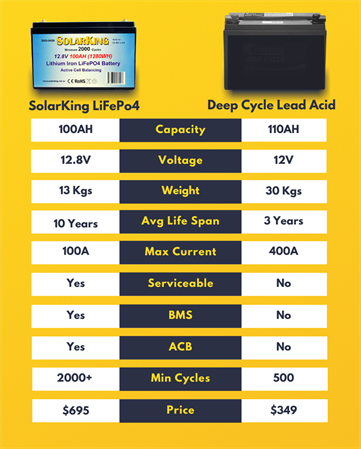
LiFePO4 batteries usually cost more at the start. Their materials and technology raise the price. Lithium-ion batteries are cheaper upfront. This lower cost makes them popular for many uses. Buyers often pick lithium-ion for short-term needs.
Long-term Savings
LiFePO4 batteries save more money over time. They last longer, with more charge cycles. This means fewer replacements are needed. Lithium-ion batteries wear out faster and may need replacing sooner. Over years, LiFePO4 proves more cost-effective.
Maintenance Costs
LiFePO4 batteries require less maintenance. They stay stable and safe without extra care. Lithium-ion batteries may need more monitoring. They can overheat or degrade faster. Less maintenance means lower costs for LiFePO4 users.
Environmental Impact
Environmental impact is a key factor in choosing between Lifepo4 and lithium-ion batteries. Both types affect nature differently. Understanding these differences helps make better decisions for the planet. This section breaks down the impact into three parts: material sourcing, recycling options, and carbon footprint.
Material Sourcing
Lifepo4 batteries use iron and phosphate, which are more common and less harmful to mine. Lithium-ion batteries rely on cobalt and nickel. Mining these metals can cause pollution and harm local communities. Lifepo4 materials tend to have a lower risk of damaging the environment during extraction.
Recycling Options
Recycling Lifepo4 batteries is simpler and safer. Their materials are less toxic and easier to recover. Lithium-ion batteries need more complex processes due to hazardous metals. Proper recycling reduces waste and pollution. Lifepo4 recycling helps lower environmental harm more effectively.
Carbon Footprint
Lifepo4 batteries generally have a smaller carbon footprint during manufacturing. They require less energy to produce and last longer, which means fewer replacements. Lithium-ion batteries consume more energy to make and have shorter lifespans. Choosing Lifepo4 can reduce overall carbon emissions over time.
Credit: okmotech.com
Ideal Uses And Applications
Choosing between LiFePO4 and Lithium Ion batteries depends on their ideal uses and applications. Each battery type has strengths that suit different needs. Understanding these helps pick the right battery for specific tasks.
Both batteries store energy efficiently but vary in weight, cost, lifespan, and safety. These differences affect their fit for certain devices and systems. Let’s explore where each battery excels.
Electric Vehicles
LiFePO4 batteries offer long life and strong safety for electric cars. Their stable chemistry reduces fire risks. These batteries handle many charge cycles well, lasting for years.
Lithium Ion batteries provide higher energy density. This means lighter weight and longer driving ranges. They fit well in compact electric vehicles needing more power in less space.
Solar Energy Storage
LiFePO4 batteries suit solar energy systems perfectly. They tolerate deep discharges and high temperatures. This makes them reliable for daily solar power storage.
Lithium Ion batteries also work for solar setups but may degrade faster under harsh conditions. Their higher energy density helps save space in tight installations.
Portable Electronics
Lithium Ion batteries dominate portable electronics. They are lightweight and store lots of energy in small sizes. Phones, laptops, and tablets mainly use these batteries.
LiFePO4 batteries are less common in small gadgets. Their heavier weight and lower energy density limit their use in handheld devices.
Charging And Storage Tips
Proper charging and storage are key to getting the best from LiFePO4 and lithium-ion batteries. These tips help keep batteries safe and working longer. Follow simple steps to protect your investment and avoid common issues.
Optimal Charging Practices
Use the charger made for your battery type. LiFePO4 needs a different charger than lithium-ion. Charge at a moderate speed. Fast charging can cause heat and damage. Avoid charging below freezing temperatures. Stop charging when the battery is full. Overcharging can shorten battery life.
Storage Conditions
Store batteries in a cool, dry place. Extreme heat or cold harms battery cells. Keep batteries partially charged during storage. Around 50% charge is ideal for both types. Avoid storing batteries fully charged or empty. Check stored batteries every few months. Recharge if the voltage drops too low.
Extending Battery Life
Use batteries regularly but avoid deep discharges. Charging before the battery is empty helps. Keep batteries clean and dry. Dirt and moisture cause damage. Avoid physical shocks or drops. Handle batteries gently to prevent internal damage. Following these tips will keep batteries healthy longer.
Common Myths And Misconceptions
Many people have wrong ideas about LiFePO4 and lithium-ion batteries. These myths can cause confusion when choosing the right battery. Clearing up these false beliefs helps make better decisions.
Understanding the truth about these batteries improves knowledge about their uses and benefits. It also stops spreading incorrect information.
Myth: Lifepo4 Batteries Are Less Powerful
Some believe LiFePO4 batteries cannot deliver strong power. This is not true. LiFePO4 batteries provide steady power and can handle high loads. They are safe and reliable for many devices.
Myth: Lithium-ion Batteries Are Unsafe
People often think lithium-ion batteries are very dangerous. While they need careful handling, modern lithium-ion batteries have many safety features. Proper use greatly lowers risks of fire or explosion.
Myth: Lifepo4 Batteries Have Short Lifespan
Many assume LiFePO4 batteries wear out quickly. In fact, these batteries last longer than most lithium-ion types. They can endure thousands of charge cycles without much loss in capacity.
Myth: Lithium-ion Batteries Are Always Cheaper
Cost is often seen as a major advantage of lithium-ion batteries. However, LiFePO4 batteries may cost more upfront but save money in the long term. Their longer lifespan reduces replacement frequency.
Myth: All Lithium Batteries Are The Same
People sometimes treat all lithium batteries as equal. LiFePO4 and other lithium-ion batteries differ in chemistry, performance, and safety. Choosing the right battery depends on the specific need.
Future Trends In Battery Technology
Battery technology is evolving fast. New designs and materials aim to improve energy storage. This growth helps electric cars, phones, and renewable energy systems work better and last longer.
Both LiFePO4 and lithium-ion batteries will see changes. These changes will affect cost, safety, and performance. Understanding future trends helps choose the right battery for your needs.
Advancements In Battery Chemistry
Scientists explore new materials to increase battery life. Solid-state batteries promise better safety and energy density. These batteries use solid electrolytes instead of liquid. This change reduces fire risks and improves stability.
Researchers also study silicon anodes to replace graphite. Silicon holds more lithium, which means longer battery life. These improvements aim to make batteries lighter and more powerful.
Faster Charging Technology
Charging speed is a big focus for battery makers. New batteries will charge in minutes, not hours. Improved battery designs and better chargers make this possible. Faster charging suits electric vehicles and portable devices well.
Battery Recycling And Sustainability
Recycling batteries reduces waste and saves resources. New methods recover more materials from old batteries. This lowers the need for mining raw materials. Sustainable battery production helps protect the environment.
Integration With Smart Technology
Batteries will connect with smart systems for better use. Sensors monitor battery health and optimize performance. This leads to longer battery life and safer use. Smart batteries adapt to different devices and conditions.
Frequently Asked Questions
What Are The Main Differences Between Lifepo4 And Lithium-ion Batteries?
LiFePO4 batteries use iron phosphate, while lithium-ion batteries use different materials. LiFePO4 is safer and lasts longer. Lithium-ion offers higher energy density.
Which Battery Type Is Safer For Home Energy Storage?
LiFePO4 batteries are safer because they are less likely to overheat or catch fire. This makes them ideal for home use. Lithium-ion batteries need extra safety measures.
How Do Lifepo4 Batteries Compare In Lifespan?
LiFePO4 batteries typically last 2 to 3 times longer than lithium-ion batteries. They can handle more charge cycles. This means fewer replacements and lower cost over time.
Which Battery Type Is Lighter And More Compact?
Lithium-ion batteries are lighter and smaller than LiFePO4 batteries. This makes them better for portable devices. LiFePO4 batteries are bulkier but more durable.
Are Lifepo4 Batteries Better For High-drain Devices?
Yes, LiFePO4 batteries handle high-drain devices well due to their stable chemistry. They maintain performance under heavy load. Lithium-ion batteries may degrade faster under similar conditions.
What Is The Cost Difference Between Lifepo4 And Lithium-ion Batteries?
LiFePO4 batteries usually cost more upfront than lithium-ion batteries. However, their longer life can save money in the long run. Lithium-ion batteries are cheaper but may need earlier replacement.
Can Lithium-ion Batteries Be Used In Electric Vehicles?
Yes, lithium-ion batteries are widely used in electric vehicles. They offer high energy density and fast charging. LiFePO4 batteries are less common but growing in use for EVs.
Conclusion
Choosing between LiFePO4 and lithium-ion depends on your needs. LiFePO4 batteries last longer and are safer. Lithium-ion batteries are lighter and hold more energy. Think about what matters most: weight, cost, or lifespan. Both types serve different purposes well. Knowing their strengths helps you make a smart choice.
Batteries power our devices every day. Picking the right one keeps you running smoothly. Simple and clear—choose what fits your life best.