
Choosing the right robot vacuum can feel overwhelming, especially when you come across terms like Lidar and camera technology. You might wonder which one will clean your home better or navigate obstacles more smoothly.
Understanding the difference between Lidar and camera robot vacuums can save you time, money, and frustration. You’ll discover how each technology works, what benefits they offer, and which might be the perfect fit for your cleaning needs. Keep reading to find out which robot vacuum will make your life easier and your floors spotless.
Credit: us.narwal.com
Lidar Technology In Robot Vacuums
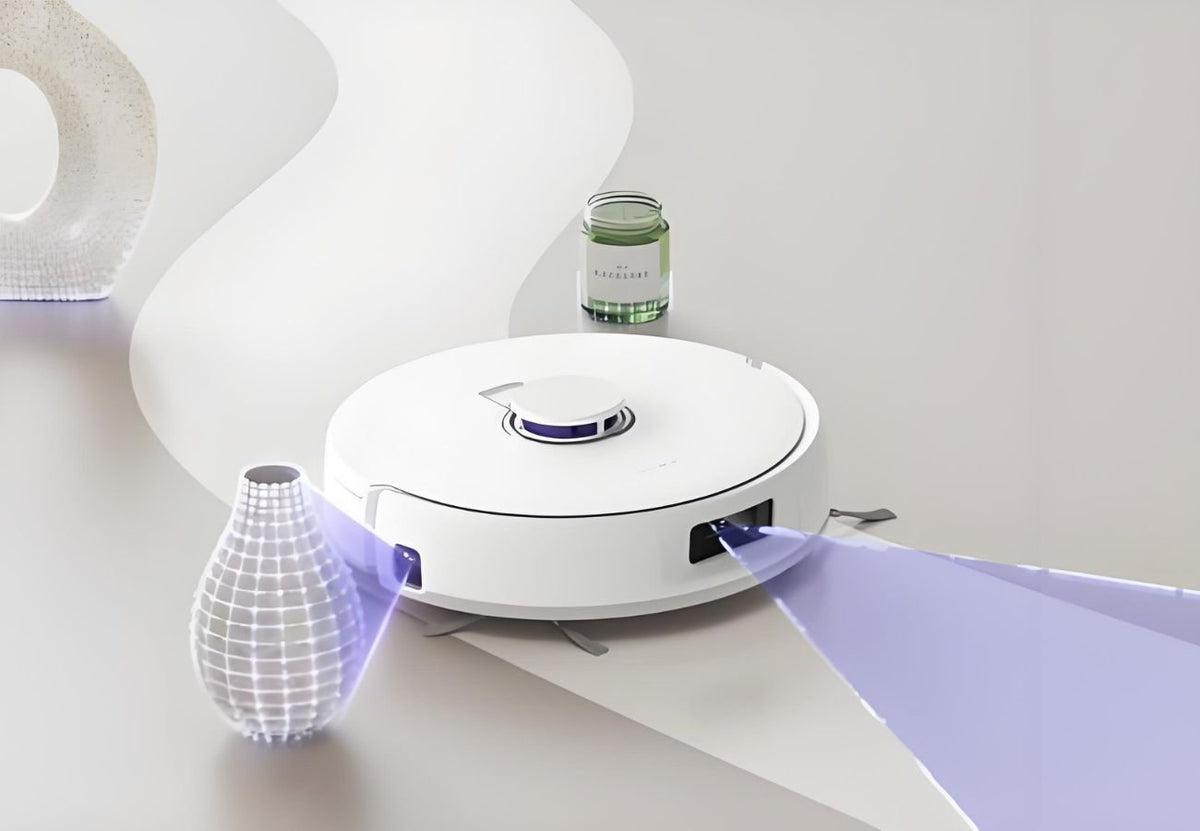
Lidar technology helps robot vacuums “see” their surroundings clearly. It uses laser light to map rooms and avoid obstacles. This method allows vacuums to clean efficiently and cover every corner.
Robots with Lidar create detailed maps of your home. This helps them plan the best cleaning route. The technology improves navigation and reduces missed spots.
How Lidar Sensors Work
Lidar sensors send out laser beams that bounce off objects. The vacuum measures the time it takes for the light to return. This data creates a precise map of the area.
The sensor spins to scan all directions. It detects walls, furniture, and other obstacles. The vacuum uses this information to move safely and avoid collisions.
Advantages Of Lidar Navigation
Lidar navigation makes robot vacuums very accurate. It helps them clean in straight lines for better coverage. The maps they create save cleaning progress for future use.
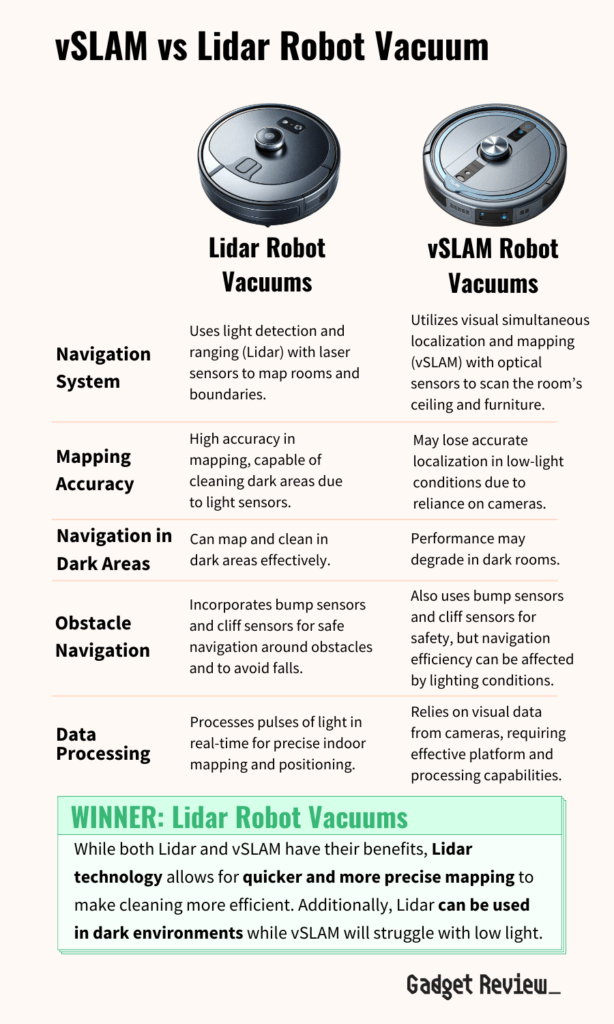
This technology works well in dark or bright rooms. It does not rely on cameras or visible light. Lidar vacuums avoid obstacles better and clean faster.
Limitations Of Lidar Systems
Lidar sensors can be sensitive to dust and dirt. They need regular cleaning to keep working well. The technology can also add cost to the vacuum price.
Some small or transparent objects might be hard to detect. Lidar cannot recognize items like camera-based systems do. This may cause the vacuum to miss tiny obstacles.
Camera-based Robot Vacuums
Camera-based robot vacuums use cameras to see and understand their surroundings. They take pictures of the room and create a map to clean efficiently. These robots can avoid obstacles and plan their path using visual data. This technology helps them clean in a neat and organized way.
Camera systems allow the robot to recognize furniture, walls, and other objects. This improves cleaning accuracy and avoids repeated cleaning of the same spots.
How Cameras Guide Cleaning
Cameras capture images of the floor and obstacles. The robot uses these images to build a map of the room. It detects objects and empty spaces to plan the best route. This process helps the robot clean every area without missing spots.
Strengths Of Camera Navigation
Cameras provide detailed visual information. This helps the robot avoid small and large obstacles. The robot can identify different floor types using the camera. It adjusts cleaning settings based on floor material. Camera navigation also helps the robot return to its charging station easily.
Challenges With Camera Systems
Camera-based robots need good lighting to work well. Dark or dim areas can confuse the camera. Dirt or smudges on the lens reduce accuracy. Cameras may struggle with transparent or shiny surfaces. Privacy concerns arise since cameras record images inside the home.
Performance Comparison
Performance is key when choosing between Lidar and camera robot vacuums. Both use different technology to navigate and clean your home. Understanding their strengths helps pick the best fit for your needs. Let’s compare how each performs in navigation, obstacle handling, and cleaning coverage.
Navigation Accuracy And Efficiency
Lidar uses laser beams to map rooms with great detail. It creates precise floor plans fast and adjusts to changes easily. Camera vacuums rely on visual data and light. They work well in bright areas but can struggle in low light or dark rooms. Lidar tends to offer more consistent and accurate navigation across different lighting conditions. It also moves smoothly and avoids repeated paths, saving cleaning time.
Obstacle Detection And Avoidance
Lidar detects objects by measuring distance with lasers. It senses furniture, walls, and small items accurately. This allows the vacuum to avoid bumps and get close to edges safely. Camera vacuums identify obstacles by recognizing shapes and colors. They may miss transparent or dark objects. Lidar usually reacts quicker and avoids obstacles with fewer collisions. Camera models can sometimes pause or reroute more often, slowing cleaning.
Cleaning Coverage And Path Planning
Lidar vacuums plan cleaning routes based on detailed maps. They cover every area systematically and rarely miss spots. Their paths are efficient and reduce overlap. Camera vacuums depend on real-time images to decide where to clean next. This can cause random or zigzag patterns. As a result, camera vacuums might miss small areas or clean the same spot twice. Lidar models often provide more thorough and faster coverage.

Credit: us.narwal.com
Cost And Maintenance Factors
Cost and maintenance are key factors when choosing a robot vacuum. Both lidar and camera models have different price points and upkeep needs. Understanding these differences helps in making a smart purchase. You want a vacuum that fits your budget and lasts long with minimal care.
Price Differences Between Lidar And Camera Models
Lidar robot vacuums usually cost more than camera-based ones. Lidar sensors are advanced and more precise. This technology adds to the price. Camera models tend to be cheaper but may lack some accuracy. The price gap can be significant depending on the brand and features.
Maintenance Requirements
Both types need regular cleaning and filter changes. Lidar sensors require gentle cleaning to avoid damage. Camera lenses must stay clear for good navigation. Dust or smudges can affect performance. Battery care is similar for both models and important for long use.
Durability And Longevity
Lidar units often last longer due to solid sensor design. Cameras can be sensitive to scratches or dirt. Rough handling may reduce camera lifespan. Both models depend on battery health over time. Choosing a vacuum with good build quality improves durability.
Smart Features And Connectivity
Smart features and connectivity are key parts of modern robot vacuums. They decide how easily the device fits into your home life. Both Lidar and camera robot vacuums offer unique smart options. These features affect cleaning control, schedule setup, and home integration. This section covers important smart functions to help you choose the best vacuum.
Integration With Smart Home Devices
Lidar and camera vacuums can connect with popular smart home systems. Many models work with Alexa, Google Assistant, or Apple HomeKit. This lets you control the vacuum with voice commands. Some devices also sync with other smart gadgets. For example, they can pause cleaning when you start a video call. Integration boosts convenience and automation in your daily routine.
App Control And Customization
Both types offer apps for easy control. The apps show cleaning maps and vacuum status. Lidar vacuums usually provide more precise maps. You can set cleaning zones and no-go areas with these apps. Camera vacuums may have basic mapping but still allow schedule setting. Custom options let you tailor cleaning times and patterns. This helps maintain a cleaner home with less effort.
Updates And Firmware Enhancements
Software updates improve vacuum performance over time. Both Lidar and camera models receive firmware upgrades. These updates add new features or fix bugs. Regular updates keep the device running smoothly. They can also improve navigation and battery life. Staying current with updates ensures the vacuum stays efficient and smart.
Credit: www.gadgetreview.com
Choosing The Right Robot Vacuum
Choosing the right robot vacuum is important for a clean and comfortable home. You need to think about your space, cleaning needs, and budget. Picking the right model makes cleaning easier and saves time.
Both Lidar and camera robot vacuums have their strengths. Understanding your situation helps you decide which one fits best.
Home Environment Considerations
Consider the size and layout of your home. Lidar robots work well in large or complex spaces. They map rooms accurately and avoid obstacles easily. Camera-based vacuums perform better in smaller or well-lit areas. Dark or cluttered rooms may confuse camera sensors. Think about lighting and furniture arrangement too.
Cleaning Needs And Preferences
Think about the type of floors you have. Lidar vacuums handle different surfaces smoothly. Camera vacuums can struggle on uneven floors. If you want detailed cleaning paths, Lidar is better. For basic cleaning, camera vacuums can be enough. Also, decide if you want features like no-go zones or spot cleaning. These affect which technology works best.
Budget And Value For Money
Lidar models often cost more due to advanced sensors. Camera vacuums usually have a lower price tag. Consider how much you want to spend and what features matter most. A cheaper vacuum might miss some smart functions. Investing more may save time and effort in the long run. Choose a vacuum that fits your budget and cleaning goals.
Frequently Asked Questions
What Is The Main Difference Between Lidar And Camera Robot Vacuums?
Lidar uses laser light to map rooms, while cameras rely on visual images. Lidar is better in low light. Cameras can identify more details but need good lighting.
Which Robot Vacuum Is Better For Dark Rooms, Lidar Or Camera?
Lidar robot vacuums perform well in dark rooms because they use laser light. Cameras need enough light to see and clean properly.
How Does Lidar Improve Robot Vacuum Navigation Accuracy?
Lidar creates precise maps by measuring distances with laser beams. This helps the vacuum avoid obstacles and cover the floor efficiently.
Can Camera-based Robot Vacuums Recognize Small Objects On The Floor?
Yes, camera vacuums can identify small items like toys or cables using image processing. This helps them avoid getting stuck or damaged.
Do Lidar Robot Vacuums Work Well In Cluttered Homes?
Lidar vacuums scan surroundings quickly and avoid obstacles better in cluttered spaces. They create accurate maps even with many objects around.
Are Camera Robot Vacuums Better For Pet Hair Cleaning?
Cameras help spot pet hair and focus cleaning on dirty spots. But the suction power matters more for removing pet hair effectively.
Which Robot Vacuum Is Easier To Maintain, Lidar Or Camera?
Lidar vacuums have fewer parts exposed to dirt, making maintenance simpler. Cameras may need lens cleaning to keep vision clear.
Conclusion
Choosing between Lidar and camera robot vacuums depends on your needs. Lidar offers precise mapping and works well in the dark. Camera vacuums can recognize objects and avoid obstacles better. Both types clean floors effectively but in different ways. Consider your home layout and lighting before deciding.
Either choice helps keep your space clean with less effort. Simple, smart cleaning is possible with both technologies. Pick what fits your lifestyle best.