
Are you trying to choose the perfect robot vacuum but find yourself stuck between Lidar and laser models? You’re not alone.
Understanding the difference can make a huge impact on how well your new vacuum cleans your home. Imagine a cleaner that knows your space inside out, avoids obstacles smoothly, and never misses a spot. Which technology makes that happen better?
Keep reading, and you’ll discover the key differences that will help you pick the right robot vacuum for your needs—saving you time, effort, and frustration.
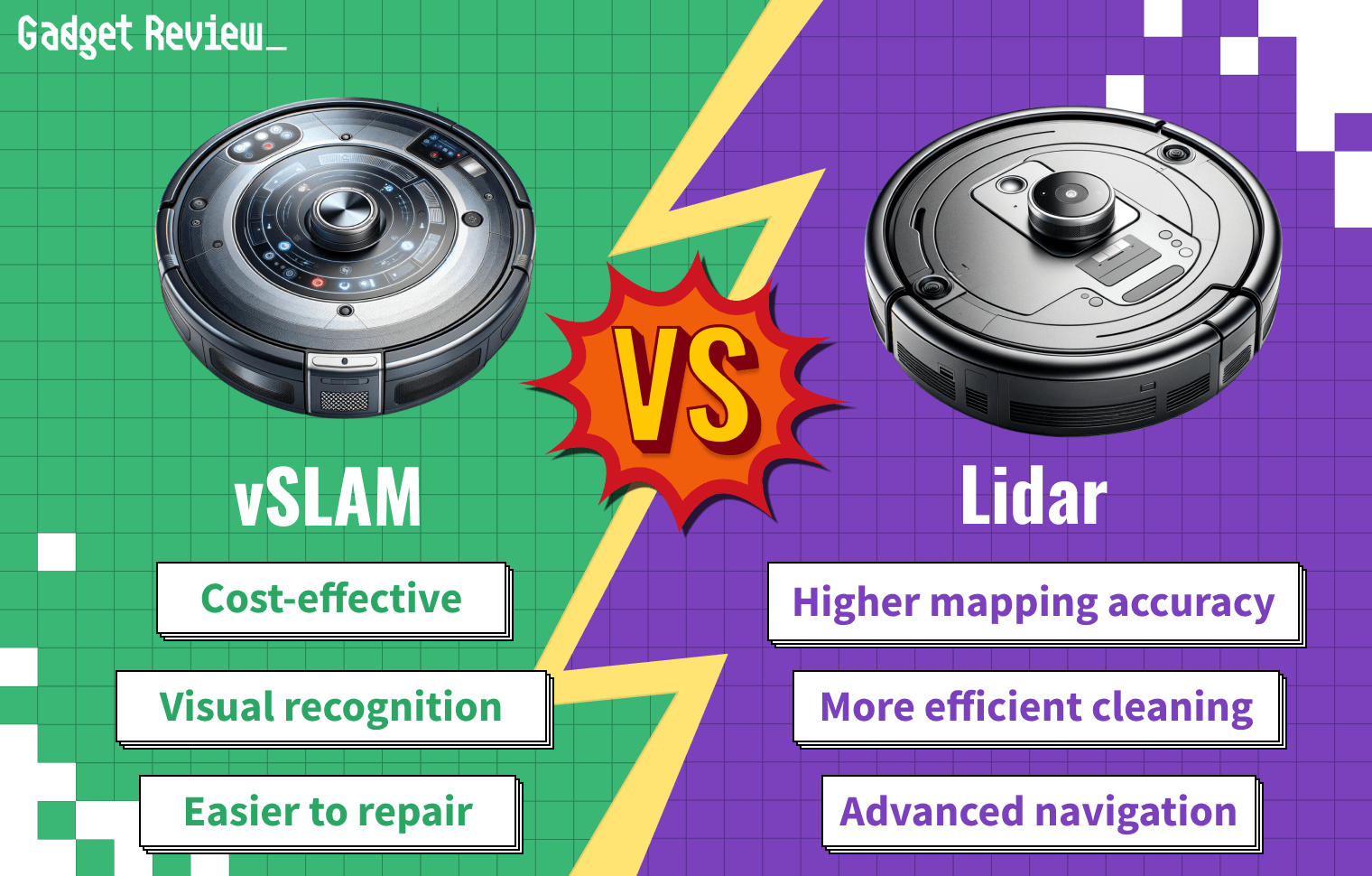
Credit: www.gadgetreview.com
How Lidar Technology Works
Lidar technology plays a key role in modern robot vacuums. It helps these devices see and understand their surroundings. This technology uses light to map the room and guide the vacuum. It makes cleaning more efficient and smarter.
Principles Of Lidar
Lidar stands for Light Detection and Ranging. It sends out laser beams that bounce off objects. The vacuum measures how long it takes for the light to return. This data helps the vacuum know the distance to obstacles.
The vacuum spins the laser sensor to scan the whole room. It collects many points of data. These points form a detailed map of the room’s layout.
Mapping And Navigation
The vacuum uses the lidar map to plan its cleaning path. It avoids walls, furniture, and other obstacles. The map helps the vacuum cover every corner without missing spots.
The vacuum updates the map in real time. It changes its path if new obstacles appear. This smart navigation saves time and power.
Advantages In Vacuum Cleaning
Lidar gives the vacuum high accuracy in detecting objects. It works well in low light and dark areas. The vacuum cleans more thoroughly thanks to better mapping.
The technology reduces bumps and collisions. It also helps the vacuum return to its charging base easily. Overall, lidar improves cleaning performance and user experience.

Credit: www.amazon.com
How Laser Sensors Operate
Laser sensors play a key role in robot vacuum cleaners. They help the device understand its environment. This section explains how these sensors work in robot vacuums.
Basics Of Laser Detection
Laser sensors send out a light beam that bounces off objects. The sensor measures the time it takes for the light to return. This process is called time-of-flight. It helps the vacuum know the distance to objects.
By scanning the room with laser beams, the vacuum creates a map. This map guides the vacuum during cleaning. It helps the device move efficiently without missing spots.
Obstacle Avoidance
Laser sensors detect obstacles by measuring distances around the vacuum. When the sensor finds an object close by, the vacuum changes direction. This prevents collisions with furniture or walls.
The sensor updates the vacuum’s path in real-time. It allows smooth navigation around obstacles. This way, the vacuum avoids getting stuck or damaging items.
Benefits For Robot Vacuums
Laser sensors improve cleaning accuracy by mapping rooms precisely. They help the vacuum cover every corner without repeating areas. This saves time and energy.
The sensors enable better obstacle detection than simple bumpers. They reduce the risk of damage to both the vacuum and household items. Laser sensors also work well in low light, unlike cameras.
Performance Comparison
Comparing the performance of Lidar and Laser robot vacuums helps choose the best one. Both use light to map and clean your home. Their strengths vary in accuracy, speed, and battery use. Knowing these differences makes cleaning easier and smarter.
Accuracy And Precision
Lidar uses laser light to scan the room in 360 degrees. It creates a detailed map for precise cleaning paths. This reduces missed spots and overlaps. Laser sensors also scan but with less detail. Their maps might be less accurate in complex spaces.
Speed And Efficiency
Lidar vacuums plan routes quickly and avoid obstacles smoothly. They clean faster without repeating areas. Laser vacuums may move slower or miss parts. Their less detailed maps can cause extra passes. Lidar helps finish cleaning in less time.
Battery Life Impact
Lidar systems use more power to scan and map continuously. This can reduce battery life slightly. Laser vacuums may last longer on one charge. Still, Lidar’s efficiency often balances battery use by cleaning faster. The right choice depends on your home size and cleaning needs.
Cost And Availability
Choosing between a Lidar and a laser robot vacuum often depends on cost and availability. Both technologies offer unique features, but their price and market presence differ. Understanding these differences helps buyers make smart decisions for their cleaning needs.
Price Differences
Lidar robot vacuums usually cost more than laser models. The Lidar system uses advanced sensors, making it pricier to produce. Laser vacuums tend to be more affordable and fit tight budgets. Still, prices vary by brand and model features.
Market Presence
Laser robot vacuums have a wider market presence. Many brands offer laser models, making them easy to find in stores and online. Lidar vacuums are less common but growing in popularity. Availability depends on region and retailer choice.
Value For Money
Lidar vacuums provide precise navigation and better cleaning paths. This can save time and energy, adding value beyond the price. Laser vacuums deliver good performance at a lower cost. Buyers get solid cleaning without extra expense.
Cleaning Patterns And Coverage
Cleaning patterns and coverage define how well a robot vacuum cleans your home. Different technologies use different methods to navigate and cover floors. These methods affect cleaning efficiency and thoroughness. Understanding these patterns helps you choose the right vacuum for your needs.
Systematic Vs Random Cleaning
Lidar robot vacuums use systematic cleaning. They map the room and clean in straight lines. This method covers every corner and reduces missed spots. Laser sensors help the vacuum plan the best path.
Laser robot vacuums often use random cleaning. They move unpredictably, bumping into obstacles. This can miss areas or repeat cleaning the same spot. It is less efficient but simpler in design.
Handling Complex Layouts
Lidar vacuums excel in complex layouts. They create accurate maps of rooms with furniture and walls. This allows precise navigation around objects. They avoid getting stuck and clean more thoroughly.
Laser vacuums can struggle with complex rooms. Without detailed maps, they rely on bump sensors. This can lead to missed areas or repeated cleaning cycles. They may need manual intervention more often.
Spot And Edge Cleaning
Both types offer spot cleaning for small messes. Lidar vacuums can target spots precisely using their maps. Laser vacuums clean spots by random movement within a limited area.
Edge cleaning is important for corners and walls. Lidar vacuums follow edges closely using sensors. Laser vacuums use bumpers to detect edges but may not be as accurate. This affects how well they clean baseboards and tight spaces.

Credit: www.youtube.com
Smart Features And Connectivity
Smart features and connectivity make robot vacuums easier to use and more efficient. These features let you control the vacuum remotely and fit cleaning into your daily routine. Both Lidar and laser robot vacuums offer various smart options to improve your cleaning experience.
App Integration
Most Lidar and laser vacuums connect to an app on your phone. The app shows cleaning maps and lets you control the vacuum from anywhere. You can start, pause, or stop cleaning with a tap. Some apps also send alerts if the vacuum gets stuck or needs maintenance.
Voice Control Compatibility
Many robot vacuums work with voice assistants like Alexa or Google Assistant. You can start or stop cleaning by speaking simple commands. This hands-free control is helpful when your hands are busy or dirty. Voice control adds convenience to your cleaning routine.
Scheduling And Customization
Scheduling lets you set cleaning times for the vacuum to run automatically. You can choose specific days and times that fit your schedule. Some vacuums also let you customize cleaning zones or avoid certain areas. This ensures your home stays clean without extra effort from you.
Maintenance And Durability
Maintenance and durability play key roles in the long-term use of robot vacuums. Both Lidar and laser models need care to work well and last long. Cleaning sensors and parts helps keep the vacuum accurate and efficient. Knowing how to handle common problems saves time and money. Understanding these factors helps you choose the right vacuum for your home.
Sensor Cleaning
Clean sensors regularly to keep navigation smooth. Dust and dirt block sensor signals and reduce accuracy. Use a soft, dry cloth to wipe sensors gently. Avoid water or harsh cleaners that may damage parts. For laser sensors, clear the lens carefully to prevent scratches. For Lidar, ensure the rotating sensor stays free of debris. Regular cleaning keeps your vacuum moving correctly and avoids errors.
Component Longevity
Quality parts last longer and improve vacuum life. Check brushes and wheels for wear and replace when needed. Batteries lose power over time; replace to maintain runtime. Motors in laser vacuums may need occasional checks for noise or heat. Lidar systems have fewer moving parts but must stay clean. Proper care extends the life of your robot vacuum and reduces repair costs.
Troubleshooting Common Issues
Vacuum stops working or moves erratically? Check sensors for dirt or damage. Reset the vacuum to clear software glitches. Update firmware to fix bugs and improve performance. Listen for unusual sounds from motors or wheels. Replace worn brushes or clogged filters. Follow the manual for specific fixes. Regular checks prevent small problems from becoming big ones.
Choosing The Right Vacuum
Choosing the right vacuum can make cleaning easier and faster. Different homes need different types of vacuums. Knowing your home’s size, floor type, budget, and personal preferences helps you pick the best one. This guide breaks down these key points to help you decide between a Lidar or laser robot vacuum.
Home Size And Floor Type
Large homes benefit from vacuums with strong navigation systems. Lidar vacuums map out big areas well. Smaller homes can work with simpler models. Hard floors need less suction power than carpets. Some vacuums handle carpets better with strong brushes. Choose a vacuum that matches your floor type for best results.
Budget Considerations
Robot vacuums come in many price ranges. Lidar models usually cost more due to advanced mapping. Laser vacuums may offer basic navigation at a lower price. Decide how much you want to spend before buying. Remember, higher price can mean better features and cleaning power. Pick one that fits your budget and needs.
User Preferences
Some people want quiet vacuums. Others prefer models with smart home compatibility. Battery life matters if you have a big home. Easy-to-empty dustbins save time. Think about what features matter most. Choose a vacuum that feels right for your lifestyle and cleaning habits.
Frequently Asked Questions
What Is The Difference Between Lidar And Laser In Robot Vacuums?
Lidar uses laser light to map a room, while laser refers to the light source itself. Lidar creates detailed maps for better navigation. Laser alone doesn’t mean full room mapping.
How Does Lidar Improve Robot Vacuum Navigation?
Lidar scans the room with laser beams to build a map. This helps the vacuum avoid obstacles and clean efficiently. It allows the robot to plan its route smartly.
Are Laser Sensors Better Than Traditional Sensors In Robot Vacuums?
Laser sensors provide more accurate distance and obstacle detection than traditional sensors. They help the robot move smoothly without bumping into things. This leads to better cleaning coverage.
Can Lidar-based Robot Vacuums Clean Complex Room Layouts?
Yes, Lidar helps the vacuum understand complex rooms by making detailed maps. It knows where to go and where it cleaned already. This reduces missed spots.
Does Laser Technology Affect Robot Vacuum Battery Life?
Laser technology uses low power and doesn’t drain the battery quickly. It balances power use with effective cleaning. You get longer cleaning times without sacrificing performance.
Is Lidar Technology Expensive In Robot Vacuums?
Lidar sensors are costlier than basic sensors but offer better cleaning results. Prices vary based on features and brand. Investing in Lidar can improve cleaning efficiency.
How Do I Know If My Robot Vacuum Uses Lidar Or Simple Laser?
Check the product details or user manual for “Lidar mapping” or “laser navigation. ” Simple laser vacuums often lack mapping features. Lidar models usually highlight room mapping in specs.
Conclusion
Choosing between Lidar and laser robot vacuums depends on your needs. Lidar offers precise mapping for efficient cleaning paths. Laser vacuums often work well in smaller spaces. Both types help keep your home clean with less effort. Think about your room size and budget.
Each technology has strengths worth considering. Clean floors are easier to maintain with these devices. Pick the one that fits your lifestyle best. Simple, smart cleaning is possible with either choice.