
Are you planning to install a shower on a concrete floor and wondering if you really need a shower pan? This question is more important than you might think.
Choosing the right setup can save you from costly water damage and headaches down the line. You’ll discover why a shower pan could be a crucial part of your bathroom project and how it protects your home. Keep reading to find out what works best for your space and avoid common mistakes many homeowners make.
Your bathroom’s safety and comfort depend on it!
Credit: www.youtube.com
Purpose Of A Shower Pan
The purpose of a shower pan is simple but very important. It acts as the base of your shower. It stops water from leaking into the floor below. This helps keep your bathroom dry and safe. Without a proper shower pan, water can cause damage over time.
Role In Water Containment
A shower pan catches water from your shower. It directs water toward the drain. This prevents water from seeping under the floor. Water that leaks can cause mold and mildew. A shower pan keeps all water inside the shower area.
Protecting Structural Integrity
Water can damage concrete and wood beneath the shower. This weakens your home’s structure. A shower pan acts as a barrier. It protects floors and walls from water damage. This helps maintain the strength of your bathroom’s base.
Concrete Floors And Moisture Risks
Concrete floors can let moisture seep through, causing damage over time. A shower pan helps protect the floor and prevents water leaks. Without it, water may cause mold and weaken the concrete.
Porosity Of Concrete
Concrete is not completely solid. It has tiny holes called pores. These pores absorb water and moisture easily. Moisture can travel through these pores and reach the surface. This makes concrete floors vulnerable to water problems. Without a barrier, moisture can rise up from the ground into the shower area.
Potential For Water Damage
Water that seeps through concrete can cause damage over time. It can weaken the concrete and cause cracks. Moisture can also lead to mold and mildew growth. These problems affect both the structure and health. A shower pan helps stop water from reaching the concrete floor. It protects your bathroom from costly repairs and dampness.
When A Shower Pan Is Necessary
A shower pan protects your floor from water damage and leaks. Concrete floors often need a shower pan to keep moisture from seeping through. It helps prevent costly repairs and keeps your bathroom dry.
New Construction Vs. Renovation
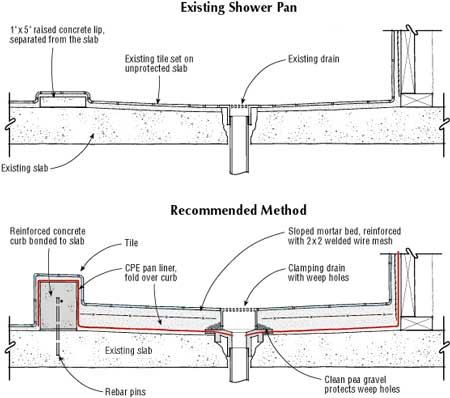
In new construction, installing a shower pan is standard practice. Builders add it to protect the floor from water damage. The pan acts as a waterproof barrier between the shower and the concrete floor. It helps prevent leaks that could cause mold or structural issues.
During renovation, the need for a shower pan depends on the existing floor condition. If the concrete floor is already sealed and waterproofed, a pan might not be necessary. However, if the floor shows cracks or signs of moisture, a shower pan is recommended. It provides an extra layer of protection and peace of mind.
Building Code Requirements
Building codes often require a shower pan on concrete floors. These codes ensure homes stay safe from water damage. Most codes specify the type of pan and installation methods. Following these rules is essential to pass inspections and avoid future problems.
Codes vary by location but usually mandate waterproofing in wet areas. A shower pan meets these requirements by directing water to the drain. Ignoring code requirements can lead to fines and costly repairs. Always check local codes before starting your project.
Credit: www.jlconline.com
Types Of Shower Pans
Choosing the right shower pan is important for a concrete floor. Shower pans catch water and direct it to the drain. They protect your floor from water damage. There are different types of shower pans. Each type has its own benefits and uses.
Understanding the types helps you pick the best one for your bathroom. Here are two main types of shower pans.
Prefabricated Options
Prefabricated shower pans come ready to install. They are made from materials like acrylic or fiberglass. These pans are lightweight and easy to handle. They fit standard shower sizes well. Prefabricated pans have built-in slopes for drainage. Installation is faster with these pans. They cost less than custom options. Cleaning is easier because surfaces are smooth. These pans are durable and resist stains. You can find many styles and colors.
Custom-cast Pans
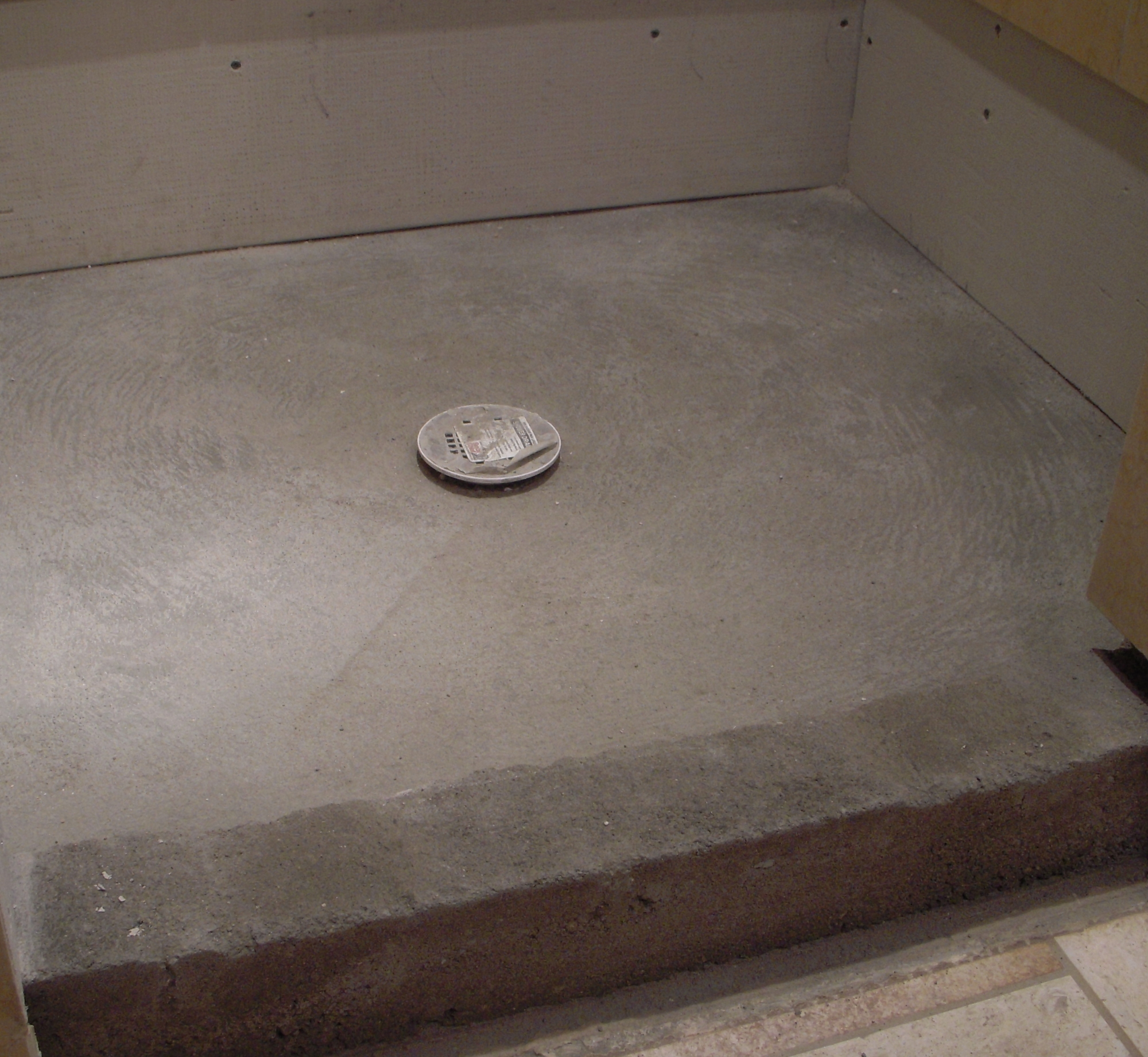
Custom-cast pans are made on site with concrete or mortar. They fit any shower shape or size perfectly. These pans offer more design flexibility. The surface is often covered with tile or stone. This creates a unique, stylish look. Custom pans require skilled installation. They are heavier and take longer to install. Water drainage can be tailored exactly. These pans are very durable and strong. They work well with complex bathroom layouts.
Waterproofing Methods Without A Pan
Waterproofing without a shower pan offers practical options for concrete floors. These methods stop water from seeping through the floor. They protect the bathroom from leaks and damage.
Such options are good for simpler installations or budget limits. They require careful application to ensure full protection. Choose the right method based on your floor and water exposure.
Liquid Waterproofing Membranes
Liquid waterproofing membranes are paint-like coatings applied directly to the concrete. They form a seamless, flexible barrier against water. These membranes fill tiny cracks and pores in the floor.
Once dried, they create a tough, water-resistant layer. The membrane moves with the floor, preventing cracks or leaks. Applying multiple coats improves durability and water resistance.
This method is easy to apply with a brush or roller. It works well for irregular surfaces and corners. Regular inspections help keep the membrane effective over time.
Sheet Membranes And Barriers
Sheet membranes are thin layers of waterproof material installed over the concrete. They come in rolls and are pressed firmly onto the floor. Seams must be sealed carefully to avoid leaks.
These membranes often have adhesive backing or require special glue. They offer strong, consistent protection against water. Sheet membranes are durable and resist punctures.
Installing sheet membranes needs precise measuring and cutting. It is important to cover the entire shower base area. This method suits professional installations and larger projects.
Credit: creativetileworks.com
Installation Tips For Shower Pans
Installing a shower pan on a concrete floor needs care and planning. Proper steps help avoid leaks and damage. Small mistakes can cause big problems later. Follow these tips for a strong, secure shower pan installation.
Proper Drain Placement
Place the drain in the exact spot before starting. Check the drain location against the shower pan’s drain hole. Aligning them perfectly stops water from pooling. Make sure the drain pipe is level and stable. A well-placed drain helps water flow smoothly.
Ensuring A Secure Seal
Seal the shower pan edges tightly to prevent leaks. Use waterproof sealant or caulk around all joints. Press the sealant firmly into gaps for a strong bond. Let the sealant dry completely before using the shower. A good seal keeps water inside the pan, protecting the floor.
Common Mistakes To Avoid
Building a shower on a concrete floor requires care. Many make mistakes that cause leaks or damage. Avoiding common errors saves time and money. Here are two big mistakes to watch out for.
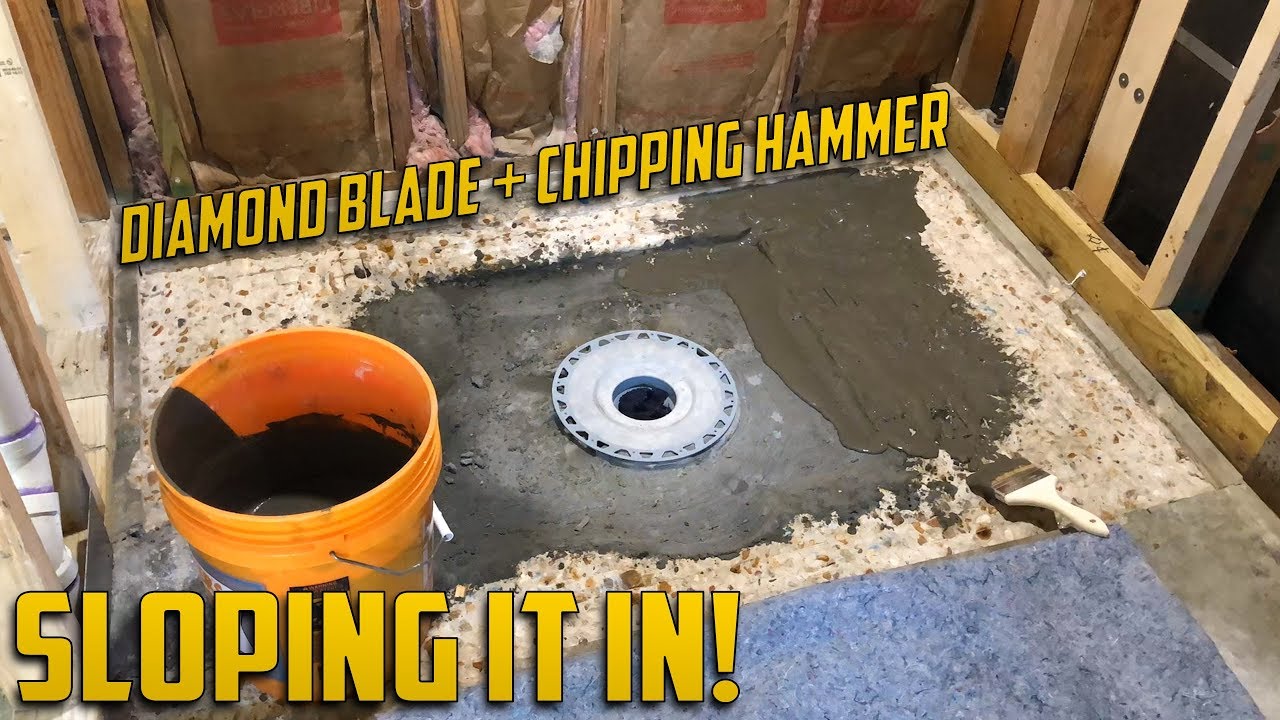
Ignoring Slopes And Drainage
A shower floor must slope toward the drain. Without a slope, water pools and causes mold. Flat floors block water flow, damaging concrete and tiles. Always check the slope before installing the shower pan. A small angle ensures water moves quickly to the drain.
Skipping Waterproofing Layers
Concrete alone is not waterproof. Skipping waterproofing leads to leaks and water damage. Use a waterproof membrane or liner under the shower pan. It protects the concrete and stops water from seeping through. Proper waterproofing extends the shower’s life and prevents costly repairs.
Maintenance For Long-term Protection
Maintaining a shower pan on a concrete floor protects your bathroom from water damage. Proper care helps the pan last longer and keeps your home safe. Small tasks done regularly prevent big repairs later. Follow simple steps to ensure your shower pan stays in good condition.
Regular Inspections
Check your shower pan often for cracks or signs of wear. Look for any loose tiles or soft spots on the concrete floor. Use a flashlight to see hard-to-reach corners clearly. Early detection helps stop small problems from growing. Make inspections part of your monthly routine.
Addressing Leaks Promptly
Leaks can cause serious damage to concrete and surrounding areas. Fix leaks as soon as you notice water pooling or damp spots. Use waterproof sealant to close small cracks quickly. Call a professional if leaks seem severe or hard to fix. Acting fast saves time and money in the long run.
Frequently Asked Questions
Do I Need A Shower Pan On A Concrete Floor?
Yes, a shower pan is needed on a concrete floor to prevent water leaks. It acts as a waterproof barrier, protecting the floor and walls from damage.
Can I Pour A Shower Pan Directly On Concrete?
Yes, a shower pan can be poured directly on concrete. Proper slope and waterproofing layers are essential to avoid water pooling and leaks.
What Materials Are Best For Shower Pans On Concrete Floors?
Materials like PVC, fiberglass, or mortar beds are commonly used for shower pans on concrete. They provide good waterproofing and durability.
How Does A Shower Pan Protect My Concrete Floor?
A shower pan stops water from seeping into the concrete. This prevents cracks, mold, and structural damage in your bathroom.
Is A Shower Pan Required By Building Codes On Concrete Floors?
Most building codes require a waterproof shower pan over concrete floors. It ensures safety and prevents costly water damage.
Can I Install A Shower Pan Myself On A Concrete Floor?
DIY installation is possible with the right tools and instructions. But mistakes can cause leaks, so consider professional help if unsure.
How Long Does A Shower Pan Last On A Concrete Floor?
A well-installed shower pan can last 20 years or more. Proper maintenance and waterproofing increase its lifespan.
Conclusion
A shower pan protects your bathroom from water damage. It stops leaks and keeps floors dry. Installing one on a concrete floor is usually a smart choice. It helps prevent mold and costly repairs later. Choose a shower pan that fits your space well.
Proper installation matters to avoid future problems. Taking these steps makes your shower safer and longer-lasting. Simple, but important.