
Have you ever noticed a strange gasoline smell inside your house but can’t find any gas? It’s unsettling and can make you worry about safety.
You might wonder if there’s a hidden leak or something more serious going on. Understanding why this smell appears is important—not just to ease your mind but to keep your home safe. You’ll discover common reasons for that mysterious gasoline odor and learn simple steps you can take right now to protect yourself and your family.
Keep reading to clear the air and get peace of mind.
Credit: rainbowrestores.com
Common Causes Of Gasoline Smell Indoors
The smell of gasoline inside a house can be worrying. It might not always mean there is a gas leak. Several common reasons can cause this smell indoors. Understanding these causes helps find the right solution fast.
Gasoline has a strong scent that can travel easily. Sometimes, the source is not obvious. Knowing where the smell might come from can save time and stress.
Fuel Leaks From Vehicles
Cars, motorcycles, or lawnmowers parked near the house can leak fuel. Even small drips can create a noticeable smell. Check for wet spots or stains where these vehicles are stored. Fuel vapors can enter the house through windows or vents.
Stored Gasoline Containers
Storing gasoline in old or damaged containers indoors causes odors. Gasoline evaporates quickly and the smell can fill a room. Always use proper, sealed containers. Keep them in a well-ventilated area away from living spaces.
Nearby Gasoline-powered Equipment
Generators, pressure washers, or other gasoline tools can emit fumes. Operating them close to the house can let the smell inside. Make sure these devices run outside and away from windows or doors.
Ventilation Issues
Poor airflow traps fumes inside the home. Without fresh air, gasoline vapors linger longer. Check if vents, fans, or windows are blocked or closed. Improving ventilation helps clear the smell quickly.
Chemical Reactions And Off-gassing
Certain household chemicals can produce smells like gasoline. Some paints, adhesives, or cleaners release fumes that seem similar. This off-gassing might confuse the source of the odor. Identify and remove these products to see if the smell fades.
Health Risks Of Gasoline Vapors
Gasoline vapors in your home can pose serious health risks. These vapors contain harmful chemicals that affect your body quickly. Even small amounts can cause discomfort and harm. Understanding these risks helps you protect yourself and your family.
Short-term Exposure Effects
Breathing gasoline vapors can cause headaches and dizziness. Some people may feel nausea or have trouble breathing. Eyes and throat might become irritated. These symptoms appear soon after exposure and can worsen if ignored.
Long-term Health Concerns
Repeated exposure to gasoline vapors may harm your nervous system. It can affect your memory and concentration. Some chemicals in gasoline are linked to cancer risk. Long-term breathing of these vapors damages your lungs and liver over time.
When To Seek Medical Help
Seek medical help if you feel confused or weak. Difficulty breathing or chest pain needs urgent care. Severe headaches or vomiting after exposure require a doctor. Early treatment can prevent lasting damage to your health.
Detecting The Source Of The Smell
Detecting the source of a gasoline smell in your house is important for safety. Gasoline vapors can be harmful and flammable. Finding the cause helps prevent accidents and health issues. Start by checking common places where gasoline might be present. Use simple steps to narrow down the source quickly and safely.
Inspecting Vehicles And Equipment
Check all vehicles parked near or inside your home. Look for leaks under cars, motorcycles, or lawnmowers. Fuel tanks and fuel lines may have cracks or holes. Smell around the engine areas for strong gasoline odors. Don’t forget to check portable equipment like generators or weed trimmers.
Checking Storage Areas
Examine garages and sheds for gasoline containers. Look for spills, loose caps, or damaged cans. Gasoline stored in open containers can release strong fumes. Clean up any spills immediately with absorbent materials. Make sure all gasoline containers are tightly sealed and stored in well-ventilated areas.
Using Gas Detectors
Gas detectors help find hidden gasoline vapors. Portable gas detectors can sense fuel vapors in the air. Move the detector slowly around suspected areas. Focus on places near fuel storage or vehicles. These devices provide real-time alerts, making it easier to spot leaks early.
Identifying Hidden Leaks
Hidden leaks can come from pipes or tanks inside walls or floors. Check areas near fuel-burning appliances like heaters or stoves. Look for damp spots, stains, or unusual odors. Use a flashlight to inspect dark or tight spaces. If you suspect a hidden leak, call a professional for a thorough check.

Credit: www.elanfuels.com
Immediate Steps To Eliminate The Odor
Noticing a gasoline smell in your house can be alarming. Acting fast helps remove the odor and keeps everyone safe. Follow these steps right away to clear the air and reduce risks.
Ventilating The Space
Open all windows and doors to let fresh air in. Use fans to push the smell outside. Keep ventilation going for several hours. This helps lower the gasoline fumes quickly and improves air quality.
Removing Gasoline Sources
Look for any gasoline containers or spills. Take them outside immediately. Check places like the garage, basement, or storage areas. Removing the source stops more fumes from spreading indoors.
Cleaning Contaminated Surfaces
Gasoline can soak into floors, walls, or fabrics. Use a mixture of water and mild detergent to scrub affected areas. Wear gloves to protect your skin. Clean well to remove any leftover gasoline residue.
Using Odor Absorbers
Place bowls of baking soda or activated charcoal around the room. These natural odor absorbers help capture the gasoline smell. Replace them every few days until the odor disappears. They make the air fresher without harsh chemicals.
Preventing Future Gasoline Smells
Preventing gasoline smells in the house protects your health and comfort. It also reduces fire risk. Small steps help keep your home safe and fresh. Learn simple tips to stop gasoline odors from coming back.
Proper Storage Of Fuel
Store gasoline in approved containers only. Keep containers tightly sealed to stop fumes. Place fuel outside or in a well-ventilated shed. Avoid storing gasoline near living spaces or heat sources. Check containers regularly for leaks or damage.
Regular Equipment Maintenance
Clean and inspect fuel-powered tools often. Fix leaks in lawnmowers, generators, or other machines quickly. Replace worn fuel lines and seals. Proper maintenance stops gasoline from leaking or evaporating inside your home. Follow manufacturer guidelines for service schedules.
Improving Home Ventilation
Ventilate areas where gasoline is used or stored. Open windows and doors to air out rooms. Use fans to move fresh air inside. Proper ventilation helps remove gasoline vapors fast. This reduces smell and keeps indoor air safe to breathe.
Safe Handling Practices
Pour gasoline carefully to avoid spills. Use funnels and steady hands. Clean up any spills immediately with absorbent materials. Avoid refueling machines indoors or near ignition sources. Store gasoline away from children and pets. Always wear gloves and wash hands after handling fuel.
When To Call Professionals
Noticing a gasoline smell in your house without a clear source can cause worry. Knowing when to call professionals is key to safety. Some situations need expert help immediately. Others require a thorough check to find hidden problems.
Gas Leak Emergencies
A strong gasoline smell with dizziness or headaches means danger. Leave the house right away. Do not use any electrical devices. Call emergency services from a safe place. Gas leaks can cause fires or explosions.
Persistent Odors
If the gasoline smell stays for hours or days, get help. Persistent odors may show a hidden leak or spill. Professionals have tools to detect gas sources you cannot see. Do not try to fix it yourself.
Professional Inspection And Repair
Experts inspect the entire gas system carefully. They check pipes, tanks, and appliances for damage. They use special equipment to find leaks safely. Professionals fix issues to stop gas from leaking. Regular inspections keep your home safe and secure.

Credit: www.youtube.com
Frequently Asked Questions
Why Do I Smell Gasoline But Find No Gas Leak?
The smell may come from old gasoline residues or nearby sources like a garage. Sometimes, fumes travel through vents or cracks into your home.
Can Household Items Cause A Gasoline-like Smell Indoors?
Yes, some paints, solvents, or cleaning products emit fumes similar to gasoline. Check recent use of these items for the source.
Could Sewer Gas Cause A Gasoline Smell In My House?
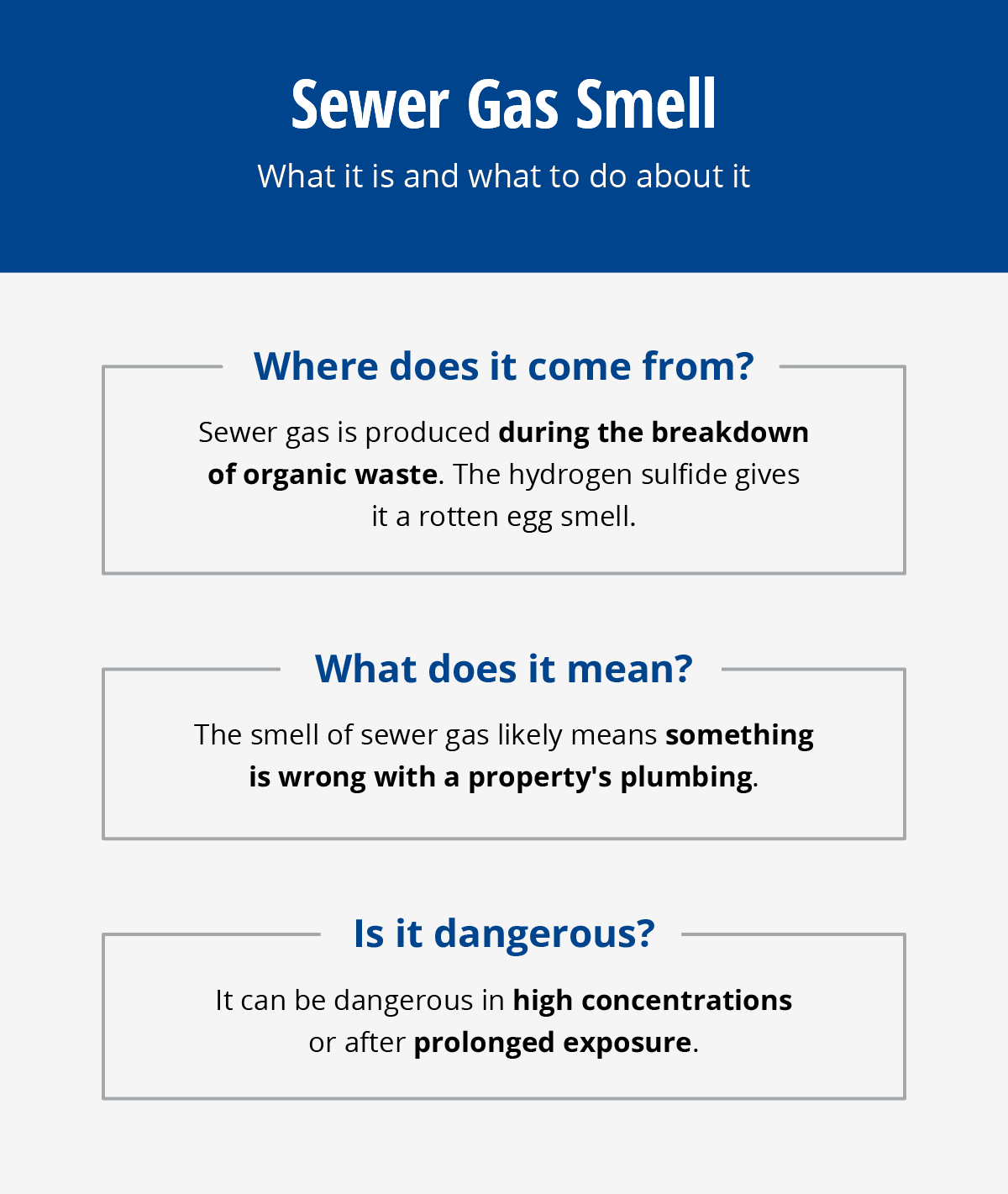
Sewer gas can smell strong and chemical-like, sometimes resembling gasoline. Check drains and vents for blockages or leaks.
Is It Dangerous To Smell Gasoline Without A Leak?
Smelling gasoline fumes can be harmful to breathe over time. Ventilate your home and find the source quickly for safety.
Can Old Gas In A Lawnmower Cause Indoor Gasoline Smell?
Old gas in equipment stored indoors can release fumes into the house. Store gasoline and tools outside or in well-ventilated areas.
How Can I Stop The Gasoline Smell Inside My House?
Open windows to air out your home and remove any gas containers. Clean surfaces and check appliances that use fuel.
When Should I Call A Professional About Gasoline Odors?
Call a professional if the smell is strong, persistent, or you suspect a hidden leak. Safety inspections can prevent serious hazards.
Conclusion
A gasoline smell inside your home signals a potential problem. Never ignore the scent or try to find it alone. Call a professional to inspect your house quickly. This helps keep your family safe and prevents accidents. Regular checks on appliances and storage areas reduce risks.
Remember, safety starts with early action and awareness. Stay alert and keep your home secure.