
If you rely on a sand point well for your water needs, you’ve probably wondered, “How long does it really last?” Knowing the lifespan of your well can save you time, money, and unexpected headaches. You’ll discover the key factors that affect how long your sand point well can serve you.
By understanding these, you’ll be better prepared to maintain it and avoid costly repairs. Keep reading to learn exactly what you need to know to protect your water supply and make your well last as long as possible.

Credit: www.researchgate.net
Sand Point Well Basics
Understanding the basics of sand point wells helps you know their value and limits. These wells are simple and common for shallow water sources. They use natural sand layers to filter water. This makes them a practical choice for many small water needs.
Sand point wells are easy to install and maintain. They work well in areas with loose, sandy soil. Knowing how they function will help you decide if they fit your water needs.
What Is A Sand Point Well
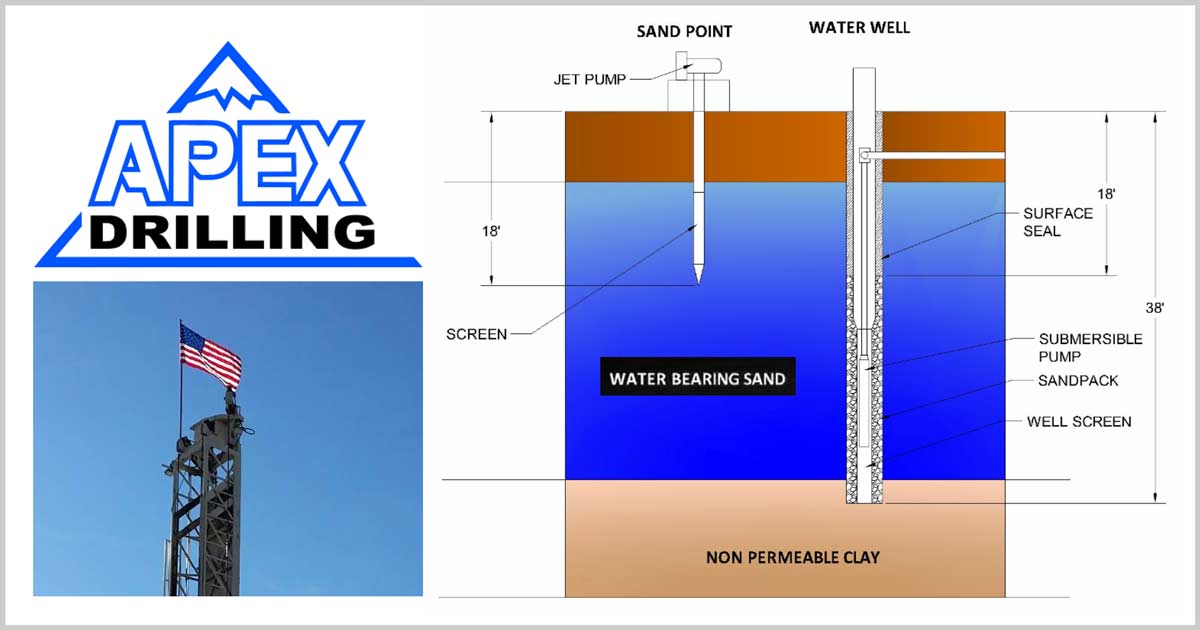
A sand point well is a type of shallow well. It uses a pointed pipe with small holes. The pipe is pushed into sandy soil to reach water. The sand filters the water before it enters the pipe. This keeps out dirt and debris.
These wells usually reach water at depths of 10 to 30 feet. They are low-cost and quick to set up. The design is simple but effective for clean water from shallow aquifers.
How Sand Point Wells Work
The pointed pipe, called a sand point, is driven into the ground. It stops when it hits the water table. Water flows through the holes in the pipe. The sand acts as a natural filter.
A pump pulls the water up through the pipe. This can be manual or electric. The sand point well needs regular checks. Sand can clog the holes, reducing water flow over time.
Common Uses For Sand Point Wells
Sand point wells supply water for gardens and small farms. They serve rural homes without deep well access. Many use them for livestock watering. They are also useful in emergency situations.
These wells are best for low water needs. They are not suited for large households or irrigation systems. Their shallow depth limits the water volume available.

Credit: www.youtube.com
Factors Affecting Well Longevity
The lifespan of a sand point well depends on several key factors. These factors influence how long the well can provide clean water without problems. Understanding them helps in making better choices for building and caring for the well.
Soil And Groundwater Conditions
The type of soil affects how well the sand point works. Sandy soils allow water to flow easily but may let in more dirt. Clay soils slow water flow and can cause clogging. Groundwater level changes also impact well performance. If water drops too low, the well may stop working.
Construction Quality And Materials
Good construction extends well life. Using strong, rust-resistant materials prevents damage. Proper installation keeps the well stable and clean. Poor construction can lead to cracks and leaks. The well’s depth and screen design also matter for durability.
Water Quality And Contamination
Clean water helps the well last longer. Contaminants like chemicals or bacteria harm the well system. Pollution from nearby sources can reduce water quality. Testing water regularly helps catch problems early. Treating water prevents damage to the well parts.
Maintenance And Upkeep
Regular maintenance is vital for well longevity. Cleaning the screen and removing debris keep water flowing. Checking for leaks and repairing them stops further damage. Pump inspections ensure proper function. Neglecting upkeep shortens the well’s useful life.
Typical Lifespan Of Sand Point Wells
Sand point wells provide a simple and affordable way to access groundwater. Understanding their typical lifespan helps owners plan maintenance and replacement. Lifespan depends on many factors like soil type, water quality, and usage. This section explains how long sand point wells usually last and what signs indicate wear. We also compare their durability with other well types.
Average Duration Expectancy
Sand point wells typically last between 5 and 15 years. This range varies due to soil conditions and water flow. Wells in sandy, stable soil last longer. Heavy use can reduce lifespan. Regular maintenance extends well life. Some wells may last over 20 years with proper care.
Signs Of Aging And Wear
Rust on the casing shows wear over time. Reduced water flow often signals clogging or damage. Sudden changes in water taste or color may indicate contamination. Pump failure or noisy operation also points to aging. Early detection prevents costly repairs.
Comparing To Other Well Types
Sand point wells last shorter than drilled wells. Drilled wells often last 20 to 50 years. Driven wells have a lifespan similar to sand points. Sand point wells are easier to install but less durable. Choosing a well type depends on budget and water needs.
Extending The Life Of Your Well
Extending the life of your sand point well saves money and ensures safe water. Regular care helps avoid costly repairs and keeps the water clean. Simple steps can keep your well working well for many years.
Regular Inspection Tips
Check the well at least twice a year. Look for cracks or damage around the well casing. Listen for unusual noises from the pump. Notice if the water flow slows down. These signs show the well needs attention early.
Cleaning And Repair Strategies
Clean the well to remove dirt and debris. Use gentle tools to avoid damage. Repair small cracks quickly to prevent leaks. Replace worn parts like the pump or pipes on time. Clean water means a longer well life.
Protecting Against Contamination
Keep chemicals and waste far from the well site. Seal the top of the well tightly to stop dirt entry. Avoid standing water near the well to reduce bacteria risk. Use a fence or barrier to limit animal access. Safe water starts with a clean and protected well.
When To Replace Or Upgrade
Knowing when to replace or upgrade a sand point well helps keep water safe and reliable. Over time, wells can lose efficiency or develop problems. Acting early can save money and avoid water issues. Here are key points to watch for and how to plan your next steps.
Indicators For Replacement
Water flow slows down significantly. Rust or sediment appears in the water. The pump runs more often without producing water. Water quality changes, such as bad taste or smell. Frequent repairs become necessary. These signs suggest the well may be failing.
Choosing A New Well System
Consider your water needs and property size. Different well types suit different ground conditions. A drilled well can last longer than a sand point. Check local regulations for well permits. Consult a professional to find the best option.
Cost Considerations And Planning
Replacement costs vary by well type and depth. Include expenses for drilling, materials, and labor. Plan for pump and storage tank upgrades. Budget for regular maintenance to extend well life. Compare costs to decide the best time to replace.
Credit: www.apexdrillingllc.com
Frequently Asked Questions
How Long Does A Sand Point Well Typically Last?
A sand point well usually lasts 5 to 10 years. Its lifespan depends on soil type and water use. Regular maintenance can extend its life.
What Factors Affect A Sand Point Well’s Lifespan?
Soil type, water quality, and well depth all affect lifespan. Heavy sand or dirt can clog the well faster. Proper care helps avoid early damage.
Can Sand Point Wells Be Repaired To Last Longer?
Yes, sand point wells can be cleaned or repaired. Removing debris and fixing parts can add years. But some damage may require a new well.
How Often Should A Sand Point Well Be Inspected?
Inspect your well at least once a year. Look for leaks, low water flow, or rust. Early checks prevent bigger problems later.
Does Water Quality Impact A Sand Point Well’s Durability?
Poor water quality can clog or damage the well faster. Hard water or dirt lowers lifespan. Using filters helps protect the well.
What Maintenance Keeps A Sand Point Well Working Well?
Clean the screen and pump regularly to avoid blockages. Check for corrosion or leaks to fix early. Good maintenance extends well life.
When Should You Replace A Sand Point Well?
Replace your well if water flow drops or it leaks. Damage from rust or clogging means it’s time. New wells ensure safe, clean water.
Conclusion
A sand point well can last many years with proper care. Regular cleaning helps keep the water flowing well. Avoiding damage to the pipes extends the well’s life. Watch for signs of wear or clogging often. Simple steps make a big difference over time.
A well-maintained sand point well provides reliable water. It suits homes needing an affordable water source. Taking care now saves costly repairs later. Think of your well as an important investment. Keep it healthy, and it will serve you well.